Switching Sides in Pickleball: Master the Winning Strategy

Switching sides in pickleball is a vital part of the game. It ensures fair play and keeps the match exciting.
In pickleball, players switch sides at specific points to maintain balance. This practice prevents any one player from gaining an advantage due to court conditions, lighting, or wind. Understanding when and how to switch sides can enhance your game. It might seem simple, but it plays a crucial role in strategy and fairness.
Whether you’re new to pickleball or looking to refine your skills, knowing the ins and outs of side-switching will help you stay ahead. Let’s dive into the details of this essential aspect of pickleball and see how it can impact your gameplay.
Contents
Introduction To Switching Sides
Pickleball is a fun and fast-paced sport. Knowing the rules is key. One important rule is switching sides. This rule can change the game. Let’s dive into the details of this rule.
What Is Switching Sides?
Switching sides means players change courts. This happens after certain points. Players move to the other side of the net. This keeps the game fair. Each player faces the same conditions.
Importance In Pickleball
Switching sides keeps the game balanced. Each side has different light and wind conditions. Switching ensures both teams face these equally. It also adds strategy to the game. Players must adapt to new conditions quickly. This keeps the game exciting and fair.
Basics Of Pickleball
Pickleball is a fast-growing sport that blends elements of tennis, badminton, and ping-pong. This engaging game is easy to learn and fun for all ages. In this section, we will cover the basics of pickleball to help you get started.
Brief History
Pickleball originated in the 1960s. Three dads created it to entertain their kids. They used a mix of sports equipment they had on hand. The game quickly gained popularity. Today, millions of people play pickleball worldwide.
Fundamental Rules
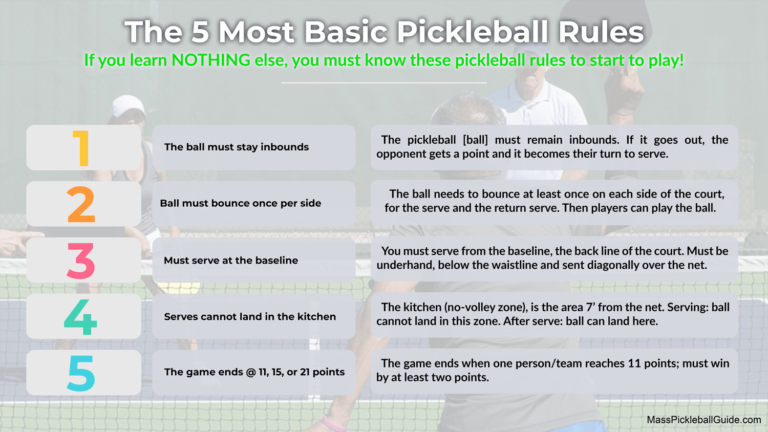
The game is played on a court similar to a badminton court. Players use paddles and a plastic ball with holes. The net is 36 inches high at the ends and 34 inches in the middle.
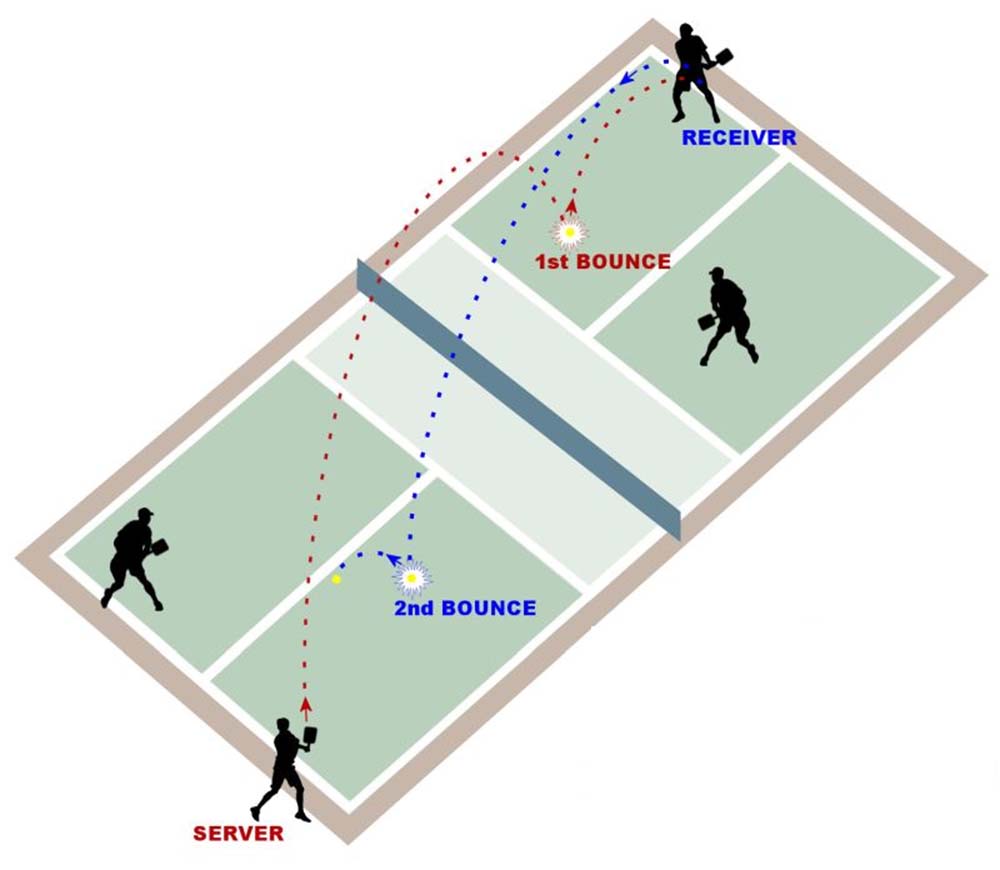
Pickleball can be played in singles or doubles. The serve is done underhand, and the ball must land in the opposite diagonal court. The serving team can only score points. Games are usually played to 11 points. A team must win by 2 points.
When To Switch Sides
Switching sides in pickleball can impact the flow and outcome of the game. Knowing when to switch sides is essential for maintaining balance and exploiting weaknesses. Below, we explore optimal timing and recognizing opportunities for switching sides during play.
Optimal Timing
Timing is everything in pickleball. Switching sides at the right moment can give you a strategic edge. Here are some instances when switching sides is optimal:
- At the end of a game or set.
- When the score reaches multiples of 6.
- During a timeout or break.
Switching sides during these moments helps keep the game fair and balanced. It also ensures both players face the same conditions.
Recognizing Opportunities
Recognizing the right time to switch sides can be the difference between winning and losing. Pay attention to these cues:
- Sun and Wind: Switch sides to avoid glare or strong winds.
- Opponent Weakness: If your opponent struggles on one side, switch to exploit this.
- Fatigue: Switch sides if you or your opponent show signs of fatigue.
By recognizing these opportunities, you can make strategic decisions that benefit your game.
Switching sides in pickleball is more than just a rule; it’s a strategy. Use these tips to improve your performance and enjoy a more balanced game.
Credit: usapickleball.org
Techniques For Effective Switching
Switching sides in pickleball can be a game-changer. It requires precise techniques. Understanding these techniques helps in maintaining the flow of the game. Two key aspects to focus on are footwork and communication with your partner. Mastering these can significantly improve your gameplay.
Footwork
Good footwork is essential for effective switching. Move quickly but stay balanced. Always be on the balls of your feet. This helps in making quick adjustments. Practice side-stepping to enhance your agility. It’s also important to maintain a low stance. This will help you react faster and cover more ground.
Communication With Partner
Clear communication with your partner is crucial. Always use simple and direct phrases. Decide on key words or signals before the game. This ensures both are on the same page. Make eye contact whenever possible. It helps in understanding each other’s intentions. Regular practice together can improve your coordination. It builds trust and reduces errors during the game.
Common Mistakes
Switching sides in pickleball can be tricky for many players. This section will help you avoid common mistakes. Correcting these errors will improve your game.
Poor Timing
Many players switch sides at the wrong time. Timing is crucial in pickleball. Switching too early or too late can disrupt the game. This mistake can leave your side open. Here are some tips to avoid poor timing:
- Switch sides after a point is scored.
- Communicate with your partner before switching.
- Practice switching during drills.
Miscommunication
Communication is key in pickleball. Miscommunication can lead to errors. Many players do not talk enough. This can result in confusion and lost points. Here are ways to improve communication:
- Use clear and simple signals.
- Discuss strategies before the game.
- Call out your moves during play.
Benefits Of Switching Sides
Switching sides in pickleball can greatly enhance your gameplay. It helps with strategy, coverage, and overall performance. Let’s explore some key benefits.
Strategic Advantages
Switching sides allows you to play to your strengths. If you have a stronger forehand, you can position yourself accordingly. This strategy confuses your opponents. They cannot predict your next move easily.
- Better shot placement
- Increased unpredictability
- Enhanced teamwork
Switching sides also helps in targeting opponents’ weaknesses. Identify their weak spots. Then, position yourself for an effective attack.
Improved Court Coverage
Switching sides can improve court coverage. This reduces gaps and minimizes missed shots. You and your partner can cover more ground efficiently.
| Benefit | Description |
|---|---|
| Enhanced Reach | Each player can cover their side more effectively. |
| Better Defense | Switching sides can help block shots more easily. |
| Reduced Fatigue | Sharing court duties prevents over-exertion. |
Switching sides helps balance the workload. This prevents any one player from becoming too tired. It keeps both players fresh and ready to compete.
Drills To Practice Switching
Switching sides in pickleball is crucial for maintaining a strong defensive position. Practicing drills can help improve your speed and agility. Here are some effective drills to help you switch sides efficiently.
Solo Drills
Start by practicing side shuffles. Place two markers on the court, about ten feet apart. Shuffle from one marker to the other, focusing on quick, short steps. This helps in developing lateral movement.
Another good solo drill is ghosting. Imagine an opponent hitting shots to both sides of the court. Move quickly to each side as if to return the shot. This helps in building anticipation and reaction time.
Partner Drills
For partner drills, start with the mirror drill. Stand facing your partner at the net. As one player moves to one side, the other mirrors the movement. This helps in syncing movements and improves coordination.
Another effective drill is the crosscourt rally. Stand diagonally opposite to your partner. Hit the ball back and forth across the court, focusing on switching sides after each shot. This helps in practicing real-game scenarios.

Credit: www.tiktok.com
Advanced Strategies
Switching sides in pickleball can be a game-changer. Advanced strategies help players dominate the court. These strategies focus on outsmarting opponents and using clever plays to gain an edge.
Anticipating Opponents’ Moves
Knowing what your opponent will do next gives you an advantage. Watch their body language. Look at their paddle position. This can tell you a lot about their next move. Experienced players can predict shots. They use this information to position themselves better.
Here are some tips to anticipate moves:
- Focus on your opponent’s eyes.
- Observe their footwork.
- Notice their grip on the paddle.
By doing this, you can stay one step ahead. Ready to counter any shot they make. This is crucial in close matches.
Deceptive Plays
Deception can confuse opponents. It makes it hard for them to predict your next move. One way to do this is by using fake shots. Pretend to hit the ball one way, then switch directions at the last second.
Here are some popular deceptive plays:
- Fake Drop Shot: Act like you’re doing a drop shot. At the last moment, hit a deep shot instead.
- Spin Shots: Add spin to your shots. This changes the ball’s trajectory, making it hard to return.
- Disguise Your Serve: Make your serve look like a soft one. Then hit it hard and fast.
These techniques can throw off your opponent’s rhythm. They will find it harder to return shots effectively. Deceptive plays require practice. But once mastered, they can give you a significant advantage.

Credit: www.copperunion.com
Frequently Asked Questions
What Is Switching Sides In Pickleball?
Switching sides in pickleball occurs when players change sides of the court. This typically happens after a certain number of points or at the end of a game.
When Do Players Switch Sides In Pickleball?
Players switch sides in pickleball after every game in a match. Additionally, they switch sides when the combined score reaches multiples of 6 in an 11-point game.
Why Is Switching Sides Important In Pickleball?
Switching sides in pickleball ensures fairness. It helps neutralize any advantages due to wind, sun, or court conditions, making the game balanced.
How Does Switching Sides Affect Strategy?
Switching sides affects strategy by requiring players to adjust to different court conditions. It tests their adaptability and ensures they can perform well under varied circumstances.
Conclusion
Switching sides in pickleball can improve your game. It helps balance play. You get to use different muscles. It keeps the game fair for both players. Practice switching sides to get better. Enjoy the game more and stay active. Keep learning and playing.
Happy pickleball!