What is a Dink in Pickleball: Master the Soft Shot Strategy

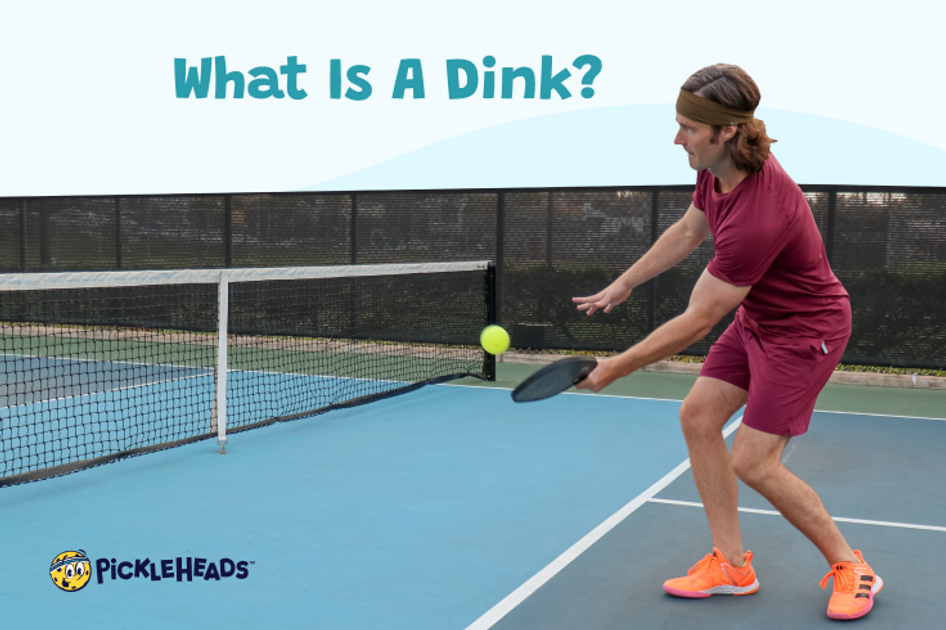
A dink in pickleball is a soft, controlled shot. It’s hit just over the net.
This shot requires precision and strategy. Pickleball is a fast-paced game, but dinking adds a layer of finesse. Unlike powerful smashes, a dink slows the game down. Players use it to outmaneuver opponents. The goal is to make the ball land softly in the opponent’s kitchen, the non-volley zone.
This forces opponents to hit upwards, giving you an advantage. Mastering the dink can be challenging, but it’s essential for advanced play. Knowing when and how to dink can change the dynamics of a match. In this post, we’ll explore the techniques and strategies behind this crucial shot. Let’s dive in and understand the art of the dink in pickleball.
Introduction To Dink Shots
Pickleball is a fun sport blending elements of tennis, badminton, and ping-pong. It has unique shots that make it exciting. One such shot is the dink. Understanding dink shots can elevate your pickleball game. Let’s dive into what a dink is and why it matters.
Definition Of A Dink
A dink in pickleball is a soft, controlled shot. It is usually hit from the kitchen or no-volley zone. The goal is to land the ball just over the net. This forces your opponent to hit upwards, making it hard to attack. Dinks are often used in slow, strategic play.
Importance In Pickleball
Dink shots are essential for several reasons. They help in controlling the pace of the game. By using dinks, players can reduce the speed and take control. This is crucial in competitive matches. Dinks also force opponents to move forward. This can create gaps and opportunities for winning shots. Mastering dinks can improve your pickleball skills significantly.
Credit: www.pickleheads.com
Basic Mechanics
Understanding the basic mechanics of a dink in pickleball is essential for beginners. The dink is a soft shot that lands in the opponent’s non-volley zone. It requires precision and control rather than power. Mastering the dink can give players a significant advantage in the game.
Grip And Stance
Start with a comfortable grip on the paddle. Use the continental grip, also known as the “hammer” grip. Hold the paddle as if shaking hands with it. This grip allows for better control and flexibility.
Stand with your feet shoulder-width apart. Bend your knees slightly. Keep your weight on the balls of your feet. This stance ensures balance and quick movements.
Swing Technique
For the dink, use a gentle and controlled swing. Keep your wrist firm and avoid flicking it. Swing from your shoulder, not your wrist. This helps in maintaining control over the shot.
Contact the ball softly and aim to make it land just over the net. Focus on placing the ball rather than hitting it hard. The goal is to keep the ball low and unattackable by your opponent.
Practice makes perfect. Spend time on the court practicing these mechanics. Consistency and control are key to mastering the dink shot.
When To Use A Dink
Using a dink in pickleball can be a game-changer. But knowing when to use it is crucial. A dink is a soft shot that lands in the opponent’s kitchen. It forces them to return with a delicate shot. This blog post will explore the best times to use a dink.
Ideal Game Situations
When the game is close, use a dink. It can disrupt your opponent’s rhythm. If you see your opponent near the baseline, a dink brings them forward. This can open up space for your next shot. During long rallies, a dink can be a surprise. It changes the pace and makes your opponent think.
Opponent Pressure
Use a dink when your opponent is off-balance. If they are running or stretching, a dink can catch them off guard. When your opponent is at the net, a dink can make them move back. This can give you control of the game.
When your opponent is aggressive, a dink slows things down. It forces them to play a softer shot. This can change the momentum in your favor. If your opponent is making errors, a dink can increase their frustration. This can lead to more mistakes and give you an advantage.
Dinking Strategies
Dinking is a crucial aspect of pickleball. It involves hitting the ball softly, causing it to land in the opponent’s non-volley zone. This strategy keeps your opponent on their toes and can set up a winning shot. Let’s explore different dinking strategies that can enhance your gameplay.
Cross-court Dinks
Cross-court dinks are hit diagonally across the court. This type of dink has several advantages:
- Longer distance: Gives you more time to get back into position.
- Less risk: More court space to work with, reducing the chance of the ball going out.
- Angles: Creates difficult angles for your opponent to return.
To execute a cross-court dink effectively:
- Use a soft touch on the paddle.
- Aim for the opponent’s backhand side.
- Keep the ball low to avoid easy volleys.
Straight Dinks
Straight dinks are hit directly across the net. This approach can be highly effective in the following ways:
- Direct control: Easier to control the direction and pace of the ball.
- Quick response: Forces quick reactions from your opponent.
- Positioning: Keeps your opponent moving and can create openings.
To master straight dinks:
- Maintain a steady hand on the paddle.
- Keep the ball low to avoid high returns.
- Watch your opponent’s position and aim for open spaces.
Mixing cross-court and straight dinks can keep your opponents guessing and off-balance. Practice these strategies to improve your pickleball game.
Common Mistakes
Playing pickleball involves mastering various techniques. One important skill is the dink. Understanding the common mistakes can help improve your game. Avoiding these errors will make you a better player.
Overhitting
Overhitting is a frequent mistake in pickleball. It happens when players hit the ball too hard. Dinks require a gentle touch. Striking the ball too forcefully can send it out of bounds. This gives your opponent an easy point.
To avoid overhitting, focus on your grip. Hold the paddle lightly. This helps control your strength. Practice hitting the ball softly. Consistency is key. Over time, you will develop a better feel for the dink.
Poor Positioning
Poor positioning can ruin a good dink. Many players stand too far from the net. This makes it difficult to control the ball. Being too close can also be a problem. It limits your reaction time. Finding the right spot is crucial.
To improve your positioning, stay alert. Watch your opponent’s movements. Adjust your position constantly. Try to stay a few feet from the net. This gives you the best chance to make a successful dink. Remember, good positioning sets you up for success.
Drills For Improvement
Improving your dink in pickleball requires consistent practice and dedication. To help you get better, we have outlined some effective drills. These drills focus on building consistency and accuracy. Practicing them regularly can enhance your game and boost your confidence on the court.
Consistency Drills
Consistency is key in pickleball. These drills will help you make steady progress:
- Wall Dinking: Stand a few feet away from a wall. Hit the ball against the wall, aiming for a specific spot. Try to keep the ball low and controlled.
- Partner Dinking: Pair up with a partner. Stand on opposite sides of the net. Dink the ball back and forth, maintaining a steady rhythm.
- Cross-Court Dinking: Practice hitting the ball diagonally across the court. Focus on keeping the ball in play.
Accuracy Drills
Accuracy is crucial for placing your shots effectively. These drills will help sharpen your aim:
- Target Practice: Place targets on the court. Aim to hit the ball onto these targets. This helps improve your precision.
- Line Dinking: Draw lines on the court. Try to dink the ball so it lands close to the lines. This will help you control your shots better.
- Obstacle Dinking: Set up obstacles on the court. Practice dinking the ball around these obstacles. This drill enhances your ability to place the ball accurately.
Advanced Dink Techniques
The dink is a vital shot in pickleball, requiring precision and strategy. Advanced players use various techniques to outmaneuver their opponents. Below, we will explore spin variations and deceptive dinks to elevate your game.
Spin Variations
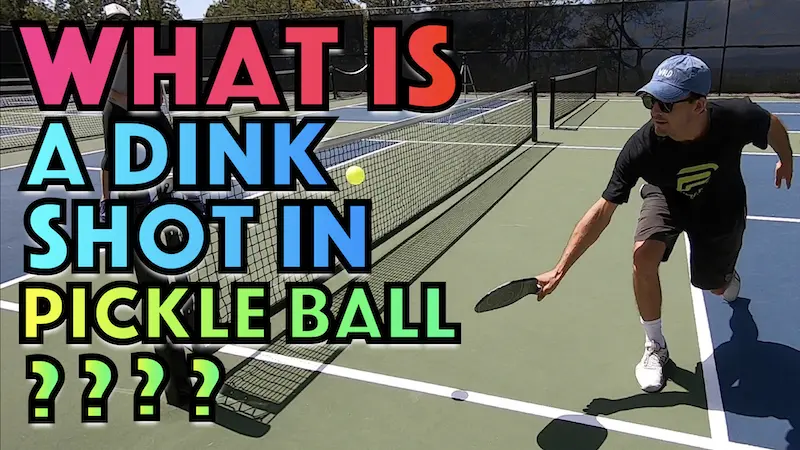
Adding spin to your dink can confuse your opponent. A topspin dink makes the ball dip quickly, making it hard to return. Brush up the back of the ball to create topspin.
Backspin dinks are also effective. They slow the ball, forcing your opponent to lift their shot. Slice under the ball to generate backspin.
Experiment with sidespin. It makes the ball curve left or right, adding another layer of difficulty. Use a brushing motion to the side of the ball to produce sidespin.
Deceptive Dinks
Deception can catch your opponent off guard. Pretend to hit a hard shot, then deliver a soft dink. This sudden change in pace disrupts their rhythm.
Use your body language to deceive. Fake a shot to one side, but dink to the other. This misdirection keeps your opponent guessing.
Vary your dink placement. Hit close to the net, then deeper into the court. This variation makes it hard for your opponent to predict your next move.
Credit: primetimepickleball.com
Mental Aspects
Understanding the mental aspects of a dink in pickleball is crucial. This skill requires more than just physical ability. It demands a strong mental game. Players must stay calm and think strategically. The mental side can often decide the match.
Patience And Focus
Patience is key during a dink exchange. Rushing can lead to mistakes. Staying calm helps in making better decisions. Players need to wait for the right moment. This requires mental discipline.
Focus is equally important. Keeping your attention on the ball and your opponent’s movements is crucial. Losing focus even for a second can cost you the point. Concentration helps you react quickly and accurately.
Reading Opponents
Reading your opponent’s moves is a mental skill. Anticipating their shots gives you an edge. Watch their body language. Look for patterns in their play. This helps in predicting their next move.
Understanding their strengths and weaknesses is also important. Target their weak spots. Force them into uncomfortable positions. This puts you in control of the rally.

Credit: thepickleballguru.com
Frequently Asked Questions
What Is A Dink In Pickleball?
A dink in pickleball is a soft, controlled shot. It is hit just over the net into the opponent’s non-volley zone.
Why Is The Dink Shot Important In Pickleball?
The dink shot is important because it forces your opponent to hit upwards. This creates opportunities for you to win the point.
How Do You Hit A Dink Shot?
To hit a dink shot, use a light, gentle touch. Aim to place the ball just over the net into the non-volley zone.
When Should You Use A Dink In Pickleball?
You should use a dink shot when you want to slow the game down. It can also force your opponent into making an error.
Conclusion
Understanding the dink in pickleball is essential for improving your game. It’s a soft shot that demands precision and control. Practicing this skill can enhance your strategy. It helps keep opponents on their toes. Remember, patience is key when perfecting your dink.
Focus on accuracy rather than power. This will help you gain an edge in matches. Keep practicing and you’ll notice improvement. Enjoy the game and have fun!