Do Volleyball Shoes Work for Pickleball? Essential Guide

Yes, volleyball shoes can work for pickleball in a pinch, offering decent grip and ankle support. However, dedicated pickleball shoes provide superior court-specific features for optimal performance and injury prevention.
Ever found yourself staring at your trusty volleyball shoes, wondering if they’ll do the trick on the pickleball court? It’s a common question, especially when you’re eager to play but don’t have the right gear handy. Volleyball courts and pickleball courts have different demands, and your shoes play a huge role in how well you move and stay safe. Don’t worry, we’ve got you covered! This guide will break down exactly how volleyball shoes stack up against pickleball needs, helping you make the best decision for your game.
Volleyball Shoes vs. Pickleball Shoes: What’s the Difference?
While both sports involve quick movements and require good footwear, there are key distinctions that make specialized shoes a better choice for each. Understanding these differences will help you appreciate why your volleyball shoes might or might not be the ideal pickleball companion.
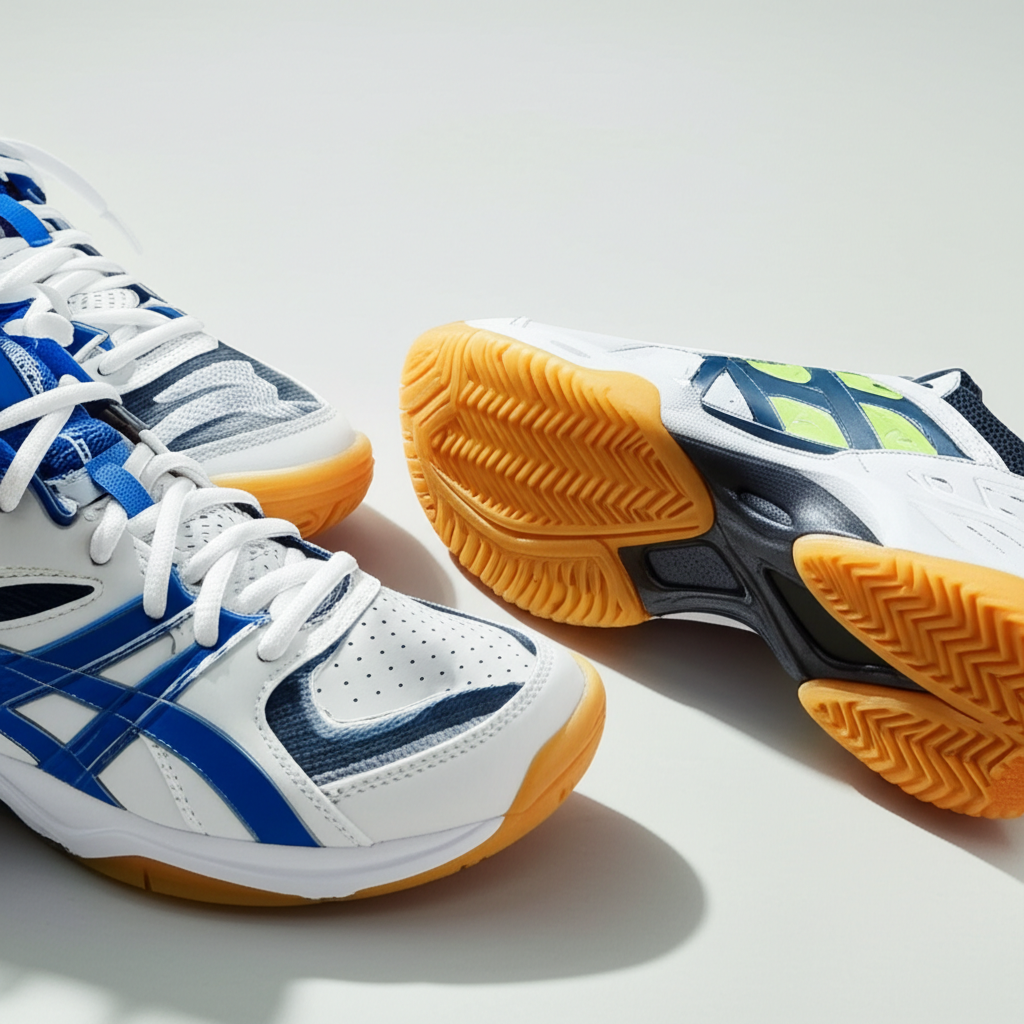
Key Features of Volleyball Shoes

Volleyball shoes are engineered with the sport’s specific demands in mind. Think explosive jumps, quick lateral movements, and controlled landings.
- Cushioning: Excellent shock absorption for frequent jumping and landing.
- Traction: Designed for indoor courts, offering grip for quick stops and starts.
- Ankle Support: Often feature mid-top designs to provide stability during vertical movements.
- Durability: Built to withstand the repetitive stress of jumping and diving.
- Breathability: Materials that keep feet cool during intense play.
Key Features of Pickleball Shoes
Pickleball, on the other hand, emphasizes quick, short bursts of movement, constant shuffling, and directional changes on a court that can sometimes be outdoors.
- Lateral Support: Crucial for side-to-side movements and preventing ankle rolls.
- Durability in High-Wear Areas: The toe and sides often have reinforced areas to handle constant shuffling.
- Non-Marking Soles: Essential for indoor courts to avoid leaving scuff marks.
- Court-Specific Tread: Designed for the unique surface of a pickleball court, which can be different from a polished gym floor.
- Lighter Weight: Often lighter than volleyball shoes to facilitate quicker footwork.
Can You Use Volleyball Shoes for Pickleball? The Pros and Cons
Let’s get straight to the point: can your volleyball shoes be your pickleball shoes? The answer is a nuanced yes, but with important considerations.
Pros of Using Volleyball Shoes for Pickleball:
- Ankle Support: The often higher cut and supportive structure of volleyball shoes can be beneficial for pickleball’s quick pivots and stops.
- Cushioning: The shock absorption built into volleyball shoes can protect your feet and joints from the impact of quick movements.
- Grip: Volleyball shoes typically have excellent traction on indoor courts, which is also a requirement for pickleball.
- Availability: If you already play volleyball, you likely have a pair readily available, saving you an immediate purchase.
Cons of Using Volleyball Shoes for Pickleball:
- Lateral Stability: While good, volleyball shoes might not offer the same level of reinforced lateral support needed for the constant shuffling and side-to-side movements in pickleball.
- Sole Durability: The soles of volleyball shoes might wear out faster on pickleball courts, especially if you play on outdoor courts or courts with rougher surfaces. The specific tread patterns are optimized for different types of court friction.
- Weight: Some volleyball shoes can be heavier than dedicated pickleball shoes, potentially hindering the quick footwork required in pickleball.
- Toe Drag: The toe areas of volleyball shoes might not be as reinforced against the dragging motion common in pickleball, leading to premature wear.
When Volleyball Shoes Might Be Okay (and When to Upgrade)
If you’re just starting out in pickleball and playing occasionally on an indoor court, your volleyball shoes can serve as a decent starting point. They’ll provide a good foundation of support and traction. However, as you play more frequently and your game progresses, you’ll likely notice the limitations.
Consider upgrading to dedicated pickleball shoes if:
- You’re playing pickleball several times a week.
- You’re noticing your feet or ankles feel less stable during play.
- You’re playing on a variety of surfaces, including outdoor courts.
- You want to maximize your agility and quickness on the court.
Essential Features of a Good Pickleball Shoe
Choosing the right pickleball shoe is crucial for performance and injury prevention. Here’s what to look for:
| Feature | Why It’s Important for Pickleball | Volleyball Shoe Comparison |
|---|---|---|
| Lateral Support | Prevents ankle rolls during quick side-to-side movements and sudden stops. | Good, but often less reinforced than pickleball-specific shoes. |
| Durability (Toe & Sides) | Withstands constant shuffling and toe drag, common in pickleball. | May wear out faster in high-abrasion areas. |
| Non-Marking Sole | Protects indoor court surfaces from scuff marks. | Most indoor volleyball shoes are non-marking. |
| Appropriate Tread Pattern | Optimized for the grip and slide characteristics of pickleball courts. | Designed for polished gym floors, may offer different friction. |
| Cushioning | Absorbs shock from quick movements and landings. | Generally excellent, a strong point for volleyball shoes. |
| Breathability | Keeps feet cool and comfortable during play. | Usually very good, similar to pickleball shoes. |
| Weight | Facilitates quick footwork and agility. | Can sometimes be slightly heavier. |
Top Pickleball Shoe Brands and What to Look For
Several brands excel in producing high-quality pickleball shoes, each with unique strengths. When choosing, consider your foot type, playing style, and court surface.
Popular Pickleball Shoe Brands:
- Skechers: Known for comfort and excellent cushioning.
- ASICS: Offers great support and durability, often favored by athletes.
- New Balance: Provides a good balance of stability, cushioning, and durability.
- Fila: Offers stylish options with good court feel and traction.
- K-Swiss: A long-standing brand in court shoes, known for stability and durability.
What to Consider When Buying:
- Fit: Ensure the shoe is snug but not too tight. There should be about a thumb’s width of space between your longest toe and the end of the shoe.
- Arch Support: If you have high arches or flat feet, look for shoes that offer appropriate support or consider using custom insoles.
- Court Surface: If you primarily play indoors, non-marking soles are essential. For outdoor courts, look for more durable outsoles that can handle abrasive surfaces.
- Ankle Support: While most pickleball shoes are low-cut, some offer a bit more ankle collar padding for added comfort and a secure feel.
- Reviews: Read reviews from other pickleball players to get insights into how the shoes perform in real-game situations.
Tips for Using Volleyball Shoes for Pickleball (If You Must!)
If you’re in a bind and need to use your volleyball shoes for pickleball, here are some tips to maximize their effectiveness and minimize risks:
- Focus on Indoor Play: Volleyball shoes are best suited for indoor, polished courts. Avoid using them on abrasive outdoor surfaces, as this will significantly increase wear and tear.
- Be Mindful of Lateral Movements: Since volleyball shoes may not have the same reinforced lateral support, be extra cautious during sharp side-to-side movements. Avoid extreme cuts if possible, especially when you’re starting out.
- Check Your Tread: Ensure the tread on your volleyball shoes is clean and in good condition. Debris can reduce grip.
- Break Them In: If they are new, wear them around the house or for short periods before a full game to get used to the feel and prevent blisters.
- Listen to Your Body: Pay attention to any discomfort or instability. If your feet or ankles feel strained, it’s a clear sign it’s time for a dedicated pair.
How to Transition to Pickleball-Specific Footwear
Making the switch to pickleball shoes is a smart move for serious players. Here’s how to make the transition smoothly:
When to Make the Switch:
- When your volleyball shoes start showing significant wear in key areas (sole, toe).
- When you begin to feel less stable or experience foot fatigue during longer pickleball sessions.
- When you start playing pickleball more regularly than volleyball.
- When you notice your movement speed or agility is being limited by your current footwear.
The Buying Process:
- Research: Look up reputable pickleball shoe brands and read reviews specific to pickleball performance. Websites like the USA Pickleball Association often have gear guides or recommendations.
- Try Them On: If possible, visit a sporting goods store and try on different models. Walk around, do a few quick side-steps, and see how they feel.
- Consider Your Foot Type: Are your feet wide or narrow? Do you need extra arch support? Some brands cater better to specific foot shapes.
- Budget: Pickleball shoes can range in price. Set a budget and look for the best value within that range. Often, you can find great deals on last year’s models.
Protecting Your Feet and Joints: The Importance of Proper Footwear
Your feet are your foundation on the court. Investing in the right footwear isn’t just about performance; it’s about protecting your body from injury. Repetitive stress, sudden stops, and quick changes in direction can take a toll.
According to sports science principles, proper footwear provides:
- Shock Absorption: Reduces impact on joints like ankles, knees, and hips.
- Stability: Prevents excessive pronation or supination, reducing the risk of sprains.
- Traction: Ensures you can move confidently without slipping, which can lead to falls or muscle strains.
- Support: Distributes pressure evenly across the foot, preventing blisters and foot pain.
A study published in the Journal of Sports Science and Medicine highlights the importance of footwear in injury prevention for court sports. While this specific study might focus on other sports, the principles of shock absorption, stability, and traction are universally applicable to sports involving dynamic movements like pickleball.
Frequently Asked Questions (FAQ)
Q1: Can I wear my basketball shoes for pickleball?
Basketball shoes offer excellent ankle support and cushioning, which can be beneficial. However, they are often heavier and designed for vertical jumping more than the lateral movements common in pickleball. Their tread might also be less ideal for court grip. While better than running shoes, dedicated pickleball shoes are still preferred.
Q2: Are there any specific pickleball shoes that are good for beginners?
Yes! For beginners, look for shoes that offer a good balance of cushioning, stability, and durability. Brands like Skechers, ASICS, and New Balance often have models that are forgiving for new players, providing comfort and reliable performance without being overly specialized or expensive. The ASICS Gel-Resolution series or Skechers Viper Court are often recommended.
Q3: How often should I replace my pickleball shoes?
This depends on how often you play, your playing style, and the court surface. Generally, if you play 2-3 times a week, you might need to replace your shoes every 6-12 months. Signs you need new shoes include worn-out tread, loss of cushioning, or a feeling of instability. If you play more intensely or on rougher courts, you might need to replace them sooner.
Q4: What’s the difference between indoor and outdoor pickleball shoes?
Indoor pickleball shoes typically have softer, non-marking rubber soles designed for polished gymnasium floors, offering excellent grip and preventing scuff marks. Outdoor pickleball shoes often have more durable rubber outsoles with deeper treads to withstand the abrasive nature of outdoor courts and provide better traction on various surfaces like concrete or asphalt.
Q5: Should I wear socks with my pickleball shoes?
Absolutely! Wearing moisture-wicking socks is highly recommended. They help prevent blisters by reducing friction between your feet and the shoes, manage sweat to keep your feet dry, and add an extra layer of cushioning and comfort. Opt for socks made from synthetic blends or merino wool rather than cotton.
Q6: My volleyball shoes feel a bit heavy for pickleball. What should I do?
If your volleyball shoes feel heavy, it’s a strong indicator that dedicated pickleball shoes would be a significant upgrade. Pickleball shoes are often designed to be lighter to facilitate the quick, agile footwork required. When looking for new shoes, prioritize lightweight models that still offer good support and cushioning. Trying on different brands and models in a store can help you find the perfect balance.
Whether you’re a seasoned volleyball player making a foray into pickleball or just curious about your footwear options, understanding the nuances between shoe types is key. While your volleyball shoes can be a temporary solution, investing in a pair of dedicated pickleball shoes will undoubtedly elevate your game, enhance your comfort, and most importantly, help keep you injury-free on the court. Happy playing!