Did Volleyball Rules Change? Essential Updates

Yes, volleyball rules do evolve, but the core gameplay remains familiar. Recent significant changes, like modifications to the libero’s role and point-scoring systems, aim to enhance speed and excitement. This guide breaks down the latest essential updates for players of all levels.
Ever step onto the court and wonder if a rule you learned last season is still the same? It’s a common feeling in volleyball! The sport is dynamic, and sometimes, adjustments are made to keep the game fresh and fair. Understanding these updates is key to playing your best, whether you’re just starting or have been spiking for years.
Don’t worry if you’re feeling a little out of the loop. We’ve got you covered. This article will walk you through the most important rule changes and what they mean for your game. We’ll break down complex updates into easy-to-understand points so you can feel confident on the court. Ready to get up to speed?
Did Volleyball Rules Change? Essential Updates You Need to Know
Volleyball, beloved for its fast pace and team strategy, isn’t a sport that undergoes radical overhauls frequently. However, like any evolving athletic discipline, it sees periodic rule adjustments aimed at improving playability, fairness, and spectator engagement. These changes often stem from extensive analysis of gameplay by governing bodies like the Fédération Internationale de Volleyball (FIVB) and national organizations such as USA Volleyball.
For players, staying informed about these nuances is crucial. It impacts everything from your serving strategy to how you interact with the libero. Let’s dive into some of the key areas where rules have seen recent attention and explore what these mean for you on the court.
The Libero: A Position of Evolving Strategy
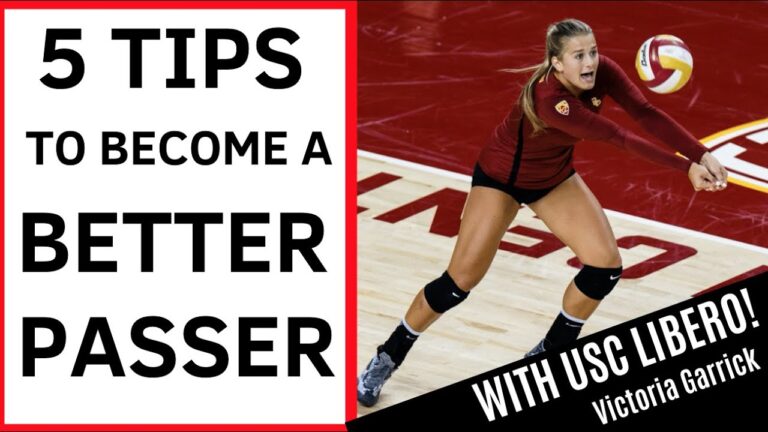
The libero is a defensive specialist, easily recognizable by their contrasting jersey color. Their role has seen some of the most significant rule adjustments over the years, aiming to balance their defensive prowess with the offensive nature of the game.
Key Libero Rule Updates and Their Impact:
- Libero as Setter: Historically, the libero could not set the ball in front of the attack line for an attacker to hit above the net. Current rules generally allow the libero to set the ball from anywhere on the court, but if they set the ball with an overhand finger pass in front of the attack line, the attacker cannot hit the ball above the net. This change encourages more dynamic back-row attacks and creative plays. It’s crucial to practice this specific type of set and understand the attack line limitations.
- Libero as Server: In many variations of the game (especially at younger or recreational levels), the libero is not allowed to serve. However, in some higher-level competitions and specific rule sets, the libero is allowed to serve, but only in one specific rotation position. This adds another layer of strategic substitution and rotation management. Always confirm the serving rules for your league or competition.
- Multiple Liberos: The introduction of allowing a team to have two liberos on the court simultaneously has been a major shift. This means a team can have a libero who specializes in back-row defense and another who might be better at passing or even serving. This allows for greater defensive coverage and more strategic substitutions throughout the match.
Understanding these libero roles is vital. It affects how you set up your offense and defense, and how you anticipate the opponent’s moves.
Scoring and Game Structure: Keeping the Pace
The way points are scored and how games are structured can also see subtle but important changes designed to speed up play and maintain excitement.
- Rally Scoring: This is now standard across most levels of volleyball. Unlike the old side-out scoring (where only the serving team could score), rally scoring means a point is awarded on every rally, regardless of who served. This significantly speeds up the game and makes every play critical.
- Set Lengths and Deciding Sets: While best-of-five sets are common in professional and collegiate play, with sets typically played to 25 points (win by two) and a deciding fifth set to 15 (win by two), some leagues might adjust these. Always check the specific scoring format for your competition. The “win by two” rule is a constant, ensuring a clear victor.
The rally scoring system is a fundamental change that makes every serve, pass, and hit matter. It’s a more dynamic and engaging way to play.
Other Notable Rule Adjustments and Considerations
Beyond the libero and scoring, other aspects of the game can be refined:
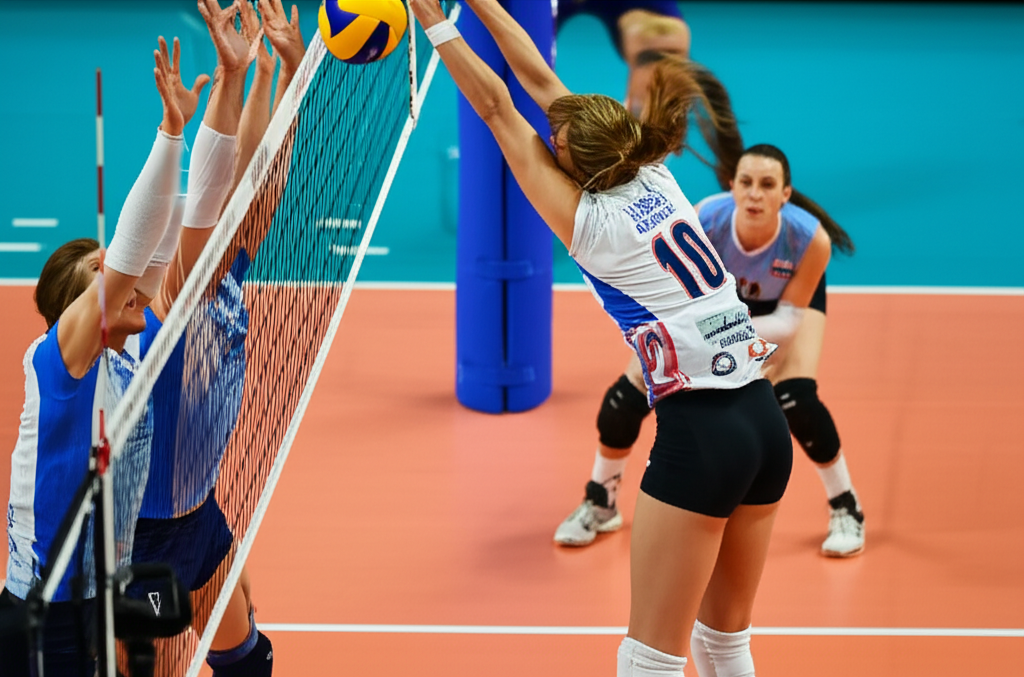
- Net Touches: While touching the net is generally a fault, the interpretation can sometimes be refined, especially regarding incidental contact that doesn’t affect play. However, the core rule remains: don’t interfere with the opponent’s play by touching the net. Always err on the side of caution.
- Ball Handling (Setting): Rules around “lifting” or “carrying” the ball during a set have been clarified over time to ensure a cleaner play. The ball should have a clean release. Double contacts on a set are usually allowed if they are part of one continuous action, but a prolonged lift or double touch that significantly affects the ball’s trajectory is a fault. This requires good hand-setting technique.
- Player Substitutions: The number of allowed substitutions per set and the procedure for making them are usually well-defined. Understanding these limits prevents unnecessary penalties.
- Video Challenge Systems: In professional and high-level play, video challenge systems allow coaches to review certain calls. While this doesn’t change the fundamental rules, it impacts the flow and fairness of the game by allowing for corrections of officiating errors.
These smaller adjustments contribute to the overall integrity and flow of the game. Mastering clean ball handling is a skill that benefits every player.
Understanding Your Role: Common Volleyball Positions
Knowing the rules is one thing, but understanding how they apply to different positions on the court is another. Each position has unique responsibilities and interactions with the rules.
| Position | Primary Role | Key Responsibilities | Interaction with Rules |
|---|---|---|---|
| Setter | Orchestrator of the offense | Distribute the second ball, make strategic decisions, block and defend | Must adhere to ball-handling rules strictly. May be limited in attacking if they set the ball above the net from front court. |
| Outside Hitter / Left Side Hitter | Primary attacker | Hit from the left front position, block, defend | Must be aware of the attack line when hitting from the back row. |
| Opposite Hitter / Right Side Hitter | Attacker and blocker | Hit from the right front position, block, defend | Often involved in defensive plays and must be aware of rotation. |
| Middle Blocker / Middle Hitter | Primary blocker and quick attacker | Block opposing hitters, attack quickly in the middle | Often plays at the net and must be aware of net touch rules. Can attack from the back row but must jump from behind the attack line. |
| Libero | Defensive specialist | Pass, dig, set (with restrictions) | Cannot attack the ball above the net if set by hand in front of the attack line. Cannot block or attempt to block. Can only play in the back row. |
| Defensive Specialist (DS) | Specializes in back-row play | Pass, dig, play defense | Similar to libero but may not have the same jersey restriction or substitution rules. |
Understanding these positions helps you appreciate the teamwork and strategic placement dictated by the rules.
Training Tips to Master the New Rules
Adapting to rule changes is part of becoming a better player. Here are some focused training tips:
- Libero Set Drills: Practice setting the ball with an overhand pass from various court positions, paying close attention to the attack line. Have a teammate practice attacking from different spots to simulate game scenarios.
- Rotation and Substitution Practice: Run through full rotations, focusing on correct player placement and understanding when substitutions (including libero replacements) are legal and strategic.
- Ball Handling Consistency: Dedicate time to purely ball-handling drills – passing, setting, and digging. Focus on clean touches and quick releases to minimize double contacts and lifts.
- Game Simulation with Rule Emphasis: Play practice games where you specifically focus on one or two rule nuances. For example, play a game where you emphasize proper libero play or correct back-row attacking.
- Video Analysis: Watch professional or collegiate matches and actively look for how players and liberos execute plays according to the current rules.
Consistent practice, especially with specific rule applications in mind, will make these changes feel natural.
Essential Gear for Every Player
While rules change, your gear remains a constant factor in performance and safety. Having the right equipment can make a significant difference.
Footwear: The Foundation of Your Game
Volleyball-specific shoes are designed for the unique movements of the sport: quick lateral movements, explosive jumps, and sudden stops. They offer better grip, ankle support, and cushioning than general athletic shoes.
| Shoe Type | Key Features | Best For | Considerations |
|---|---|---|---|
| Indoor Volleyball Shoes | Excellent grip (non-marking soles), lightweight, good ankle support, cushioning for jumps | Most indoor play, all positions | Designed for hard courts; not ideal for outdoor play. |
| Outdoor/Beach Volleyball Shoes | More durable construction, better traction on sand or grass, often more breathable | Beach volleyball, outdoor courts | May offer less cushioning than indoor shoes. |
| Cross-Training Shoes | Versatile, offer moderate support and grip | Beginners, casual play, or if budget is a concern | Not as specialized; may compromise performance or increase injury risk for intense play. |
Investing in good indoor volleyball shoes is one of the best decisions you can make for your game and your body.
Apparel and Accessories
- Jersey: Must be clearly distinct for each player, especially the libero.
- Socks: Comfortable, moisture-wicking socks are essential to prevent blisters.
- Knee Pads: Crucial for protecting your knees during dives and low defensive plays. Look for ones with good cushioning and a comfortable fit.
- Ankle Braces (Optional): If you have a history of ankle injuries, consider supportive braces.
- Water Bottle: Staying hydrated is paramount for performance and recovery.
Your gear should support your play, not hinder it. Prioritize comfort, safety, and functionality.
Staying Up-to-Date with Volleyball Rules
The best way to stay current is to follow the official sources:
- FIVB (Fédération Internationale de Volleyball): The international governing body for volleyball. Their website often features rule updates and interpretations. Visit FIVB.
- USA Volleyball (USAV): The national governing body for volleyball in the United States. They provide rulebooks and updates relevant to domestic play. Visit USA Volleyball.
- Your League or Governing Body: Always check the specific rules for the league, school, or organization you play with, as there can be variations.
By regularly checking these resources and practicing with the latest rules in mind, you’ll be a more informed and effective player.
Frequently Asked Questions (FAQ)
Q1: What is the most significant recent change in volleyball rules?
The most impactful recent changes have generally revolved around the libero position, including allowing multiple liberos on the court, and clarifications on their setting abilities. Rally scoring, which has been standard for some time, is also a fundamental rule that significantly changed game pace.
Q2: Can the libero attack the ball?
Generally, no. The libero cannot complete an attack hit if, at the moment of the hit, the ball is entirely above the top of the net and the libero played the ball with an overhand finger pass from the front zone (in front of the attack line). They can attack if the ball is set by another player, or if they set it themselves outside the attack line, or if they attack with a different type of hit (like a forearm pass) from anywhere on the court.
Q3: How many times can a team hit the ball per side?
A team is allowed a maximum of three touches to return the ball over the net. A block contact does not count as one of the three touches. A single player cannot hit the ball twice consecutively.
Q4: What is considered a fault in volleyball?
Common faults include: hitting the ball out of bounds, touching the net while playing the ball, double contact (hitting the ball twice in a row by the same player), carrying or lifting the ball, foot faults on serves, and illegal attacks or blocks (like a back-row player attacking from the front zone).
Q5: Are there different rules for indoor vs. beach volleyball?
Yes, there are differences. Beach volleyball is typically played with two players per side, only two touches are allowed, and there are specific rules about ball handling and setting that differ from indoor volleyball. The court size is also smaller for beach volleyball.
Q6: What’s the best way to serve for beginners?
For beginners, the underhand serve is often the easiest and most consistent. Focus on a smooth motion, stepping with your opposite foot, and making contact with the heel of your hand or a flat palm. Aim for a spot on the court, not just over the net. As you improve, you can transition to a standing float serve.
Q7: How do I know my volleyball position?
Your position often depends on your strengths. If you have good court awareness and can make quick decisions, you might be a setter. If you’re a strong jumper and hitter, an outside or opposite hitter. If you excel at blocking and quick attacks, a middle blocker. Defensive specialists are great at digging and passing. Many players can play multiple positions, especially at the recreational level.
Whether you’re a seasoned player or just stepping onto the court for the first time, understanding the rules is key to enjoying and excelling at volleyball. The sport continues to evolve, and staying informed about the latest updates will give you a competitive edge and a deeper appreciation for the game. Keep practicing, stay positive, and enjoy every rally!