Did Volleyball Start as Women’s Sport? Proven Origins

Volleyball did not start as a women’s sport. While it gained popularity quickly among women, its origins trace back to William G. Morgan in 1895 as a less strenuous alternative to basketball, intended for all ages and genders.
Ever wondered about the roots of this exciting sport? Many people ask if volleyball began as a game just for women. It’s a common question, and the answer might surprise you!
Volleyball has a fascinating history, and understanding its beginnings can give you a deeper appreciation for the game. We’ll dive into the true origins and see how it grew to be the global phenomenon it is today. Get ready to learn all about how volleyball started and why it became so beloved by everyone!
The Birth of Volleyball: A Quest for a Gentler Game
Volleyball’s story begins not with a grand stadium or a cheering crowd, but in a quiet gymnasium in Holyoke, Massachusetts. The year was 1895, and a physical education director named William G. Morgan was looking for a new game. He worked for the Young Men’s Christian Association (YMCA), and his goal was to create a sport that was less physically demanding than basketball, which was rapidly gaining popularity.
Morgan wanted a game that his older YMCA members could enjoy. He envisioned a sport that would combine elements of basketball, baseball, tennis, and handball. The key was to have a game that was easy to learn, could be played by many people at once, and didn’t involve the rough physical contact of basketball. He needed something that emphasized skill and strategy over brute force.
William G. Morgan: The Inventor

William G. Morgan was born in 1870 and was a graduate of the YMCA Training School (now Springfield College) in Springfield, Massachusetts. He was a contemporary of James Naismith, the inventor of basketball. Morgan was inspired by Naismith’s invention but saw a need for a different kind of physical activity.
He described his creation as “Mintonette,” a name that reflected its softer, less aggressive nature. The game involved a net, much like tennis, and players would bat a ball back and forth over it. The goal was to keep the ball in play for as long as possible.
The Evolution of “Mintonette” to Volleyball
Morgan’s new game, “Mintonette,” was first introduced to his YMCA colleagues. They were intrigued by its unique blend of athleticism and accessibility. However, it was during a demonstration of the game that its new name emerged.
In 1896, Professor Alfred T. Halstead, president of the American Volleyball Association (AVA), observed a game and noticed how the players volleyed the ball back and forth. He suggested that the name “Mintonette” be changed to “Volleyball,” as it better described the action of the game. Morgan agreed, and the name stuck.
Key Early Developments
- The First Rules: Morgan drafted the initial 10 rules for Volleyball. These rules were published in the first edition of the “Official Handbook of the Athletic League of the Young Men’s Christian Associations.”
- The Net Height: Initially, the net was 6 feet 6 inches high, about the average height of a man. This was later standardized to the current height.
- The Ball: The first balls used were not specifically designed for the game and varied in size and weight.
- The Number of Players: There were no strict limits on the number of players per side, allowing for large groups to participate.
Did Women Play Volleyball from the Start?
This is where the common misconception might arise. While William G. Morgan invented volleyball as a game for all, the YMCA was a prominent institution for both men and women’s physical education and recreation. Therefore, women were involved in the sport from its very early days.
In fact, the YMCA’s emphasis on physical fitness for everyone meant that women were among the first to embrace and play volleyball. It was a sport that didn’t require significant strength or aggressive physical contact, making it an ideal activity for mixed-gender groups and for women seeking a competitive yet accessible pastime.
Early Adoption by Women
As volleyball spread through YMCA networks across the United States and internationally, it quickly found favor with women. Its adaptable nature meant it could be played indoors or outdoors, with varying numbers of players, and with a focus on teamwork and strategy.
By the early 20th century, volleyball was a popular recreational sport in schools, colleges, and community centers. Women’s leagues and tournaments began to emerge, showcasing the sport’s appeal and competitive spirit among female athletes.
The Global Spread and Popularity
From its humble beginnings, volleyball embarked on a remarkable journey of global expansion. The YMCA played a crucial role in its dissemination, with missionaries and YMCA staff introducing the game to new countries.
The sport’s simplicity and adaptability made it easy to adopt in diverse cultural settings. It wasn’t long before volleyball became a beloved pastime in Asia, Europe, and beyond.
Key Milestones in Global Growth
- 1910s: Volleyball reached Asia, with early adoption in the Philippines and China.
- 1910s-1920s: The game spread through Europe, particularly in countries with strong YMCA movements.
- 1940s: The first World Championships were held, marking a significant step towards professionalizing the sport.
- 1947: The Fédération Internationale de Volleyball (FIVB) was founded in Paris, France. This international governing body was crucial for standardizing rules and organizing global competitions.
- 1964: Volleyball made its Olympic debut at the Tokyo Games, solidifying its status as a major international sport. Beach volleyball was added to the Olympic program in 1996.
Volleyball’s Appeal: Why it Resonates with Everyone
Volleyball’s enduring popularity isn’t accidental. It possesses a unique combination of characteristics that make it appealing to a vast audience, regardless of gender or athletic background.
Accessibility and Inclusivity
One of volleyball’s greatest strengths is its low barrier to entry. You don’t need specialized equipment to start playing; a ball and a makeshift net are often enough. This accessibility has allowed it to flourish in schools, parks, and community gatherings worldwide.
The game inherently promotes teamwork and communication. Players must rely on each other to keep the ball in play and score points, fostering a strong sense of camaraderie. This emphasis on collective effort, rather than individual dominance, makes it a highly inclusive sport.
Strategic Depth and Skill Development
While easy to learn, volleyball offers immense strategic depth. Mastering serves, passes, sets, and spikes requires dedication and practice. The constant need for quick thinking, precise execution, and adaptation to opponents’ plays keeps players engaged and challenged.
From a beginner’s perspective, focusing on fundamental skills like passing and serving is key. As players advance, they can explore more complex strategies, such as offensive plays, defensive formations, and specialized roles.
Common Misconceptions Debunked
Let’s revisit that initial question: Did volleyball start as a women’s sport? The evidence clearly shows that William G. Morgan invented it as a sport for all. However, the perception that it might have originated as a women’s sport likely stems from:
- Early Popularity among Women: As mentioned, women found the game very appealing due to its less physical nature compared to other sports available at the time.
- Cultural Associations: In some cultures, sports that emphasize grace, agility, and teamwork might have been more readily associated with women.
- Media Portrayal: Historically, media coverage of sports sometimes focused more on women’s participation in certain activities, potentially leading to skewed perceptions.
It’s important to recognize that while women embraced volleyball enthusiastically and contributed significantly to its growth, it was never intended to be exclusive to them. The sport’s design was inherently inclusive.
Volleyball Positions: A Closer Look
Understanding the different roles on a volleyball court is crucial for any player. Each position requires a unique set of skills and responsibilities. Here’s a breakdown of the primary positions:
| Position | Primary Responsibilities | Key Skills |
|---|---|---|
| Setter | Directs the offense, makes the second contact to set up attackers. | Precise passing, ball control, court vision, strategic decision-making. |
| Outside Hitter (Left Side) | Attacks from the left front position, often a primary scorer. | Powerful hitting, good jumping ability, passing, blocking. |
| Opposite Hitter (Right Side) | Attacks from the right front position, often plays defense when out of rotation. | Hitting, blocking, serving, setting in back-row situations. |
| Middle Blocker | Plays at the net, responsible for blocking opponent attacks and attacking quickly. | Quick blocking, powerful attacking, good jumping, defensive plays. |
| Libero | Defensive specialist, wears a different color jersey, cannot attack above the net or serve in most leagues. | Exceptional passing, digging, defensive positioning, quick reactions. |
For beginners, understanding these roles can help identify which skills they might want to develop or which position might suit their natural abilities best. Many players start by focusing on passing and serving, then gradually develop skills for other positions.
Beginner Drills to Improve Your Game
Ready to hit the court and improve? Here are some fundamental drills that will help you build a strong foundation in volleyball:
- Pepper (Passing Drill):
- Two players stand facing each other about 10-15 feet apart.
- The goal is to keep the ball in play using only forearm passes (bumps).
- Focus on soft hands, keeping your platform stable, and directing the ball accurately to your partner’s platform.
- Increase the distance or introduce one-handed passes as you get more comfortable.
- Wall Passing:
- Stand about 3-5 feet from a wall.
- Practice passing the ball against the wall, focusing on controlled, consistent bumps.
- Aim to keep the ball at chest height and receive it cleanly.
- This drill is excellent for developing consistent platform control and reaction time.
- Serving Practice:
- Start with underhand serves, focusing on making solid contact with the ball and sending it over the net.
- Once comfortable, transition to overhand float serves. Focus on hitting the ball with an open hand and minimal spin.
- Practice aiming for specific zones on the court (e.g., deep corners, middle).
- Basic Setting:
- Find a partner or use a wall.
- Practice setting the ball with your fingertips, creating a soft, upward trajectory.
- Focus on keeping your hands above your forehead, forming a “window” with your thumbs and index fingers.
- Aim for accuracy and a consistent set height.
Gear Up for Success: Essential Volleyball Equipment
While volleyball can be played with minimal equipment, having the right gear can significantly enhance your performance and comfort on the court.
Footwear: The Foundation of Your Game
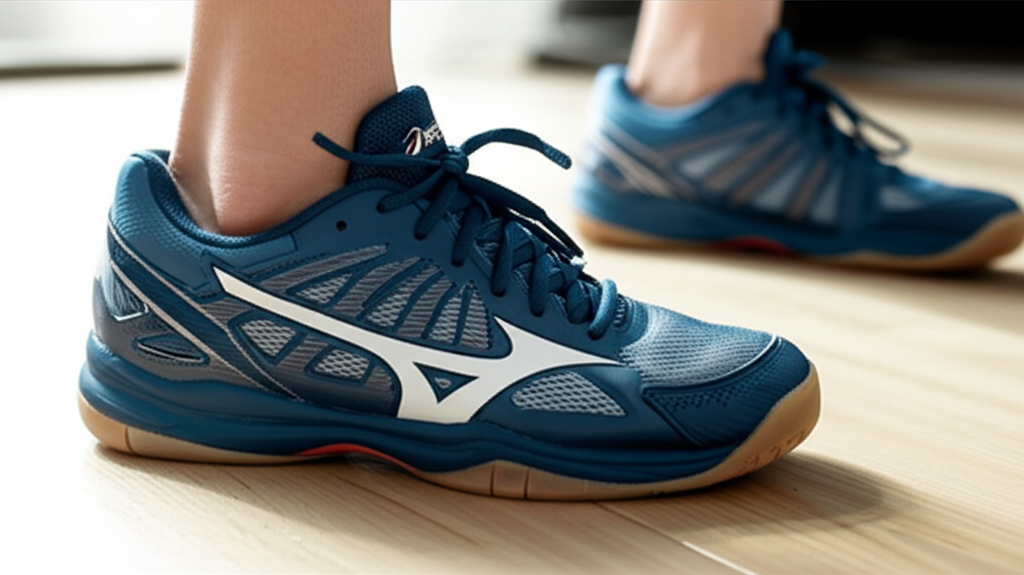
Your shoes are arguably the most important piece of equipment. Volleyball shoes are designed for the sport’s specific movements: quick lateral changes, explosive jumps, and sudden stops.
| Shoe Type | Key Features | Best For |
|---|---|---|
| Indoor Volleyball Shoes | Excellent grip, cushioning for impact, ankle support, lightweight design for agility. | Indoor court play, all positions. |
| Cross-Trainers/Running Shoes | More general cushioning, less lateral support. | Very casual play, not recommended for competitive indoor play. |
Look for shoes with non-marking soles, good arch support, and sufficient cushioning to absorb the impact of jumping.
Apparel: Comfort and Freedom of Movement
Choose athletic wear that allows for a full range of motion. Moisture-wicking fabrics are ideal for keeping you cool and dry during intense play.
- Jerseys/T-shirts: Breathable and comfortable.
- Shorts: Lightweight and allowing for leg movement.
- Socks: Good athletic socks can prevent blisters and provide extra cushioning.
Optional Gear
- Knee Pads: Essential for players who spend a lot of time on the floor (e.g., Liberos, defensive specialists) to protect against impacts.
- Ankle Braces: For players prone to ankle injuries, providing extra support.
- Wristbands: To absorb sweat and keep hands dry for better ball control.
For the most up-to-date information on rules and equipment standards, you can always refer to organizations like USA Volleyball or the Fédération Internationale de Volleyball (FIVB).
Frequently Asked Questions (FAQ)
Here are some common questions beginners have about volleyball:
Q1: What’s the best way to serve for beginners?
A: For beginners, the underhand serve is the easiest to learn and control. Stand facing the net, hold the ball in your non-dominant hand, and swing your dominant arm in an underhand motion to hit the ball. Focus on making solid contact and sending the ball towards the intended area. Once you’re comfortable, you can progress to the overhand float serve, which involves hitting the ball with an open hand and minimal spin for a more unpredictable trajectory.
Q2: How do I know my volleyball position?
A: Your best position depends on your strengths and preferences. If you’re good at passing and digging, you might enjoy being a Libero or a back-row player. If you have strong jumping ability and can hit hard, you might be an Outside Hitter or Middle Blocker. Setters need excellent ball control and court vision. Many beginners start by focusing on fundamental skills like passing and serving, and as they play more, they’ll naturally discover which roles they excel at and enjoy most.
Q3: What shoes should I wear for indoor volleyball?
A: For indoor volleyball, it’s highly recommended to wear specialized indoor volleyball shoes. These shoes offer superior grip on indoor courts, excellent cushioning to absorb impact from jumping, and good lateral support for quick movements. They are typically lightweight and designed to prevent ankle injuries. Avoid running shoes or general trainers, as they lack the necessary support and traction for the sport’s dynamic nature.
Q4: How many players are on a volleyball team?
A: In a standard indoor volleyball game, there are six players on each side of the court at any given time. Teams typically have additional players on the bench who can substitute in during the game. Beach volleyball, on the other hand, is played with two players per team.
Q5: What is a “bump, set, spike”?
A: This refers to the fundamental sequence of plays in volleyball:
- Bump (Pass): The first contact, usually an underhand pass using the forearms, to get the ball to the setter.
- Set: The second contact, typically an overhand pass with fingertips, to position the ball for an attacker.
- Spike (Attack): The third contact, a powerful hit over the net, aiming to score a point.
This sequence is the backbone of offensive strategy in volleyball.
Q6: Can I play volleyball if I’m not very tall?
A: Absolutely! While height can be an advantage, especially for front-row players and blockers, volleyball is a sport where skill, agility, and strategy play equally important roles. Players who are not as tall often excel as setters, liberos, or defensive specialists, focusing on quickness, precise passing, and smart court coverage. Many successful players of all heights demonstrate that dedication and skill development are key.
Q7: How can I improve my jumping for volleyball?
A: Improving your vertical jump involves a combination of strength training, plyometrics, and proper technique. Exercises like squats, lunges, and calf raises build leg strength. Plyometric exercises, such as jump squats, box jumps, and depth jumps, train your muscles to produce explosive power. Practicing proper jumping technique, using your arm swing to generate momentum, is also crucial