Volleyball vs Basketball Shoes: Essential Differences

Volleyball shoes are designed for lateral movement, grip, and ankle support crucial for quick jumps and stops, while basketball shoes prioritize cushioning, impact absorption, and stability for vertical jumping and running. Choosing the right pair significantly impacts your performance and injury prevention.
Stepping onto the volleyball court often brings up a common question: “Can I just wear my basketball shoes?” It’s a fair thought! Both sports involve a lot of jumping and quick movements. However, volleyball has unique demands that make specialized footwear a game-changer. Wearing the wrong shoes can lead to less-than-ideal performance and, more importantly, increase your risk of injury. Don’t worry, though! We’re here to break down exactly why volleyball shoes are different from basketball shoes and help you make the best choice for your game.
Volleyball vs Basketball Shoes: The Essential Differences You Need to Know
When you’re diving for a ball, jumping for a spike, or making a quick defensive shuffle, your shoes are your foundation. While both volleyball and basketball are athletic endeavors that require agility and power, the specific movements and forces involved are quite distinct. This leads to significant differences in shoe design and functionality.
Understanding the Demands of Each Sport
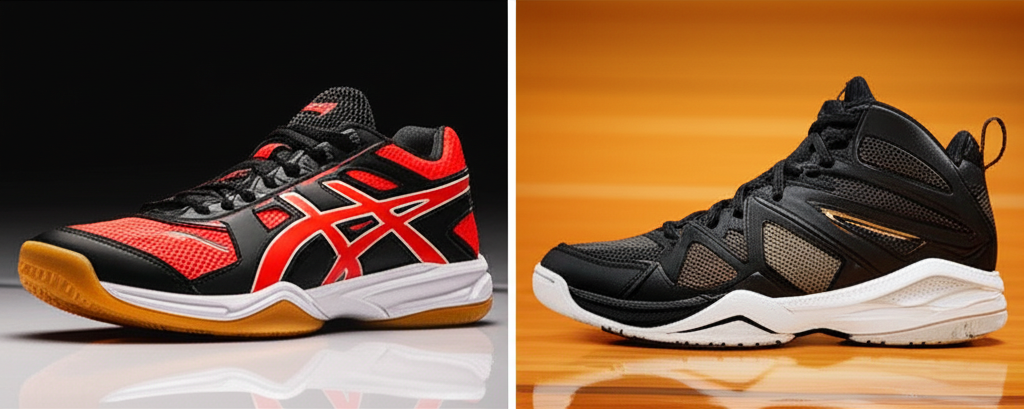
To truly appreciate the differences in footwear, let’s first look at what each sport demands from a player’s feet.
- Volleyball: Players are constantly making quick, explosive lateral movements, sudden stops, and powerful jumps. The game emphasizes agility, ankle stability for quick changes in direction, and grip on indoor courts to prevent slipping. The impact is often felt during landings from jumps, but the primary forces are from rapid directional changes.
- Basketball: This sport involves a lot of running up and down the court, sharp cuts, and significant vertical jumping for shots and rebounds. The impact forces are often higher due to continuous running and more forceful landings from vertical leaps. Stability and ankle support are also crucial, but the emphasis is often on absorbing shock and providing a stable platform for explosive vertical movements.
Key Design Features: What Sets Them Apart?
These different demands translate directly into the design and technology found in volleyball and basketball shoes.
Outsole (The Bottom of the Shoe)
The outsole is arguably the most critical component for court sports, dictating your grip and traction.
- Volleyball Shoes:
- Gum Rubber: Volleyball shoes almost exclusively use gum rubber outsoles. This material provides exceptional grip on indoor court surfaces, allowing for quick pivots and stops without slipping.
- Traction Patterns: The tread patterns are designed for multi-directional grip, featuring circular pivot points and herringbone or zig-zag patterns for optimal traction during lateral movements.
- Non-Marking: Most volleyball shoes are non-marking, which is a requirement in most indoor sports facilities to protect the court surface.
- Basketball Shoes:
- Durable Rubber Compounds: Basketball outsoles often use more durable rubber compounds that can withstand the abrasions of a basketball court, which can be rougher than indoor volleyball courts.
- Traction Patterns: While also designed for grip, basketball shoe patterns might be more geared towards straight-line acceleration and deceleration, with patterns that provide good traction during both forward motion and lateral cuts.
- Varied Grip: Some basketball shoes might use slightly different rubber compounds or patterns that offer a balance between grip and durability, as they may also be worn on outdoor courts.
Midsole (The Cushioning Layer)
The midsole is where the magic of cushioning and shock absorption happens.
- Volleyball Shoes:
- Responsive Cushioning: Volleyball shoes typically offer responsive cushioning. This means the cushioning is designed to absorb impact without being overly soft or squishy. This responsiveness allows players to feel the court and make quick adjustments.
- Low-to-the-Ground Feel: Many volleyball shoes are designed to be lower to the ground, providing a more stable platform and enhancing agility. This can help prevent ankle rolls during lateral movements.
- Forefoot Zoom Air: Many models incorporate forefoot Zoom Air units for a springy feel during jumps and quick take-offs.
- Basketball Shoes:
- Maximum Cushioning: Basketball shoes often feature thicker and more plush cushioning systems (like Nike Air Max, Adidas Boost, or Jordan’s FlightPlate). This is to absorb the higher impact forces from constant running and more aggressive jumping.
- Heel Cushioning: There’s often more emphasis on heel cushioning to absorb impact during landings from vertical jumps.
- Midsole Stability: Basketball midsoles are also designed to provide stability, often with wider bases or embedded shanks to prevent the foot from rolling during lateral movements.
Upper (The Top Part of the Shoe)
The upper of the shoe is responsible for fit, comfort, and support.
- Volleyball Shoes:
- Lightweight and Breathable: Uppers are typically made from lightweight, breathable mesh materials to keep feet cool and comfortable during long matches.
- Secure Fit: They often feature a snug, sock-like fit to provide excellent lockdown and prevent foot slippage within the shoe.
- Ankle Support: While not as high-cut as some basketball shoes, volleyball shoes often have reinforced ankle collars and lacing systems that offer good lateral support without restricting movement.
- Basketball Shoes:
- Durability and Support: Uppers are often constructed with more durable materials like synthetic leathers or reinforced mesh, designed to withstand the rigors of the game and provide substantial support.
- Ankle Brace Integration: Many basketball shoes come in mid-top or high-top designs specifically to provide maximum ankle support and protection, sometimes allowing for the integration of ankle braces.
- Lockdown Systems: They utilize various lacing systems, straps, and internal support structures to ensure the foot is securely locked down during aggressive movements.
Weight and Flexibility
These seemingly small differences can have a big impact on how you play.
- Volleyball Shoes: Generally lighter than basketball shoes. This helps players feel quicker and more agile, allowing for faster movements and higher jumps without being weighed down. They tend to be more flexible, especially in the forefoot, to accommodate quick directional changes.
- Basketball Shoes: Often heavier due to the extra cushioning, more robust materials, and reinforced support structures. While flexibility is still important, the primary focus is on stability and impact protection, which can sometimes lead to a stiffer feel.
Why Using the Wrong Shoes Can Hurt Your Game (and Your Feet!)
It might seem like a minor detail, but wearing basketball shoes for volleyball, or vice versa, can have significant consequences.
- Reduced Traction: Basketball shoes might not offer the same level of multi-directional grip on a volleyball court, leading to slips during quick lateral movements, which can result in missed plays or injuries.
- Lack of Responsiveness: The excessive cushioning in some basketball shoes can make you feel disconnected from the court, slowing down your reaction time and reducing the explosiveness of your jumps. The softer feel can also make it harder to push off quickly.
- Ankle Instability: While basketball shoes offer ankle support, it’s often designed for different types of lateral stress. The higher stack height and different midsole geometry in some basketball shoes can actually make you more prone to ankle rolls during the sharp, side-to-side movements common in volleyball.
- Increased Risk of Injury: The combination of poor traction, incorrect cushioning, and inadequate support can lead to common sports injuries like ankle sprains, plantar fasciitis, and knee pain.
When Can You Get Away With It? (And When You Really Can’t)
Let’s be honest, for a casual backyard game or a few practice drills, maybe your basketball shoes will be okay. But for any serious play, it’s a different story.
- Casual, Recreational Play: If you’re playing a friendly game in the park or a very casual indoor game without much intense movement, basketball shoes might suffice in a pinch.
- Beginner/First-Time Play: If you’re just trying out volleyball for the very first time and unsure if you’ll stick with it, you might not need to invest in specialized shoes immediately. However, even then, understanding the difference is key.
- Competitive Play: For school teams, club leagues, or any level where you’re making quick cuts, jumping frequently, and playing with intensity, specialized volleyball shoes are highly recommended. The difference in performance and injury prevention is substantial.
- High-Level Play: If you’re playing at a competitive or collegiate level, the marginal gains from having the right shoes can make a real difference in your ability to perform at your peak.
Choosing the Right Volleyball Shoes for You
Now that you know the differences, let’s talk about picking the perfect pair of volleyball shoes.
Key Features to Look For:
- Excellent Grip: Prioritize gum rubber outsoles with effective traction patterns.
- Responsive Cushioning: Look for shoes that provide cushioning without sacrificing court feel.
- Ankle Support: Opt for shoes with good lateral support and a secure lockdown system. Mid-tops can offer extra ankle protection if you’re prone to sprains.
- Lightweight Design: Lighter shoes will help you feel quicker on your feet.
- Breathability: Mesh uppers will keep your feet comfortable and dry.
Popular Volleyball Shoe Brands and Technologies:
Many top athletic brands offer excellent volleyball-specific shoes. Here are a few to consider:
- ASICS: Known for their GEL cushioning and stable designs. Models like the GEL-Netburner Ballistic and GEL-Rocket are popular choices.
- Mizuno: A long-standing leader in volleyball footwear, offering great cushioning and support. The Wave Lightning and Wave Momentum series are highly regarded.
- Nike: While they have fewer dedicated volleyball models than ASICS or Mizuno, Nike’s basketball shoes often share similar technologies that can translate well. Some players also find their training shoes suitable.
- Adidas: Similar to Nike, Adidas offers excellent cushioning and support in their basketball lines, with some players finding them adaptable for volleyball.
It’s always a good idea to try shoes on if possible, as fit and feel can vary greatly between brands and even models.
Comparing Volleyball and Basketball Shoes: A Quick Look
Here’s a table summarizing the key differences:
| Feature | Volleyball Shoes | Basketball Shoes |
|---|---|---|
| Primary Traction Material | Gum Rubber | Durable Rubber Compounds |
| Outsole Focus | Multi-directional grip, quick pivots | Straight-line acceleration, impact absorption |
| Midsole Cushioning | Responsive, low-to-ground feel | Plush, maximum shock absorption |
| Upper Material | Lightweight, breathable mesh | Durable synthetics, reinforced mesh |
| Ankle Support Design | Lateral stability, snug fit | Vertical stability, often mid/high-top |
| Weight | Generally lighter | Generally heavier |
| Flexibility | More flexible forefoot | Can be stiffer, focused on stability |
Frequently Asked Questions (FAQ)
What is the main difference between volleyball and basketball shoes?
The main difference lies in their design purpose. Volleyball shoes prioritize lateral agility, quick stops, and a responsive court feel with gum rubber outsoles. Basketball shoes focus more on absorbing high vertical impact, providing stability for running, and durability, often with more cushioning and robust materials.
Can I wear basketball shoes for volleyball practice?
For very casual practices or just getting a feel for the game, basketball shoes might be okay. However, they lack the specific traction and responsive feel needed for serious volleyball movements, and can even increase the risk of ankle rolls. For dedicated play, volleyball-specific shoes are strongly recommended.
Are volleyball shoes lighter than basketball shoes?
Yes, generally, volleyball shoes are lighter than basketball shoes. This is because volleyball demands quick, agile movements and multiple jumps, so lighter footwear helps players feel faster and less weighed down. Basketball shoes often incorporate more cushioning and support materials, which adds to their weight.
Why do volleyball shoes have gum rubber soles?
Gum rubber soles are used in volleyball shoes because they provide superior grip and traction on indoor court surfaces. This allows players to make quick, sharp cuts, stops, and pivots without slipping, which is crucial for agility and preventing injuries during the dynamic movements of volleyball.
Do I need high-top shoes for volleyball?
While high-top basketball shoes are designed for maximum ankle support, most volleyball players prefer low-top or mid-top volleyball shoes. These offer excellent lateral support and a secure fit without restricting ankle mobility, which is essential for the quick footwork in volleyball. If you have a history of ankle sprains, a mid-top might be beneficial.
What happens if I wear volleyball shoes for basketball?
Volleyball shoes may not provide enough cushioning or durability for the higher impact forces of basketball, especially during long runs and aggressive landings. The outsoles might also wear down faster. While they offer good traction, the overall support and shock absorption might not be sufficient for the demands of basketball.
Conclusion: Lace Up for Success!
Understanding the distinct design philosophies behind volleyball and basketball shoes is key to making the right choice for your sport. While both require agility and jumping, volleyball’s unique demands for lateral movement, quick stops, and a responsive court feel necessitate specialized footwear. By opting for shoes designed specifically for volleyball, you’re not just investing in better performance; you’re investing in the health and longevity of your feet and ankles.
So, next time you’re lacing up, remember these differences. Your feet will thank you, and your game will reach new heights!