Can Volleyball Players Use Their Feet? Essential Guide

Yes, volleyball players can use their feet, but only in very specific situations. While hands are the primary contact point, feet are crucial for movement, jumping, and defense. However, intentionally kicking the ball to advance it is generally a fault. This guide clarifies when and how feet are used in volleyball.
Ever watched a volleyball match and seen a player dive or scramble to keep the ball alive? You might wonder, “Can they use their feet in volleyball?” It’s a common question for anyone new to the sport, and the answer isn’t a simple yes or no. While hands are definitely the stars of the show, your feet are your secret weapon for getting to the ball and making those incredible plays.
Don’t worry if the rules feel a bit confusing at first! We’ll break down exactly how your feet play a role on the court, from fundamental movement to those spectacular defensive saves. Get ready to understand the essential footwork that makes every volleyball player a better athlete. Let’s dive in!
The Fundamental Role of Feet in Volleyball
While the image of volleyball might conjure up quick hand passes and powerful spikes, your feet are the unsung heroes of the game. They are the foundation for every action you take on the court. Without proper footwork, even the most skilled hands won’t be able to reach the ball effectively.
Think of your feet as the engine that drives your entire body. They allow you to:
- Position yourself correctly for every hit, pass, and block.
- Generate power for jumps and serves.
- Move quickly and efficiently across the court.
- Execute defensive plays and keep the ball in play.
Understanding and refining your footwork is just as important as mastering your arm swing or setting technique. It’s the difference between being in the right place at the right time and watching the ball drop.
When Can Volleyball Players Use Their Feet?
This is where things get interesting! The rules surrounding foot contact in volleyball are quite specific. The primary rule is that the ball must be contacted with any part of the body, but the intent and method of contact matter.
Defensive Scrambles and Unintentional Contact
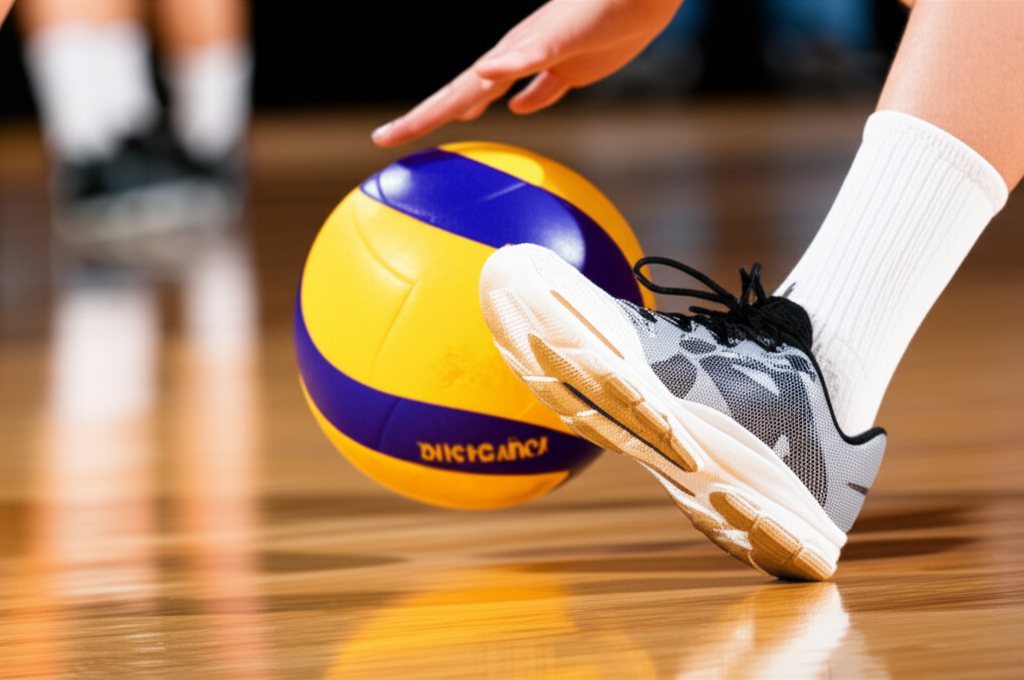
The most common and accepted use of feet in volleyball occurs during defensive plays. When a ball is hit low and fast, or a player is out of position, they might use their foot to keep the ball from hitting the floor. This is perfectly legal and often a sign of great hustle!
Here’s what’s allowed:
- Using your foot to kick the ball upwards: If you’re diving and the ball is about to hit the ground, you can use your foot to kick it up to a teammate or back over the net. The key is that it’s a defensive reaction to save the ball.
- Accidental contact with the foot: If the ball hits your foot or leg unintentionally while you are moving or in a defensive posture, it is legal.
The crucial distinction is that the contact with the foot is a defensive action to prevent the ball from touching the ground. It’s not about intentionally playing the ball with your foot as if it were a soccer ball.
The “Kick Serve” Myth
You might have heard of “kick serves” in volleyball, often associated with beach volleyball. While players might impart a spinning motion on the ball with their foot during a serve, this is a very advanced technique and not what most beginners think of when they ask if they can use their feet.
In indoor volleyball, and even in beach volleyball for most players, the serve is almost exclusively done with the hand or arm. The emphasis is on control and power generated from the shoulder and wrist.
What is NOT Allowed?
The rules are clear on what constitutes an illegal foot contact:
- Intentionally kicking the ball to advance play: You cannot use your foot to deliberately pass, set, or spike the ball. For example, if a ball is sailing out of bounds, you can’t run over and kick it back into play.
- Double contact with the foot: Like any other body part, you can’t hit the ball twice in a row with your foot.
- Contacting the ball with your foot on a block: Blocking rules typically involve the net and the front-row players. While unlikely, contacting the ball with your foot during a block would be illegal.
The official FIVB (International Volleyball Federation) rules state that “the ball may be touched with any part of the body.” However, this is always understood within the context of the game’s mechanics and intent. The spirit of the rules emphasizes using hands and arms for controlled play.
For a deeper dive into official rules, you can refer to the FIVB Official Volleyball Rules.
Mastering Footwork: Your Key to Success
Since your feet are so critical for movement, let’s talk about how to improve your footwork. Good footwork means you’re always balanced, in position, and ready to make a play. It’s about agility, quickness, and stability.
Essential Footwork Drills for Beginners
You don’t need fancy equipment to improve your footwork. These drills focus on the fundamentals:
- Shuffle Drills:
- Start in an athletic stance (knees bent, feet shoulder-width apart, weight on the balls of your feet).
- Shuffle sideways 5-10 steps, keeping your body low and facing forward.
- Shuffle back to your starting position.
- Repeat, focusing on smooth, controlled movements without crossing your feet.
- Forward and Backward Movement Drills:
- Start in your athletic stance.
- Take 3-5 quick steps forward, maintaining your low stance.
- Explode backward to your starting position.
- Repeat, focusing on quick acceleration and deceleration.
- Reaction Drills:
- Have a partner or coach call out directions (left, right, forward, back).
- As soon as you hear a direction, move quickly in that direction for a few steps.
- Return to your athletic stance.
- This helps improve your ability to react and move to the ball.
- Jump Training (with a focus on landing):
- Practice squat jumps, focusing on exploding upwards and landing softly on the balls of your feet.
- This builds leg strength and reinforces proper landing mechanics, crucial for preventing injuries.
The Athletic Stance: Your Home Base
The “athletic stance” or “ready position” is the foundation for all good movement. It’s where you should be when you’re not actively playing the ball.
- Feet shoulder-width apart: This provides a stable base.
- Knees bent: Lower your center of gravity, making you more agile.
- Slight forward lean: Your weight should be on the balls of your feet, allowing for quick forward or lateral movement.
- Arms out in front: Keep your arms ready to pass or dig.
Practicing this stance and transitioning smoothly into movement is key. Imagine you’re always balanced and ready to spring into action.
Choosing the Right Volleyball Shoes
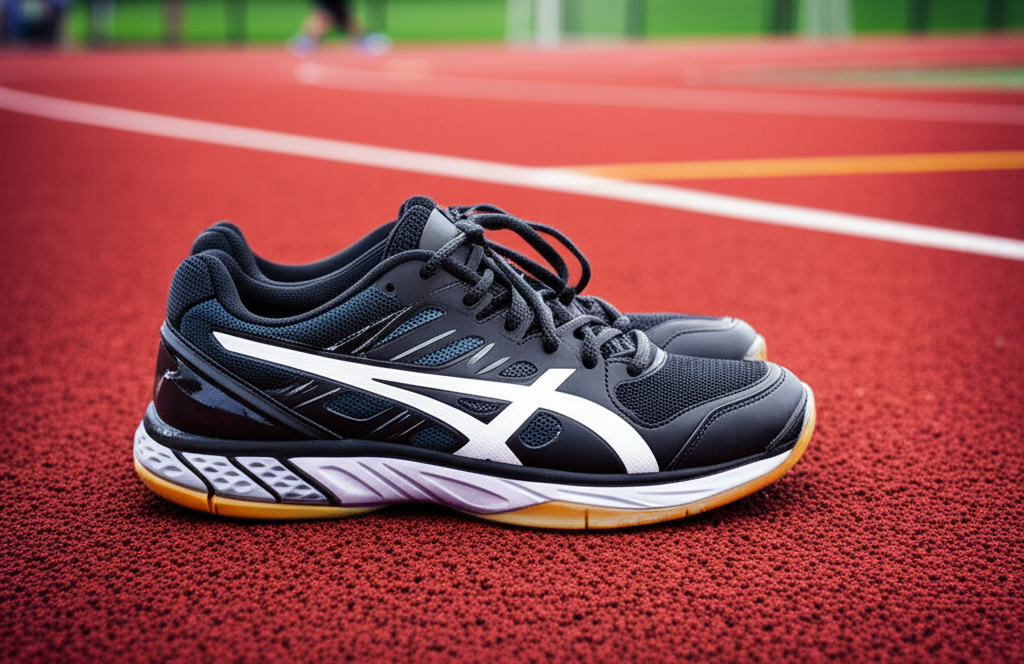
Your feet are doing a lot of work, so the right footwear is essential! Volleyball shoes are designed specifically to support the unique movements of the sport.
Why Specific Volleyball Shoes?
Unlike running shoes or basketball shoes, volleyball shoes offer:
- Superior Grip: Non-marking rubber soles provide excellent traction on indoor courts, preventing slips during quick changes in direction.
- Ankle Support: Many styles offer mid-top or high-top designs to help support your ankles during jumps and landings.
- Cushioning: They are designed to absorb impact from constant jumping and landing.
- Lateral Support: Shoes are built to withstand sideways movements without compromising stability.
Popular Volleyball Shoe Brands and Features
Here’s a quick look at what some top brands offer:
| Brand | Key Features | Good For |
|---|---|---|
| ASICS | Excellent cushioning (GEL technology), good stability, wide range of models. | All-around players, hitters, blockers. |
| Mizuno | Lightweight, great court feel, responsive cushioning (Wave technology). | Setters, liberos, quick players. |
| Nike | Stylish designs, good support, often incorporate basketball shoe tech. | All-around players, versatile. |
| Adidas | Comfortable, good bounce, often have breathable materials. | All-around players, players seeking comfort. |
When choosing, consider your playing style and any specific needs, like ankle support. It’s always best to try them on if possible!
When to Use Your Feet for a Save
The decision to use your foot for a defensive save is often instinctive, but there are a few things to keep in mind:
- Is the ball unplayable by hand? If the ball is too low, too fast, or you’re too far out of position to make a clean hand-dig, your foot might be your only option.
- Can you get your foot to it cleanly? Aim to make contact with the top or front of your foot, similar to how you’d kick a soccer ball gently upwards. Avoid using the toe, which can be less controlled.
- Is there a teammate nearby? If a teammate is in a better position to play the ball, try to direct your foot save towards them.
- Can you direct it safely? Ensure your foot save is controlled and doesn’t go wildly out of bounds or hit another player.
Think of it as a last resort, a hustle play to keep the rally alive. It’s not about fancy footwork; it’s about effort and determination!
Common Beginner Mistakes Regarding Foot Contact
New players often make a few common errors when it comes to using their feet:
- Kicking the ball intentionally: Thinking they can “play” the ball with their feet like in soccer. Remember, it’s for saves only!
- Losing balance: Trying a foot save without being in a stable, athletic stance can lead to falls and missed plays.
- Crossing feet during movement: This is a recipe for tripping and injury. Always shuffle or use crossover steps correctly.
- Not landing properly after jumps: This puts excessive stress on knees and ankles. Focus on absorbing impact with bent knees.
By being aware of these mistakes, you can focus on developing proper technique from the start.
Advanced Footwork Techniques
For those looking to elevate their game, advanced footwork is crucial. This includes:
- The Split Step: A small hop just before an opponent hits the ball, landing in a balanced, ready position to explode in any direction.
- Crossover Steps: Used for covering larger distances quickly, especially when moving laterally.
- Quick Feet Drills: Using agility ladders or cones to improve foot speed and coordination.
- Approaching for a Spike: A series of specific steps (usually 4 or 5) designed to generate maximum power and height for an attack.
These techniques are honed through dedicated practice and often coaching. Resources from organizations like USA Volleyball often provide training tips and drills for various skill levels.
When to Seek Professional Guidance
While this guide covers the basics, sometimes the best way to improve is with expert help. If you’re serious about volleyball, consider:
- Joining a local club or team: This provides structured training and coaching.
- Attending clinics or camps: These offer intensive skill development.
- Watching instructional videos: Many professional players and coaches share valuable tips online.
Understanding the nuances of footwork and when and how to use your feet legally is a journey. Be patient with yourself, practice consistently, and most importantly, have fun!
Frequently Asked Questions (FAQ)
Can I use my feet to serve in volleyball?
No, serving in volleyball must be done with the hand or arm. While advanced players might impart spin with their foot in beach volleyball, it’s not a legal or standard serving technique for most players, especially in indoor volleyball.
Is it legal to kick the ball to my teammate?
You can use your foot to kick the ball upwards to save it from hitting the floor, especially in a defensive scramble. However, you cannot intentionally kick the ball to a teammate as a pass or set. The contact must be a defensive save, not a deliberate play.
What is the most common way feet are used in volleyball?
The most common and legal use of feet in volleyball is for movement: shuffling, jumping, and quick directional changes. They are also used for defensive saves when the ball is too low for a hand-dig.
Can the ball hit my foot accidentally?
Yes, if the ball unintentionally contacts your foot or leg while you are moving or in a defensive posture, it is considered legal. The key is that it was not an intentional act to play the ball with your foot.
What are the best shoes for playing volleyball?
The best shoes for volleyball are specifically designed for the sport. Look for non-marking rubber soles for grip, good ankle support, adequate cushioning for jumps, and excellent lateral support for quick movements. Brands like ASICS, Mizuno, Nike, and Adidas offer popular volleyball-specific shoes.
How can I improve my footwork for volleyball?
You can improve your footwork through drills like shuffling, forward/backward movement drills, reaction drills, and jump training. Practicing the athletic stance and focusing on quick, balanced movements are crucial. Agility ladders and cone drills can also be very beneficial.
Are there any rules about kicking the ball out of bounds?
Yes, if you intentionally kick the ball and it goes out of bounds, it is a fault, and the point is awarded to the opposing team. Even a defensive foot save that goes out of bounds without being touched by another player also results in a point for the opponent.