Can Volleyball Shoes Be Used for Basketball? Essential Guide

While volleyball shoes offer excellent grip and ankle support for quick lateral movements, they are not ideal for the high-impact, forward-and-backward pounding of basketball. Basketball shoes are specifically designed for the vertical jumps, explosive stops, and constant forward motion inherent to the sport. Using volleyball shoes for basketball can increase your risk of injury.
Ever found yourself on the court, gearing up for a game, and wondering if your trusty volleyball shoes could double for a basketball session? It’s a question many athletes ponder, especially when looking for ways to maximize their gear. Both sports demand agility and quick footwork, making the comparison natural. However, the movements and stresses on your feet are quite different. Don’t worry, we’re here to break down exactly why this might not be the best idea and what you should consider. Let’s dive into the specifics to keep your feet happy and your game strong!
Understanding the Demands of Each Sport
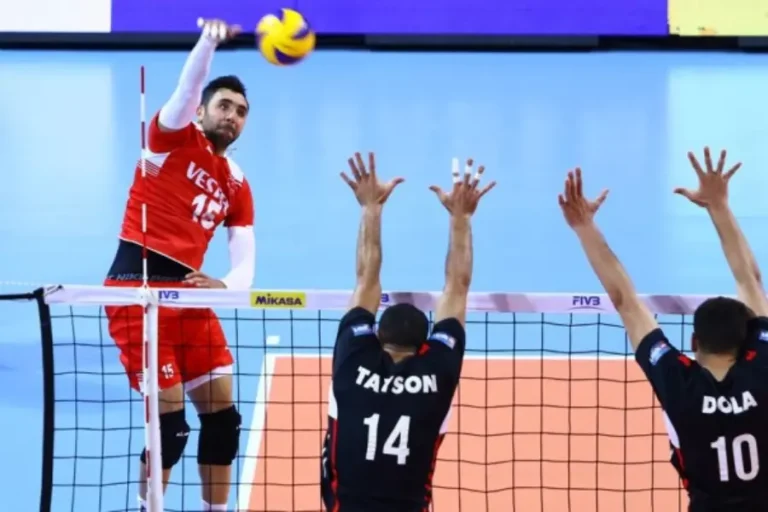
Volleyball and basketball, while both played on indoor courts, require very different movements from your footwear. Think about the core actions in each sport. Volleyball is all about explosive vertical jumps, quick lateral shuffles to dig or block, and controlled landings. Basketball, on the other hand, involves a lot more running forward and backward, sharp cuts, sudden stops, and powerful jumping with a different kind of impact. These distinct demands mean that the shoes designed for one sport aren’t perfectly suited for the other.
Volleyball Shoe Design: Built for the Net

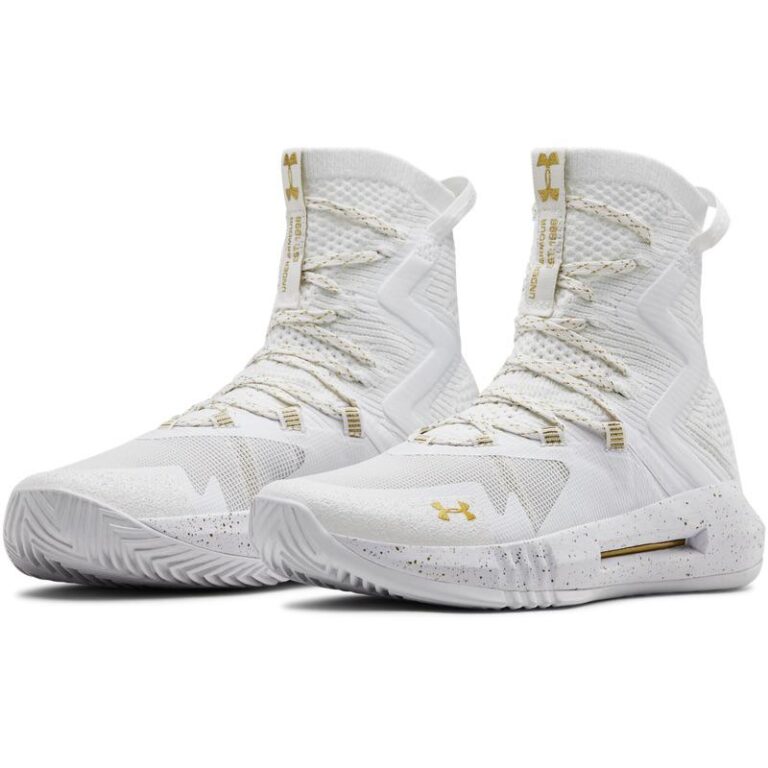
Volleyball shoes are engineered with specific features to support the unique movements of the game. Their primary focus is on providing excellent traction for quick, multidirectional movements and cushioning for repeated jumps and landings. You’ll often notice:
- Superior Lateral Support: Volleyball players move side-to-side frequently. Their shoes offer robust support along the sides to prevent ankle rolls during rapid changes in direction.
- Excellent Grip: The outsoles are designed for maximum grip on indoor courts, allowing players to plant their feet firmly for powerful jumps and quick stops.
- Cushioning for Vertical Impact: While cushioning is important, it’s often tuned for absorbing the impact of vertical jumps rather than the sustained pounding of running.
- Lightweight Feel: To enhance agility and vertical explosiveness, volleyball shoes are generally kept lightweight.
- Breathability: Good airflow is crucial for keeping feet cool during intense matches.
These characteristics make volleyball shoes fantastic for their intended purpose. They help players explode upwards for spikes and blocks, dig for low balls with stability, and move swiftly across the court.
Basketball Shoe Design: Made for the Hardwood
Basketball shoes, by contrast, are built to withstand the rigors of a sport that involves more linear movement and different impact forces. Key design elements include:
- Enhanced Shock Absorption: Basketball involves more running, jumping, and landing from greater heights, often with more force. Basketball shoes typically have thicker, more robust cushioning systems to absorb this impact.
- Forward and Backward Traction: The tread patterns are often optimized for grip during forward acceleration and deceleration, as well as sharp cuts.
- Ankle Support (Varied): While some basketball shoes offer high-top support, others are lower. The support is often geared towards preventing ankle rolls during lateral cuts and landings from jumps.
- Durability: The constant running and aggressive movements mean basketball shoes need to be more durable to withstand wear and tear.
- Midsole Stability: Basketball shoes often feature a wider base or stabilizing elements in the midsole to provide a stable platform during lateral movements and landings.
The focus here is on protecting the feet and joints from the repetitive stress of running, jumping, and cutting, all while providing the necessary traction and support.
Can You Actually Use Volleyball Shoes for Basketball?
So, can you technically put on your volleyball shoes and hit the basketball court? Yes, you can. But should you? That’s a different question. While they might offer some of the grip and support needed, they fall short in crucial areas for basketball:
- Insufficient Cushioning: The cushioning in volleyball shoes is designed for vertical impacts, not the sustained forward-and-backward pounding and hard stops common in basketball. This can lead to increased fatigue and a higher risk of impact-related injuries like shin splints or stress fractures.
- Lack of Forward/Backward Traction: The outsole patterns are optimized for lateral movement and quick stops. They may not provide the same reliable grip during aggressive forward running and sudden braking that basketball requires.
- Durability Concerns: The lighter construction and materials used in volleyball shoes might not hold up well to the more abrasive and forceful movements of basketball. You could wear them out much faster.
- Potential for Ankle Sprains: While volleyball shoes offer lateral support, the overall structure might not be robust enough to handle the specific types of ankle-twisting forces that can occur during basketball cuts and landings.
Think of it this way: you wouldn’t use a running shoe for weightlifting, even though both involve athletic movement. Each sport has specialized needs that specialized gear addresses best.
Comparing Shoe Features: Volleyball vs. Basketball
To really see the difference, let’s put their features side-by-side:
| Feature | Volleyball Shoes | Basketball Shoes |
|---|---|---|
| Primary Movement Focus | Lateral movement, vertical jumps, quick stops | Forward/backward running, explosive jumps, sharp cuts, hard stops |
| Cushioning Type | Responsive, geared for vertical impact absorption | Maximal, designed for high-impact shock absorption during running and landing |
| Traction Pattern | Optimized for multi-directional grip, especially lateral | Optimized for forward/backward motion and aggressive cuts |
| Midsole/Support Structure | Emphasis on lateral stability and lightweight feel | Emphasis on shock absorption, stability, and sometimes torsional support |
| Durability | Good for volleyball demands, may be less durable for basketball | Built for high wear and tear, more robust materials |
| Weight | Generally lighter | Can vary, but often have more substantial cushioning and support features |
As you can see, the design philosophies are quite distinct, even though both are court shoes. The subtle differences in construction and materials are precisely what make each shoe excel in its intended sport.
When Might It Be Okay (with Caveats)?
There are very limited scenarios where you might briefly use volleyball shoes for basketball, but it’s crucial to understand the risks:
- Extremely Casual Play: If you’re just shooting around with friends for a few minutes, not engaging in intense drills or games, and you don’t have any other option, it might be acceptable.
- Very Light Activity: If you’re doing very light dribbling or walking around the court without any jumping or aggressive movements.
However, even in these casual situations, it’s important to be extra mindful of your movements. Avoid sharp cuts, sudden stops, and hard landings. The moment the activity intensifies, you’re putting yourself at risk.
For anything more than a few minutes of very gentle play, it’s best to have proper basketball shoes. The potential for injury outweighs the convenience of using the wrong footwear.
What to Look for in Basketball Shoes
If you’re planning to play basketball regularly, investing in a good pair of basketball shoes is essential. Here’s what to prioritize:
Key Features of Good Basketball Shoes:
- Excellent Cushioning: Look for shoes with ample cushioning in the heel and forefoot to absorb impact from jumping and running. Brands often use proprietary technologies (like Nike Air, Adidas Boost, or Under Armour HOVR) for this.
- Durable Outsole with Good Traction: The rubber outsole should provide reliable grip on hardwood floors. Patterns designed for both linear and lateral movements are ideal.
- Supportive Fit: The shoe should feel snug and secure around your foot. Mid-top or high-top designs can offer more ankle support, which is beneficial for preventing sprains, though some players prefer the mobility of low-tops.
- Stability Features: Many basketball shoes include features like a wider base, a shank in the midfoot, or supportive overlays to prevent the foot from rolling during quick changes in direction.
- Breathability: Mesh uppers help keep your feet cool and comfortable during long games or practices.
Types of Basketball Shoes:
Basketball shoes come in different cuts, each offering a slightly different feel and level of support:
| Shoe Cut | Description | Best For |
|---|---|---|
| Low-Top | Cut below the ankle. Offers maximum ankle mobility. | Players who rely on agility and speed, have strong ankles, and prefer freedom of movement. |
| Mid-Top | Covers the ankle bone. Offers a balance of support and mobility. | Most players, as it provides a good compromise between ankle support and flexibility. |
| High-Top | Extends above the ankle. Provides the most ankle support. | Players prone to ankle injuries, or those who prefer a locked-in feel and maximum stability. |
When choosing, try on different pairs and see what feels most comfortable and supportive for your feet and playing style.
Alternatives if You Don’t Have Basketball Shoes
If you’re caught without basketball shoes, what are your options? Sometimes, other athletic shoes might be a slightly better alternative than volleyball shoes, but still not ideal:
- Cross-Training Shoes: These are designed for a variety of gym activities, including lateral movements and some jumping. They offer more stability than running shoes but might lack the specific cushioning and traction for basketball.
- Court Shoes (General): Some general “court shoes” are designed for multi-purpose court sports. These can sometimes work, but it’s important to check their specific features to see if they lean more towards tennis or squash, which have different demands than basketball.
- Running Shoes: Generally, running shoes are the LEAST suitable. Their cushioning is designed for forward impact, and they often lack the lateral support needed for basketball, making you prone to ankle injuries.
The best advice remains: if you play basketball, get basketball shoes. The investment protects your feet and enhances your performance.
Injury Prevention: Why the Right Shoes Matter
The link between footwear and injury prevention is undeniable. Playing basketball in shoes not designed for the sport significantly increases your risk of common basketball injuries:
- Ankle Sprains: Insufficient lateral support and improper traction can lead to rolled ankles.
- Stress Fractures: Lack of adequate shock absorption can put excessive stress on the bones in your feet and lower legs.
- Knee Pain: Poor cushioning and stability can alter biomechanics, leading to increased pressure on the knees.
- Plantar Fasciitis: Inadequate arch support and cushioning can strain the plantar fascia, leading to heel pain.
According to the USA Volleyball, proper footwear is a cornerstone of player safety. While they focus on volleyball, the principle applies universally: specialized sports require specialized gear to minimize injury risk and maximize performance. Similarly, resources from organizations like the International Basketball Federation (FIBA) often highlight the importance of appropriate athletic footwear for player health and safety.
Making the right choice in footwear is a proactive step towards a healthier, more enjoyable athletic experience.
Frequently Asked Questions (FAQ)
Q1: Can I wear my volleyball shoes for a casual game of basketball?
While you can, it’s not recommended. Even casual games involve quick movements and potential jumps. Volleyball shoes lack the specific cushioning and support needed for basketball’s impact and directional changes, increasing your risk of injury like ankle sprains or foot fatigue.
Q2: What is the main difference between volleyball and basketball shoes?
The primary difference lies in their design focus. Volleyball shoes excel at lateral stability and cushioning for vertical jumps. Basketball shoes prioritize shock absorption for forward/backward movement, aggressive cuts, and provide enhanced overall durability for high-impact play.
Q3: Will wearing volleyball shoes for basketball make me play worse?
Potentially, yes. The lack of proper cushioning can lead to faster fatigue, affecting your jumping ability and stamina. The traction might also not be optimal for basketball’s specific movements, potentially hindering quick cuts and stops, which can impact your performance.
Q4: Are there any volleyball shoes that might be okay for basketball?
No. Even the most supportive volleyball shoes are fundamentally designed for different sport-specific stresses. While some might offer decent lateral support, they typically miss out on the crucial forward-facing shock absorption and traction patterns essential for basketball.
Q5: What kind of shoes should I wear if I play both volleyball and basketball?
It’s best to have separate pairs. However, if you must choose one for occasional cross-sport use, a versatile basketball shoe (especially a mid-top with good cushioning and a balanced tread pattern) might be slightly more adaptable than a volleyball shoe for occasional basketball play. But dedicated shoes are always the safest and most effective option.
Q6: How can I tell if my basketball shoes are providing enough support?
Good basketball shoes should feel snug and supportive around your foot, with no excessive slipping or looseness. You should feel stable during jumps and cuts, and the cushioning should absorb impact without feeling overly soft or unstable. If your feet or ankles feel sore after playing, your shoes might not be providing adequate support.
Conclusion
While the lines between sports can sometimes seem blurred, especially when it comes to footwear, it’s clear that volleyball shoes and basketball shoes are distinct tools built for different jobs. Volleyball shoes are champions of lateral agility and vertical explosiveness, perfect for the net-dominant game. Basketball shoes, on the other hand, are engineered to handle the constant running, sharp cuts, and high-impact landings of the court. Using volleyball shoes for basketball might seem like a shortcut, but it’s a path that can lead to discomfort, reduced performance, and, most importantly, injuries.
Prioritizing your health and your game means equipping yourself with the right gear. So, when it’s time to switch from spiking to shooting hoops, make sure you’re lacing up a pair of dedicated basketball shoes. Your feet, ankles, and knees will thank you for it!