Can Volleyball Make You Taller? Proven Height Gains!

Yes, volleyball can contribute to height gains, especially during adolescence, by stimulating growth plate development through consistent physical activity and proper nutrition. While it won’t magically add inches to fully grown adults, the sport’s emphasis on jumping, stretching, and overall physical conditioning promotes healthy bone and muscle growth, which can lead to reaching your natural maximum height potential.
So, You Want to Reach New Heights in Volleyball?
Ever wonder if all those jumps, spikes, and blocks could actually help you grow taller? It’s a question many volleyball players, especially younger ones, ask themselves. You see players soaring above the net, and you might think, “Could this sport make me taller?” It’s a common curiosity, and the answer isn’t a simple yes or no. But don’t worry, we’re here to break it down for you. We’ll explore how volleyball impacts your growth and what you can do to support your body’s natural potential.
Understanding How Height Works
Before we dive into volleyball’s role, let’s talk about how people grow. Your height is primarily determined by genetics, which dictate your potential. However, various factors influence whether you reach that full potential. These include nutrition, sleep, and physical activity. During childhood and adolescence, your bones grow from areas called growth plates, which are made of cartilage. As you get older, these plates harden into solid bone, and growth stops.
Volleyball and Your Growth Plates
This is where volleyball comes into play! The consistent jumping and stretching involved in volleyball can stimulate these growth plates. Think of it like giving them a gentle nudge. When you jump, you’re loading your bones and muscles. This stress, when combined with good nutrition and rest, signals your body to build stronger, longer bones. It’s not about forcing growth, but about providing the right conditions for your body to achieve its genetic height potential.
The Science Behind the Jump
When you jump in volleyball, you engage your leg muscles, core, and back. This entire kinetic chain works together. The impact and stretch on your leg bones, particularly the tibia and femur, can encourage them to lengthen. This process is often referred to as Wolff’s Law, which states that bone will adapt to the loads under which it is placed. For growing bodies, these adaptations can include increases in length.
Is it Just Volleyball?
It’s important to remember that many physical activities can have a similar effect. Sports like basketball, swimming, and even dancing involve jumping, stretching, and overall physical development. Volleyball offers a unique combination of these movements, making it particularly beneficial for promoting healthy growth.
Factors Influencing Height Beyond Volleyball
While volleyball can be a great contributor, it’s just one piece of the puzzle. To maximize your growth potential, you need to consider other crucial elements:
- Nutrition: A balanced diet is essential for providing the building blocks for bone and muscle growth. This includes plenty of protein, calcium, vitamin D, and other essential nutrients.
- Sleep: Your body releases growth hormone primarily during deep sleep. Aim for 8-10 hours of quality sleep per night, especially during your teenage years.
- Genetics: As mentioned, your genes play the biggest role in determining your ultimate height.
- Overall Health: Chronic illnesses or poor health can sometimes impede growth.
How Volleyball Drills Can Help Maximize Your Potential
Certain volleyball drills are particularly effective in engaging the muscles and bones that contribute to growth. Focusing on proper technique and consistency is key.
Essential Volleyball Drills for Growth
Here are some drills that are great for players looking to enhance their physical development:
-
Vertical Jump Training
This is fundamental for volleyball. Drills like squat jumps, box jumps, and jump squats build explosive power in your legs. Focus on landing softly to protect your joints.
Squat Jumps:
- Start in a squat position, knees bent, chest up.
- Explode upwards, extending your legs and hips.
- Land softly back into the squat position.
Box Jumps:
- Stand in front of a sturdy box or platform.
- Jump onto the box, landing with both feet.
- Step or jump back down.
-
Blocking Drills
Blocking requires significant upward reach and core strength. Practicing blocking against a wall or with a partner helps develop the vertical power and stability needed.
- Stand facing a wall or net.
- Jump and reach as high as possible, simulating a block.
- Focus on extending your entire body upwards.
-
Spiking Drills
Spiking involves a powerful approach, jump, and arm swing. These actions engage your entire body, promoting overall strength and coordination.
- Practice your approach steps (e.g., two-step approach).
- Execute a jump with a high reach.
- Practice your arm swing and contact point.
-
Core Strengthening
A strong core is vital for transferring power during jumps and spikes, and it also supports your spine during growth. Planks, Russian twists, and leg raises are excellent.
Plank:
- Hold a push-up position, resting on your forearms.
- Keep your body in a straight line from head to heels.
- Engage your core muscles.
Nutrition Tips for Growing Volleyball Players
Fueling your body properly is as important as the drills themselves. Here’s what growing athletes should focus on:
- Protein: Essential for muscle repair and growth. Include sources like chicken, fish, beans, lentils, and dairy.
- Calcium: Crucial for strong bones. Get it from milk, yogurt, cheese, leafy greens, and fortified foods.
- Vitamin D: Helps your body absorb calcium. Sunlight is a great source, but you can also find it in fatty fish, eggs, and fortified milk.
- Complex Carbohydrates: Provide energy for training. Opt for whole grains, fruits, and vegetables.
- Hydration: Drink plenty of water throughout the day, especially before, during, and after practice.
Gear That Supports Your Game and Growth
Choosing the right gear can enhance your performance and help prevent injuries, which is crucial for consistent training and growth.
Essential Volleyball Gear
| Item | Why it Matters for Growth & Performance | Key Features to Look For |
|---|---|---|
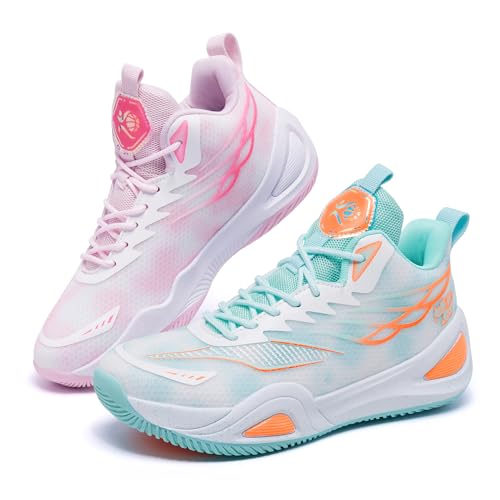
| Volleyball Shoes | Provide ankle support, cushioning for jumps, and good traction for quick movements, reducing injury risk. Proper support aids in confident jumping. | Ankle support, excellent cushioning, non-marking soles, lightweight design. |
| Athletic Socks | Prevent blisters and add an extra layer of cushioning, especially around the ankle and heel, which are heavily used in jumping. | Moisture-wicking material, padded soles, arch support. |
| Knee Pads | Protect your knees during dives and falls, allowing you to train consistently without fear of minor injuries. | Good padding, comfortable fit, breathable material. |
| Comfortable Training Clothes | Allow for a full range of motion, enabling proper execution of drills and exercises that promote growth. | Breathable, moisture-wicking fabrics, flexible fit. |
Expert Opinions and Resources
To further understand the impact of sports on growth, consider these authoritative sources:
- USA Volleyball: The national governing body for the sport in the United States, offering resources on training, safety, and athlete development. You can find valuable information on their official website.
- FIVB (Fédération Internationale de Volleyball): The international governing body for volleyball, providing global insights into the sport and its development.
- Reputable Sports Science Journals: Publications like the Journal of Strength and Conditioning Research often feature studies on the effects of plyometric training (like jumping) on bone density and growth.
Can Volleyball Make Adults Taller?
This is a common follow-up question. For individuals who have already gone through puberty and whose growth plates have closed, volleyball (or any sport) will not make them taller. Once your growth plates have fused, your height is set. However, consistent training can improve posture, strengthen muscles, and increase flexibility, which might lead to a perception of being taller or help you stand straighter, but it won’t add actual inches to your skeletal structure.
Frequently Asked Questions About Volleyball and Height
Here are some common questions beginner volleyball players have:
Q1: Will playing volleyball make me taller if I’m already an adult?
No, if your growth plates have closed (which typically happens after puberty), volleyball cannot make you taller. However, it can improve your posture and overall physique, which might make you appear taller or more confident.
Q2: How much taller can volleyball make me?
It’s impossible to put an exact number on it. Volleyball can help you reach your genetic potential for height. If your growth plates are still open, the consistent jumping and stretching can contribute to healthy bone development, potentially leading to a few extra centimeters compared to a sedentary lifestyle, but it won’t defy your genetic blueprint.
Q3: What is the best volleyball position for growing taller?
While players in positions like middle blocker often tend to be taller due to the physical demands of the role (requiring significant jumping and reach), any position can contribute to healthy growth. The key is consistent, active participation.
Q4: Are there any exercises in volleyball that are bad for growth?
Generally, no. When done with proper technique and adequate rest, volleyball exercises are beneficial. However, overtraining or improper form, especially in jumping, could lead to injuries that might indirectly affect consistent training. Focus on technique and listen to your body.
Q5: How important is nutrition for a volleyball player wanting to grow?
Nutrition is extremely important! It provides the building blocks for bone and muscle growth. A balanced diet rich in protein, calcium, vitamin D, and other essential nutrients is vital for supporting your body’s growth potential, alongside playing volleyball.
Q6: How much sleep do I need if I play volleyball and want to grow?
Growing athletes generally need 8-10 hours of quality sleep per night. This is when your body releases the most growth hormone, which is crucial for bone and muscle development.
Q7: Can stretching in volleyball help me grow taller?
Stretching is vital for flexibility and preventing injuries, which allows for more consistent training. While stretching itself doesn’t directly cause bone growth, it helps maintain good posture and ensures your body is ready to perform the movements that can stimulate growth, like jumping.
The Bottom Line: Play Smart, Grow Strong
Volleyball is a fantastic sport that can indeed play a role in helping you reach your natural height potential, especially during your growing years. By combining consistent training with proper nutrition, ample sleep, and smart gear choices, you’re creating the best possible environment for your body to develop. So, keep jumping, keep reaching, and enjoy the journey on the court!