Are Volleyball Shoes Good for Walking? Essential Guide

Volleyball shoes are generally not ideal for everyday walking. While they offer excellent court-specific support for quick movements and jumps, their specialized design can lead to discomfort and potential injury when used for prolonged walking on hard surfaces.
Ever wondered if your trusty volleyball shoes could double as your go-to walking companions? It’s a question many players ask, especially when they love the feel and support their volleyball shoes provide on the court. You might think, “They’re athletic shoes, so why not?” But there’s more to it than meets the eye!
Volleyball is all about explosive jumps, quick lateral movements, and precise landings. Your volleyball shoes are engineered to handle these specific demands. Walking, however, is a different kind of activity with its own unique requirements for footwear.
This guide will break down why volleyball shoes and walking shoes are so different and help you decide if your volleyball kicks are up for the task of everyday strolling. We’ll explore the key features that make volleyball shoes great for the game but less suitable for walking, and we’ll suggest the best options for keeping your feet happy both on and off the court. Let’s dive in!
Why Volleyball Shoes Are Built for the Court, Not the Sidewalk
Volleyball shoes are high-performance gear, designed with specific athletic movements in mind. They prioritize features that enhance a player’s ability to jump, pivot, and absorb impact during intense game play. This specialization means they often lack the all-around comfort and support needed for extended walking.
Think of it like this: a race car is amazing on a track, but you wouldn’t use it for a grocery run. Similarly, volleyball shoes are optimized for the unique demands of the court.
Key Features of Volleyball Shoes
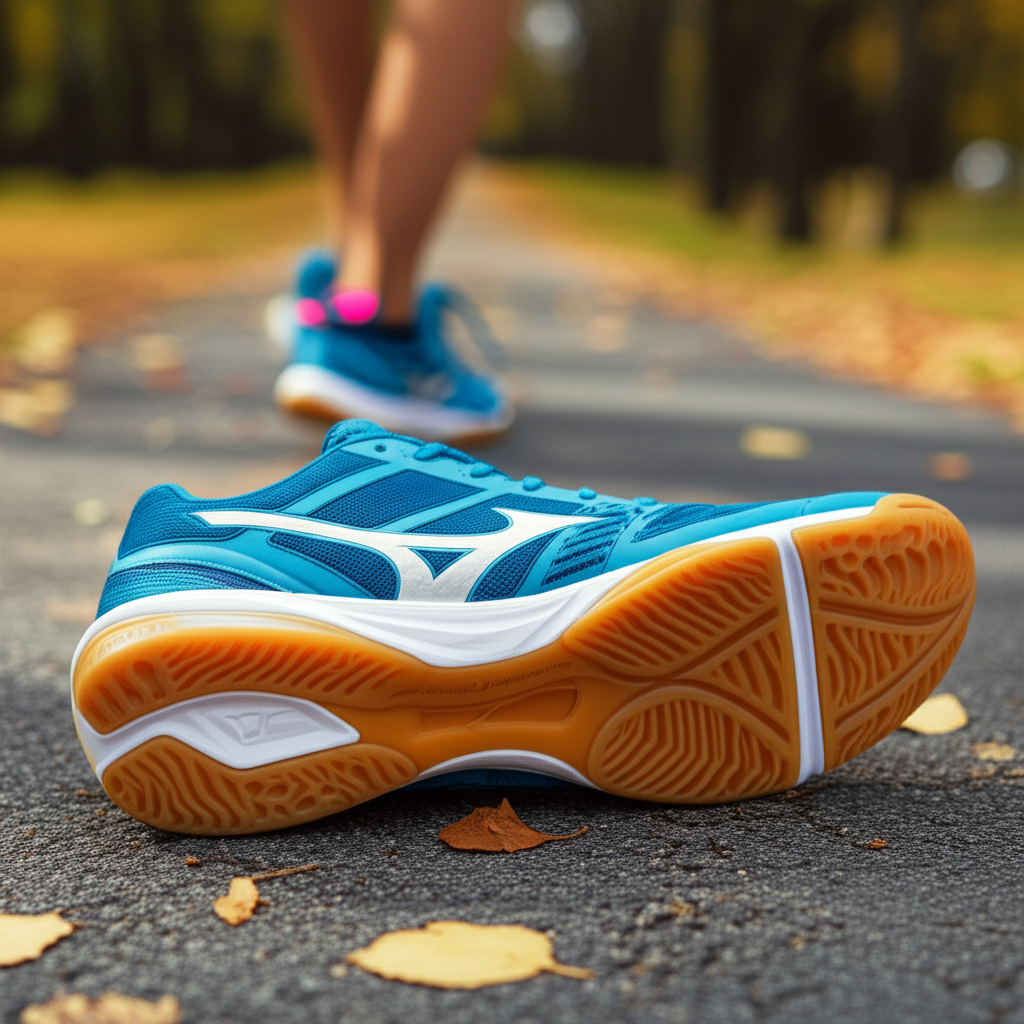
To understand why they aren’t ideal for walking, let’s look at what makes volleyball shoes special:
Superior Grip and Traction: The soles of volleyball shoes are made with non-marking rubber compounds that provide exceptional grip on indoor court surfaces. This prevents slipping during quick directional changes. While good, this aggressive tread can feel clunky and wear down quickly on abrasive outdoor surfaces like concrete or asphalt.
Excellent Cushioning for Vertical Impact: Volleyball players perform many jumps. Volleyball shoes feature specialized cushioning systems, often in the heel and forefoot, to absorb the shock of landing. This cushioning is designed for repetitive vertical impact, not the sustained, forward-motion impact of walking.
Lateral Support and Stability: To prevent ankle rolls during side-to-side movements, volleyball shoes offer robust lateral support. This often comes in the form of stiffer materials in the midfoot and reinforced sidewalls. This rigidity, while beneficial for court stability, can restrict the natural flex of the foot during walking.
Lightweight Construction: To maximize agility and reduce fatigue, volleyball shoes are typically very lightweight. This means they may offer less cushioning and support for the longer durations associated with walking.
Breathability: Many volleyball shoes feature mesh uppers for maximum breathability, keeping feet cool during intense matches. While good for sports, this can offer less protection from the elements if you’re out walking in varying weather conditions.
Forefoot Flexibility: The forefoot of a volleyball shoe is often designed to be flexible, allowing for explosive push-offs during jumps. This flexibility might not provide the consistent arch support needed for a comfortable, long walk.
The Downsides of Using Volleyball Shoes for Walking
When you wear your volleyball shoes for walking, you’re essentially using them outside their intended purpose. This can lead to a few undesirable outcomes:
Discomfort and Foot Fatigue: The specialized cushioning and support structures designed for jumping and lateral movement can feel stiff and uncomfortable during the forward-rolling motion of walking. You might experience arch pain, heel discomfort, or general foot fatigue much sooner than you would in a dedicated walking shoe.
Accelerated Wear and Tear: The aggressive tread pattern and the materials used in volleyball shoes are optimized for clean indoor courts. Walking on rougher surfaces like pavement or trails will cause the rubber to wear down much faster, diminishing the shoe’s grip and performance on the court. The flexible forefoot can also wear out quicker with constant bending.
Reduced Shock Absorption for Walking: While they cushion jumps well, the shock absorption in volleyball shoes might not be ideal for the continuous impact of walking. The specific placement and density of the cushioning are geared towards vertical landings, not the repetitive, forward impact of walking.
Potential for Injury: The lack of appropriate arch support and the rigid lateral support can, over time, contribute to issues like plantar fasciitis, shin splints, or even ankle sprains if your foot mechanics are compromised during extended walking. The stiff nature can also lead to blisters if your feet aren’t accustomed to that kind of pressure.
Loss of Court Performance: Using your volleyball shoes for walking can degrade their performance on the court. Worn-out soles lose their grip, and the cushioning can become compressed, reducing their ability to absorb impact effectively during jumps.
When Might Volleyball Shoes Be Okay for Short Walks?
There might be very specific, limited situations where wearing your volleyball shoes for a short walk isn’t the end of the world:
Walking from the car to the gym: If you’re just walking a short distance from your parking spot directly into the gymnasium, your volleyball shoes are fine.
A brief stroll around the court area: If you need to walk a few minutes to grab a drink or use the restroom within the sports facility, your shoes will likely be okay.
Cool-down walks after a match: A very gentle, short cool-down walk immediately after a game on a clean surface might be acceptable, allowing your feet to gradually adjust.
However, even in these cases, it’s generally best practice to change into more appropriate footwear if you plan on any significant walking.
What Shoes ARE Good for Walking?
If you need footwear for walking, whether it’s for exercise, running errands, or just getting around town, you’ll want to look for shoes designed specifically for this purpose. Here’s what to consider:
Key Features of Good Walking Shoes
Ample Cushioning: Walking shoes provide soft, responsive cushioning throughout the sole to absorb impact and provide comfort for extended periods. This cushioning is designed for the forward motion of walking.
Flexibility: They are designed to flex naturally with your foot as you walk, promoting a smooth heel-to-toe transition.
Arch Support: Good walking shoes offer adequate arch support to maintain proper foot alignment and prevent fatigue.
Breathability: Uppers are often made from breathable materials like mesh to keep your feet comfortable.
Durable Outsole: The outsole is typically made of durable rubber with a tread pattern suitable for various surfaces, offering good traction without being overly aggressive.
Comfortable Fit: They prioritize a comfortable fit with enough room in the toe box for your feet to expand slightly during walking.
Types of Walking Shoes
Athletic Walking Shoes: These are the most common type, offering a blend of cushioning, support, and flexibility. Brands like New Balance, Brooks, and Skechers offer excellent options.
Lifestyle Sneakers: Many casual sneakers are designed with comfort and walking in mind, though they might not offer the same level of performance as dedicated walking shoes.
Trail Walking Shoes: If you plan on walking on uneven or natural surfaces, trail walking shoes provide enhanced grip and protection.
Recommended Brands for Walking Shoes
Here are a few highly reputable brands known for their comfortable and supportive walking shoes:
Brooks: Famous for their Ghost and Adrenaline lines, offering excellent cushioning and support.
New Balance: Offers a wide range of walking shoes, including the 990 series and 800 series, known for comfort and durability.
Hoka: Known for their maximalist cushioning, providing exceptional shock absorption for long-distance walking.
Skechers: Offers a variety of comfortable and affordable walking shoes, often with memory foam insoles.
ASICS: Features popular models like the GEL-Kayano and GEL-Nimbus, providing great cushioning and stability.
For a more in-depth look at choosing the right athletic shoes, you can check out resources from USA Volleyball: https://www.usavolleyball.org/
Can Volleyball Shoes Be Worn for Other Sports?
While primarily designed for volleyball, some volleyball shoe features can translate to other indoor court sports:
Badminton: Badminton involves quick lateral movements and jumps, similar to volleyball. Volleyball shoes can offer good support and traction for badminton players.
Squash/Racquetball: These sports also require agility and quick changes in direction. The grip and lateral support of volleyball shoes can be beneficial.
Table Tennis: While less demanding, the non-marking soles and grip can be helpful for the quick footwork involved in table tennis.
However, it’s important to note that specialized shoes for these sports often have subtle design differences to optimize performance. For instance, squash shoes might have more reinforced toe areas for kicking the ball, and badminton shoes might be even lighter and more flexible.
Important Distinction: Never use volleyball shoes for outdoor sports like running, basketball, or soccer, as the surfaces and movements are too different, and it can lead to injury or damage to the shoes.
How to Care for Your Volleyball Shoes
To ensure your volleyball shoes last and maintain their performance on the court, proper care is essential:
Air Them Out: After each use, loosen the laces and let your shoes air out. This helps prevent moisture buildup and odor.
Clean Regularly: Wipe down the uppers with a damp cloth. For tougher dirt, use a mild soap and water solution. Avoid harsh chemicals.
Spot Clean Soles: Use a brush to remove any court debris stuck to the soles.
Avoid the Washing Machine/Dryer: The heat and agitation can damage the shoe’s materials, adhesives, and cushioning.
Store Properly: Keep them in a cool, dry place away from direct sunlight. Using a shoe bag can help protect them.
* Rotate Your Shoes: If you play frequently, consider having two pairs of volleyball shoes to rotate. This allows one pair to fully dry out and recover between uses, extending their lifespan.
Frequently Asked Questions About Volleyball Shoes and Walking
Q1: Are volleyball shoes comfortable for everyday wear?
A1: While some players might find them comfortable for short periods, volleyball shoes are not designed for the sustained comfort needed for all-day wear. Their specialized support and cushioning are optimized for court movements, which can feel stiff or restrictive during casual walking.
Q2: Can I wear my volleyball shoes for running?
A2: No, it is strongly discouraged. Running shoes have different cushioning, flexibility, and support systems tailored for the repetitive impact and forward motion of running. Using volleyball shoes for running can lead to discomfort, reduced performance, and a higher risk of injury.
Q3: How long do volleyball shoes typically last?
A3: The lifespan of volleyball shoes depends heavily on how often you play, your playing style, and how well you care for them. For frequent players, they might last anywhere from 6 months to a year. Proper care, like airing them out and cleaning them, can extend their life.
Q4: What’s the difference between volleyball shoes and basketball shoes?
A4: While both are court shoes, basketball shoes often offer more ankle support (higher cut) due to the increased risk of ankle injuries from jumping and landing in basketball. Volleyball shoes tend to be lighter and have a more flexible forefoot for explosive jumps and quick lateral movements specific to volleyball.
Q5: My volleyball shoes feel a bit loose. Should I wear thicker socks for walking?
A5: If your volleyball shoes feel loose, it’s best to address the fit issue directly. Wearing thicker socks might provide a temporary snugger feel, but it doesn’t solve the underlying fit problem and can even lead to blisters or discomfort during walking. It’s better to ensure a proper fit with appropriate socks for the sport you’re playing. For walking, you’d want shoes that fit correctly without needing excessive sock padding.
Q6: Can I wear my old volleyball shoes for walking if they’re worn out for playing?
A6: While you might be tempted to repurpose old volleyball shoes for walking, it’s generally not recommended if they’ve lost their essential support and cushioning. Worn-out shoes, regardless of their original purpose, can lead to discomfort and potential injuries because they no longer provide adequate support for any activity. It’s better to invest in a dedicated pair of walking shoes.
Q7: What are the best volleyball shoes for beginners?
A7: For beginners, look for shoes that offer a good balance of cushioning, support, and grip without breaking the bank. Brands like ASICS, Mizuno, and Nike often have entry-level models that provide reliable performance. Prioritize comfort and a secure fit. Visiting a specialty sports store to try on different models is highly recommended.
Conclusion: Keep Your Volleyball Shoes for the Court!
Volleyball shoes are incredible tools designed to elevate your game, providing the specific grip, cushioning, and support needed for those powerful jumps and quick digs. However, their specialized nature makes them less than ideal for the everyday demands of walking.
By understanding the unique features of volleyball shoes and the requirements of walking footwear, you can make informed decisions about what goes on your feet. Protecting your investment in your volleyball shoes means using them for their intended purpose, and keeping your feet healthy and comfortable during walks means choosing shoes designed for that activity.
So, lace up your volleyball shoes with confidence on game day, and opt for a comfortable pair of walking shoes for your strolls around town. Your feet will thank you for it! Keep practicing, keep improving, and most importantly, keep enjoying the game!