Did Volleyball Start as Men’s? Proven Origins

Volleyball’s origins trace back to a game called “Mintonette,” invented by William G. Morgan in 1895, and it was initially designed for men as a less strenuous alternative to basketball. However, it quickly gained popularity among both men and women, with women’s leagues forming soon after its creation.
Hey there, volleyball fans! Ever wondered about the history of our favorite sport? You might have heard whispers about its beginnings, perhaps even questioning if volleyball started as a men’s game. It’s a common question, and understanding the roots of volleyball can really deepen your appreciation for the game on the court. Don’t worry, we’re going to dive into the fascinating, proven origins of volleyball, clearing up any confusion. Get ready to learn how this incredible sport came to be!
The Genesis of Volleyball: A New Game for a New Era
The story of volleyball begins not with a powerful spike or a diving save, but with a desire for a different kind of athletic pursuit. In Holyoke, Massachusetts, in 1895, a YMCA physical education director named William G. Morgan was seeking a new game. He wanted something that offered a less physically demanding alternative to basketball, which was gaining traction at the time. Morgan envisioned a game that would be enjoyed by a wider range of people, including older businessmen who might find basketball too rough.
Morgan, a graduate of Springfield College (also part of the YMCA network), drew inspiration from several sports. He borrowed elements from basketball, tennis, and handball. The initial concept involved a high net and a ball batted back and forth over it, emphasizing strategy and teamwork rather than brute force. The game was first called “Mintonette,” a name that reflected its blend of different athletic influences.
From Mintonette to Volleyball: A Name Change and Global Spread
The early days of Mintonette saw it played primarily in YMCA settings. Its popularity grew steadily, and it soon became apparent that a new name was needed to better describe the action. During a demonstration in 1896 at a conference of the YMCA’s physical education directors, Professor Alfred T. Halstead observed the continuous volleying of the ball over the net. He suggested that “volleyball” would be a more fitting name, as it accurately captured the essence of the game. Morgan agreed, and thus, volleyball was born.
The game’s appeal wasn’t limited to one gender. While Morgan’s initial intention was to create a sport for a broader audience, it was quickly embraced by both men and women. The YMCA played a crucial role in disseminating the sport, and as its popularity spread across the United States, it also began to make its way internationally.
Did Volleyball Start as Men’s? The Proven Origins
Let’s address the core question head-on: Did volleyball start as men’s? The proven origins indicate that William G. Morgan invented volleyball in 1895 as a sport for a general audience, including older businessmen, making it a less strenuous option than basketball. While it was designed for a broad appeal, it was initially played by men in YMCA settings. However, it was never exclusively a men’s sport. Women began playing volleyball very early in its history, and its inclusive nature quickly led to its adoption by both genders.
The development and popularization of volleyball were driven by the YMCA, which was a significant institution for men’s physical education at the time. This might contribute to the perception that it was primarily a men’s sport in its nascent stages. However, the rules and concept of the game were gender-neutral from the outset, allowing for widespread participation.
Key Milestones in Volleyball’s Early Development:

1895: William G. Morgan invents “Mintonette” in Holyoke, Massachusetts.
1896: The game is renamed “volleyball” by Professor Alfred T. Halstead.
Early 1900s: Volleyball begins to spread internationally, with the YMCA acting as a key facilitator.
1916: The YMCA and the NCAA co-authored rules for volleyball, further standardizing the game.
1928: The United States Volleyball Association (USVBA) was formed, codifying rules for national tournaments.
It’s important to note that the early competitive scene, especially in organized leagues and tournaments, often mirrored the societal structures of the time, where men’s sports were more established. However, this doesn’t negate the fact that women participated and contributed to the sport’s growth from its early days.
The Evolution of Women’s Volleyball
While the origins might have a stronger initial association with men’s physical education programs, women’s participation in volleyball was not far behind. As the sport spread, it resonated with women seeking active and engaging recreational activities.
By the early 20th century, women were forming teams and competing. Schools and colleges began to incorporate volleyball into their physical education curricula for girls and women. The adaptability of the game, which could be played indoors or outdoors with minimal equipment, made it accessible and appealing.
The development of women’s volleyball saw its own set of pioneers and advocates. Organizations and governing bodies gradually established separate leagues and championships for women, recognizing their growing involvement and skill.
Factors contributing to women’s early adoption of volleyball:
Less Physical Demands: Compared to sports like basketball or football, volleyball was often perceived as less physically aggressive, making it a more comfortable option for many women.
Social Opportunities: Volleyball provided a social and athletic outlet that was appropriate within the social norms of the time.
Accessibility: The relatively simple equipment and court requirements made it easy to set up and play in various settings.
The growth of women’s volleyball continued steadily, leading to its inclusion in major international competitions. The International Federation of Volleyball (FIVB) was founded in 1947, and it has since been instrumental in promoting volleyball globally for both men and women.
Volleyball Today: A Truly Global and Inclusive Sport
Today, volleyball is one of the most popular sports in the world, enjoyed by millions of people of all ages and genders. Whether played on sand, indoors, or on a grass court, the game continues to evolve and capture the hearts of athletes.
The sport’s journey from a YMCA gymnasium activity to an Olympic staple is a testament to its inherent appeal and adaptability. The FIVB now sanctions World Championships, Olympic Games, and a host of other international tournaments, showcasing elite talent from every corner of the globe.
Key aspects of modern volleyball:
Olympic Sport: Volleyball has been an Olympic sport since the 1964 Tokyo Games (indoor) and beach volleyball was added in 1996 in Atlanta.
Global Reach: Played in over 200 countries, FIVB is one of the largest sports federations worldwide.
Professional Leagues: Numerous professional leagues exist globally, offering opportunities for high-level competition.
Beach Volleyball: A popular variation that adds a unique dynamic with two players per team on a sand court.
The inclusive spirit that William G. Morgan envisioned is alive and well. Volleyball is a sport where men and women compete at the highest levels, and recreational players of all backgrounds can enjoy the camaraderie and challenge it offers.
Understanding the Game: A Quick Guide for Beginners
Now that you know where volleyball came from, let’s get you ready to play! Understanding the basic rules and positions will make your first few games much more enjoyable.
The Objective of the Game
The primary goal in volleyball is to score points by grounding the ball on the opponent’s side of the court or by causing the opponent to commit an error.
Basic Rules to Get You Started:
Teams: Two teams of six players each on the court.
The Serve: The game starts with a serve, where a player hits the ball over the net to the opponent’s side.
Rally: After the serve, teams hit the ball back and forth over the net.
Touches: Each team can hit the ball a maximum of three times to return it. A block does not count as one of these three touches.
No Double Hits: A player cannot hit the ball twice in a row.
Net Play: Players cannot touch the net while the ball is in play.
Out of Bounds: The ball is out if it lands outside the court lines or hits an antenna.
Scoring: A point is scored on every rally, regardless of who served (rally scoring). Games are typically played to 25 points, win by two. A match is usually best of three or five games.
Key Volleyball Positions:
Knowing the basic positions can help you understand team strategy and where you might fit in.
| Position | Primary Role | Key Skills |
| :———— | :———————————————————————— | :—————————————————————————– |
| Setter | Directs the offense, often makes the second touch to set up hitters. | Vision, ball control, quick decision-making, accurate setting. |
| Hitter/Spiker | Attacks the ball over the net to score points. | Jumping ability, powerful arm swing, timing, court awareness. |
| Middle Blocker | Defends the net, blocks opponent’s attacks, and attacks from the middle. | Explosive jumping, quick lateral movement, timing blocks, powerful spikes. |
| Outside Hitter/Left Side Hitter | Attacks from the front left position, often primary attackers. | Versatility in hitting, passing, and defense. |
| Opposite Hitter/Right Side Hitter | Attacks from the front right position, often blocks setters. | Strong blocking, consistent attacking, often right-handed to hit around blockers. |
| Libero | Defensive specialist, wears a different color jersey, cannot attack or block. | Excellent passing, digging, and court coverage. |
Essential Gear for New Volleyball Players
Getting the right gear can make a big difference in your comfort and performance on the court. As a beginner, focus on the essentials that will help you learn and enjoy the game.
1. Volleyball Shoes:
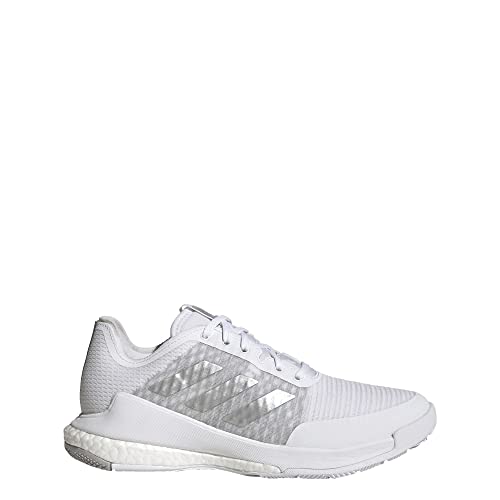
Proper footwear is crucial for preventing injuries and improving agility. Look for shoes designed specifically for indoor volleyball.
Features to look for:
Grip: Excellent traction to allow for quick stops and pivots.
Cushioning: To absorb impact from jumping.
Ankle Support: Mid-top or high-top options can provide extra stability.
Lightweight: For quick movements and jumping.
Recommended Brands (examples): Asics, Mizuno, Nike, Adidas.
2. Comfortable Athletic Clothing:
Choose breathable fabrics that allow for a full range of motion.
T-shirts or tank tops: Moisture-wicking material is ideal.
Athletic shorts or leggings: Ensure they don’t restrict your movement.
3. Knee Pads:
Volleyball involves a lot of diving and sliding, so knee pads are a must-have for protecting your knees from impact and floor burns.
What to consider:
Padding thickness: Thicker padding offers more protection.
Fit: They should be snug but not too tight, and stay in place during play.
4. Water Bottle:
Staying hydrated is vital, especially during intense play.
5. Optional: Wristbands or Headbands:
These can help manage sweat and keep hair out of your face, allowing you to focus on the game.
Drills to Improve Your Volleyball Skills
Ready to get on the court and practice? Here are some beginner-friendly drills to help you build a solid foundation.
1. Serving Practice:
Serving is the first touch of every point, so a consistent serve is key.
Underhand Serve: Start by standing behind the baseline, hold the ball in your non-hitting hand, and swing your hitting arm to make contact with the bottom of the ball. Focus on a smooth, controlled motion.
Overhand Float Serve: As you get more comfortable, practice an overhand serve. Toss the ball slightly in front of you and hit it with a flat hand, aiming to keep it from spinning. This unpredictable movement can be tough for opponents to pass.
Drill: Aim to get 10 serves in a row into the opponent’s court. Focus on accuracy over power initially.
2. Passing (Bumping) Drills:
Accurate passing is fundamental for setting up your team for attacks.
Wall Passing: Stand about 5-10 feet from a wall. Practice passing the ball against the wall, using your forearms to create a stable platform. Focus on keeping your arms straight and angled towards the wall.
Partner Passing: With a partner, stand a few feet apart and pass the ball back and forth. Gradually increase the distance as your accuracy improves. Focus on moving your feet to get in front of the ball and using a consistent platform.
Drill: See how many consecutive passes you can make with a partner without the ball hitting the floor.
3. Setting Drills:
Setting is about accurately directing the ball to your hitters.
Hand Setting Practice: Stand with a partner or face a wall. Toss the ball up to yourself and practice setting it with a relaxed, open hand formation (like making a window). Focus on using your fingertips and following through towards your target.
Target Setting: Set up targets (like cones or designated spots on the wall) and practice setting the ball to them.
Drill: Practice setting to different heights and distances for your imaginary hitters.
4. Attacking (Hitting) Basics:
Learn the fundamental motion for hitting the ball over the net.
Approach Footwork: Practice your three-step approach (left-right-left for a right-handed hitter). Focus on hitting the ball at the peak of your jump.
Arm Swing: Develop a smooth, powerful arm swing, bringing your hitting arm back and then swinging forward and upward to contact the ball.
Drill: Start with a simple toss and practice hitting the ball into a specific area of the court.
For more detailed drills and tips, check out resources from USA Volleyball: https://www.usavolleyball.org/
Frequently Asked Questions (FAQ)
Q1: What’s the best way to serve for beginners?
A1: For beginners, the underhand serve is the easiest and most consistent way to get the ball over the net. Focus on a smooth arm swing and making contact with the ball in front of your body. As you gain confidence, you can progress to the overhand float serve.
Q2: How do I know my volleyball position?
A2: Your position often depends on your strengths. Setters typically have good hands and court vision. Hitters are usually strong jumpers. Middle blockers are often tall and quick at the net. Liberos are excellent defensive players and passers. Many players start by learning all-around skills and then specialize.
Q3: What shoes should I wear for indoor volleyball?
A3: You should wear shoes specifically designed for indoor volleyball. These shoes offer excellent grip for quick movements, good cushioning for jumping, and support to prevent ankle injuries. Avoid running shoes, as they don’t provide the necessary lateral support.
Q4: How many times can a team hit the ball?
A4: A team can hit the ball a maximum of three times to return it over the net. A single player cannot hit the ball twice in a row, although a block does not count as one of the three hits, and the player who blocked can make the next hit.
Q5: What is a “dig” in volleyball?
A5: A “dig” is a defensive play where a player passes an opponent’s hard-driven attack, typically using their forearms. It’s a crucial skill for keeping the ball in play and starting your team’s offense.
Q6: Can I touch the net while playing?
A6: No, you cannot touch the net while the ball is in play. Touching the net is considered a fault, and the opposing team will be awarded a point. This rule applies to any part of your body or uniform.
Q7: What is the role of a Libero?
A7: The Libero is a specialized defensive player who can substitute freely for any back-row player without a formal substitution count. They wear a different colored jersey and cannot attack the ball above the net, serve, or block. Their primary role is to improve passing and defense.
Volleyball is a sport rich in history and dynamic in its play. From its humble beginnings as Mintonette to its status as a global phenomenon, it has always been about bringing people together through the joy of a well-played game. Whether you’re just starting or looking to refine your skills, remember that every great player began with a first serve and a willingness to learn. Enjoy your journey on the court!