Can Volleyball Hit Net on Serve? Essential Guide

Yes, a volleyball serve can hit the net and still be legal, provided it crosses over into the opponent’s court. This is a common occurrence, especially for beginners, and with the right technique, you can minimize net touches and improve your serve’s success rate.
Ever launched a serve with all your might, only to watch it kiss the net and dribble over? It’s a moment of mixed emotions – relief that it went over, but frustration that it wasn’t perfect. This happens to players of all levels, from those just picking up a volleyball to seasoned pros. Understanding the rules and how to execute a powerful, accurate serve is key to a strong game. We’re here to break down exactly what happens when your serve hits the net and how you can master this crucial skill.
Can Volleyball Hit Net on Serve? The Official Rule
Let’s get straight to the heart of it. In volleyball, a serve that touches the net and then continues into the opponent’s court is a legal play. This means the point continues, and your team can still win it! This rule is a fundamental aspect of the game and has been in place for many years, allowing for more dynamic rallies and strategic play. It’s a welcome change from older rules where any net touch on a serve was a fault.
The key takeaway here is that you don’t automatically lose the point if your serve grazes the net. However, it’s always the goal to have a clean serve that goes over without touching the net, as this generally indicates better control and power. We’ll explore how to achieve that.
Why Do Serves Hit the Net? Common Causes for Beginners
Understanding why your serve might be hitting the net is the first step to fixing it. For beginners, several factors often contribute to this common issue:
- Improper Toss: A toss that is too low, too far forward, or inconsistent can force you to adjust your swing mid-motion, leading to a net touch.
- Swing Mechanics: A swing that is too flat, too low, or lacks follow-through can result in the ball catching the top of the net.
- Foot Fault: Stepping on or over the end line before contacting the ball can disrupt your approach and swing, causing you to misjudge the ball’s trajectory.
- Lack of Power: While it might seem counterintuitive, sometimes a lack of power means the ball doesn’t have enough momentum to clear the net cleanly.
- Focus on Aim, Not Technique: Beginners often focus so intently on where they want the ball to go that they forget the fundamental mechanics of the serve itself.
- Court Awareness: Not understanding the correct serving zone or the distance to the net can lead to a serve that is too short or hit at an angle that favors the net.
Mastering the Volleyball Serve: A Step-by-Step Guide
Ready to improve your serve and reduce those frustrating net touches? Follow these steps to build a solid foundation:
1. The Serve Stance: Finding Your Foundation

Your stance is crucial for balance and power. Start with your feet shoulder-width apart, with your non-hitting foot slightly forward. Your weight should be balanced, ready to shift forward as you swing.
- Stand facing the net, perpendicular to it.
- Place your feet shoulder-width apart.
- Your dominant foot should be slightly ahead of your non-dominant foot.
- Distribute your weight evenly, ready to transfer it forward.
2. The Ball Toss: Consistency is Key
This is arguably the most important part of a good serve. A consistent toss sets you up for a successful hit.
- Hold the ball with your fingertips, not your palm.
- Toss the ball slightly in front of you and slightly to your hitting side.
- Aim for a height that allows you to hit the ball at the peak of its reach, extending your arm fully.
- Use a gentle, controlled motion with your tossing arm, almost like lifting the ball upwards. Avoid flicking your wrist.
- Practice your toss repeatedly without even hitting the ball until it feels natural and consistent.
3. The Swing: Power and Precision
Your swing should be fluid and powerful, originating from your legs and core, and transferring through your arm to the ball.
- Preparation: Bring your hitting arm back, like drawing a bowstring.
- Contact: Swing forward and up, making contact with the ball at the highest point of your reach. Use the heel of your hand or a firm, open hand.
- Follow-Through: Continue your arm swing across your body after contact. This helps with power and direction.
- Leg Drive: As you swing, step forward with your back foot, transferring your weight from back to front. This adds significant power.
4. Foot Fault Prevention: Stay Behind the Line
Remember to stay behind the end line until after you contact the ball. Take a small step forward with your back foot as you swing, but ensure no part of your foot touches the line or the court before contact.
5. Practice Drills: Sharpening Your Skills
Consistent practice is non-negotiable. Here are a few drills to help you improve:
- Toss and Hold: Practice your toss repeatedly. Hold the ball at the peak of your reach. This helps develop muscle memory for the correct toss height and placement.
- Shadow Serving: Go through your entire serving motion without a ball. Focus on the fluidity of your stance, toss, swing, and follow-through.
- Target Practice: Place targets (cones, towels) in different areas of the opponent’s court. Practice hitting specific zones, aiming to keep the ball in play and over the net. Start close to the net if needed, then gradually increase the distance.
- Net-Clearance Drills: Stand closer to the net than the end line and practice serving the ball over the net. Focus on a clean contact and follow-through, aiming to clear the net without touching it. Gradually move back to the end line.
Understanding Different Types of Serves
While the basic mechanics are similar, different serves offer distinct advantages:
The Underhand Serve
This is often the first serve beginners learn. It’s simpler to execute and good for building confidence.
- How to: Stand facing the net, hold the ball in your non-hitting hand. Swing your hitting arm in a pendulum motion, contacting the ball with the heel of your hand.
- Pros: Easy to learn, good for control, less prone to errors.
- Cons: Lacks power and speed, easily attacked by opponents.
The Overhand Float Serve
This serve is more advanced but very effective. It’s hit with an open hand and aims to have no spin, causing it to “float” unpredictably in the air.
- How to: Similar to the overhand topspin serve, but contact is made with a firm, open hand (like slapping the ball). Aim to hit the ball flat, without any spin.
- Pros: Difficult for opponents to pass due to its unpredictable movement, good for challenging receivers.
- Cons: Requires more control and practice to execute effectively; can also be prone to net touches if not hit correctly.
The Overhand Topspin Serve
This is the most common and powerful serve in modern volleyball. It’s hit with a full arm swing and topspin, causing the ball to dip down quickly after crossing the net.
- How to: Execute a full arm swing, contacting the ball with the heel of your hand or the palm. Your hand should “brush” down the back of the ball, imparting topspin. Follow through upwards and across your body.
- Pros: High speed, aggressive, dips into the court, making it hard to return.
- Cons: Requires significant practice to master the technique and avoid net faults.
Gear Up for Success: What You Need
While skill is paramount, the right gear can make a difference. You don’t need a lot to start, but a few key items can enhance your experience and performance.
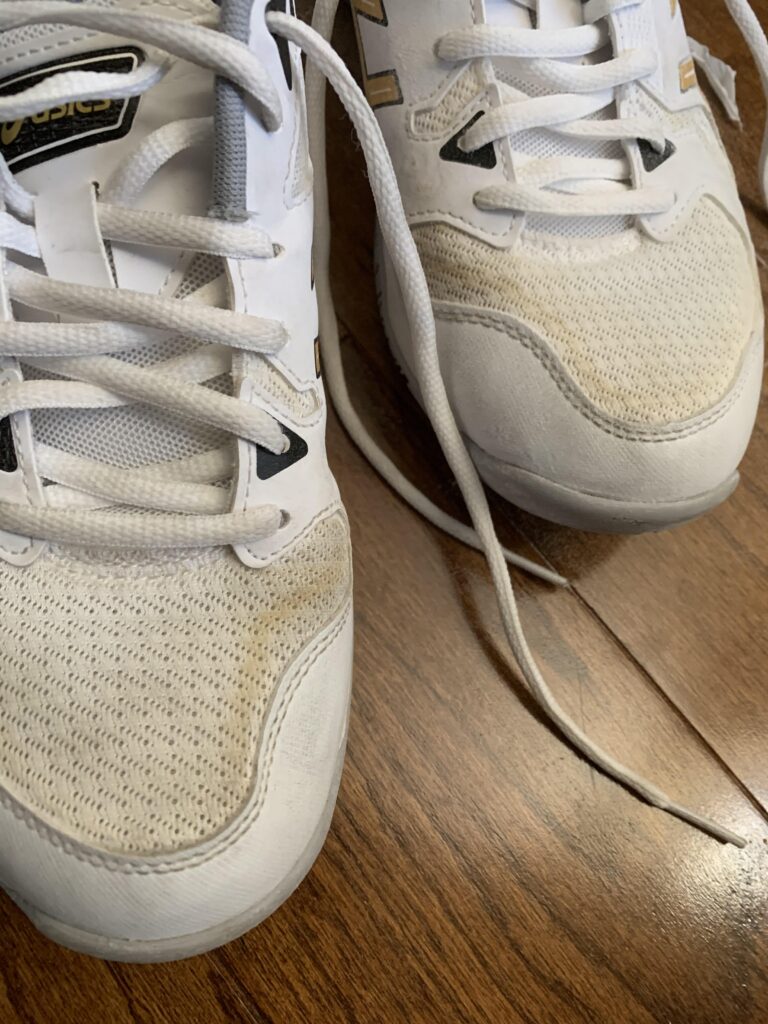
Volleyball Shoes
Proper footwear is essential for stability, grip, and preventing injuries on the court. Look for shoes designed specifically for indoor volleyball.
| Feature | Importance | What to Look For |
|---|---|---|
| Grip/Traction | Crucial for quick movements, stops, and changes of direction. | Non-marking rubber soles with excellent tread patterns. |
| Cushioning | Absorbs impact from jumping and landing, protecting joints. | Midsole cushioning technologies (e.g., EVA foam, gel inserts). |
| Ankle Support | Helps prevent ankle rolls, especially during lateral movements. | Mid-top or high-top designs, or shoes with supportive collars. |
| Lightweight Design | Allows for faster footwork and reduced fatigue. | Materials that offer support without excessive weight. |
Popular brands for volleyball shoes include ASICS, Mizuno, Nike, and Adidas. Many beginner-friendly options are available at reasonable price points.
Volleyballs
For practice, you might use a standard indoor volleyball. If you’re practicing serves at home or in a park, a slightly softer, lighter ball might be more forgiving. For serious players, investing in a quality official-size and weight ball is recommended.
- Official Size/Weight: FIVB approved balls are typically synthetic leather and meet specific weight and circumference standards.
- Practice Balls: Some balls are designed with softer covers for comfort during extensive practice.
Common Mistakes to Avoid When Serving
Beyond the net touch, other mistakes can hinder your serve:
- Inconsistent Toss: As mentioned, a bad toss is a recipe for disaster.
- No Follow-Through: A short, abrupt swing limits power and control.
- Stiff Arm: A rigid arm won’t generate much power. Keep it relaxed until the point of contact.
- Looking Down at the Ball: Keep your eyes on the ball throughout the toss and contact, but also be aware of where you’re aiming.
- Panicking on a Net Touch: If your serve hits the net, stay focused. It’s still in play! Don’t let it shake your confidence for the next serve.
Professional Insights and Resources
For those who want to dive deeper into the technical aspects of volleyball serving, consider these resources:
- USA Volleyball: The national governing body for the sport in the United States, offering coaching resources, drills, and rule interpretations. Visit USA Volleyball.
- Fédération Internationale de Volleyball (FIVB): The international governing body, providing official rules, training programs, and high-level insights into the game. Visit FIVB.
- Sports Science Journals: For advanced analysis of biomechanics and performance, research in sports science journals can offer detailed explanations of optimal serving techniques.
Frequently Asked Questions (FAQ)
Q1: What happens if my serve hits the net and goes back onto my side of the court?
A1: If your serve hits the net and lands back on your side of the court, or does not cross into the opponent’s court, it is a fault, and the opposing team wins the point.
Q2: Is there a specific rule about how high the ball must be when I serve?
A2: No, there isn’t a rule about the exact height of your toss. The important thing is that you contact the ball after it has been tossed and that the toss is consistent enough for you to execute a clean swing.
Q3: How can I practice serving if I don’t have a full court or teammates?
A3: You can practice your toss and swing motion anywhere. To practice serving over the net, you can use a basketball hoop, a fence, or even just a rope tied between two points at net height. Focus on consistency and form.
Q4: Should I always aim for a powerful serve?
A4: While power is good, consistency and accuracy are often more important, especially for beginners. A powerful serve that goes into the net or out of bounds is less effective than a consistent serve that lands in play.
Q5: How much should I bend my knees when serving?
A5: Bending your knees and using your legs to generate power is crucial for an effective overhand serve. You should bend them enough to allow for a good transfer of weight and an upward drive through your body during the swing.
Q6: What’s the best way to serve for beginners?
A6: The underhand serve is generally the easiest for beginners to learn and build confidence with. Once comfortable, transitioning to a simple overhand serve with a focus on consistent toss and a smooth swing is the next step.
Q7: Can I jump when I serve?
A7: Yes, you can jump when you serve, as long as you do not contact the ball while on or over the end line. This is known as a jump serve and is a more advanced technique that adds significant power and a higher contact point.
Conclusion: Serve with Confidence!
The volleyball serve is a foundational skill, and hitting the net is a hurdle many players overcome. By understanding the rules, focusing on consistent technique—especially your ball toss—and practicing diligently, you can significantly improve your serve. Remember that every player, from novice to pro, has faced this challenge. Embrace the learning process, celebrate small victories, and keep practicing. Soon, those net touches will become fewer, and your serves will be a powerful weapon in your game!