Volleyball Shoes for Tennis: Proven Success

Yes, volleyball shoes can be a surprisingly effective choice for tennis, offering excellent support and traction for quick movements. This guide explores why and how to leverage volleyball shoe benefits for your tennis game.
Ever found yourself on the tennis court, wishing your footwear could keep up with your explosive movements? You’re not alone! Many players wonder if shoes designed for other sports can boost their tennis performance. It turns out, the agility and support needed for volleyball translate remarkably well to the demands of tennis. This article will break down exactly why volleyball shoes are a fantastic, often overlooked, option for tennis players and how to make the most of them. Get ready to discover a new way to dominate the court!
The Unexpected Connection: Volleyball Shoes and Tennis
Volleyball and tennis, while different sports, share a surprising number of physical demands. Both require players to make rapid lateral movements, jump explosively, and maintain stable footing for powerful strokes and dives. This is where volleyball shoes shine. They are engineered with specific features to support these dynamic actions, making them a strong contender for your tennis footwear needs.
Think about it: a volleyball player needs to jump high for blocks and spikes, land softly to absorb impact, and quickly change direction to defend. Similarly, a tennis player pivots, lunges, and sprints to return shots. The design considerations for volleyball shoes often directly address these very needs.
Key Features of Volleyball Shoes That Benefit Tennis Players
Let’s dive into the specific characteristics of volleyball shoes that make them a great choice for the tennis court:
- Excellent Cushioning: Volleyball shoes typically feature advanced cushioning systems, especially in the midsole. This is crucial for absorbing the impact of repeated jumping and landing, which is common in both sports. For tennis players, this means reduced stress on your joints, especially your knees and ankles, allowing you to play longer and with more comfort.
- Superior Traction: The outsoles of volleyball shoes are designed with specific tread patterns to provide maximum grip on indoor court surfaces. This is vital for preventing slips during quick stops, pivots, and lateral movements. In tennis, this superior traction allows for confident acceleration and deceleration, giving you a competitive edge.
- Lateral Support: Volleyball requires significant side-to-side movement. Consequently, volleyball shoes often have reinforced uppers and supportive structures along the sides to prevent ankle rolls and provide stability during these movements. This feature is invaluable for tennis players who constantly perform lunges and quick directional changes.
- Lightweight Design: To facilitate explosive jumps and quick reactions, volleyball shoes are generally kept lightweight. This allows for greater agility and speed on the court, helping you cover more ground and react faster to your opponent’s shots.
- Breathability: Most volleyball shoes incorporate mesh materials in their construction to ensure good airflow. This keeps your feet cool and dry, even during intense matches, which is essential for comfort and preventing blisters.
Why Consider Volleyball Shoes Over Traditional Tennis Shoes?
While dedicated tennis shoes are designed for the sport, there are several reasons why volleyball shoes might be a better fit for some players:
- Versatility: If you play both volleyball and tennis, or participate in other indoor court sports, a good pair of volleyball shoes can serve multiple purposes, offering excellent performance across different activities.
- Cost-Effectiveness: Sometimes, high-quality volleyball shoes can be found at a more accessible price point than top-tier tennis shoes, offering great value without compromising on performance features.
- Specific Needs: Players who experience ankle instability or require more cushioning might find the specific design elements of volleyball shoes to be more beneficial than what is offered in some tennis shoe models.
Choosing the Right Volleyball Shoes for Your Tennis Game
Not all volleyball shoes are created equal, and selecting the right pair for tennis involves considering a few key aspects:
Key Features to Look For:

- Midsole Cushioning: Look for shoes with responsive cushioning like EVA foam or gel inserts. Brands often highlight their cushioning technology (e.g., Mizuno’s Wave technology, ASICS’ GEL).
- Outsole Grip: A non-marking rubber outsole with a good tread pattern is essential. Circular patterns or herringbone designs often provide excellent multi-directional grip.
- Ankle Support: Consider shoes with a mid-top or high-top design if you tend to roll your ankles or need extra stability. However, many players prefer low-tops for maximum ankle mobility.
- Durability: The shoe should be built to withstand the rigors of court play. Check for reinforced toe caps and durable upper materials.
- Fit: This is paramount. The shoe should fit snugly but comfortably, with enough room in the toe box for your toes to splay slightly. Try them on with the type of socks you typically wear for tennis.
Popular Brands and Technologies to Consider:
Several brands are renowned for their high-performance volleyball shoes that can translate well to tennis:
- Mizuno: Known for their “Wave” technology, which provides excellent cushioning and energy return, and their focus on stability. The Mizuno Wave Momentum and Wave Lightning series are often cited as versatile options.
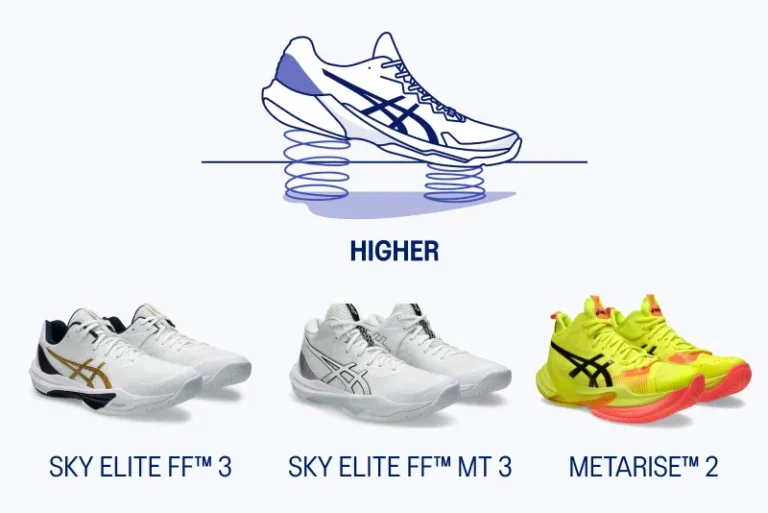
- ASICS: Their GEL cushioning system is a staple, offering superior shock absorption. Models like the ASICS Sky Elite FF or Netburner Ballistic FF are popular choices.
- Adidas: Adidas offers various technologies like Boost and Bounce for cushioning and responsiveness. The Adidas Crazyflight is a well-regarded volleyball shoe that can also perform well on the tennis court.
Making the Transition: Tips for Using Volleyball Shoes on the Tennis Court
Once you’ve chosen your volleyball shoes, here are some tips to ensure a smooth and effective transition:
- Break Them In: Before a serious match, wear your new shoes for a few practice sessions. This allows them to mold to your feet and helps you get accustomed to their feel and support.
- Focus on Footwork: Pay attention to how the shoes enhance your footwork. Practice quick stops, starts, and pivots to fully utilize the enhanced traction and support.
- Listen to Your Body: While volleyball shoes offer great benefits, always be mindful of how your feet and body feel. If you experience any discomfort or unusual fatigue, reassess the fit or consider if a different shoe might be more suitable for your specific needs.
- Court Surface Awareness: Volleyball shoes are primarily designed for indoor courts. Ensure the surfaces you play tennis on are similar (e.g., indoor hard courts, wood floors) to maximize their performance and prevent premature wear.
Drills to Maximize Your Volleyball Shoes on the Tennis Court
Here are a few drills that will help you appreciate and utilize the unique benefits of your volleyball shoes for tennis:
Drill 1: Agility Cone Drills
- Set up a series of cones in a zig-zag pattern.
- Sprint forward, then shuffle laterally around each cone, focusing on quick stops and changes of direction.
- The superior traction of your volleyball shoes will allow you to push off and stop with more confidence, improving your agility.
Drill 2: Lunge and Recover
- Start at the baseline.
- Perform a deep lunge forward and to the side, mimicking a defensive shot.
- Explosively push off with your front foot to return to a ready stance.
- The cushioning and lateral support will help absorb the impact of the lunge and provide stability for your recovery.
Drill 3: Jump and Land
- Mimic a volleyball spike or block by performing a vertical jump.
- Focus on landing softly and controlled, with your knees bent.
- The advanced cushioning in volleyball shoes will be your best friend here, reducing impact on your joints. Practice repeating this motion to build leg strength and improve landing mechanics.
Comparing Volleyball Shoes with Other Court Shoe Options
To help you understand where volleyball shoes fit in, here’s a comparison with other common court shoe types:
| Shoe Type | Primary Sport | Key Features for Tennis | Potential Drawbacks for Tennis |
|---|---|---|---|
| Volleyball Shoes | Volleyball | Excellent cushioning, high traction, good lateral support, lightweight. | May offer less forefoot flexibility than some tennis shoes; durability on abrasive outdoor courts can be a concern. |
| Tennis Shoes | Tennis | Designed for lateral movement, durable outsoles for various court surfaces, good balance of support and flexibility. | Cushioning can vary greatly; some models may be heavier or less breathable. |
| Basketball Shoes | Basketball | Excellent ankle support (often high-top), good cushioning for impact. | Can be too heavy and restrictive for tennis; less emphasis on lateral agility compared to volleyball shoes. |
| Running Shoes | Running | Lightweight, excellent cushioning for forward motion. | Poor lateral support; outsoles not designed for side-to-side court movements, leading to slips and potential injury. |
Expert Insights and Authoritative Resources
Understanding the biomechanics of sports footwear is key to making informed choices. According to resources like USA Volleyball, the specific design of volleyball shoes prioritizes shock absorption and stability for vertical and lateral movements, which are directly transferable to tennis. Similarly, the Fédération Internationale de Volleyball (FIVB) emphasizes the importance of appropriate footwear for player safety and performance.
Sports science research often highlights that proper footwear can significantly reduce the risk of injuries such as ankle sprains and stress fractures. The combination of cushioning, stability, and traction found in high-quality volleyball shoes aligns with these principles, making them a viable and beneficial option for tennis players seeking performance enhancement and injury prevention.
Frequently Asked Questions (FAQ)
Q1: Can I really use volleyball shoes for playing tennis?
A: Absolutely! Volleyball shoes are engineered with features like excellent cushioning, superior traction, and strong lateral support, which are highly beneficial for the dynamic movements required in tennis. Many players find them to be a comfortable and effective alternative to traditional tennis shoes.
Q2: What’s the main difference between volleyball shoes and tennis shoes?
A: While both are designed for court sports, volleyball shoes often prioritize maximum cushioning and stability for vertical jumping and quick lateral changes, especially on indoor courts. Tennis shoes are typically designed with more durable outsoles for a variety of court surfaces and a balance of support and flexibility for linear and lateral movements.
Q3: Are volleyball shoes good for outdoor tennis courts?
A: Volleyball shoes are primarily designed for indoor, non-abrasive court surfaces. Their outsoles may wear down more quickly on rough outdoor courts, and they might not offer the same grip on varied outdoor surfaces. For outdoor tennis, dedicated tennis shoes are generally recommended.
Q4: How do I know if a volleyball shoe will fit my tennis needs?
A: Look for volleyball shoes with good midsole cushioning (like EVA or GEL), a non-marking rubber outsole with a reliable tread pattern, and sufficient lateral support. The fit should be snug but comfortable. Trying them on with your usual tennis socks is a good idea.
Q5: Will using volleyball shoes affect my tennis performance?
A: In most cases, using well-chosen volleyball shoes can enhance your tennis performance by providing excellent cushioning and traction, allowing for more confident movement. However, it’s always best to break them in properly and see how they feel during your play.
Q6: Are there any specific volleyball shoe models that are particularly good for tennis?
A: Models known for their versatility and advanced cushioning/support, such as the Mizuno Wave Momentum or Wave Lightning, and ASICS Sky Elite FF or Netburner Ballistic FF, are often recommended. These shoes offer a good blend of features beneficial for tennis.
Q7: Do I need high-top volleyball shoes for extra ankle support in tennis?
A: High-top volleyball shoes can offer additional ankle support, which might be beneficial if you have a history of ankle injuries or feel unstable. However, many tennis players prefer low-top shoes for greater ankle mobility, which is also crucial for quick footwork. It depends on your personal preference and needs.
Conclusion: Elevate Your Game with the Right Footwear
The world of sports footwear is vast, and sometimes the best solutions come from unexpected places. Volleyball shoes, with their focus on explosive movement, cushioning, and stability, offer a compelling and effective option for many tennis players. By understanding the features that make them suitable and choosing a pair that aligns with your specific needs, you can enhance your performance, improve comfort, and potentially reduce your risk of injury on the tennis court.
So, next time you’re looking for that perfect pair of court shoes, don’t overlook the power of volleyball footwear. Give them a try, and you might just find your new secret weapon for dominating the tennis game!