La Sportiva Bushido II Trail Running Shoes: Best Guide

Introduction
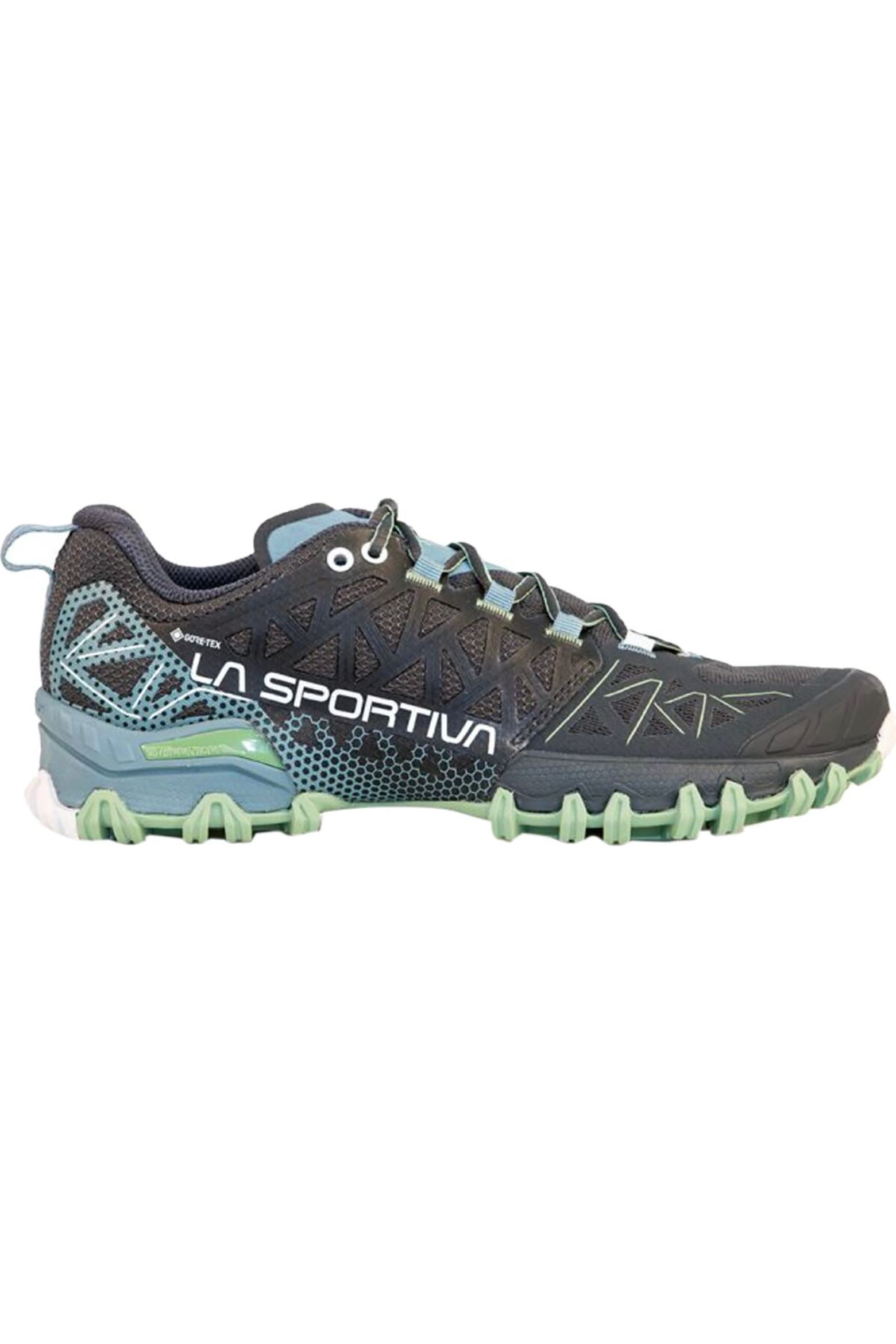
The La Sportiva Bushido II is a technical trail running shoe made for runners in the United States who spend time on rocky, uneven trails. It suits hard-packed paths, mountain routes, desert tracks, and mixed terrain where grip and foot control matter more than soft road-shoe comfort.
The shoe has a snug, performance-focused fit. Its firm midsole, low profile, and sticky rubber help you feel the ground and hold an edge. That same design may feel too narrow, too firm, or too low for runners who want a plush shoe for long road-to-trail miles.
This guide explains what the Bushido II does well, where it falls short, how it fits, and which U.S. runners should consider it.

Quick answer: Is the La Sportiva Bushido II a good trail shoe?
Yes, the La Sportiva Bushido II is a strong choice for technical trail running, especially on rocky and uneven ground. It offers:
- A secure, close-fitting upper
- A low and stable platform
- Aggressive traction for loose and rocky trails
- Good foot protection for a light trail shoe
- A precise feel for climbs, descents, and side slopes
It is less suitable if you need:
- A wide toe box
- A highly cushioned ride
- A waterproof shoe
- A soft shoe for pavement
- A roomy fit for swollen feet on very long runs
The main trade-off is simple: the Bushido II gives you control and trail feel, but not much extra room or softness.
The exact weight, colors, materials, and available sizes may vary by model year and U.S. market. Always check the current La Sportiva USA listing before buying.
What the Bushido II is designed to do
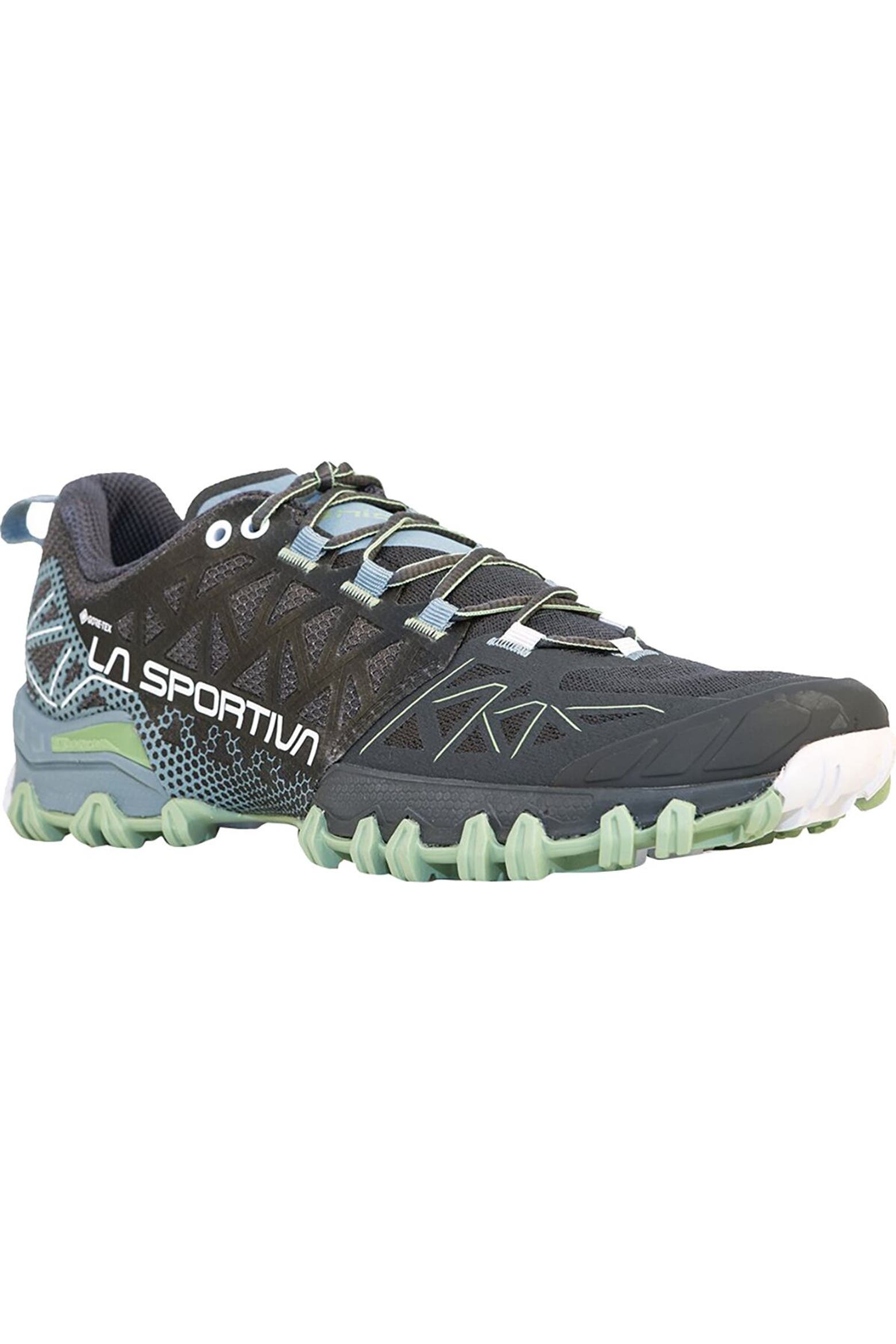
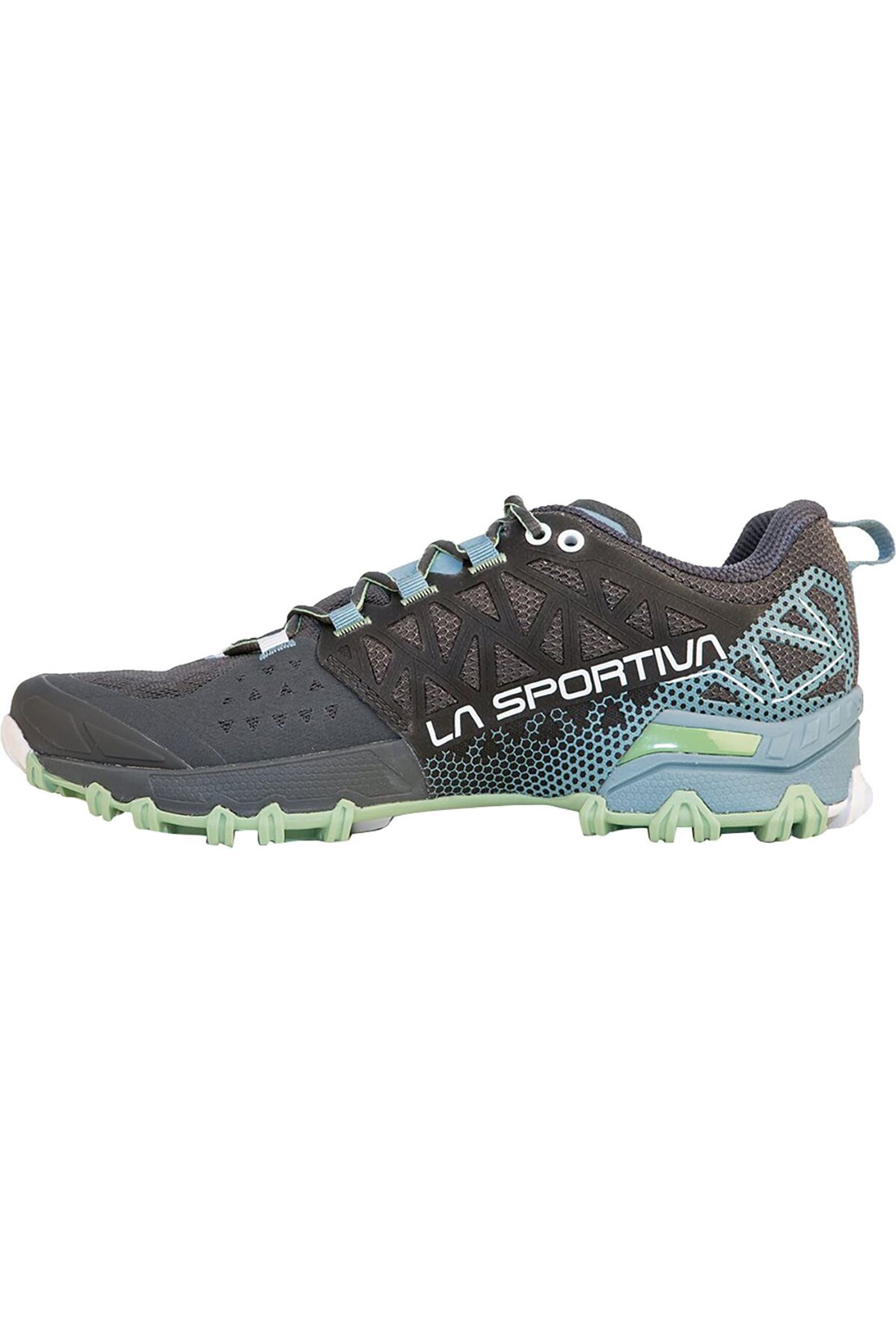
The Bushido II is a technical trail shoe, not a road shoe with a few shallow lugs. La Sportiva builds it around control on uneven ground.
Its low shape helps reduce the feeling of standing high above the trail. This can make it easier to place your feet on rocks, roots, and narrow ledges. The shoe also uses a firm structure to help limit unwanted foot movement.
The outsole uses La Sportiva’s FriXion rubber, with a lug pattern designed for trail grip. Lug shape and rubber compound both affect traction. Rubber can grip smooth rock well, while lugs help the shoe bite into dirt and loose soil.
The Bushido II also includes La Sportiva’s Impact Brake System design. This refers to the angle and layout of the outsole lugs. The goal is to help control braking forces on descents. It does not remove the risk of slipping, especially on wet leaves, mud, ice, or polished rock.
Key design features
| Feature | What it means on the trail |
|---|---|
| Low-profile platform | Better ground feel and a stable stance |
| Technical trail outsole | More useful grip on rocks, dirt, and uneven ground |
| Firm midsole | Precise control, but less plush comfort |
| Protective upper structure | Helps shield the foot from trail debris |
| Snug fit | Reduces foot movement, but may feel tight |
| Moderate heel-to-toe drop | A middle-ground setup for many runners |
| Non-waterproof construction | Better ventilation than a waterproof membrane, but less weather protection |
La Sportiva has changed some details across versions and colorways. Check the current product page for the exact drop, weight, materials, and outsole information for the pair you plan to buy.
How the Bushido II fits
The Bushido II usually has a snug, performance-oriented fit. It is often more suitable for narrow to medium-width feet than for broad feet.
The upper aims to hold the foot in place. That is useful when you run across a slope or descend a rocky path. A loose shoe can let the foot slide forward or sideways. A secure shoe can feel more controlled.
However, a close fit can create pressure at the toes or forefoot. Feet often swell during long runs. A size that feels perfect for a short test may feel too tight after several hours.
Fit checks to use before buying
Try the shoes with the socks you use for trail running. Then check these points:
- Your toes should not press against the front.
- Your heel should stay in place when you walk downhill.
- Your forefoot should not feel pinched at the sides.
- You should be able to wiggle your toes.
- The tongue and laces should not create hot spots.
- The shoe should feel secure without needing very tight laces.
Leave some space in front of your longest toe. The exact amount depends on your foot, downhill style, and sock thickness. If your toes touch the front while walking downhill, the shoe is likely too short.
Does the Bushido II run small?
Some runners may find the Bushido II short or narrow, but fit is personal. Foot shape, sock thickness, and the intended use all matter.
If you are between sizes, compare the brand’s U.S. size chart with your measured foot length. Do not rely on your usual size alone. La Sportiva sizing can feel different from other running brands.
A wide-foot runner may need to try the shoe in person. Going up in length can create extra toe room, but it does not always solve pressure across the forefoot.
How the Bushido II performs on different trails
The Bushido II works best when the trail demands careful foot placement. It feels most at home on rocky paths, steep singletrack, and mountain routes.
Rocky and technical trails
This is the shoe’s strongest use. The firm platform and structured upper help create a precise feel. The outsole can provide useful grip on dry rock and mixed surfaces.
The shoe does not make technical terrain easy by itself. Your pace, balance, weather, and skill still control your safety. On wet rock, traction can change quickly.
Hard-packed dirt
The Bushido II can perform well on firm dirt. Its lugs provide more bite than a road shoe, while the low platform keeps the ride controlled.
The firm feel may be welcome on short and moderate trail runs. Some runners may want more cushioning for very long hard-packed routes.
Loose gravel and scree
The outsole can help on loose ground, but no shoe can prevent every slip. Use shorter steps and keep your center of mass balanced over your feet.
The shoe’s close fit may help when the terrain moves underfoot. It can also make the ride feel harsh if you prefer a soft, forgiving midsole.
Mud and wet trails
The Bushido II is not a dedicated mud shoe. Its lugs can shed some dirt, but deep mud can fill any outsole pattern. Wet grass, slick roots, and smooth stone also reduce grip.
For regular muddy conditions, look for a shoe with a more suitable lug pattern and rubber compound. For snow and ice, use traction devices made for those conditions rather than expecting a trail shoe to act like a winter boot.
Pavement and sidewalks
You can use the Bushido II for short paved sections. It is not the best tool for long road runs. The firm outsole and trail tread may feel less smooth than a road shoe, and the lugs may wear faster on asphalt.

Cushioning, stability, and protection
The Bushido II favors stability and trail feedback over maximum cushioning. That balance helps runners who want to feel the path beneath them.
A firm shoe is not automatically safer or better. It simply creates a different response. Some runners like the direct feel. Others prefer a softer midsole that reduces impact sensation over long distances.
The shoe’s low stance can help with balance on uneven terrain. It may also feel less comfortable to runners who want a high-stack shoe with more foam under the foot.
Protection comes from the outsole, upper structure, and toe area. This can reduce discomfort from small rocks and trail debris. It does not make the shoe puncture-proof, waterproof, or suitable for every hazard.
Who may like this ride?
The Bushido II may suit you if you:
- Prefer a firm and responsive trail shoe
- Run on rocky or technical terrain
- Want strong foot hold
- Like a low-to-the-ground feel
- Need a shoe for steep and uneven trails
- Prefer control over a soft ride
You may prefer another design if you:
- Need a roomy toe box
- Often run more than 20 miles at a time
- Move between trail and pavement
- Want a soft, cushioned ride
- Have foot pain that worsens in firm shoes
- Need waterproof protection
A shoe cannot correct an injury or replace a professional assessment. If pain continues, changes your stride, or appears during normal walking, stop using the shoe and seek qualified medical advice.

Bushido II versus other trail shoe types
The right comparison depends on your trail and your feet. A shoe with more cushion may feel better for a long run, while a firmer shoe may feel better on a steep, rocky route.
| Shoe type | Main advantage | Main compromise |
|---|---|---|
| Bushido II-style technical shoe | Control and grip on uneven ground | Less roomy and less plush |
| Max-cushion trail shoe | Comfort over long distances | Less direct ground feel |
| Lightweight race shoe | Low weight and quick response | Often less protection and durability |
| Road-to-trail shoe | Smooth transition to pavement | Usually less grip on technical terrain |
| Mud-specific shoe | Better bite in soft ground | Can feel harsh on rock and pavement |
| Waterproof trail shoe | Better protection from rain and puddles | Less breathability and slower drying |
This table does not name a universal winner. It shows the main decision. Choose the Bushido II when technical control matters more than softness, width, or road comfort.
How to choose the right Bushido II size
Measure both feet near the end of the day. Feet can expand after walking or running. Use the larger foot when comparing your measurement with the current U.S. size chart.
Wear your normal trail socks. If you use thicker socks in winter, test the shoes with those socks. Lace the shoes firmly, then walk on a slope if the store allows it.
For online purchases, review the seller’s return policy before wearing the shoes outdoors. Keep the original packaging until you know the fit works.
A useful test is the downhill check. Walk down stairs or a sloped surface. Your toes should not hit the front, and your heel should not lift sharply. If you must over-tighten the laces to stop movement, the shape may not match your foot.
Breaking in and caring for the shoes
The Bushido II may feel firm and structured at first. Begin with short walks or easy runs. This helps you find pressure points before committing to a long trail day.
Keep the shoes clean with a soft brush and cool water. Remove dirt from the outsole before it hardens. Avoid a washing machine, strong heat, and direct contact with a heater. High heat can affect adhesives, foam, and upper materials.
Let the shoes dry at room temperature. Remove the insoles if they are wet. Do not store the shoes while damp, as this can create odor and may damage materials over time.
Check the outsole and upper often. Replace the shoes when the tread no longer gives reliable grip, the midsole feels flat, the upper cannot hold the foot, or the shoe causes new pressure points.
Mileage is only a rough guide. Rock, pavement, runner weight, weather, and cleaning habits all change wear speed.

Common mistakes when buying the Bushido II
The most common mistake is choosing it for the wrong kind of run. A technical trail shoe can feel excellent on rocks and tiring on pavement.
Other mistakes include:
- Buying the usual size without checking the fit
- Ignoring forefoot width
- Testing the shoe only on flat ground
- Wearing thin store socks instead of trail socks
- Assuming aggressive lugs work well in every kind of mud
- Treating a non-waterproof shoe as a rain shoe
- Taking a new pair on a long race without a short test
- Tightening the laces until numbness begins
If your toes go numb, loosen the laces and check your sock thickness. If the problem remains, the shoe may be too narrow or the shape may not suit your foot.
If your heel slips, try a heel-lock lacing method. Do not use extreme lace tension to force a poor fit.

Frequently asked questions
Is the La Sportiva Bushido II good for beginners?
It can work for beginners who run on rocky or technical trails and like a firm, secure fit. It may not be the easiest first trail shoe for a runner who wants soft cushioning or a wide, relaxed shape.
Is the Bushido II waterproof?
No. The standard Bushido II is not a waterproof trail shoe. It may handle light splashes, but water can enter through the upper. A waterproof model or trail gaiter may be better for wet conditions, though waterproof footwear can feel warmer and dry more slowly.
Can I use the Bushido II for hiking?
Yes, many runners and hikers use lightweight trail shoes for day hikes. Check the fit, pack weight, terrain, and weather. For heavy loads, extended off-trail travel, or ankle support needs, a hiking shoe or boot may be more suitable.
Is the Bushido II suitable for wide feet?
It may not be the best match for wide feet because its fit is generally close and performance-focused. Try it on with your trail socks before buying. Do not assume a longer size will solve all width issues.
Is the Bushido II good for ultramarathons?
It can work for an ultramarathon if the fit, cushioning, and terrain match your needs. The main concern is comfort over many hours. Test it on long training runs first, especially if your feet swell or you prefer a soft ride.
How long does the Bushido II last?
There is no reliable mileage number for every runner. Replace the shoes when grip, cushioning, structure, or fit has declined enough to affect comfort or control. Heavy pavement use may wear the outsole faster than trail-only use.
Final verdict
The La Sportiva Bushido II is best for U.S. trail runners who want a stable, close-fitting shoe for rocky and technical routes. It offers useful grip, strong foot control, and a direct feel.
Its limits matter just as much. The fit may be narrow for some feet. The ride may feel firm on long runs. It is not waterproof, and it is not designed to replace a road shoe or a deep-mud shoe.
Choose it when your priority is precise control on uneven trails. Look elsewhere when your priority is maximum cushion, extra width, long pavement comfort, or wet-weather protection. Before your first long run, confirm the current U.S. specifications, test the fit with your trail socks, and build up distance in small steps.