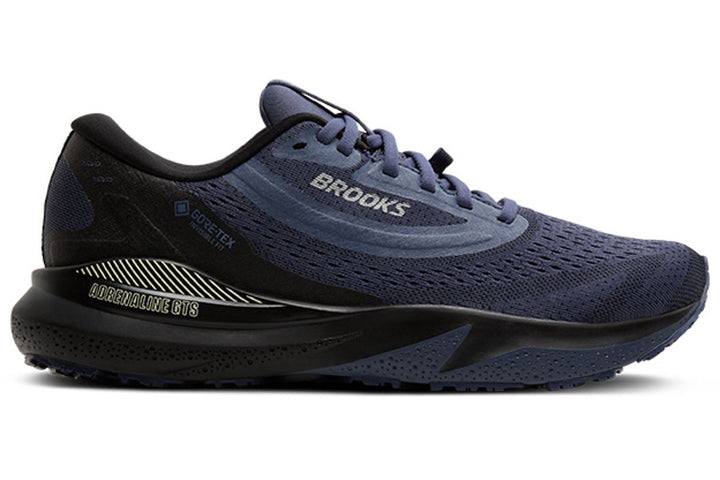
Women’s Gore Tex Running Shoes: Best Picks For 2026

Women’s gore tex running shoes keep feet dry, warm, and comfortable in wet, windy conditions.
If you run in rain, slush, mud, or cold morning weather, women’s gore tex running shoes can make a huge difference. I’ve seen them help runners stay consistent through messy seasons because they protect without feeling bulky, and that balance is the whole point. In this guide, I’ll break down how they work, when they’re worth it, what to look for, and how to choose a pair that fits your runs, your climate, and your comfort goals.

What women’s gore tex running shoes are and how they work
Women’s gore tex running shoes are trail or road running shoes built with a Gore-Tex waterproof-breathable membrane. That membrane acts like a barrier against outside water while still letting some sweat vapor escape. In plain English, it helps keep rain, puddles, and slush out without making your feet feel trapped.
This matters most for runners who train in changing weather. A normal mesh shoe can dry fast, but it also lets water in fast. A women’s gore tex running shoe gives you a better chance of staying comfortable when the weather turns ugly.
The key idea is simple:
• Waterproof on the outside
• Breathable enough for running use
• Better protection in wet, cold, or mixed conditions
From experience, the biggest mistake people make is assuming Gore-Tex means “perfectly dry forever.” It does not. If water comes in over the top of the shoe, or if your socks get soaked from sweat, you still end up wet. But for rain and wet ground, these shoes can be a real game-changer.
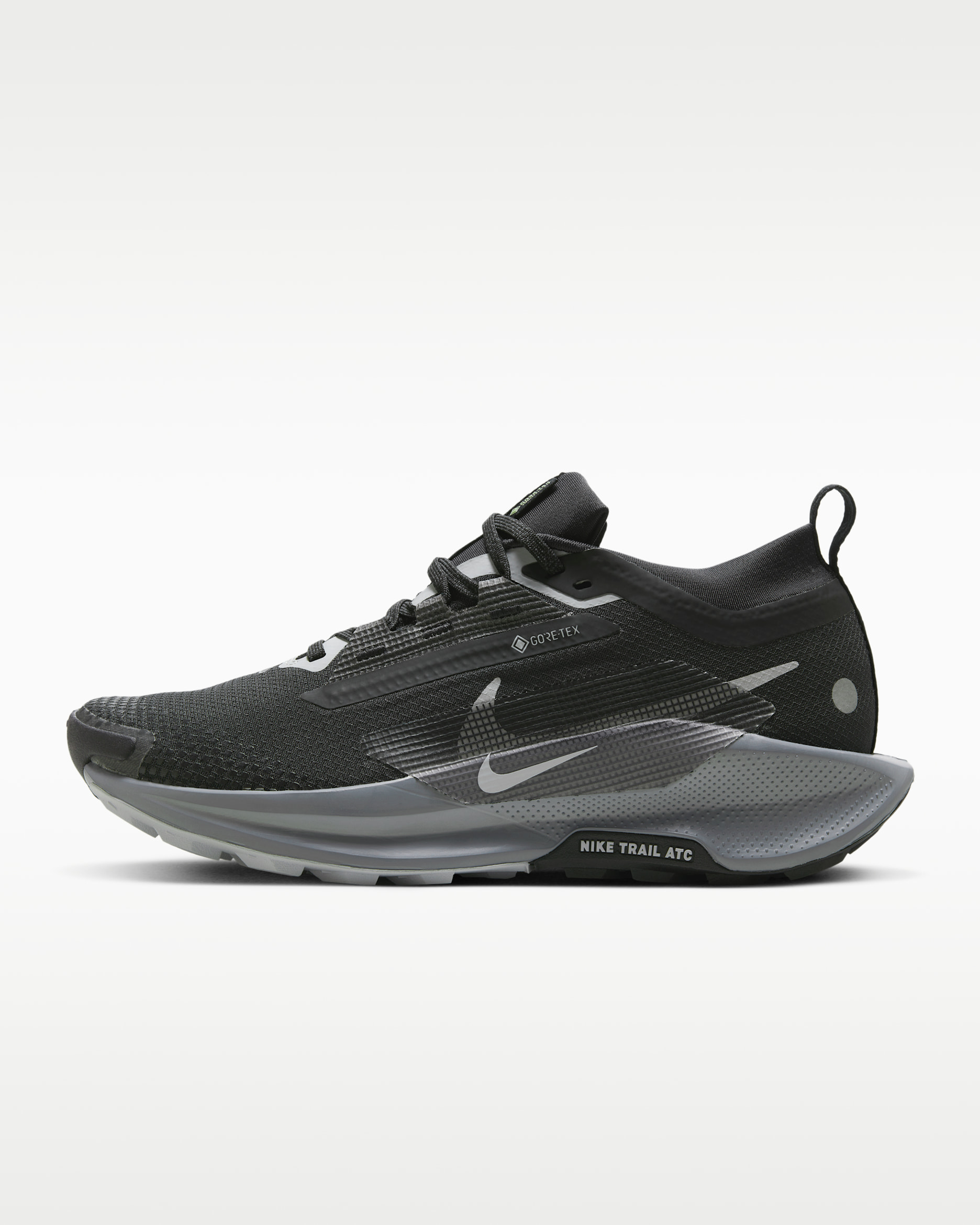
Why runners choose women’s gore tex running shoes
Most runners do not buy women’s gore tex running shoes just for one feature. They buy them because weather can ruin a run, and these shoes help remove that problem. When your feet are dry and warm, it is easier to keep a steady pace and enjoy the run.
Here are the most common reasons runners reach for them:
• Wet weather training becomes more manageable
• Cold-weather runs feel less miserable
• Muddy paths are easier to handle
• Long runs in mixed conditions feel more stable
• Commuter runners get better all-day comfort
I remember one winter run where regular mesh shoes left my feet cold within minutes. Switching to a Gore-Tex pair made the run feel more normal, even though the sidewalks were soaked. That kind of comfort can change your whole attitude toward bad weather.
They are also useful if you run early in the morning or live in a rainy area. If the forecast is often “maybe rain,” women’s gore tex running shoes can be a smart piece of gear rather than a luxury.
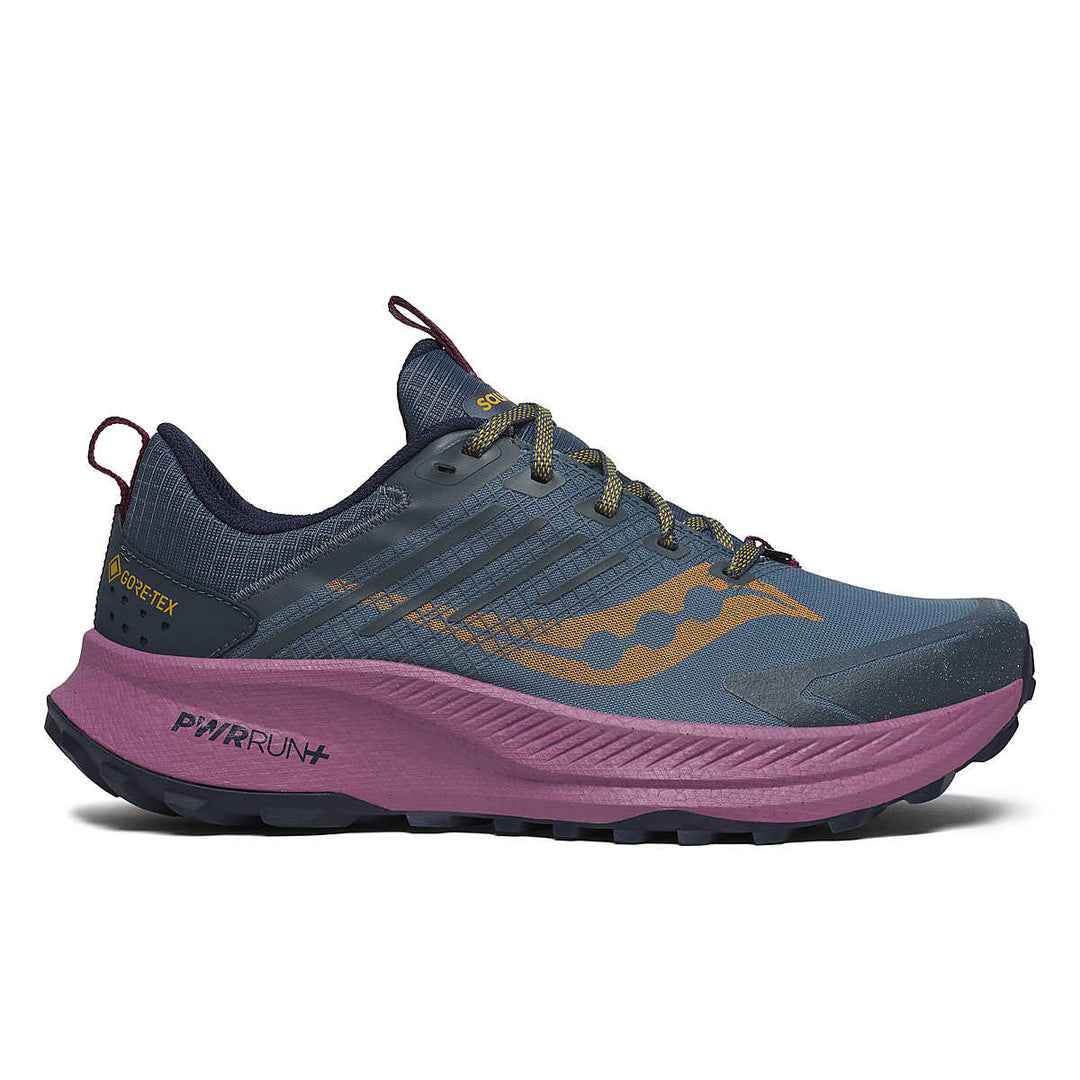
Key benefits of women’s gore tex running shoes
Women’s gore tex running shoes come with several benefits, but the value depends on how and where you run. The best part is not just dryness. It is the way that dryness supports comfort, focus, and consistency.
Wet-weather protection
The main benefit is water resistance. The Gore-Tex membrane blocks rain and splashes better than standard mesh uppers. That can help prevent the cold, heavy feeling that comes from soaked shoes.
Better comfort in cold conditions
Dry feet hold warmth better. That matters in winter, when wet shoes can make even a short run feel longer. For many women runners, this is the main reason to switch.
More confidence on messy routes
When you are less worried about puddles and slush, your stride feels freer. That mental comfort is underrated. A lot of runners perform better when they are not constantly trying to dodge every wet spot.
Good for light trail use
Many women’s gore tex running shoes are made for trail running or mixed terrain. They often have grippy outsoles that help on dirt, gravel, and damp paths. That makes them practical for runners who move between roads and parks.
More seasonal flexibility
A single pair can carry you through fall, winter, and early spring. If you run year-round, that versatility is valuable. It can reduce the need for multiple special-purpose shoes.
I always tell runners to think about use case first. If most of your runs are dry, you may not need Gore-Tex every day. But if rain, slush, and cold are normal for you, the comfort payoff is real.
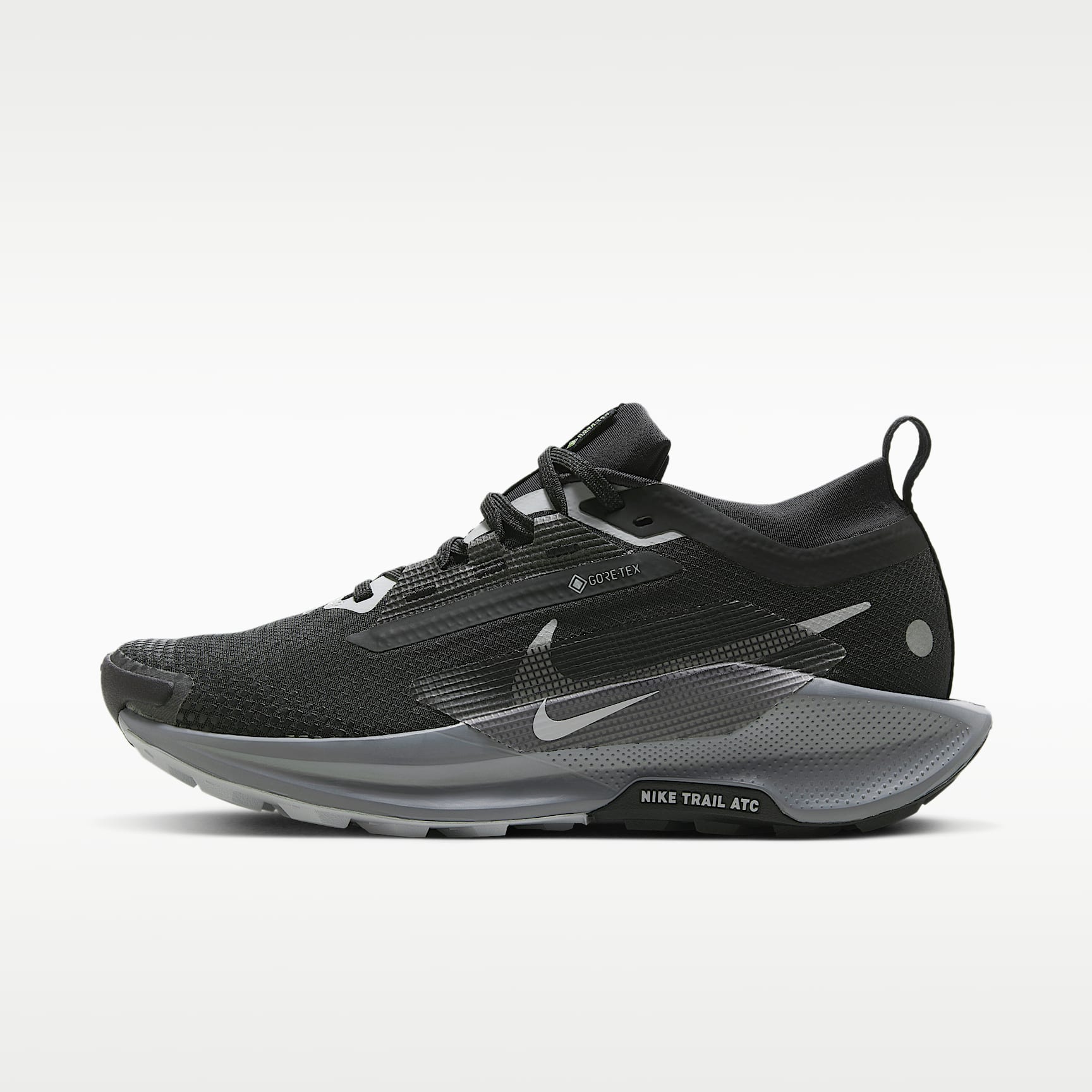
Limitations you should know before buying
Women’s gore tex running shoes are helpful, but they are not perfect for every runner. Being honest about the limits helps you buy smarter.
They may feel warmer
Waterproof shoes can trap more heat than regular mesh shoes. In mild or hot weather, that can feel stuffy. If you run in a warm climate, this is a real concern.
They are not fully waterproof from the top
If water gets in around the ankle collar or tongue opening, your feet can still get wet. Deep puddles and heavy rain can beat any shoe if the water enters from above. That is a limitation many first-time buyers overlook.
They can dry more slowly
Because the upper is built to block water, it may also dry slower after a soaked run. If you run back to back days, that matters. Good shoe rotation helps here.
They may feel a bit stiffer
Some women’s gore tex running shoes feel less airy than standard versions. Over time, many runners adapt to this, but the first impression can be different. Fit and flex matter a lot.
A practical lesson I learned: do not buy them only because of the “waterproof” label. Buy them because they match your weather, route, and comfort needs. That keeps disappointment low and value high.

How to choose the right women’s gore tex running shoes
Picking the right pair is about more than choosing the prettiest color. The best women’s gore tex running shoes fit your foot shape, your running style, and your weather conditions.
Start with your running surface
Think about where you run most often:
• Road running: choose a lighter shoe with a smoother ride
• Trail running: choose deeper lugs and better traction
• Mixed terrain: look for a balanced outsole and stable platform
If you run on wet pavement, you may want a lighter waterproof trainer. If you run on muddy trails, traction becomes more important than weight.
Check the fit carefully
Fit matters just as much as the membrane. Make sure there is enough toe room for swelling on longer runs. A shoe that is too tight can make waterproof materials feel even more restrictive.
Look for:
• Secure heel hold
• Enough forefoot space
• Comfortable midfoot lockdown
• No rubbing at the ankle collar
Pay attention to cushioning
Cushioning changes the feel of the shoe. Some runners want soft protection for long runs. Others want a firmer, more responsive ride for speed work or short runs.
Look at traction
Wet ground can be slippery. A good outsole with smart lug placement can improve grip on rain-soaked roads, dirt, and leaf-covered paths. This matters more than many shoppers realize.
Think about your weather reality
Ask yourself:
• Do I run in steady rain?
• Do I face snowmelt or slush?
• Do I need warmth more than breathability?
• Will I wear these in spring and fall, or all year?
If your answer is mostly “yes,” women’s gore tex running shoes may be worth the investment. If not, a regular pair plus good socks may be enough.

Best use cases for women’s gore tex running shoes
Women’s gore tex running shoes shine in certain situations and are less useful in others. Knowing the difference helps you spend money wisely.
They are a strong choice for:
• Rainy city runs
• Wet fall training
• Winter road runs
• Slushy sidewalks
• Light to moderate trail running
• Travel when weather is unpredictable
They may not be the best pick for:
• Hot summer running
• Mostly indoor treadmill use
• Very dry climates
• Race day if you want the lightest possible shoe
One thing I have learned over years of testing running gear is that a shoe can be “great” and still not be right for your life. The best gear is the gear you actually use. Women’s gore tex running shoes make the most sense when wet weather is part of your regular routine.

Materials and design details that matter
Not all women’s gore tex running shoes feel the same. Small design choices can change comfort, durability, and performance.
Upper construction
The upper usually combines the Gore-Tex membrane with synthetic overlays or mesh layers. This gives the shoe structure and weather resistance. A softer upper may feel more flexible, while a reinforced upper can feel more protective.
Midsole foam
The midsole affects shock absorption and energy return. Some shoes feel plush and easy on long runs. Others feel lighter and more responsive.
Outsole rubber
Outsole rubber quality matters for grip and durability. Wet traction is especially important for rainy conditions. If you run on slick surfaces often, look closely at tread design.
Tongue and collar design
A gusseted tongue can help block debris and reduce water entry. A padded collar can improve comfort, especially in colder weather. Little details like these make a bigger difference than marketing often suggests.
When shopping, do not focus only on “waterproof.” Look at the whole package. The best women’s gore tex running shoes combine protection, fit, and traction in a way that feels natural on the run.
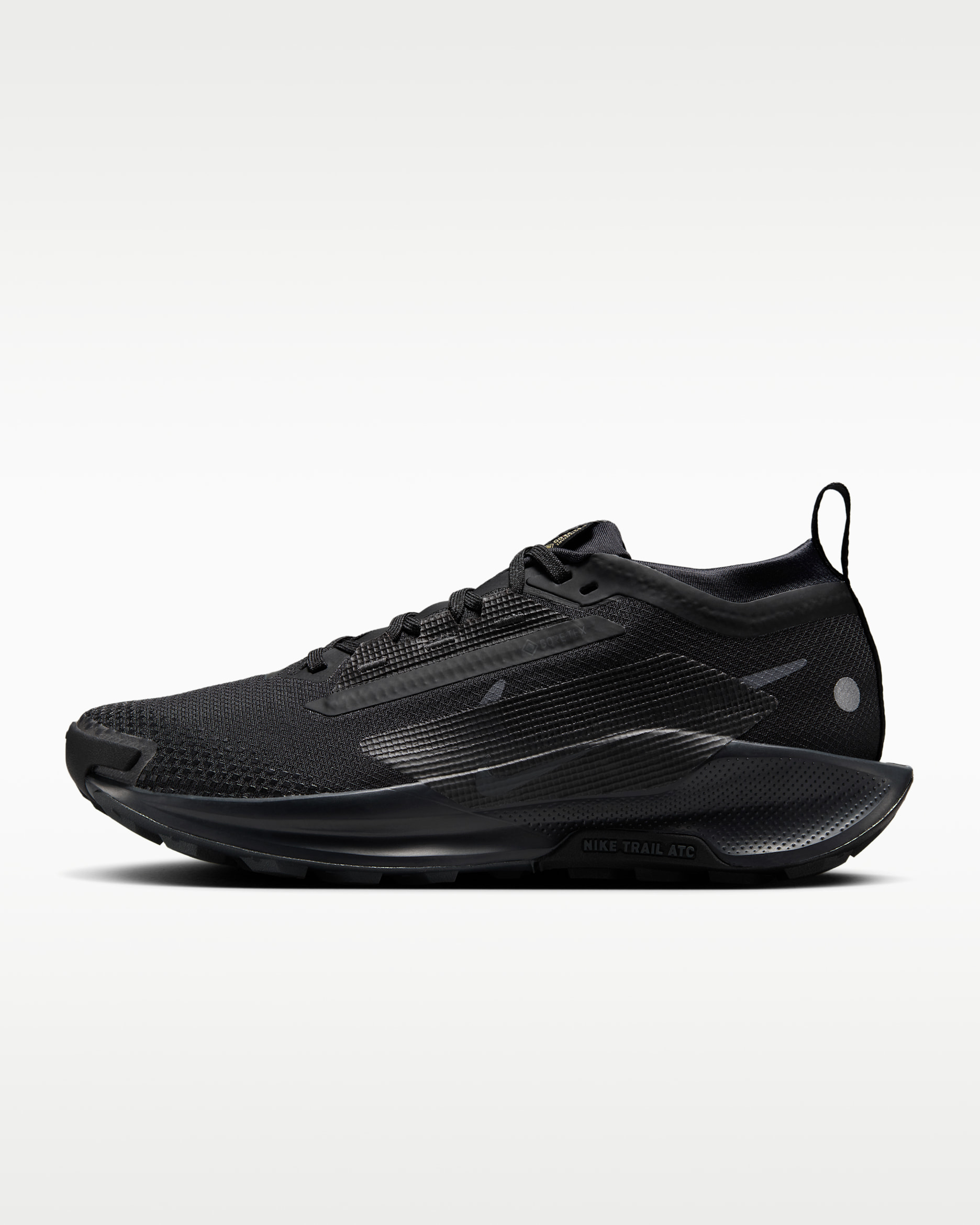
How to care for women’s gore tex running shoes
Good care helps women’s gore tex running shoes last longer and perform better. It also keeps them more comfortable over time.
Here are simple care tips:
• Rinse off mud and salt after runs
• Let them air dry at room temperature
• Remove insoles if they are damp
• Avoid direct heat like radiators or dryers
• Use a soft brush for dirt on the outsole
• Rotate with another pair if possible
I have seen people ruin perfectly good shoes by blasting them with heat after a wet run. That can damage materials and shorten life. Gentle drying is the safer choice.
Also, do not forget the socks. A good synthetic or merino wool sock can improve moisture control a lot. Sometimes the shoe gets the credit, but the sock does a lot of the work.
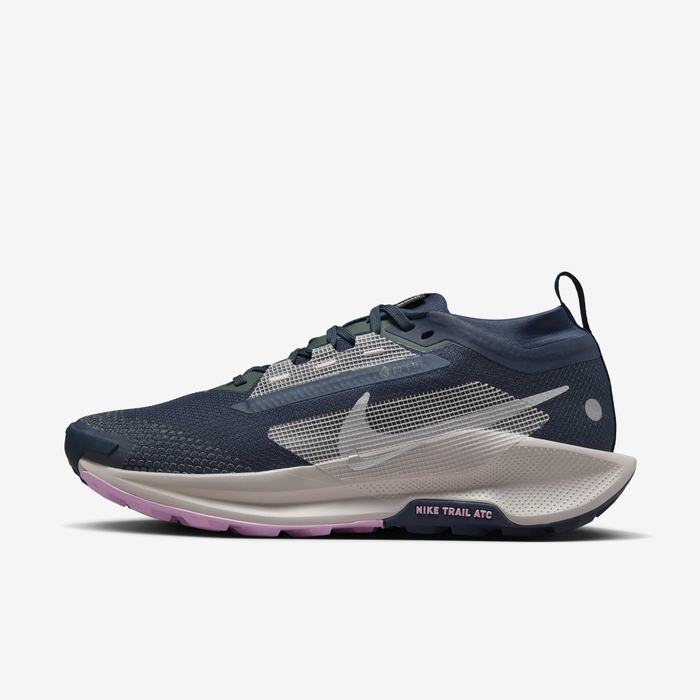
Women’s gore tex running shoes versus regular running shoes
The choice between women’s gore tex running shoes and regular mesh running shoes depends on your climate and priorities. Both have a place.
Regular running shoes are better when:
• Breathability is the top priority
• Weather is warm and dry
• You want a lighter, cooler feel
• You run mainly on indoor or dry routes
Women’s gore tex running shoes are better when:
• Rain and cold are common
• You want more protection from puddles and slush
• You run in unpredictable weather
• You need a more seasonal shoe
A simple way to think about it: mesh shoes are like a screen door, while Gore-Tex is more like a rain jacket. One breathes more freely. The other protects better when the weather turns mean.
Frequently asked questions
Are women’s gore tex running shoes truly waterproof?
They are highly water-resistant and designed to block rain and splashes, but they are not magic. Water can still enter from the top if conditions are severe or if you step into deep water.
Can I wear women’s gore tex running shoes in summer?
Yes, but they may feel warmer and less breathable than regular running shoes. In hot weather, many runners prefer lighter mesh models for better airflow.
Do women’s gore tex running shoes need special socks?
No special socks are required, but moisture-wicking socks help a lot. Merino wool or synthetic running socks usually work better than cotton because they reduce dampness and friction.
Are women’s gore tex running shoes good for trail running?
Yes, many are excellent for trail running because they combine weather protection with traction. Just make sure the outsole and lug pattern match the trail conditions you face.
How long do women’s gore tex running shoes last?
Their lifespan depends on mileage, terrain, and care, just like any running shoe. Many runners replace them after the same general wear range as regular trainers, often before the outsole or cushioning breaks down.
Conclusion
Women’s gore tex running shoes are a smart choice if your runs often involve rain, slush, cold air, or muddy paths. They help keep feet drier, warmer, and more comfortable, which can make it easier to stay consistent through tough weather. The key is choosing the right pair for your routes, your climate, and your fit needs.
If you run where the weather changes fast, these shoes can feel less like a luxury and more like a tool that keeps you moving. Take time to compare fit, traction, and cushioning, and you will end up with a pair that truly supports your runs. Explore a few options, try them on if you can, and choose the one that matches your real life best.