
Lone Peak 6 Trail Running Shoes: Best Trail Grip

Lone Peak 6 trail running shoes are roomy, cushioned, zero-drop trail shoes built for natural foot movement.
If you want a trail shoe that feels stable, flexible, and easy on long miles, the Lone Peak 6 is a name worth knowing. I’ve spent enough time in trail shoes to see how small details change the whole run, and the Lone Peak 6 trail running shoes stand out for their natural fit, grippy outsole, and comfort-first design. Let’s break down what they do well, where they fall short, and whether they still make sense for your kind of running.
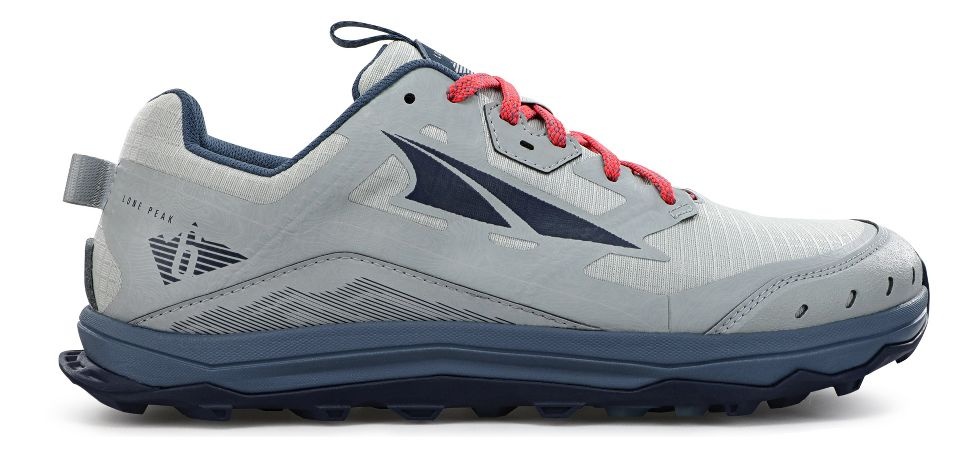
What the Lone Peak 6 Trail Running Shoes Are
The Lone Peak 6 trail running shoes are part of Altra’s well-known trail line. They are designed for runners who want a zero-drop platform, a wide toe box, and a shoe that lets the foot move more naturally on dirt, gravel, rocks, and light technical trails.
The big idea behind the Lone Peak 6 trail running shoes is simple. They try to feel less like a stiff machine and more like a strong, guided extension of your foot. That matters if you run long, hike-run, or just want room for your toes to spread out.
A few core traits define this model:
- Zero-drop design: The heel and forefoot sit at the same height.
- FootShape toe box: Your toes have more room to spread.
- Moderate cushioning: Enough protection for many trail miles without feeling bulky.
- Trail-ready outsole: Built for traction on mixed terrain.
In real use, that combo gives the Lone Peak 6 trail running shoes a very distinct feel. Some runners love that freedom right away. Others need time to adjust, especially if they are used to traditional shoes with a higher heel drop.
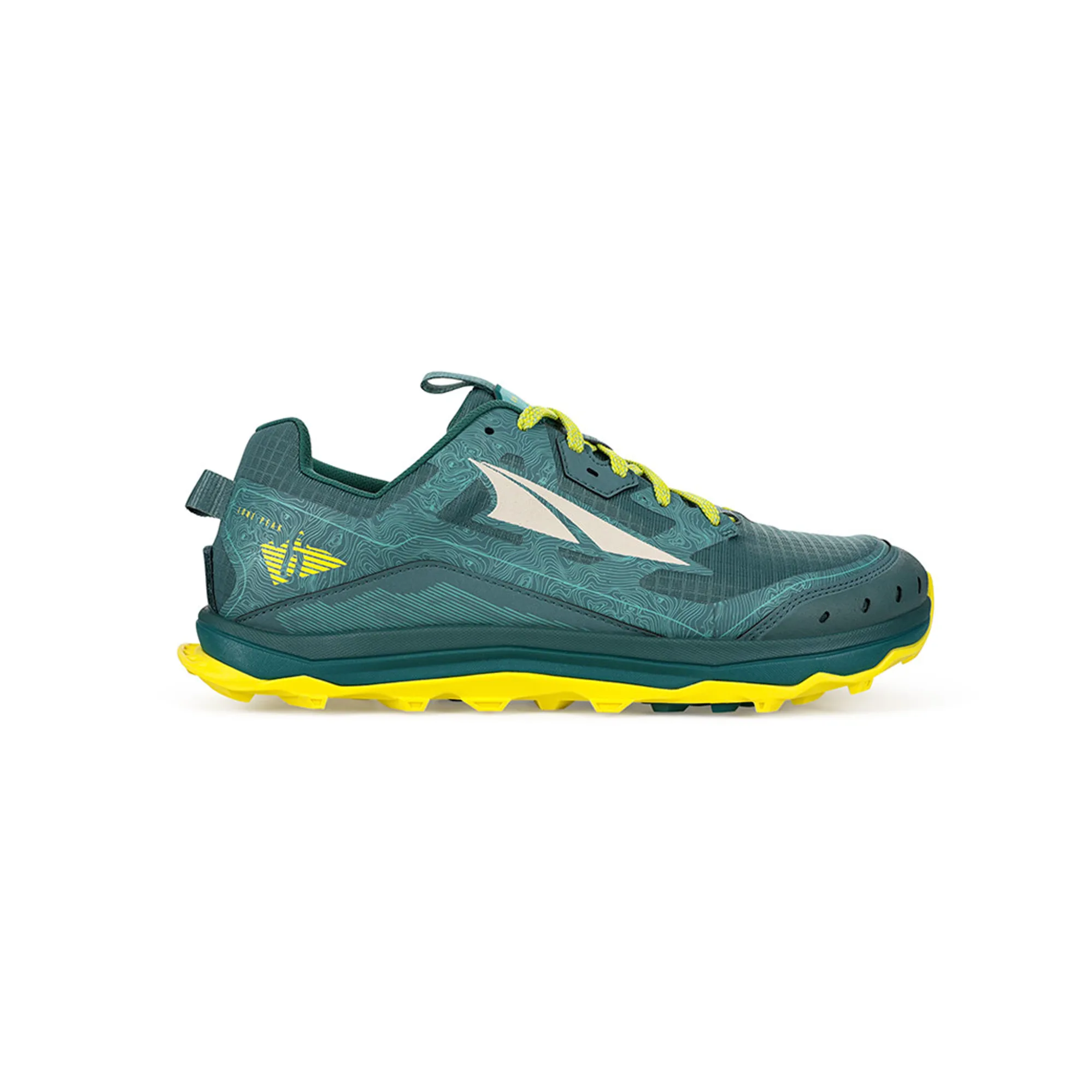
Main Features and Design Details
The Lone Peak 6 trail running shoes are packed with features that matter on the trail. The design is not flashy, but it is thoughtful. That is usually what experienced trail runners notice first.
Zero-drop platform
The zero-drop setup is one of the biggest reasons people choose Lone Peak 6 trail running shoes. It keeps the heel and forefoot level, which may encourage a more natural stride for some runners.
For runners who like midfoot or forefoot movement, this can feel smooth and balanced. For runners coming from high-drop shoes, the transition should be slow and careful.
FootShape toe box
This is one of Altra’s signature features. The toe box gives your toes more space to splay, which can help reduce cramped feelings on longer runs or descents.
I’ve found that toe room matters more on trails than on roads. When your feet swell late in a run, a narrow shoe can start to feel like a handshake that never ends. The Lone Peak 6 trail running shoes avoid that problem better than many mainstream trail shoes.
Cushioning and midsole
The cushioning is not maximal, but it is comfortable. It offers a soft enough ride for long outings while still keeping ground feel.
This balance is important. Too much foam can make a trail shoe feel unstable on rocks and roots. The Lone Peak 6 trail running shoes stay in a middle zone that many trail runners appreciate.
MaxTrac outsole
The outsole uses lugged rubber for grip across dirt, packed trails, and loose ground. Traction is one of the strongest practical parts of the shoe.
On dry terrain, the grip feels confident. In mud or wet rock, no outsole is perfect, but the Lone Peak 6 trail running shoes still perform respectably for an all-around trail model.
GaiterTrap system
The GaiterTrap feature helps attach trail gaiters without much fuss. That is a small detail, but on dusty or debris-heavy trails, it can make a big difference.
If you run in sandy, rocky, or brushy areas, this is a useful touch. It shows the Lone Peak 6 trail running shoes were built with real trail use in mind.

How the Lone Peak 6 Trail Running Shoes Feel on the Run
The feel of the Lone Peak 6 trail running shoes is where opinions often split. Some runners describe them as freeing. Others need a few runs before they feel natural.
When I tested similar zero-drop trail shoes, the first thing I noticed was the change in posture. The body often feels a little more grounded, and the foot strike can feel quieter and more controlled. The Lone Peak 6 trail running shoes have that same kind of easy trail rhythm.
Here is the short version of the ride:
- Stable: The platform feels broad and predictable.
- Flexible: The shoe bends naturally instead of forcing your foot into one motion.
- Ground-connected: You can still feel the trail under you.
- Less padded than maximal shoes: Good for control, not plushness.
If you want a shoe that disappears under you, the Lone Peak 6 trail running shoes come close. If you want deep marshmallow cushioning, they may feel too modest.
Best Uses for the Lone Peak 6 Trail Running Shoes
The Lone Peak 6 trail running shoes are versatile, but they shine in certain settings more than others. Knowing where they fit best helps you avoid buyer regret.
Ideal situations
- Daily trail runs on moderate terrain
- Long hikes or hike-run days
- Fastpacking and outdoor travel
- Dry to mixed trail conditions
- Runners who want toe room and natural movement
Less ideal situations
- Very technical alpine terrain
- Mud-heavy races
- Runners who need lots of arch support
- Anyone who prefers a high-cushion, max-stack shoe
- New runners who are not ready for zero-drop footwear
The Lone Peak 6 trail running shoes are not trying to be everything. They are more like a solid, reliable backpack than a fancy gadget. They do a lot well, but they are best for people who want function first.

Fit, Sizing, and Comfort
Fit is one of the biggest reasons people buy Lone Peak 6 trail running shoes. The roomy toe box is often the first thing people mention, and for good reason.
The shoe tends to feel true to size for many runners, but foot shape matters a lot. If you have wide forefeet, the Lone Peak 6 trail running shoes may feel like a breath of fresh air. If you have a narrow foot, you may feel too much movement unless you cinch the laces carefully.
A few fit tips:
- Try them on with your trail socks, not thin casual socks.
- Leave a little toe space for downhill running.
- Use the lacing system to lock the heel in place.
- Expect some foot swelling on long runs and plan for that.
Comfort is strong overall, especially for medium and long efforts. The upper is generally soft enough to avoid hot spots, and the toe box helps keep pressure down. Still, the zero-drop feel may take some adaptation if you are used to a traditional running shoe.
Durability and Trail Performance
Durability is a fair question with any trail shoe. The Lone Peak 6 trail running shoes are made for trail use, but like many lightweight shoes, they are not indestructible.
The outsole usually holds up well for normal trail miles. The upper can handle regular use, though sharp rock, repeated abrasion, and heavy bushwhacking can shorten its life. That is normal for this class of shoe.
What I like about the Lone Peak 6 trail running shoes is that they feel durable enough without becoming stiff. That balance matters because a trail shoe that lasts forever but feels like a brick is not much fun.
Performance-wise, they work best when you value:
- Comfort over stiffness
- Natural foot movement over heavy structure
- Roomy fit over locked-down precision
- All-around trail use over race-specific speed
Pros and Cons
A balanced view matters here. The Lone Peak 6 trail running shoes have clear strengths, but they are not perfect.
Pros
- Wide toe box for natural toe spread
- Zero-drop design for a more grounded feel
- Comfortable for many long trail efforts
- Good traction for dry and mixed trails
- Flexible and easy to move in
- Gaiter compatibility for debris-heavy trails
Cons
- Zero-drop may not suit everyone
- Less cushioned than max-stack shoes
- Not the best choice for highly technical mud or wet rock
- Fit may feel too roomy for narrow feet
- Some runners need a transition period
If you are coming from a traditional road shoe, the biggest con may be adaptation. The Lone Peak 6 trail running shoes ask your feet and calves to do more work in a good way, but that can feel unusual at first.
How They Compare to Other Trail Shoes
The Lone Peak 6 trail running shoes sit in a clear category. They are not trying to compete with plush, high-stack trail shoes or stiff racing models.
Compared with more traditional trail shoes:
- They feel wider in the toe box.
- They sit flatter underfoot.
- They offer more natural movement.
- They often feel less restrictive.
Compared with max-cushion trail shoes:
- They feel lighter and less bulky.
- They give more ground feel.
- They may feel less forgiving on very long, hard-packed runs.
Compared with aggressive technical trail shoes:
- They are more comfortable for daily use.
- They are less precise on steep, rocky, or slippery terrain.
- They are easier to wear casually or for hiking too.
If you want one shoe for trail running and hiking, the Lone Peak 6 trail running shoes are a strong option. If you want a race-day weapon, there may be better choices.
Who Should Buy the Lone Peak 6 Trail Running Shoes
The Lone Peak 6 trail running shoes are a great match for certain runners and a poor match for others. The best way to decide is to think about your terrain, your history, and your comfort preferences.
Good fit for:
- Runners who like zero-drop shoes
- People with wider feet or toe crowding issues
- Trail runners who value comfort and natural stride
- Hikers who want a trail-capable shoe
- Runners looking for a versatile all-purpose outdoor shoe
Maybe not for:
- Runners needing strong arch support
- People who prefer a narrow, race-like fit
- Beginners with no experience in zero-drop shoes
- Ultra-cushioned shoe fans
- Trail racers wanting the most aggressive traction and speed
I’ve seen a common mistake: people buy the Lone Peak 6 trail running shoes just because they are popular. Popular does not always mean right for your feet. The better question is whether your body likes the shape and geometry of the shoe.
Tips for Transitioning to Zero-Drop Shoes
If you are new to the Lone Peak 6 trail running shoes, take the transition seriously. Zero-drop shoes can be great, but they can also expose weak spots if you rush.
Here are a few simple tips:
- Start with short runs, not long ones.
- Use them on easy trails first.
- Pay attention to calf tightness.
- Add them gradually to your weekly rotation.
- Stop and back off if you feel sharp pain.
A good transition is like learning a new guitar chord. It feels awkward at first, but with patience, your body adapts. The Lone Peak 6 trail running shoes reward that patience.
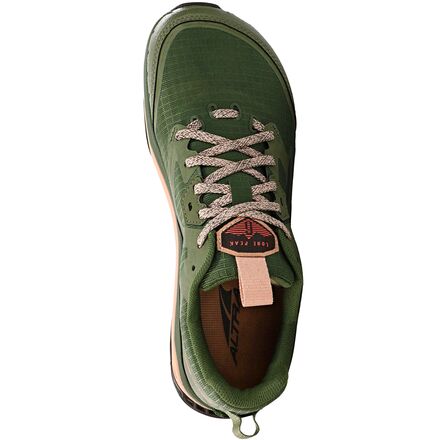
Real-World Buying Advice
If you are considering the Lone Peak 6 trail running shoes, think about how you actually run, not just what sounds good on paper.
Ask yourself:
- Do I want more toe room?
- Do I prefer a flatter feel?
- Will I use them for hiking too?
- Do I run on moderate trails more than extreme ones?
- Am I willing to adapt to zero-drop?
Also, be honest about your current shoes. If you love soft, highly cushioned trainers, the Lone Peak 6 trail running shoes may feel too different at first. But if your feet often feel trapped, these could be exactly what you need.
For many runners, this shoe works best as a dependable daily trail partner. It is not a magic fix. It is a well-designed tool, and like any good tool, it shines when used for the right job.
Frequently Asked Questions of Lone Peak 6 Trail Running Shoes
Are Lone Peak 6 trail running shoes good for beginners?
Yes, but only if you are open to zero-drop shoes and transition slowly. They are beginner-friendly in fit and comfort, but the flat platform can take getting used to.
Can I use Lone Peak 6 trail running shoes for hiking?
Absolutely. Many people use them for hiking because of the roomy toe box, stable feel, and trail grip. They work especially well for long hikes and light backpacking.
Do Lone Peak 6 trail running shoes run true to size?
For many runners, yes, they fit close to true size. Still, the roomy toe box and foot shape can affect fit, so trying them on is the safest move.
Are Lone Peak 6 trail running shoes good for wide feet?
Yes, that is one of their biggest strengths. The FootShape design gives more room up front, which can help wide feet feel much more comfortable on long trail days.
How long do Lone Peak 6 trail running shoes last?
Durability depends on terrain, mileage, and how hard you use them. Many runners get solid life from them for regular trail use, though sharp rocks and heavy abrasion can shorten their lifespan.
Do Lone Peak 6 trail running shoes work in wet conditions?
They can handle light moisture and mixed trail conditions, but they are not the best choice for very muddy or slippery terrain. Traction is good for many trails, but wet rock and deep mud can still be challenging.
Conclusion
The Lone Peak 6 trail running shoes remain a smart choice for runners who want comfort, room up front, and a more natural trail feel. They are especially strong for everyday trail use, hiking, and long outings where foot swelling and toe space matter.
If you value a stable, zero-drop ride and want a shoe that encourages natural movement, the Lone Peak 6 trail running shoes are worth a serious look. Take your time with fit, transition slowly if needed, and choose the shoe based on your real trail life, not just the hype. If this guide helped, explore more trail gear comparisons or leave a comment with your own experience.