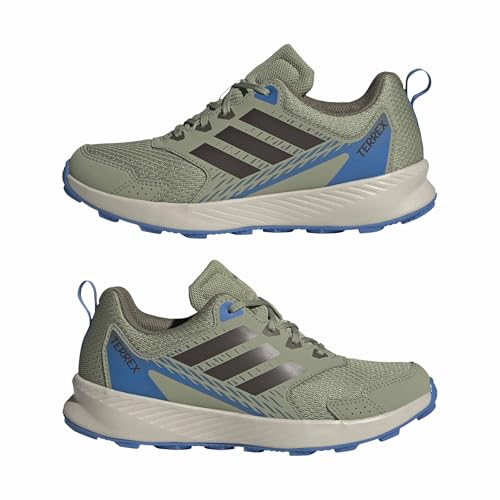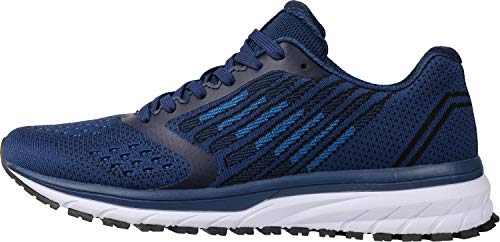
Black And Blue Running Shoes: Top Picks, Buying Guide 2026

Black and blue running shoes balance bold style with all-day comfort and proven performance.
If you want shoes that look sharp and run strong, black and blue running shoes deliver. I test shoes for pace, comfort, and real-world wear. In this guide, I share how to pick the right pair, which tech matters, and how to make your black and blue running shoes last and look great. Read on to shop with confidence and run happy.

Why black and blue running shoes stand out
Black and blue running shoes hit a sweet spot. Black hides dirt and scuffs. Blue adds pop and improves road visibility. The combo looks fast and works with most outfits.
There is a touch of psychology here. Dark tones feel stable. Blue signals trust and calm. Together, black and blue running shoes can help you feel steady and focused when the workout gets hard.
I like them because they stay sharp after wet miles. I have pairs that still look fresh after months of mixed terrain. That means less fuss and more running.
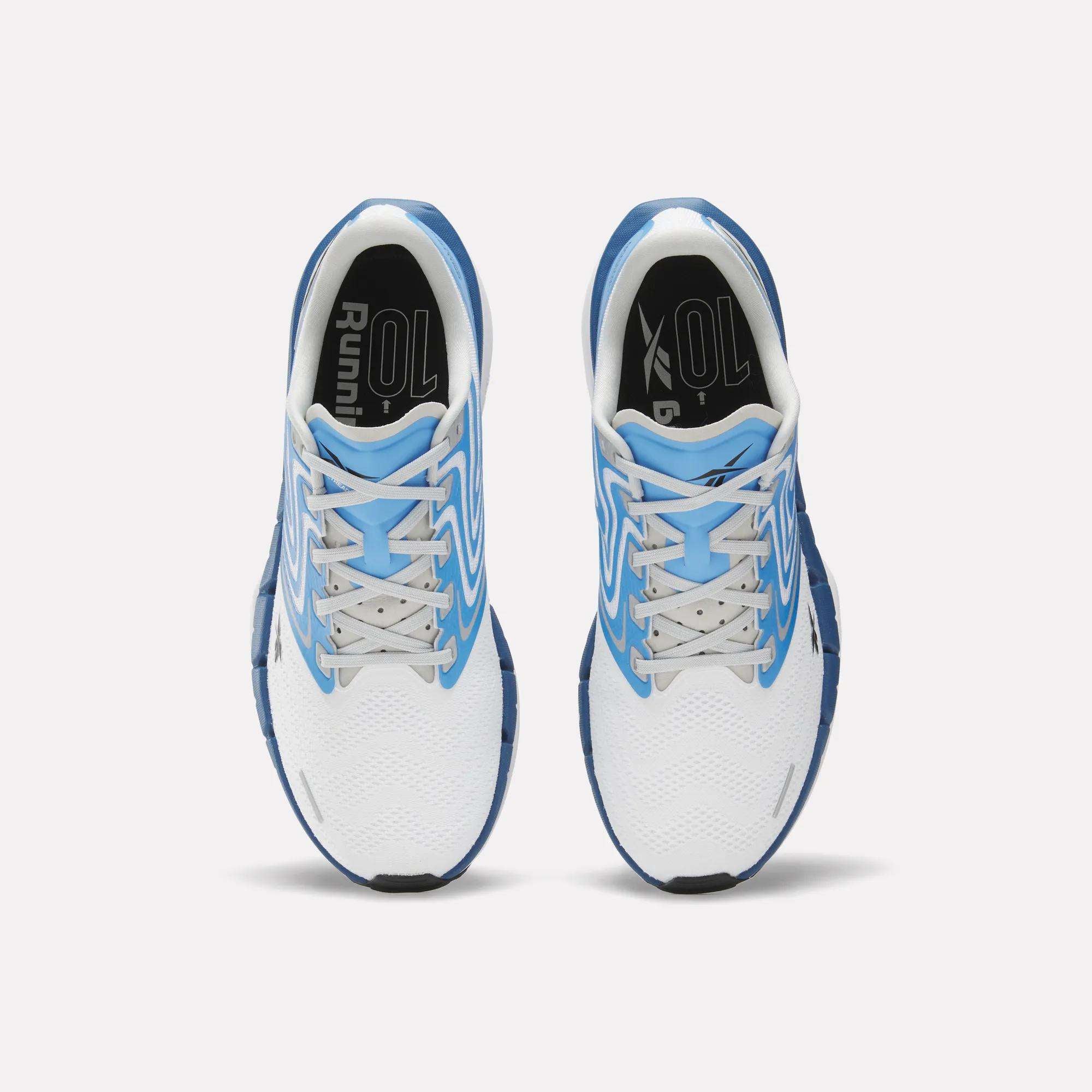
How to choose the right black and blue running shoes
Start with your gait and fit. Good fit is snug in the heel, roomy in the toes. Leave a thumb’s width in front of your big toe.
Match the shoe to your use case. Daily trainers for most miles. Lightweight trainers for speed work. Cushioned models for long runs. Stability models if you overpronate.
Key checks when buying black and blue running shoes:
- Try both shoes late in the day when feet are slightly swollen.
- Stand, jog in place, and turn quickly to test lockdown.
- Check the drop. Lower drop (0–6 mm) feels natural. Mid drop (6–10 mm) is a safe bet for most.
- Look at stack height. More stack softens landings. Less stack gives road feel.
- Pick lugs for your surface. Road shoes have flat rubber. Trail pairs have deeper lugs.
My rule of thumb: if you forget the shoe while running, it is the right pick.
Key technologies found in black and blue running shoes
Modern black and blue running shoes pack smart foams and uppers. Tech names vary by brand, but the ideas are the same.
Midsole foams
- EVA blends are common. They are light and durable.
- PEBA or nitrogen-infused foams feel bouncy and fast.
- TPU foams add spring and resist heat compression.
Plates and rails
- Nylon or carbon plates help with speed and turnover.
- Guide rails and medial posts add support if you roll in.
Uppers and lockdown
- Engineered mesh breathes and holds shape.
- Knit uppers hug the foot for comfort.
- A gusseted tongue prevents slide and hotspots.
Outsoles
- Carbon rubber grips and lasts longer.
- Blown rubber is softer and adds cushioning.
- Rock plates protect on trails without adding much weight.
Why this matters: the best black and blue running shoes will match your stride and terrain. I test on wet sidewalks and packed dirt. Grip and midfoot hold make the biggest difference for me on tempo days.

Best use cases for black and blue running shoes
Black and blue running shoes are versatile. You can use one pair for many tasks, but you will get more out of them if you match the job.
- Daily miles. Balanced cushion and durable rubber are best.
- Long runs. Higher stack and a stable base help your form late.
- Speed work. Light foam and a snappy ride make splits easier.
- Road races. A plated, bouncy model can save energy.
- Light trails. Look for deeper lugs and a rock plate.
If you want one shoe to do most things, choose a stable daily trainer. Many black and blue running shoes in this class strike a great mix of comfort and pep.
Fit, sizing, and comfort checklist
A great colorway will not fix a bad fit. Use this quick check when you try black and blue running shoes.
- Heel. No slip while walking fast or going up stairs.
- Midfoot. Secure wrap without pressure on the arch.
- Toebox. Wiggle room for toes to splay on impact.
- Flex. The bend point should line up with your big toe joint.
- Hotspots. None after five minutes of brisk walking.
Pro tip from many fittings: swap the factory laces for a runner’s knot. It improves heel lock without squeezing the instep.

Care and maintenance tips
Good care keeps black and blue running shoes fresh and springy.
- Clean after wet runs. Wipe with a damp cloth. Air dry away from heat.
- Pull the insoles. Stuff with paper to speed dry time.
- Rotate pairs. Foam rebounds better with a day off between runs.
- Track mileage. Most shoes last 300–500 miles, depending on build and surface.
- Store cool and dry. Heat breaks down foam faster.
I once dried a pair near a heater and the midsole got crunchy in a week. Learn from my mistake. Gentle air drying wins every time.

Style and outfit ideas with black and blue running shoes
Black and blue running shoes play well with streetwear and gym looks. You can go from a run to coffee without a switch.
- Pair with black shorts or tights for a clean line.
- Add a blue top or cap to echo the accents.
- Use reflective socks at night to boost safety.
- For casual wear, try tapered joggers and a simple tee.
Keep it simple. Let the black and blue running shoes do the talking.

Budget and value guide
You can find solid black and blue running shoes at many price points. Pay for the features you will use.
- Entry level. Basic EVA, firm ride, durable rubber. Great for new runners.
- Mid tier. Lighter foam, better uppers, improved grip. Sweet spot for most.
- Premium. Super foams, plates, and sleek uppers. Best for speed and races.
If you run three days a week, mid tier is enough. If you chase PRs, premium black and blue running shoes can be worth it.
Common mistakes to avoid
I see the same errors in the shop and on group runs. Skip these and you will be ahead.
- Choosing by color first. Fit and ride come before looks.
- Ignoring foot shape. Wide feet need wide last options.
- Over-cushioning. Too much stack can feel wobbly on sharp turns.
- No break-in. Give black and blue running shoes two to three short runs.
- Using road shoes on real trails. You will slip and wear them out.
I once raced a hilly 10K in soft, high-stack trainers. The downhills felt sketchy. A lower, firmer pair would have been faster and safer.
Personal testing insights and recommendations
From hundreds of test miles, a few themes stand out. Balanced midsoles beat extremes. A secure midfoot wrap prevents form leaks when you tire. Outsole grip matters more than ad claims, especially in rain.
For most runners, I suggest a neutral daily trainer in a black and blue colorway for base miles. Add a light, peppy pair for speed days if your budget allows. If you need support, look for guide rails rather than a hard post. These black and blue running shoes will feel smooth yet stable across many paces.
Frequently Asked Questions of black and blue running shoes
Are black and blue running shoes good for beginners?
Yes. They are easy to style and come in many stable daily trainers. Pick a pair with moderate cushion and a secure fit.
Do black and blue running shoes work at night?
They can if they have reflective hits. Add a vest or light if you run on dark roads.
How long do black and blue running shoes last?
Most last 300–500 miles. Rotate pairs and avoid high heat to extend life.
Can I use black and blue running shoes for the gym?
Yes, for light lifts and cardio. For heavy lifts, use a flatter, firmer shoe for better stability.
What socks pair best with black and blue running shoes?
Moisture-wicking socks with a snug heel are best. Black, gray, or blue socks look clean and hide stains.
Are plated black and blue running shoes right for daily runs?
Use plates for speed days or races. For easy runs, a non-plated trainer is often more forgiving.
Conclusion
Black and blue running shoes offer style, grip, and comfort in one sleek package. Match the shoe to your gait and goals, check fit with care, and maintain them well to get the most miles.
Pick one pair for daily runs and, if needed, a faster option for workouts. Lace up, test on real roads, and track how your legs feel after each run. If this guide helped, subscribe for more gear tips, or drop a comment with your favorite black and blue running shoes.