Good Running Shoes For Heel Strikers: Expert Picks 2026

Choose cushioned heels, stable midfoot, secure fit, moderate drop, and durable outsole.
If you land on your heel first, you need shoes that work with that motion, not against it. In this guide, I break down good running shoes for heel strikers using research and real-world miles. You will learn what to look for, what to avoid, and how to choose a pair that keeps you fresh, fast, and injury-aware.

What Is Heel Striking And Why It Matters
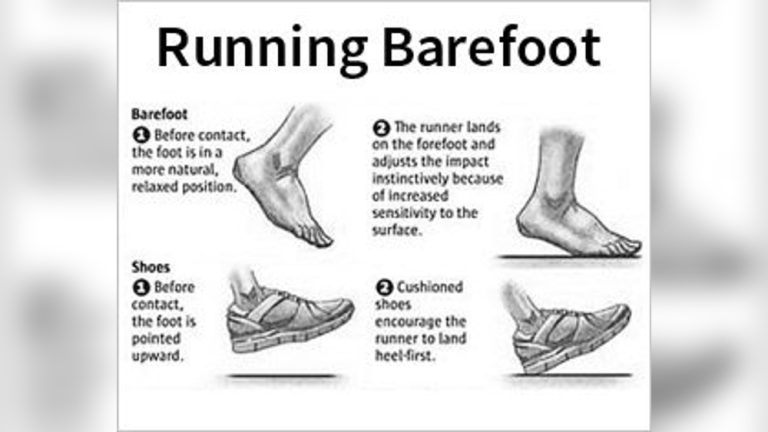
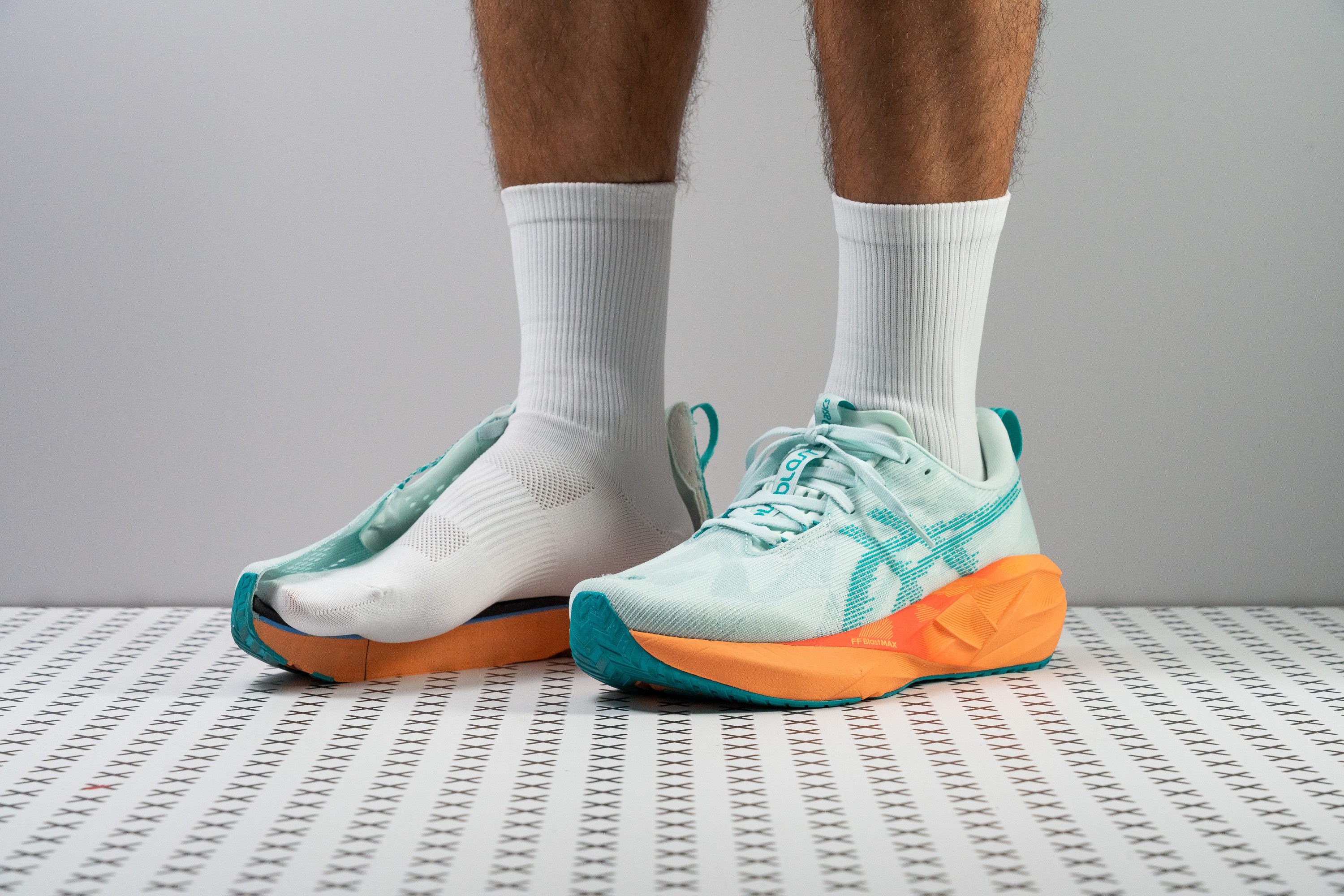
Good running shoes for heel strikers support a rearfoot landing that happens in most runners. A heel strike creates a sharp impact peak right after the foot touches down. The right shoe smooths that impact with a beveled heel, a soft crash pad, and a rocker shape that rolls you forward.
Rearfoot strikers often need more foam under the heel and a secure heel counter. A moderate heel-to-toe drop helps the calf and Achilles. Gait lab data shows that geometry and foam matter as much as softness. The goal is to lower loading rates and guide your foot into a stable midstance.
Key Features To Look For
Good running shoes for heel strikers share a few clear traits. When you shop, check for these:
- Rearfoot cushioning A shaped crash pad under the heel absorbs first contact. Look for beveled edges and a smooth heel flare.
- Rocker geometry A gentle rocker helps you roll from heel to toe with less effort.
- Moderate drop A 6 to 12 mm heel-to-toe drop often suits rearfoot landings.
- Stable midsole Sidewalls or guidance rails keep the foot centered as you load.
- Secure heel counter A firm heel cup locks the rearfoot and cuts slippage.
- Durable rubber at the heel Extra rubber on the lateral heel slows wear.
- Foam that rebounds Soft is good, but also look for energy return and shape.
- Fit that holds the midfoot A snug midfoot wrap stops the foot from sliding back.
- Weight that matches your goal Daily trainers can be a bit heavier. Speed days can be lighter if they still protect the heel.

How To Choose The Right Pair
Good running shoes for heel strikers should match your body, route, and pace. Use this simple plan:
- Know your gait If you see heavy heel wear on old shoes, you likely rearfoot strike.
- Pick use case Daily miles, long runs, or tempo days may need different pairs.
- Set drop range Most heel strikers do well in 8 to 10 mm, but test what feels best.
- Check fit Leave a thumb’s width up front. Make sure the heel does not slip.
- Try on late day Feet swell. Bring your run socks and orthotics if you use them.
- A and B test Jog in place, then on a treadmill if you can. Feel the heel-to-toe roll.
- Start slow in new shoes Let your body adapt over a few short runs.
- Track mileage Many foams feel best for 300 to 500 miles. Replace on time.

Cushioning Tech Decoded
Good running shoes for heel strikers use foams and shapes that tame impact. Here is a quick guide:
- EVA blends Classic and light. Feels balanced. Can pack down over time.
- Supercritical EVA Bubbled for more pop and less weight. Smooth for daily runs.
- PEBA Very light and springy. Great for faster work. Make sure the heel is stable.
- TPU Durable and bouncy. Often heavier but very resilient.
- Gel or air pods Targeted heel shock control. Works well with a bevel and rocker.
- Plates Carbon or nylon plates help roll you forward. Choose mild plates for daily use if you are new to them.
- Rocker shapes Early stage rockers help you load the midfoot faster after heel strike.
Foam plus geometry beats foam alone. A soft heel with a sharp edge can still slap. A beveled heel and crash pad smooth the ride.
Stability Or Neutral For Heel Strikers
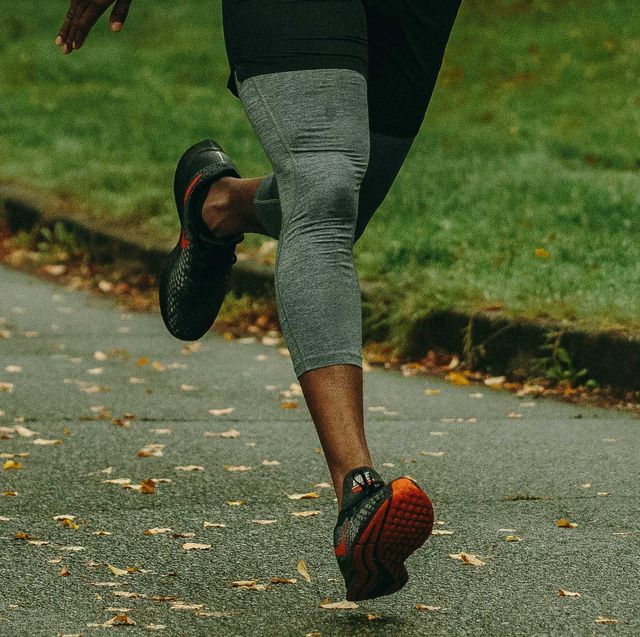
Good running shoes for heel strikers can be neutral or stable. It depends on how you move after you land. If you overpronate under load, guidance rails, a firmer medial side, or sidewalls can help. If your gait is steady, a neutral shoe with a wide base may be enough.
Modern “guidance” designs feel less blocky than old posts. Many use subtle geometry and sidewalls to nudge the foot. That keeps the ride smooth and reduces harsh corrections.
Heel-To-Toe Drop And Stack Height
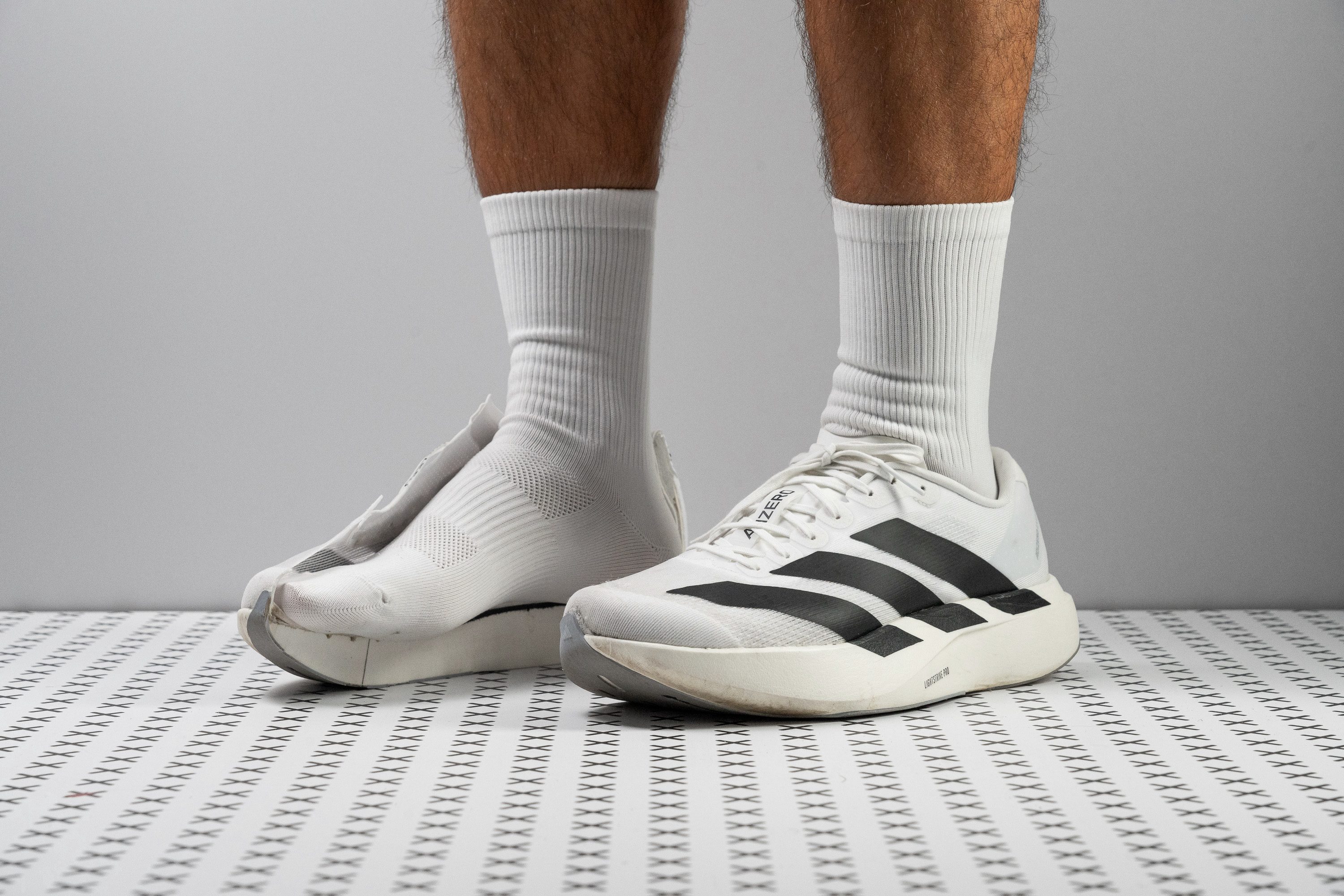
Good running shoes for heel strikers often shine with a moderate drop. A higher heel reduces calf strain and can soften the first hit. A very low drop can stress the Achilles if you are not used to it.
Stack height is the total foam underfoot. More stack can help, but only if the base is stable. A tall, narrow heel can feel wobbly on turns. Aim for a wide base and a clean rocker.
Durability And Outsole Design
Good running shoes for heel strikers need strong heel rubber. Rearfoot wear shows first on the outer heel. Look for extra carbon rubber in that zone and a smooth bevel to spread load.
Check for flex grooves that encourage a quick roll. A shoe that bends only at the toe may feel clunky at the heel. Even wear patterns are a good sign your match is right.

Real-World Testing Notes And Trusted Examples
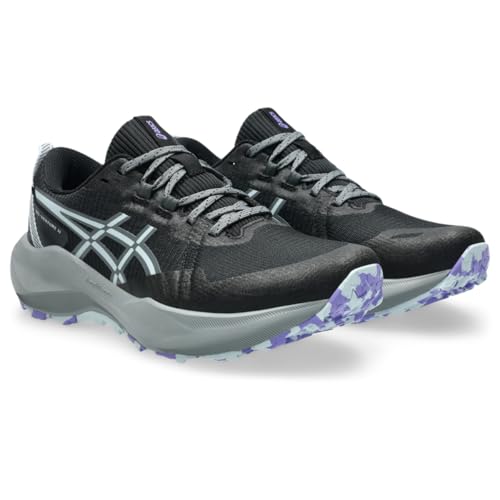
Good running shoes for heel strikers earn trust on the road, not just on paper. Here are pairs I have used or tested with runners I coach, with notes on feel and use:
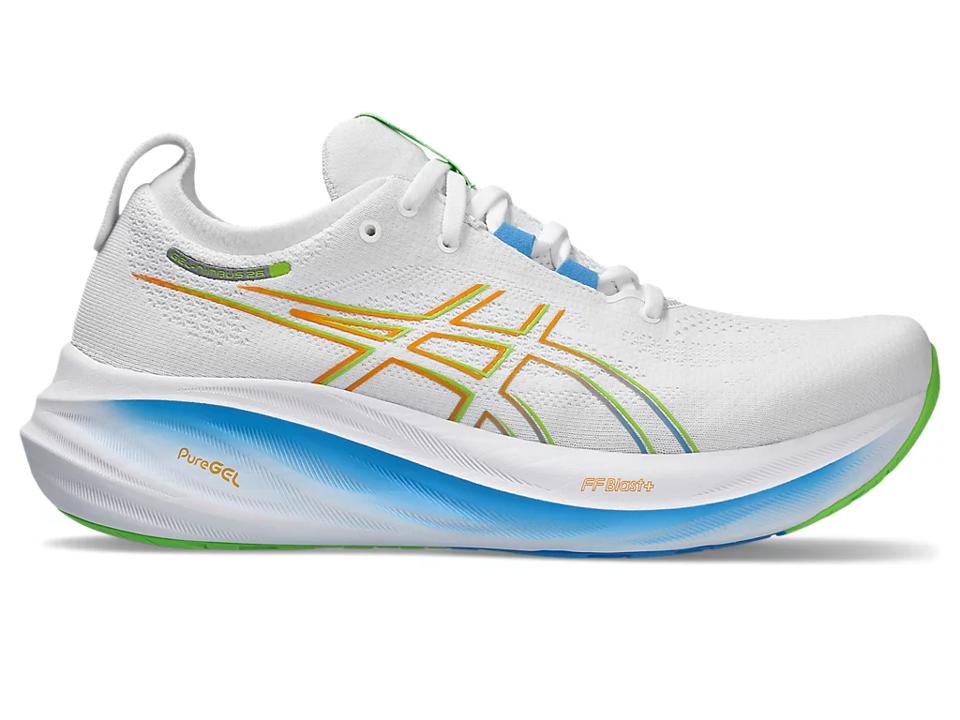
- ASICS Gel-Nimbus Plush heel with gel and a smooth rocker. Great for daily miles and long runs.
- ASICS Gel-Kayano Stable guidance for heel strikers who roll in under load. Secure heel counter and wide base.
- Brooks Ghost Balanced cushion, firm heel rubber, and a friendly drop. A safe pick for new runners.
- Brooks Adrenaline GTS Guidance rails that work well for mild to moderate pronation.
- Hoka Clifton Light, high stack, and a strong rocker. Soft heel that still rolls well.
- Hoka Bondi Max cushion for long days. Make sure the heel fit is secure for control.
- Nike Pegasus Durable heel rubber, snappy ride. Works for daily runs and strides.
- Saucony Ride Smooth foam and a gentle rocker. Good for mixed paces.
- Saucony Guide Subtle stability with a smooth transition. Friendly for newer runners.
- New Balance Fresh Foam 1080 Soft, wide platform, and a comfy upper for long runs.
- New Balance 880 Balanced foam and grip. Reliable workhorse.
No shoe is perfect for all. My bias I like a 8 to 10 mm drop and a firm heel counter. If you love very soft foams, pick a wide base to keep things steady.

Common Mistakes Heel Strikers Make
Good running shoes for heel strikers can still fail if you avoid these basics:
- Chasing max softness only Soft without shape can feel unstable at the heel.
- Dropping to low drop fast A big change can irritate calves and Achilles.
- Ignoring heel fit Slippage causes blisters and poor control.
- Skipping heel rubber Thin heel rubber wears fast and feels harsh.
- Not rotating shoes One cushioned pair and one firmer pair balance load on the body.
Training Tips To Reduce Stress
Good running shoes for heel strikers work best with smart habits:
- Raise cadence Aim for 165 to 180 steps per minute at easy pace. Shorter steps mean lower impact per step.
- Land under your hips Think “quiet feet.” A soft landing lowers shock.
- Strength work Focus on calves, glutes, hamstrings, and foot muscles, two days a week.
- Mix surfaces Add track or trails for softer miles if safe.
- Rotate pairs Use a cushioned trainer and a lighter shoe to vary loading.
Maintenance And Lifecycle
Good running shoes for heel strikers last longer with simple care. Log your miles and replace shoes when the heel compresses or outsole lugs go flat. If your knees or hips feel sore in a shoe that felt fine last month, it may be worn out.
Air dry after wet runs. Do not leave shoes in hot cars. Wash insoles and spot clean uppers. Keep your heel counter straight when you put shoes on to avoid crushing it.
Sizing And Fit Tips
Good running shoes for heel strikers must lock the heel without pain. Try a runner’s loop lacing to stop slip. Test on an incline if your store has one.
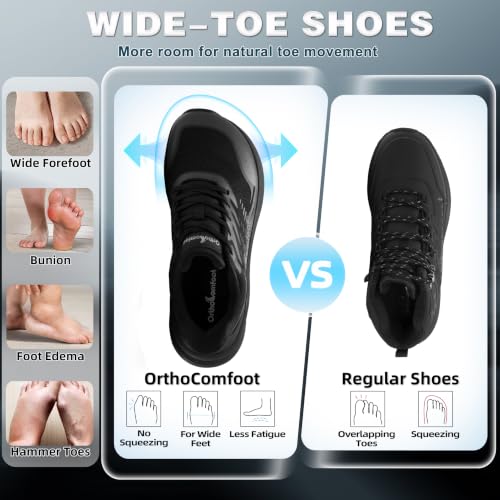
Leave room up front for swelling. Choose width options if your heel is narrow or your forefoot is wide. Match the sock to the season to keep fit consistent.
Best Value And Budget Advice
Good running shoes for heel strikers do not have to be pricey. Last year’s model is often the same midsole and outsole with a new upper. Outlet stores and brand sales can save you a lot.
Focus on geometry and fit over hype. A simple, well-shaped heel and a smooth rocker beat fancy names.
Frequently Asked Questions Of Good Running Shoes For Heel Strikers
Do heel strikers need more cushioning?
Often yes. Extra heel foam and a crash pad help smooth the impact peak and make the ride gentle.
What heel-to-toe drop is best for heel strikers?
Most do well between 6 and 12 mm. Start with 8 to 10 mm and adjust based on comfort and calf feel.
Are rockered shoes good for heel strikers?
Yes, a mild rocker helps you roll from heel to toe with less slap. It reduces braking and can save energy.
Can I use carbon plate shoes if I heel strike?
You can, but choose a stable heel and friendly rocker. Test on easy runs first to be sure the geometry suits you.
How often should heel strikers replace shoes?
Plan for 300 to 500 miles, depending on foam and your weight. Replace sooner if heel rubber or cushioning breaks down.
Are stability shoes always better for heel strikers?
Not always. Use stability only if you overpronate or feel wobbly under load; otherwise a stable neutral works.
Conclusion
Finding good running shoes for heel strikers is about shape, not just softness. Pick a cushioned heel with a bevel, a smooth rocker, a secure heel counter, and a drop that your calves like. Test with your socks, on your route, and at your pace.
Take the next step today. Try two pairs side by side, trust your body, and log how each run feels. If this helped, share your experience, subscribe for more gear guides, or leave a question and I will help you choose.