Track Running Shoes For Women: Top Picks 2026

The best track running shoes for women fit your event, foot shape, and goals.
If you want faster splits with less effort, you need the right spikes. This guide breaks down track running shoes for women with clear steps, real testing tips, and expert insight. I have coached and raced in spikes for years. You will learn what matters, what does not, and how to buy with confidence.
What are track running shoes for women?
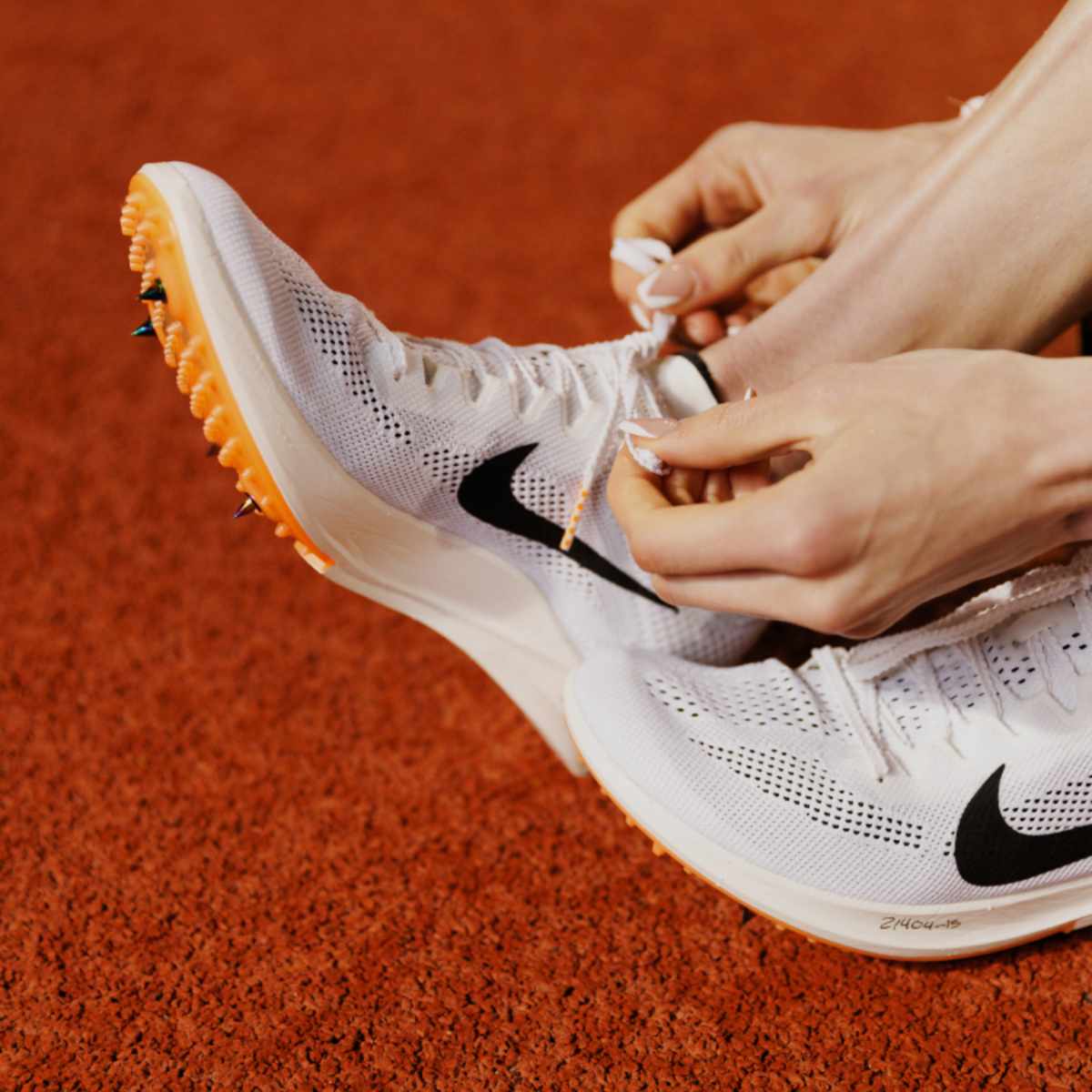
Track running shoes for women, also called spikes, are light shoes built for speed on a track. They use a stiff forefoot plate and metal or ceramic pins for grip. The goal is simple. Help you run fast with clean traction and snappy toe-off.
How they differ from road shoes:
- Stiffer forefoot for power and quick turnover.
- Lower stack height to keep you close to the track.
- Aggressive fit that locks the foot for sprints and curves.
- Spike plate and pins designed for track surfaces.
Why the women’s design matters:
- Many brands use a women’s last with a narrower heel and midfoot.
- Lighter builds fit smaller sizes better.
- Subtle geometry tweaks help match female biomechanics.
You can use track running shoes for women across events. Sprints, hurdles, mid-distance, distance, and even jumps have event-focused models. Picking the right one starts with your event and foot type.

How to choose the right pair
Start with your primary event and training plan. Then match the spike type to your goals.
Key steps:
- Pick by event distance. Sprint to 400, 800 to 1500, or 3K and up.
- Check fit. You want secure heel, midfoot lock, and room for toe splay.
- Balance stiffness and comfort. Short events need more plate snap. Long events need more cushion.
- Try on with race socks. Fit can feel different with thin socks.
- Test on a track if you can. A quick stride tells you more than any spec sheet.
What I tell athletes:
- If you are new to spikes, start with a middle-distance model. It blends stiffness and comfort well.
- If you have Achilles or calf issues, avoid the most aggressive sprint plates.
- If you race on older, rough tracks, choose pyramid pins for grip and durability.
Make sure the phrase track running shoes for women stays top of mind. Write down your event and needs. Then compare 2 to 3 pairs and pick the one that feels secure yet smooth.

Spike types and plates explained
Choosing the right spike plate and pin style is key. Here is a clear breakdown.
Sprint spikes (60 to 400):
- Ultra-stiff forefoot plate for power.
- Minimal heel cushioning.
- Forward-leaning stance to load the toes.
Middle-distance spikes (800 to 1500):
- Firm plate with a touch of flex.
- Low to moderate cushioning for rhythm and turns.
- Good for new spike users and versatile racers.
Distance spikes (3K to 10K, steeple):
- More flex for natural stride.
- Extra midsole foam for comfort over many laps.
- Secure upper for corners and water jumps.
Pins and lengths:
- Needle pins grip hard tracks well.
- Pyramid pins work on most tracks and last longer.
- Common lengths are 6 mm and 9 mm for track rules. Check meet limits.
Plate materials:
- Nylon plates are durable and budget friendly.
- Pebax plates are light and springy.
- Some models add carbon or composite layers for extra snap.
If you want one pair of track running shoes for women for both training and races, pick a middle-distance spike with pyramid pins. It will handle strides, repeats, and weekend meets with ease.

Women’s sizing and fit guide
Getting the right fit beats any tech feature. Small mistakes lead to hot spots or lost power.
Fit checklist:
- Heel. No lift when you drive out of blocks or hit top speed.
- Midfoot. Snug wrap without pinch on the arch.
- Toes. A thumb’s width or a half size up if prone to swelling.
- Width. Women with wider feet may need unisex or wide options.
Try-on tips I use with athletes:
- Test in the late afternoon when feet are slightly larger.
- Do three strides at race pace on a track if allowed.
- Try both your normal size and half size up.
- Lace lock for sprints. Relax lacing for distance.
Women’s foot notes:
- Many women have a narrower heel. A women’s last can help heel lock.
- Low-volume feet may need thicker socks for a safe wrap.
- High arches may like a slightly more cushioned midsole.
If a pair of track running shoes for women feels perfect while standing still, do not buy yet. Always test a few quick strides. Speed exposes fit flaws fast.
Comfort, performance, and injury prevention
Spikes push you onto the forefoot. This is great for speed but tough on calves and Achilles. Balance is key.
What helps:
- Gradual build-up. Start with drills and short strides in spikes.
- Rotate with trainers. Save spikes for quality days and meets.
- Watch your Achilles and plantar fascia. Ease off if you feel sharp pain.
- Choose the right plate. Super stiff plates are not for every runner.
Performance hints from the track:
- A secure heel makes curves smoother at speed.
- A grippy plate cuts braking on wet days.
- A touch of cushion in distance spikes helps you finish strong.
Advanced tip:
- If you run both 200 and 800, keep two pairs. A sprint spike for pure speed. A middle-distance spike for longer reps. This protects your calves and keeps you fresh.
I have seen many athletes jump into the stiffest spikes and get sore right away. The best track running shoes for women match your strength today, not where you hope to be next month.

Materials and features that matter
Upper materials:
- Engineered mesh breathes and molds to your foot.
- Mono-mesh films are light and quick to dry.
- Targeted stitching or overlays add lock on turns.
Midsole foams:
- EVA is firm and stable.
- Pebax-based foams are light and bouncy.
- Thin stacks keep you close to the track for control.
Plates and traction:
- Nylon plates are steady and smooth.
- Pebax plates snap back and feel fast.
- Pin layout matters. More pins up front can help on wet tracks.
Sustainability notes:
- Recycled meshes are common now.
- Some plates use bio-based Pebax blends.
- Longer-lasting spikes cut waste and save money.
When comparing track running shoes for women, hold each shoe in hand. Flex the forefoot a bit. Check if the upper wrinkles where your big toe bends. The small details tell you how it will run.
Care, maintenance, and lifespan
Good care adds seasons to your spikes.
Do this:
- Remove pins and clean after wet or muddy meets.
- Hand wipe the upper with mild soap and air dry.
- Store with pins out to avoid rust.
- Keep a spare set of pins and a key in your bag.
Know when to replace:
- Worn or cracked plate.
- Torn upper at the flex point.
- Midsole feels dead or thin.
- Lost grip even with new pins.
Most track running shoes for women last one to two seasons for racing. Heavy training in spikes shortens that window. Use trainers for workouts unless pace or form work calls for spikes.

Budget and value
You can run fast without the highest price tag. Price often tracks plate tech and foams, but fit rules all.
Smart shopping tips:
- Prior-year colorways are often cheaper with the same build.
- Middle-distance spikes give the best value for most women.
- Borrow for a test if your club has a spike library.
- Do not skip the pin wrench and extra pins bundle.
Price ranges:
- Entry level. Durable plates, basic mesh, great for new racers.
- Mid tier. Lighter uppers, Pebax plates, strong all-rounders.
- Elite. Race-only builds, max stiffness, fragile but fast.
A well-fit mid-tier pair of track running shoes for women often beats a top-tier model that does not match your foot or event.

Real-world testing insights
From my own workouts and coaching sessions, a few patterns stand out.
What worked:
- For 400 runners, a slightly softer plate helped the last 100 stay smooth.
- For 1500 runners, a bit more foam eased calf load in rounds.
- For newcomers, starting with 4 to 6 strides in spikes at the end of workouts built tolerance fast.
Mistakes to avoid:
- Racing first day in new spikes. Break them in with strides and one short session.
- Over-tight lacing. It can numb the forefoot on long reps.
- Using needle pins on soft, older tracks. You will slip more than you think.
Small wins:
- Swap to pyramid pins on rainy days to stay upright in curves.
- Add a low-friction sock to prevent hot spots in longer events.
- Tape any known rub point before a meet.
Track running shoes for women feel best when you plan. Test early. Rotate pairs. Keep a pin kit. These habits save races.
Buying checklist and quick picks
Use this fast checklist before you buy.
Checklist:
- Event focus chosen.
- Fit locked at heel and midfoot.
- Plate stiffness matches distance and strength.
- Pin style fits your local tracks and meet rules.
- Tried with race socks and did a few strides.
- Backup pins and wrench in cart.
- Budget matched to how often you race.
Quick pick guidance by need:
- New to spikes. Middle-distance model with light cushion and pyramid pins.
- Pure speed. Sprint plate with firm forefoot and thin heel.
- Long races. Distance spike with flexible forefoot and a bit more foam.
- Versatile training. Durable plate, breathable upper, easy to clean.
- Sensitive Achilles. Avoid the stiffest sprint plates and test comfort first.
Your best track running shoes for women will feel like an extension of your foot. If you forget the shoe during strides, you found the right one.
Frequently Asked Questions of track running shoes for women
How tight should track running shoes for women fit?
They should feel snug in the heel and midfoot with light toe room. If your toes press hard at rest, size up half a size.
Can I use track running shoes for women on the road?
You can for very short strides, but it is not ideal. Pins wear down fast and the plate feels harsh on pavement.
What spike length is best for high school meets?
Most meets allow 6 mm or 9 mm pyramid pins. Check your meet rules to avoid a last-minute swap.
Do I need different spikes for sprints and distance?
It helps. Sprint spikes are very stiff for power, while distance spikes flex more and add cushion for comfort.
How long do track running shoes for women last?
For racing only, one to two seasons is common. Heavy training in spikes will shorten their lifespan.
Conclusion
Speed comes from smart choices, not just sharp pins. Match your event to the right plate, lock the fit, and build up use with care. With the right track running shoes for women and a simple plan, you will feel faster and finish stronger.
Pick one action today. Try on two pairs, do three test strides, and note how each feels. Then commit to your best match. If this helped, subscribe for more practical gear guides, or drop your questions in the comments.