Good Shoes for Cross Country Running: Top Picks for Every Runner

Every cross country runner knows the importance of the right shoes. The terrain changes—grass, mud, gravel, even pavement—and the conditions can be unpredictable. With the wrong shoes, every step feels harder, and even the best training can’t protect your feet from blisters, pain, or slips. But with good cross country shoes, you get comfort, grip, and speed, even on the toughest courses. Whether you’re a beginner or aiming for the podium, understanding what makes a shoe great for cross country is key to both performance and safety.
Choosing the right pair isn’t as simple as picking the flashiest design. There are many choices, each with features to consider. Things like traction, weight, durability, and fit matter much more than color or brand. Cross country is different from road or track running, so the shoes must meet unique challenges.
This guide breaks down everything you need to know to pick the best shoes for cross country running—so you can run faster, farther, and with more confidence.
What Makes A Good Cross Country Shoe?
Not all running shoes are made for cross country. The sport demands footwear that can handle different surfaces and weather conditions. Here are the main features to look for:
Traction For Mixed Terrain
Cross country courses include grass, dirt, mud, and sometimes even rocks or roots. Traction is crucial. Look for shoes with aggressive rubber lugs or removable spikes. These features help you grip wet grass and slippery mud so you don’t lose your footing.
Lightweight Build
Unlike trail shoes, which often have heavy protection, cross country shoes are lightweight to help you move quickly. Most models weigh between 5 to 8 ounces. A lighter shoe can make a big difference, especially in races over 5K or 10K distances.
Low Profile And Minimal Cushioning
Cross country shoes have a low profile and minimal cushioning. This helps you feel the ground and react quickly to changes in terrain. Too much cushioning can actually slow you down or make you unstable on uneven ground.
Secure Fit
A snug fit is essential. Your shoe should wrap around your foot without squeezing it. If your foot slides inside the shoe, you risk blisters or twisted ankles. Most cross country shoes use traditional laces for a secure fit, but some offer quick-lace systems.
Durability
Tough materials are a must. Look for shoes with reinforced uppers and sturdy outsoles. Courses can be rough, with sharp rocks or roots. A strong shoe can handle a full season of racing and training.
Water Resistance
Many cross country races happen in wet or rainy conditions. While most shoes are not fully waterproof (that would make them too heavy), some have water-resistant uppers or drainage holes to help keep your feet drier.
Flexibility
Your foot needs to bend and move naturally over uneven ground. The best shoes are flexible enough to allow this but still protect your feet from sharp objects or debris.
Types Of Cross Country Shoes
Cross country shoes come in two main types: spikes and flats. Each has its own benefits and best uses.
Cross Country Spikes
These are the most popular shoes for races. They have holes in the forefoot where you can screw in metal spikes (usually 3-6 per shoe). Spikes offer the best grip on grass, mud, and soft ground.
When To Choose Spikes
- Soft or muddy courses
- Wet grass or loose dirt
- Shorter races (5K to 8K)
Spikes come in different lengths. For muddy courses, 9mm or 12mm spikes work best. For dry grass or hard-packed dirt, 6mm spikes are usually enough.
Downsides Of Spikes
- Not suitable for pavement or rocks (spikes can bend or break)
- Less comfortable for long distances
- Not ideal for runners with sensitive feet
Cross Country Flats
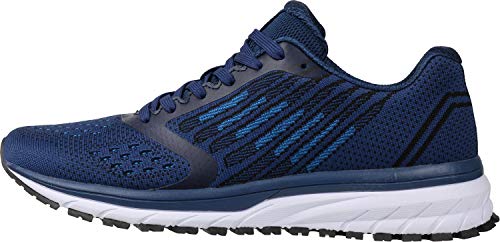
These shoes look more like traditional running shoes but with a lighter build and grippy outsoles. They have rubber lugs instead of metal spikes.
When To Choose Flats
- Hard or rocky courses
- Mixed terrain with pavement
- Training runs
Flats are more versatile. They’re also a good choice for beginners who find spikes uncomfortable.
Downsides Of Flats
- Less traction in mud
- Heavier than spikes (but still lighter than road shoes)
- Can wear out faster on rough courses
Key Features To Compare In Cross Country Shoes
With so many options, comparing key features side by side helps. Here’s a comparison of main attributes to look for in good cross country shoes:
| Feature | Cross Country Spikes | Cross Country Flats |
|---|---|---|
| Traction | Excellent (spikes for soft ground) | Good (rubber lugs for mixed terrain) |
| Weight | Very light (5–7 oz) | Light (6–8 oz) |
| Comfort | Less cushioning, snug fit | More cushioning, flexible fit |
| Durability | Good on grass, poor on pavement | Better for mixed terrain |
| Best For | Racing on soft, grassy, or muddy ground | Training, rocky courses, beginners |
Top Factors To Consider When Choosing Shoes
Picking the best cross country shoe means thinking about more than just the brand. Here are the most important factors to consider:
1. Your Foot Type
Everyone’s feet are different. Some have high arches, others have flat feet. Some pronate (roll inward), while others supinate (roll outward). Most cross country shoes are neutral, but if you have special needs (like overpronation), look for models with more support or use custom insoles.
2. Course Conditions
Think about the surfaces you run on most. Muddy, wet, and grassy courses require more aggressive traction. Rocky or hard-packed trails need shoes with more protection and less aggressive spikes or lugs.
3. Race Distance
Shorter races (5K) allow for lighter, less cushioned shoes. Longer distances (8K or 10K) may require a little more support and comfort, even if that means adding a few extra ounces.
4. Fit And Sizing
Cross country shoes should fit snugly but not be too tight. There should be a thumb’s width of space at the end of your toe box. Try shoes on with the same type of socks you’ll race in.
5. Budget
Cross country shoes range from $50 to $150. While top-end shoes offer more features, many mid-range models provide great value. Don’t overspend if you’re new to the sport, but avoid very cheap shoes—they wear out quickly and might not protect your feet well.
6. Brand And Model Reputation
Some brands are known for their cross country shoes. Nike, Saucony, New Balance, Brooks, and Asics have strong reputations. Look for reviews from runners and coaches for insights on durability and performance.
7. Availability Of Replacement Spikes Or Parts
If you choose spikes, check if replacement spikes are easy to find. Some models use unique spike threads or plates, which can make replacements hard to get.
Popular Cross Country Shoe Brands And Models
Many brands offer excellent shoes for cross country. Here are some of the most trusted options:
Nike
Nike’s Zoom Rival and Zoom Victory models are favorites among high school and college runners. They’re known for being lightweight and offering a snug fit.
Saucony
The Kilkenny (affordable and reliable) and Endorphin lines (higher-end, more performance-focused) are Saucony’s top cross country shoes.
New Balance
The XC Seven and XC 900 offer a good blend of comfort and traction. New Balance shoes often fit wider feet well.
Brooks
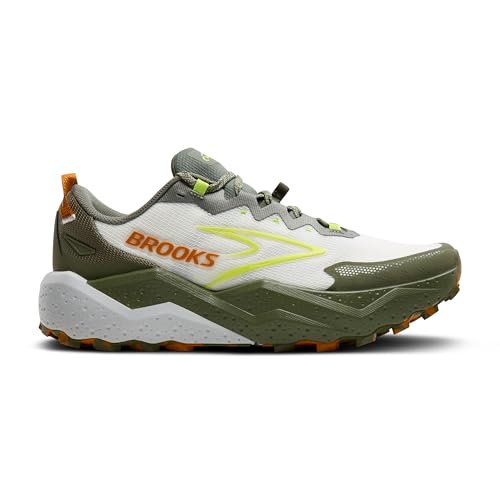
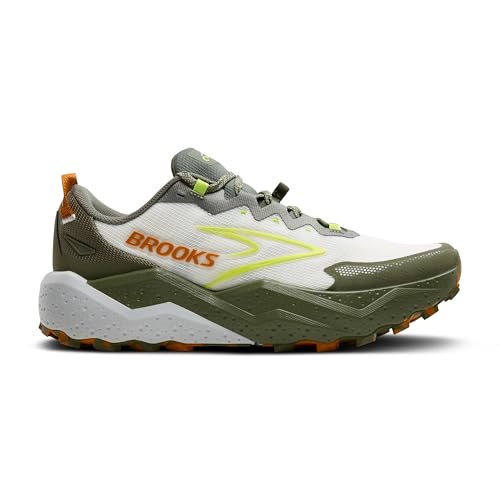
Brooks’ Mach and Draft XC shoes are built for durability and grip. They have strong, supportive uppers and aggressive outsoles.
Asics
Asics offers the GEL-FujiLyte and Hyper XC series. These are known for flexibility and good arch support.
Adidas
The Adizero XC line is popular for its balance of light weight and durability. Adidas shoes tend to have a snug, sock-like fit.
| Brand | Popular Model | Key Features |
|---|---|---|
| Nike | Zoom Rival XC | Lightweight, good grip, popular in races |
| Saucony | Kilkenny XC | Affordable, comfortable, reliable traction |
| New Balance | XC Seven v3 | Wide fit, soft cushioning, good for training |
| Brooks | Draft XC | Durable, supportive, aggressive lugs |
| Asics | Hyper XC 2 | Flexible, arch support, secure fit |
| Adidas | Adizero XC Sprint | Very light, snug fit, responsive midsole |
Spikes Vs. Flats: When To Use Each
Choosing between spikes and flats isn’t always simple. Here are some real-world examples to help you decide:
- Wet, grassy course after rain: Choose spikes with longer (9mm or 12mm) metal pins. They’ll grip the soft ground.
- Dry, hard-packed dirt with occasional pavement: Flats are safer. Spikes can be uncomfortable or even dangerous on hard surfaces.
- Mixed trail and grass, with small rocks: Flats with good rubber lugs are best. They protect your feet and still provide grip.
- First-time runner or young athlete: Flats are a more comfortable introduction to cross country.
Some runners bring both shoes to meets and decide after walking the course. Coaches often recommend this for unpredictable weather.
How To Get The Best Fit
No matter how good a shoe looks on paper, the fit matters most. Here’s how to make sure your cross country shoes fit perfectly:
- Try on shoes at the end of the day. Your feet swell as you move, so this gives a more realistic fit.
- Wear your racing socks. The thickness of your socks can change the fit.
- Stand and walk around. Your toes should not touch the end, and there should be no tight spots.
- Check the heel. It should stay snug when you walk, with no slipping.
- Test both feet. Most people have slightly different-sized feet—buy for the larger one.
- Pay attention to width. Some brands (like New Balance) offer wider options.
A common mistake: buying shoes that are too tight, thinking they will “break in.” Cross country races are short—if they’re uncomfortable in the store, they’ll hurt even more during a race.
Caring For Your Cross Country Shoes
Good shoes can last a whole season (or more) if you take care of them. Here are simple tips:
- Clean after muddy runs. Remove mud and grass with a brush and let shoes air dry.
- Don’t machine wash. Hand-wash with mild soap if needed.
- Remove insoles and spikes. Let them dry separately to prevent odor and rust.
- Store in a cool, dry place. Heat and sunlight can break down glue and rubber.
- Rotate shoes. If possible, have a second pair for training so your race shoes last longer.
A non-obvious tip: If your shoes get soaked, stuff them with newspaper to help them dry faster and keep their shape.
Signs You Need New Shoes
Even the best shoes wear out. Here are signs it’s time for a new pair:
- Worn-down outsoles. If the lugs or spikes are flat, you lose grip.
- Torn uppers or holes. These can let in water or debris.
- Loss of cushioning. If your feet hurt after short runs, the midsole may be dead.
- Loose fit. Stretching over time makes shoes less secure.
Most cross country shoes last 250–400 miles, or one full racing season. If you train on pavement, they may wear out faster.
Common Mistakes When Choosing Cross Country Shoes
Even experienced runners make mistakes when picking shoes. Avoid these pitfalls:
- Choosing based on looks alone. Style is nice, but function matters more.
- Ignoring fit in favor of brand. Even top brands make shoes that don’t fit every foot shape.
- Using old road shoes for cross country. Road shoes often lack grip and flexibility for trails.
- Forgetting to check course type. The wrong shoes can make a tough course even harder.
- Not breaking in shoes before race day. Always test shoes with a few runs before racing.
Why Specialized Cross Country Shoes Matter
You might wonder: why not just wear regular running shoes? The answer comes down to performance and safety. Cross country shoes are made for quick starts, fast turns, and rough terrain. They’re lighter, grippier, and more responsive. On a slippery or muddy course, the right shoes can prevent falls and injuries.
A study from the British Journal of Sports Medicine found that runners with proper footwear had a 25% lower risk of injury compared to those using regular trainers. That’s not just about comfort—it’s about long-term health.
How To Test Shoes Before Buying
If possible, visit a running store with a treadmill or a small trail for testing. Run a short distance, make quick turns, and check for comfort. If you can’t try before you buy, look for stores with good return policies.
Online reviews can help, but remember: everyone’s feet are different. A shoe that’s perfect for one runner might not work for you.

Credit: www.runnersworld.com
Youth And Beginner Tips
For younger runners or beginners, comfort is more important than ultralight weight or top speed. Look for shoes with a little more cushioning and a roomier fit. Safety and injury prevention should be top priorities. Many coaches recommend flats for the first season, switching to spikes as runners gain experience.
Cross Country Shoe Innovations
Shoe technology changes fast. Some of the latest innovations include:
- Removable sock liners: Let you adjust the fit or add custom insoles.
- Eco-friendly materials: Brands like Adidas and Nike are using recycled plastics in their uppers.
- Advanced grip patterns: New outsole designs provide better grip on both wet and dry surfaces.
- Custom spike plates: Some shoes let you adjust the number and location of spikes for different courses.
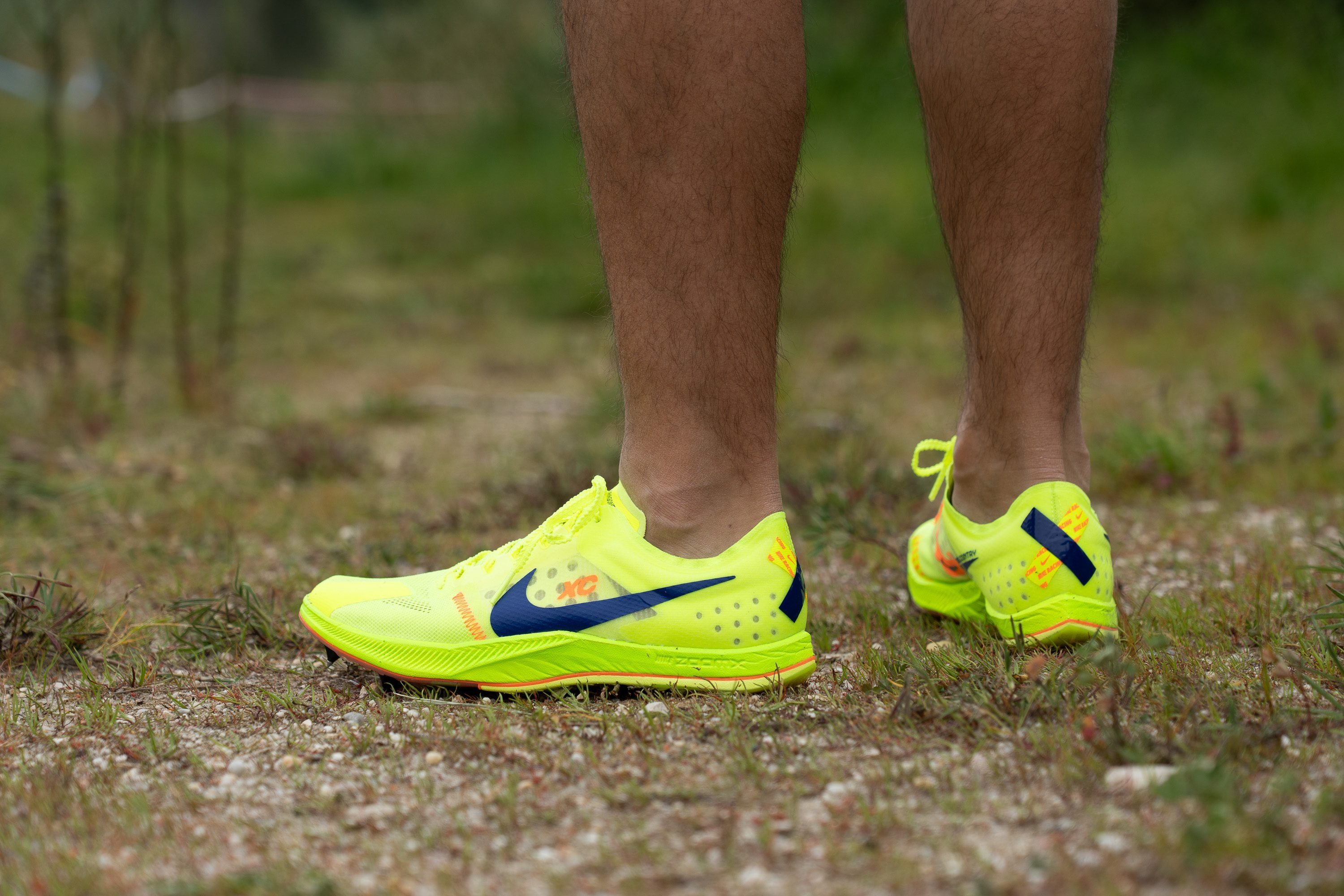
While these features can help, don’t get distracted by marketing. The basics—fit, traction, and comfort—still matter most.
Credit: runrepeat.com
Comparing Cross Country Shoes To Other Types
It helps to see how cross country shoes differ from other running shoes. Here’s a quick comparison:
| Type | Weight | Traction | Cushioning | Best For |
|---|---|---|---|---|
| Cross Country Spikes | Very light | Excellent (spikes) | Minimal | Soft ground racing |
| Cross Country Flats | Light | Good (lugs) | Low | Mixed terrain/training |
| Trail Running Shoes | Medium | Very good (deep lugs) | Medium | Rocky or technical trails |
| Road Running Shoes | Light–medium | Poor | High | Pavement/track |
Notice how cross country shoes focus on lightness and grip, while trail shoes add more protection, and road shoes are built for flat, even surfaces.
What About Custom Insoles And Orthotics?
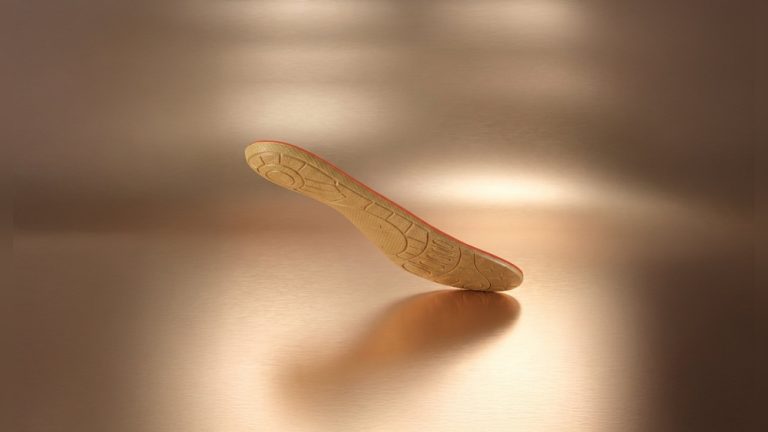
Some runners need extra support due to foot shape or injuries. Most cross country shoes have removable insoles, so you can add custom orthotics if needed. Just make sure the shoe still fits snugly with your insole—too much bulk can affect comfort and performance.

Credit: www.dickssportinggoods.com
Environmental Impact: Making A Responsible Choice
Running shoes are made from synthetic materials, and most end up in landfills. If you care about the environment, look for brands using recycled materials or offering recycling programs. For example, Nike’s Move to Zero program and Adidas’ Parley initiative focus on reducing waste.
A non-obvious way to reduce your impact: rotate your shoes and only use your race pair for competition. This extends their life and reduces how often you need to buy new pairs.
Where To Buy Good Cross Country Shoes
You can find cross country shoes at specialty running stores, large sporting goods retailers, and online. Local stores have the advantage of fitting help and advice from experts. Online shops offer a wider range and sometimes better prices.
For more tips on selecting the right running shoes, see this helpful guide from Runner’s World.
Frequently Asked Questions
What Size Spikes Should I Use For Cross Country?
The best spike size depends on course conditions. For soft or muddy ground, 9mm or 12mm spikes are ideal. For dry, firm ground, 6mm spikes are usually enough. Always check race rules—some courses limit spike length.
Can I Use Trail Running Shoes For Cross Country?
Trail running shoes work for rough or rocky courses but are often heavier and have more cushioning than true cross country shoes. They may not provide the same quick response or light feel, but they offer better protection for technical trails.
How Long Do Cross Country Shoes Last?
Most cross country shoes last for 250–400 miles, or about one season of racing and training. Shoes used mainly for races will last longer than those used for daily training. Replace your shoes if you notice worn-out soles, holes, or loss of support.
Are Cross Country Flats Or Spikes Better For Beginners?
Flats are better for most beginners. They offer more comfort, are easier to run in on mixed terrain, and are less likely to cause blisters or foot pain. As experience grows, some runners switch to spikes for better performance on soft courses.
How Do I Clean Muddy Cross Country Shoes?
Remove excess mud with a brush, take out the insoles and laces, and let the shoes air dry. Avoid using a dryer or leaving them in direct sunlight. For deep cleaning, use mild soap and water, but never put them in the washing machine.
Finding good shoes for cross country running is about more than the latest trends or flashy colors. It’s about matching your shoe to your foot, your course, and your goals. The right pair helps you run with confidence—no matter what the course throws your way.
With a little knowledge and careful choice, you can set yourself up for faster times, fewer injuries, and a more enjoyable cross country season.