Running Shoes As Everyday Shoes: Comfort Meets Style

Running Shoes As Everyday Shoes: Comfort Meets Versatility
People today move more than ever. Whether it’s walking to work, running errands, or just staying on their feet all day, comfort matters. One trend stands out: using running shoes as everyday shoes. What began as a choice for athletes has become a practical solution for millions. But is this the best option for daily life? Let’s explore why running shoes are popular, what makes them different, and how they fit into daily routines. This guide will help you decide if they’re right for you, explain what to look for, and share tips often missed by beginners.
Why People Use Running Shoes As Everyday Shoes
The shift from traditional shoes to running shoes for daily wear is not just about fashion. It’s about comfort, support, and functionality.
Comfort is the main reason people switch. Running shoes are designed to cushion feet during intense activity. They use soft midsoles, flexible uppers, and breathable materials. This helps avoid foot pain and fatigue.
Support is another factor. Running shoes often have arch support, heel counters, and stability features. These keep the foot aligned and reduce strain, especially during long walks or when standing for hours.
Functionality matters too. Running shoes are lightweight and easy to clean. Many pairs are water-resistant and durable. For people with busy lifestyles, this means less hassle and more use.
Some non-obvious reasons include:
- Health benefits: Proper shoes can prevent injuries like plantar fasciitis, shin splints, and lower back pain.
- Versatility: Running shoes work for walking, light hiking, gym workouts, and even casual outings.
Data from the American Academy of Podiatric Sports Medicine shows that 80% of people who wear running shoes daily report less foot discomfort compared to those using casual shoes. This is a clear signal that comfort is not just a trend but a real need.
How Running Shoes Differ From Casual Shoes
To understand why running shoes are so effective, it helps to compare them with typical casual shoes.
| Feature | Running Shoes | Casual Shoes |
|---|---|---|
| Cushioning | High (foam, gel, air) | Low to moderate |
| Arch Support | Strong (designed for motion) | Minimal or none |
| Breathability | Mesh, knit, ventilation | Leather, synthetic, less breathable |
| Durability | 6-12 months (heavy use) | 1-2 years (light use) |
| Weight | Light | Medium to heavy |
| Purpose | Performance & comfort | Style & casual comfort |
Most casual shoes, like loafers or sneakers, focus on looks. Running shoes focus on function. They’re built to absorb shock, support the foot, and keep it cool. For everyday wear, this means less pain and more energy.
Credit: www.asics.com
Key Benefits Of Running Shoes For Daily Wear
Wearing running shoes every day offers many advantages. Here are some you might not expect:
- All-day comfort: The cushioning and flexibility help prevent fatigue, even after hours of standing.
- Protection: Running shoes have toe guards and thick soles. This shields feet from sharp objects and rough surfaces.
- Improved posture: Good support means less slouching and fewer aches in the knees, hips, and back.
- Better grip: Running shoes have non-slip soles, which help prevent slips and falls.
- Adaptable style: Modern running shoes come in many colors and shapes. Some look almost like casual sneakers.
- Reduced injury risk: The shock absorption and support lower the risk of sprains and overuse injuries.
- Healthy feet: Breathable materials keep feet dry, reducing the risk of fungal infections.
A study by the Journal of Foot and Ankle Research found that people who wore running shoes to work had 40% fewer complaints about foot pain than those who wore standard business shoes.
Potential Drawbacks Of Using Running Shoes Every Day
While running shoes are comfortable, they are not perfect for every situation. Here are some downsides to consider:
- Style limitations: Some running shoes look sporty and may not fit formal or business settings.
- Durability: Daily use wears out running shoes faster than occasional running. You may need to replace them every 6-12 months.
- Lack of protection: While they protect the sole and toes, running shoes may not be suitable for harsh weather or rugged environments.
- Cost: High-quality running shoes can be expensive. Frequent replacements can add up.
- Support mismatch: Not all running shoes provide the right support for walking or standing. Choosing the wrong model can cause discomfort.
Many beginners miss that not every running shoe works for daily wear. Shoes made for racing or trail running may be too stiff or heavy for regular use. Picking the wrong type can lead to pain or injury.
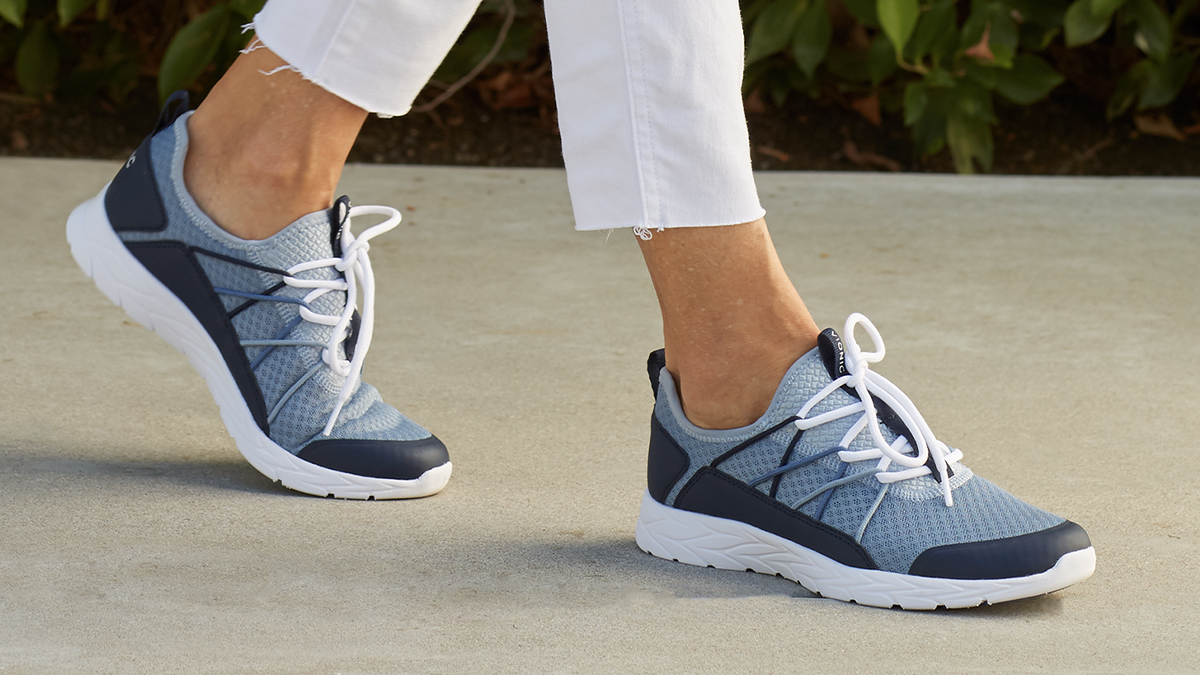
Credit: www.vionicshoes.com
How To Choose The Best Running Shoes For Everyday Use
Choosing the right pair is not just about picking the most popular brand. Here’s what matters:
1. Focus On Comfort
Look for shoes with soft midsoles and flexible uppers. Try them on and walk around. The shoe should feel comfortable from the first step, not just after breaking in.
2. Check Support Features
If you have high arches, pick shoes with strong arch support. If you have flat feet, look for stability or motion control options. Some brands offer models for specific foot shapes.
3. Consider Durability
Daily wear means you need tough materials. Check for reinforced soles and quality stitching. Avoid shoes that feel flimsy or use thin mesh.
4. Prioritize Breathability
Choose shoes with mesh uppers or ventilation holes. This prevents sweating and odor, especially in hot climates.
5. Pick The Right Fit
Running shoes should fit snug but not tight. There should be about a thumb’s width between your toe and the front of the shoe. Avoid shoes that slip at the heel or pinch the toes.
6. Mind The Style
If you need shoes for work or formal occasions, choose models in neutral colors and simple designs. Some brands offer running shoes that look almost like dress shoes.
7. Budget Wisely
High-end running shoes can cost $100–$200. However, many good models are available for $60–$120. Don’t assume price equals quality. Test for comfort, not just brand.
Non-obvious insight: Some people forget to check the heel drop. This is the height difference between the heel and toe. Lower drops (0–6mm) feel more natural for walking. Higher drops (8–12mm) suit runners but may feel odd for daily wear.
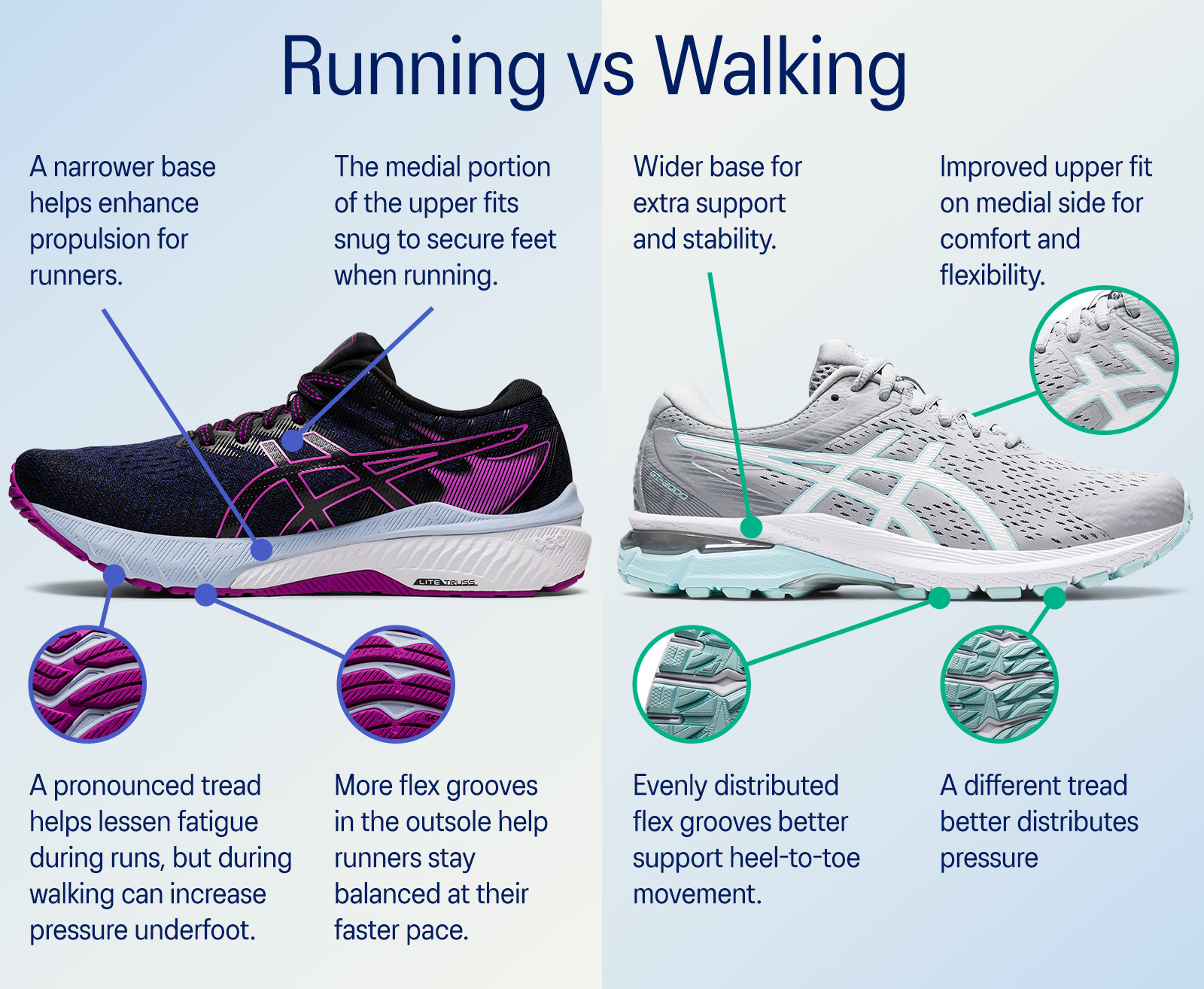
Comparing Running Shoes To Walking Shoes For Everyday Use
Many people wonder if walking shoes are better than running shoes for daily wear. Both are built for movement, but there are differences.
| Feature | Running Shoes | Walking Shoes |
|---|---|---|
| Cushioning | High | Moderate |
| Flexibility | High (for toe-off motion) | Medium (for heel-to-toe) |
| Weight | Lighter | Heavier |
| Heel Drop | 8–12mm | 0–6mm |
| Arch Support | Varies (can be strong) | Usually moderate |
| Durability | 6–12 months (heavy use) | 12–18 months (daily use) |
Walking shoes are designed for slower, steady movement. They often have stiffer soles and less cushioning. Running shoes are more flexible and softer, making them ideal for varied activity. For most people, running shoes offer more comfort for daily tasks.
How Running Shoes Affect Foot Health
Foot health is a major reason to consider running shoes for daily wear. Here are some ways they help:
- Shock absorption: Running shoes use foam or gel to absorb impact. This protects joints and reduces pain.
- Arch support: Proper support keeps the foot stable and prevents overpronation (rolling inward) or supination (rolling outward).
- Pressure distribution: Running shoes spread pressure evenly, avoiding sore spots.
- Protection from blisters: The fit and materials reduce rubbing and friction.
A surprising insight: Wearing running shoes daily can improve circulation in the feet, especially for people who stand a lot. This helps reduce swelling and tiredness.
However, wearing the wrong running shoes may cause new problems. Shoes with too much cushioning can make the foot weak. Shoes with poor support can lead to injuries. It’s important to rotate shoes and let feet recover.
Style Tips: Making Running Shoes Look Good Every Day
Some people worry that running shoes don’t fit their wardrobe. Here’s how to make them work:
- Choose neutral colors: Black, gray, white, or navy match most outfits.
- Avoid flashy logos or bright neon.
- Pair running shoes with jeans, chinos, or joggers for a relaxed look.
- For work, match shoes with slacks and a simple shirt.
- Women can wear running shoes with skirts or dresses for a casual style.
- Keep shoes clean. Use wipes or sprays to remove dirt.
- Change laces to match your outfit or add a subtle touch.
Many brands now design running shoes to look more like sneakers or even dress shoes. Look for models labeled “lifestyle” or “athleisure. ”
Common Mistakes When Using Running Shoes As Everyday Shoes
Even experienced users make mistakes. Here are some you should avoid:
- Wearing old shoes: Running shoes lose support and cushioning over time. Replace them every 6–12 months.
- Ignoring foot shape: Not all shoes fit every foot. Try different brands and models.
- Choosing style over function: Don’t pick shoes based only on looks. Comfort and fit matter more.
- Not rotating shoes: Wearing the same pair daily causes wear and tear. Use at least two pairs.
- Skipping socks: Always wear socks to prevent blisters and odor.
- Using running shoes for heavy work: They’re not made for construction, hiking, or extreme weather.
- Forgetting to clean: Dirt and sweat break down materials faster. Clean shoes regularly.
Beginners often forget to check for signs of wear, like uneven soles or holes. This can lead to injury.
Running Shoes For Special Needs And Conditions
Some people have special requirements. Here’s how running shoes can help:
- Flat feet: Use stability running shoes with strong arch support.
- High arches: Choose cushioned shoes for shock absorption.
- Wide feet: Look for brands offering wide sizes or flexible uppers.
- Diabetes: Select shoes with soft interiors and no rough seams.
- Back pain: Supportive running shoes help reduce strain.
- Pregnancy: Extra cushioning can ease swelling and discomfort.
Consult a doctor or podiatrist for advice. Some brands offer medical-grade running shoes for people with chronic conditions.
Environmental Impact: Are Running Shoes Sustainable?
More people care about the environment. Running shoes are often made from synthetic materials, plastics, and rubber. This has a footprint:
- Each pair of running shoes produces about 14 kg of CO2 during manufacturing.
- Many shoes end up in landfills. The materials can take years to break down.
- Some brands now use recycled materials or offer shoe recycling programs.
Look for brands with sustainability certifications. Buying fewer, better shoes and recycling old pairs helps reduce waste.
Popular Brands And Models For Everyday Wear
Certain brands are known for comfort and durability. Here are some top choices:
- Nike Air Pegasus: Lightweight, cushioned, and stylish. Good for all-day wear.
- Adidas Ultraboost: Soft midsole, flexible, and breathable. Great for walking.
- New Balance 990: Supportive, classic look, available in wide sizes.
- Brooks Ghost: Balanced cushioning, fits most foot types.
- ASICS Gel-Kayano: Strong arch support, stable, and durable.
- Saucony Ride: Simple design, soft feel, affordable.
These models are often recommended by podiatrists and have high ratings from users.
How To Extend The Life Of Running Shoes Used Daily
Running shoes wear out faster with daily use, but you can make them last longer:
- Alternate between two pairs. This lets the foam recover.
- Air out shoes after wearing. Moisture breaks down materials.
- Clean shoes regularly with mild soap and water.
- Store shoes in a cool, dry place.
- Avoid using running shoes for rough activities (like hiking or heavy labor).
- Replace insoles when they wear out.
A hidden tip: Using a shoe dryer or placing newspaper inside overnight helps remove moisture and odor.
Real-life Examples: People Who Use Running Shoes Every Day
Here are stories of people who switched to running shoes for daily use:
- Sarah, teacher: Stands for 8 hours a day. Switched to Brooks Ghost, now has less heel pain and more energy after work.
- John, delivery driver: Walks several miles daily. Uses New Balance 990 for wide fit and durability.
- Maria, office worker: Needed shoes for both work and errands. Uses Adidas Ultraboost in neutral colors for a stylish look.
These examples show that running shoes can suit many needs and lifestyles.
How Long Do Running Shoes Last With Everyday Use?
Durability depends on activity, weight, and shoe quality. On average:
- Heavy daily use: 6–9 months
- Moderate use: 9–12 months
- Light use: 12–15 months
Signs it’s time to replace:
- Worn-out soles
- Loss of cushioning
- Holes in upper or lining
- Uneven tread
Some brands offer warranties or replacement programs. Check before buying.
Are Running Shoes Safe For Workplaces?
In most casual and business-casual workplaces, running shoes are acceptable. However, some jobs require specific footwear:
- Construction: Use safety boots, not running shoes.
- Healthcare: Running shoes are good for nurses and doctors, as long as they meet slip-resistant standards.
- Retail or teaching: Running shoes are ideal for long hours on feet.
Always check your workplace dress code. Some employers may prefer neutral styles.

Credit: www.trespass.com
Tips For Buying Running Shoes Online
Buying online can be tricky. Here’s how to avoid mistakes:
- Check sizing charts. Sizes vary by brand.
- Read user reviews for fit and comfort.
- Look for free returns or exchanges.
- Order two sizes and return the one that doesn’t fit.
- Use brands with consistent sizing (like Brooks or New Balance).
- Watch for sales, but don’t buy old models that may have degraded materials.
Online guides like Runner’s World offer reviews and tips.
How Running Shoes Are Evolving For Everyday Use
Manufacturers now design running shoes for more than just running. Features you’ll see:
- Softer midsoles for all-day comfort
- Flexible uppers for easy movement
- Sleeker styles to match casual outfits
- Eco-friendly materials
- Wider range of sizes
Some brands offer “hybrid” shoes for both sport and daily wear. Look for terms like “lifestyle,” “athleisure,” or “comfort. ”
Frequently Asked Questions
Are Running Shoes Good For Walking All Day?
Yes. Running shoes are designed for shock absorption and comfort. They work well for walking, standing, and daily movement. Just make sure to pick models with good support and fit.
How Often Should I Replace Running Shoes Used Every Day?
Most experts suggest every 6–12 months. Check for signs of wear like loss of cushioning, holes, or uneven soles. If you feel new pain or discomfort, it’s time for a new pair.
Can Running Shoes Cause Any Health Problems If Used Daily?
Rarely. If you pick the wrong shoe for your foot type, you may get blisters, sore arches, or knee pain. Always choose shoes that fit well and match your needs. Rotating pairs can help prevent problems.
Are Running Shoes Suitable For Formal Or Business Settings?
Some models in neutral colors and simple designs work for business casual. However, they may not fit strict dress codes. Look for “lifestyle” models that blend style and comfort.
What Is The Best Way To Clean Running Shoes Used Every Day?
Use a soft brush and mild soap. Remove insoles and laces. Air dry, never use heat. For tough stains, use shoe wipes or sprays. Regular cleaning helps shoes last longer and look good.
Final Thoughts
Choosing running shoes as everyday shoes is a practical move for most people. The comfort, support, and versatility make them ideal for busy lives. But not all running shoes are equal. Pick models that fit your feet, match your style, and suit your needs. Pay attention to signs of wear and rotate pairs to stay healthy. With the right pair, you’ll feel better, move more, and enjoy every step.
Whether you’re a teacher, office worker, or just someone who values comfort, running shoes can transform your daily routine. Make smart choices, avoid common mistakes, and embrace the benefits of modern footwear. Your feet—and your body—will thank you.