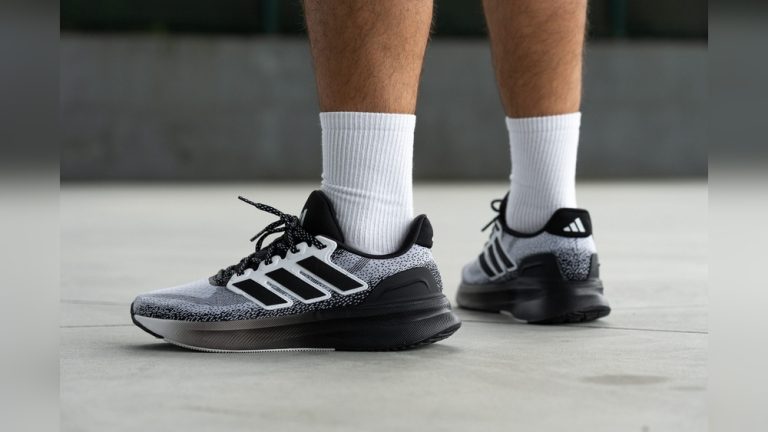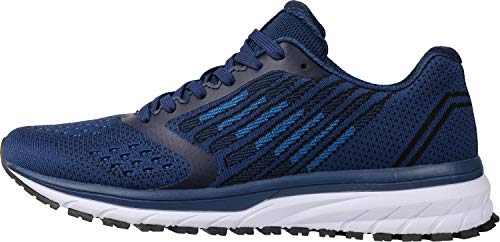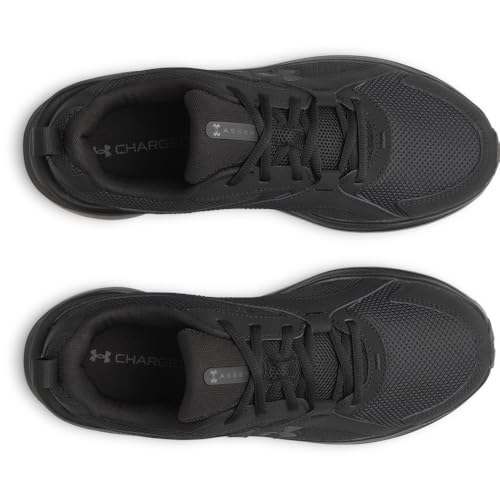
Carbon Plate Running Shoes Women: Boost Speed and Performance

Carbon plate running shoes are changing how women run. These shoes blend modern materials and smart engineering, making them lighter, faster, and more efficient. With a thin carbon plate inside the sole, these shoes help runners push forward with less effort. For women who want to break records or simply run with comfort, carbon plate shoes are becoming the top choice.
Not long ago, only elite athletes could access this technology. Now, brands offer carbon plate running shoes for women in many styles and prices. They promise more speed, less fatigue, and a smoother stride. But are they right for every runner? What should you look for when buying? How do they compare to regular running shoes?
This article explores everything you need to know about carbon plate running shoes for women. From how they work to which models stand out, we’ll cover the details, answer common questions, and give practical advice. Whether you’re training for a marathon, aiming for a new PR, or just curious about the latest running trends, you’ll find clear guidance here.
What Are Carbon Plate Running Shoes?
Carbon plate running shoes use a thin, stiff carbon fiber plate inside the midsole. This plate sits between layers of foam and runs the length of the shoe. When you run, the plate bends and snaps back, propelling you forward with each step. The result is a spring-like feel, helping runners move faster and use less energy.
Why Carbon Fiber?
Carbon fiber is light but very strong. This allows shoe designers to make soles that are stiff enough to support fast running, without making the shoe heavy. The plate also helps to stabilize the foot and reduce strain on muscles.
How They Work
When your foot hits the ground, the foam compresses and the plate bends. As you push off, the plate returns to its shape, giving a “pop” that helps you launch forward. This motion can:
- Reduce energy loss
- Improve stride efficiency
- Lower muscle fatigue
Differences For Women
Women’s carbon plate running shoes are designed to fit female foot shapes, which are usually narrower in the heel and midfoot. They also consider women’s biomechanics, such as lower body mass and different stride patterns. Top brands offer models with softer foams, lighter weights, and special colorways.
Benefits Of Carbon Plate Running Shoes For Women
Carbon plate shoes are more than just a trend. They offer real advantages for women runners, from beginners to pros.
1. Increased Speed
Studies show runners using carbon plate shoes can run 2–4% faster compared to regular shoes. For a marathon, this could mean finishing minutes ahead of your usual time.
2. Improved Efficiency
The plate helps your foot move forward with less effort, so you use less energy. This means you can run longer and maintain your pace.
3. Reduced Muscle Fatigue
Because the plate supports your stride, your muscles don’t have to work as hard. This reduces fatigue and lowers the risk of injury, especially during long races.
4. Lightweight Design
Most carbon plate shoes are much lighter than traditional running shoes. Women benefit from lighter shoes because they match lower body mass and help with speed.
5. Better Recovery
Some runners report feeling less sore after races. This is because the plate and foam absorb impact and help reduce muscle strain.
Key Features To Look For In Women’s Carbon Plate Running Shoes
Choosing the right carbon plate shoe is not just about the brand. Women should look for these important features:
Fit And Comfort
- Narrow heel and midfoot: Women’s feet are often narrower. Look for shoes designed for a snug fit.
- Flexible upper: Soft, stretchy materials help avoid blisters and irritation.
- Roomy toe box: Enough space prevents toe pain, especially on longer runs.
Plate Position And Shape
- Full-length plates: Offer more support and propulsion.
- Curved plates: Improve energy return and running mechanics.
- Segmented plates: Allow flexibility for easier movement.
Foam Technology
- Lightweight, responsive foam: Gives bounce and absorbs impact.
- Durability: Some foams wear out quickly. Look for shoes tested for long-lasting performance.
Weight
- Ultra-light design: Helps maintain speed and reduces fatigue.
Drop And Stack Height
- Heel-to-toe drop: Lower drops help with natural movement, while higher drops support heel strikers.
- Stack height: More foam means more cushioning, but too much can feel unstable.
Women-specific Details
- Color and style: Brands offer unique colorways for women.
- Sizing: Women’s shoes often start at smaller sizes and run narrower.
Who Should Use Carbon Plate Running Shoes?
Carbon plate shoes are not for everyone. They work best for certain runners and situations.
Best For
- Racing and speed work: Perfect for 5K, 10K, half marathon, and marathon races.
- Experienced runners: Those with a strong running base benefit most.
- Women seeking PRs: If you want to run faster or beat your best time.
Not Ideal For
- Beginners: The stiff plate can feel odd and even lead to injuries if you’re new to running.
- Daily training: These shoes wear out quickly and are expensive.
- Heavy heel strikers: May not get the full benefit or could feel unstable.
Practical Example
A woman training for her first marathon might use a carbon plate shoe for race day, but stick to regular trainers during most workouts. This helps avoid injury and saves the shoes for when they matter most.

Credit: runtothefinish.com
Top Women’s Carbon Plate Running Shoes
Many brands now offer carbon plate shoes for women. Here are some of the most popular models:
| Model | Weight (Women’s) | Plate Type | Best For |
|---|---|---|---|
| Nike ZoomX Vaporfly NEXT% | 6.5 oz | Full-length curved | Marathon, Half Marathon |
| Adidas Adizero Adios Pro | 7.0 oz | Energy rods (carbon) | Speedwork, Racing |
| Hoka Rocket X | 6.6 oz | Full-length flat | All distances |
| Asics Metaspeed Sky+ | 6.9 oz | Full-length curved | Marathon, Fast training |
| Saucony Endorphin Pro 3 | 7.2 oz | Full-length curved | Long races |
Each model has its unique features. For example, the Nike Vaporfly is famous for world records and elite runners. The Adidas Adios Pro uses energy rods instead of a single plate for more flexibility.
How To Choose The Best Carbon Plate Running Shoe For Women
Finding the perfect shoe depends on your goals, running style, and budget. Here are some steps to help you decide:
1. Define Your Purpose
- Racing only? Look for models built for speed.
- Training and racing? Pick shoes with durable foam.
- Do you want a shoe for short races or marathons?
2. Understand Your Running Style
- Are you a forefoot striker? Curved plates suit you better.
- Are you a heel striker? Look for shoes with higher stack heights.
3. Check Fit And Sizing
- Try shoes in-store if possible.
- Women’s models are usually narrower—make sure they don’t pinch.
- Consider half sizes for best comfort.
4. Compare Features
Here’s a side-by-side comparison of two popular models:
| Feature | Nike Vaporfly NEXT% | Asics Metaspeed Sky+ |
|---|---|---|
| Weight | 6.5 oz | 6.9 oz |
| Plate Type | Curved carbon | Curved carbon |
| Stack Height | 40mm | 39mm |
| Drop | 8mm | 5mm |
| Best For | Marathon | Marathon |
| Price Range | $250–$275 | $250–$275 |
5. Set Your Budget
Carbon plate shoes cost more than regular trainers, usually $200–$300. Look for deals or last year’s models to save money.
6. Read Reviews
Check feedback from other women runners. They’ll mention real-life pros and cons, especially about fit and durability.
Common Mistakes When Buying Carbon Plate Running Shoes
Avoid these pitfalls when shopping:
- Choosing the wrong size: Many women buy shoes that are too tight. Try different sizes and widths.
- Ignoring your running style: Not every plate suits every stride. Know if you’re a heel or forefoot striker.
- Buying for daily use: Carbon plate shoes wear out fast. Save them for races.
- Skipping break-in: Don’t race in new shoes. Run a few miles first to get used to them.
- Overlooking foam durability: Some shoes lose their bounce after 100–200 miles.
How To Use Carbon Plate Running Shoes Safely
Carbon plate shoes offer speed, but they require careful use. Here’s how to stay safe:
Break-in Period
Wear your new shoes for short runs before racing. This helps your feet adjust and prevents blisters.
Alternate Shoes
Use regular trainers for daily runs. Save carbon plate shoes for races and speed workouts.
Listen To Your Body
If you feel pain or soreness, stop and rest. The stiff plate can strain muscles if you’re not used to it.
Maintenance Tips
- Clean shoes gently with a soft brush and mild soap.
- Air dry them—never use heat.
- Check the foam and plate for wear after every 100 miles.
Replace When Needed
Most carbon plate shoes last 150–250 miles. Replace them when the foam feels flat or the plate loses its spring.

Credit: runtothefinish.com
Real-world Examples: Women Runners And Carbon Plate Shoes
Many women runners, from beginners to pros, have seen results with carbon plate shoes. Here are some real stories:
Elite Performance
In 2022, Peres Jepchirchir wore Nike Vaporfly NEXT% to win the Boston Marathon. Her shoes helped her maintain a fast pace and finish strong.
Recreational Runners
Sarah, a 35-year-old marathoner, switched to Saucony Endorphin Pro for her last race. She noticed less fatigue and set a personal best by three minutes.
Beginner Experience
Emily tried carbon plate shoes for her first half marathon. She loved the bounce but found the shoes too stiff for daily training. She now uses them only for races.
Age Group Success
Linda, age 50, uses Hoka Rocket X for 10K races. She says the shoes help her legs feel fresh and recover faster.
Comparing Carbon Plate Shoes To Regular Running Shoes
Are carbon plate shoes always better? Let’s see how they compare.
| Feature | Carbon Plate Shoes | Regular Running Shoes |
|---|---|---|
| Weight | Lighter (6–8 oz) | Heavier (8–12 oz) |
| Energy Return | High (springy feel) | Medium |
| Durability | Low (150–250 miles) | High (400–500 miles) |
| Price | $200–$300 | $80–$150 |
| Best For | Racing, speedwork | Training, daily runs |
Regular shoes are better for daily use and last longer. Carbon plate shoes are best for races and special workouts.
The Science Behind Carbon Plate Running Shoes
Research backs up the benefits of carbon plate shoes. Here are some key findings:
- A study by the University of Colorado found that runners using carbon plate shoes used 4% less energy than with regular shoes.
- The curved plate changes how the foot moves, helping runners push off more efficiently.
- Foam and plate combinations reduce impact and muscle strain, leading to faster recovery.
However, scientists warn that not every runner will see the same results. Women with different biomechanics may need to test several models to find the best fit.
For more research details, see this Wikipedia page on Carbon Fiber.
Environmental Impact Of Carbon Plate Shoes
Carbon plate shoes use advanced materials and production methods. This raises questions about their impact on the environment.
Materials
- Carbon fiber is energy-intensive to produce.
- High-tech foams are often made from synthetic materials.
Manufacturing
- Production requires special factories and can create more waste.
- Some brands are working on recycling programs for old shoes.
Tips For Eco-friendly Choices
- Use shoes only for races to extend their life.
- Donate used shoes to running clubs or charities.
- Look for brands using recycled materials in their upper or foam.
How To Care For Women’s Carbon Plate Running Shoes
Proper care makes your shoes last longer and perform better.
Cleaning
- Wipe off mud and dirt after each run.
- Use a damp cloth and mild soap for stains.
- Avoid soaking the shoes—moisture can damage the foam.
Storage
- Store in a cool, dry place.
- Keep away from direct sunlight, which can degrade materials.
Checking For Wear
- Inspect the sole after every few runs.
- If the plate feels soft or the foam is flat, it’s time for a new pair.
Rotating Shoes
- Alternate with regular trainers to avoid overusing the carbon plate shoes.
Frequently Asked Questions
What Makes Carbon Plate Running Shoes Different For Women?
Women’s models are designed for narrower feet, lighter body mass, and unique stride patterns. They often use softer foam and offer more sizes and colors.
Are Carbon Plate Running Shoes Good For Beginners?
They can help with speed, but the stiffness may lead to injuries. Beginners should use regular trainers for most runs and try carbon plate shoes only after building a strong base.
How Long Do Carbon Plate Running Shoes Last?
Most last 150–250 miles. After that, the foam and plate lose their bounce, and performance drops.
Can I Use Carbon Plate Running Shoes For Daily Training?
It’s not recommended. These shoes wear out fast and are expensive. Use them for races and speed workouts.
What Is The Best Way To Clean Carbon Plate Running Shoes?
Use a soft brush, mild soap, and a damp cloth. Avoid soaking or using heat to dry them. Air dry in a cool place.
Carbon plate running shoes for women are transforming the running world. They offer speed, efficiency, and comfort for those aiming to set new records or simply enjoy a better run. But they require careful choice and smart use. Women should focus on fit, foam quality, and plate design to get the most out of these high-tech shoes.
With the right pair, runners can achieve new goals, recover faster, and enjoy the thrill of modern technology under their feet.
-square.jpg)
Credit: www.newbalance.co.uk