Is a Pickleball Court the Same As Tennis Court? Key Differences 2026

Pickleball is growing fast. Many people want to play, but they wonder if a pickleball court is the same as a tennis court. If you are new to both sports or just looking for a clear answer, this article will help.
You will learn about the differences, similarities, and practical tips for using tennis courts for pickleball. We will also cover court dimensions, surfaces, net heights, and why these details matter. By the end, you will understand exactly what makes each court unique—and how you can adapt one for the other.
Basic Court Dimensions
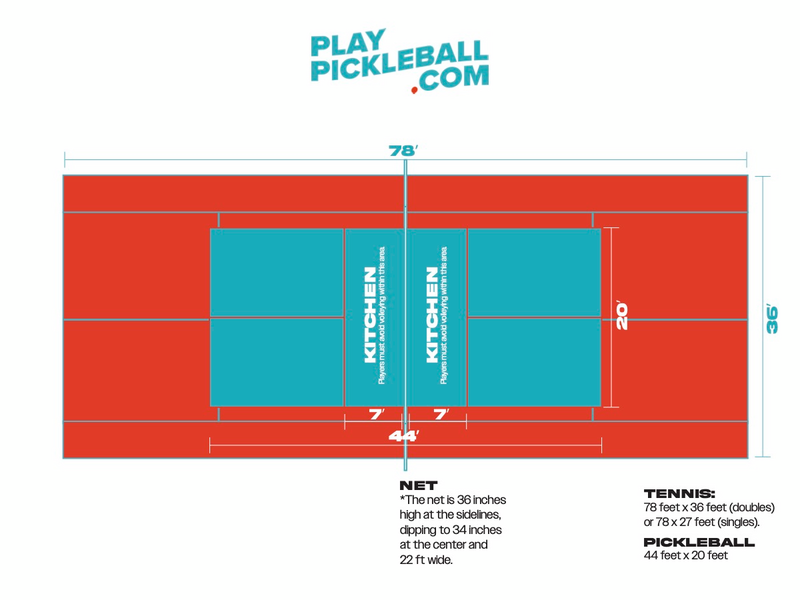
When you walk onto a tennis court and a pickleball court, the first thing you notice is the size. The pickleball court is much smaller than a tennis court. This impacts how the game is played, how many people can fit, and even the feeling of movement.
Tennis Court Dimensions
A standard tennis court is big:
- Singles: 27 feet wide, 78 feet long
- Doubles: 36 feet wide, 78 feet long
These measurements include the area for serving and running after shots. Tennis is a fast-paced game, so the size gives players room to move and swing.
Pickleball Court Dimensions
Pickleball courts are much smaller:
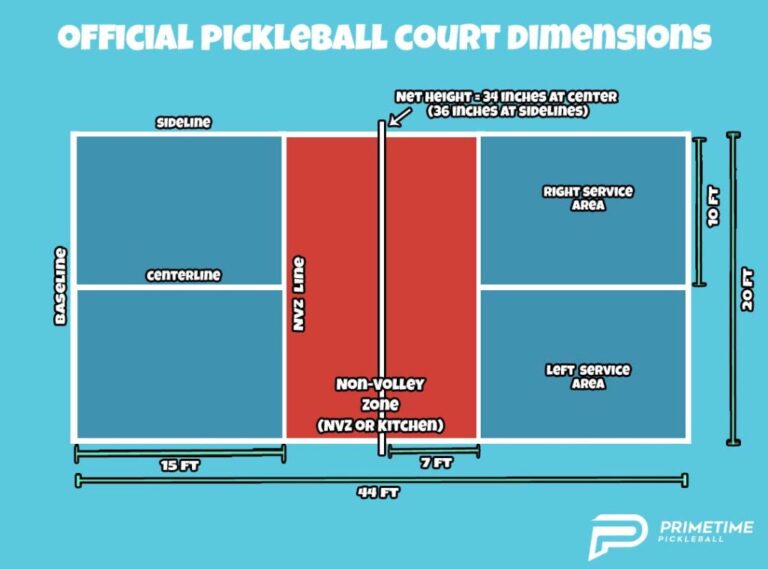
- 20 feet wide, 44 feet long
This size is the same for both singles and doubles. The smaller court makes pickleball easier for beginners and older players. You do not have to run as far, and it is simple to keep the game going.
Comparison Table: Court Size
Here is a quick size comparison:
| Sport | Width | Length | Singles/Doubles |
|---|---|---|---|
| Tennis | 27/36 ft | 78 ft | Different |
| Pickleball | 20 ft | 44 ft | Same |
Non-obvious insight: Many communities use the extra space on tennis courts to fit multiple pickleball courts. You can often fit 4 pickleball courts inside one tennis court.
Net Height Differences
The net is another area where tennis and pickleball courts are not the same. The height affects how the ball moves and how players hit.
Tennis Net Height
- Center: 36 inches (3 feet)
- Posts: 42 inches (3.5 feet)
The net is higher at the posts than at the center. This matters because players often hit low shots to clear the net.
Pickleball Net Height
- Center: 34 inches
- Posts: 36 inches
Pickleball nets are lower than tennis nets. This makes it easier to hit the ball over, especially since pickleball paddles are smaller and lighter than tennis rackets.
Comparison Table: Net Height
Here is a simple comparison:
| Sport | Net Height (Center) | Net Height (Posts) |
|---|---|---|
| Tennis | 36 in | 42 in |
| Pickleball | 34 in | 36 in |
Non-obvious insight: If you use a tennis court for pickleball, you can lower the tennis net slightly to get closer to pickleball net height. Some portable pickleball nets are available, but many people just adjust the tennis net.
Surface Materials
Both courts can use similar materials, but there are differences in how surfaces are prepared and maintained.
Tennis Court Surfaces
Tennis courts use several surface types:
- Hard courts (asphalt or concrete) — Fast play, easy maintenance
- Clay courts — Slower play, needs regular upkeep
- Grass courts — Very fast, expensive, rare
Most public courts are hard courts. The surface is tough and can last years.
Pickleball Court Surfaces
Pickleball courts usually use:
- Hard surfaces (like tennis)
- Sometimes indoor surfaces (wood or synthetic)
Pickleball balls bounce best on hard surfaces. Indoor pickleball is becoming popular, so some courts use gym floors.
Practical tip: If you want to convert a tennis court for pickleball, hard surfaces work best. Clay or grass do not suit pickleball because the ball does not bounce well.
Markings And Lines
Court markings are important. They show where to serve, stand, and hit. Pickleball and tennis have different line systems.
Tennis Court Lines
Tennis courts have:
- Baselines: The back lines
- Sidelines: The sides
- Service lines: For serving area
- Center service line: Divides service boxes
Lines are wide and easy to see. There are extra lines for doubles.
Pickleball Court Lines
Pickleball courts have:
- Baselines: The back lines
- Sidelines: The sides
- Non-volley zone line: 7 feet from net (called the “kitchen”)
- Service area lines: Divide left and right
The “kitchen” is unique to pickleball. Players cannot volley (hit in air) inside this zone.
Adapting Tennis Courts For Pickleball
If you want to play pickleball on a tennis court, you need extra lines:
- Use tape or paint to mark pickleball lines
- Make sure lines are clear but not confusing
Some clubs use different colors for pickleball and tennis lines. This helps players see which lines to follow.
Common mistake: Using chalk for pickleball lines. Chalk washes away fast and makes lines hard to see.
Using Tennis Courts For Pickleball
Many people play pickleball on tennis courts, especially when there are no dedicated pickleball courts nearby. Here is how you can do it and what to watch out for.
Steps To Convert A Tennis Court
- Measure out a 20×44 ft rectangle for the pickleball court.
- Mark lines with tape or paint.
- Lower the tennis net (if possible).
- Place portable pickleball nets if available.
- Use the tennis court surface for play.
Things To Consider
- Tennis nets are slightly higher than pickleball nets. Adjust if you can.
- Lines can confuse new players. Use colors or clear tape.
- Hard court surfaces are best for pickleball.
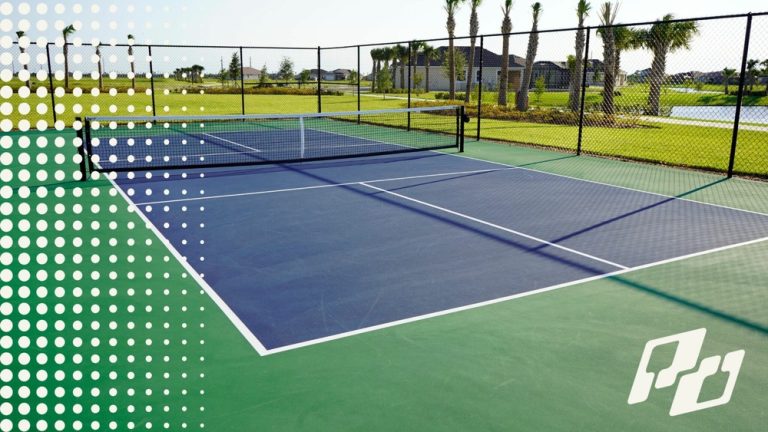
- Sometimes multiple pickleball courts fit inside one tennis court.
Example
In many parks, tennis courts are used for pickleball by painting new lines. Some clubs also install temporary nets. This allows more people to play both sports in the same space.
Non-obvious insight: Some cities now build “blended” courts with both tennis and pickleball lines. This lets players switch games easily, but can be visually confusing if not marked well.
Equipment Differences
While the courts may look similar from a distance, the equipment for each sport is very different.
Tennis Equipment
- Racket: Large, stringed
- Ball: Fuzzy, pressurized
- Shoes: Designed for fast movement and sliding
Tennis rackets are heavy and powerful. Tennis balls bounce high and move fast.
Pickleball Equipment
- Paddle: Small, solid (usually plastic or composite)
- Ball: Lightweight, plastic, with holes
- Shoes: Court shoes, similar to tennis
Pickleball paddles are much lighter than tennis rackets. Pickleball balls are slower and bounce lower.
Practical tip: You cannot use tennis balls or rackets for pickleball. The game rules and equipment are unique.
Number Of Players And Game Styles
Both sports can be played singles or doubles, but pickleball’s smaller court makes doubles very popular.
Tennis
- Singles: 1 vs 1
- Doubles: 2 vs 2
Singles requires a lot of running. Doubles is more social, but still fast-paced.
Pickleball
- Singles: 1 vs 1
- Doubles: 2 vs 2
Pickleball doubles is easier for beginners. The smaller court means less running and more teamwork.
Court Sharing
Because pickleball courts are smaller, you can fit more games into the same space. One tennis court can often host four pickleball games at once.
Accessibility And Cost
Pickleball is known for being more accessible. The smaller court and lower net make it easier for older players, children, and beginners.
Tennis Court Accessibility
- Needs large space
- Expensive to build and maintain
- Requires special surfaces
Pickleball Court Accessibility
- Smaller space needed
- Cheaper to build
- Can use existing tennis courts
Pickleball is often chosen for community centers, schools, and retirement homes because it is easier to set up.
Data point: According to the USA Pickleball Association, as of 2023, there are over 10,000 public pickleball courts in the US, and many are repurposed tennis courts.
Ball Bounce And Playability
The way the ball bounces is important for both sports.
Tennis
- Tennis balls bounce high and fast.
- Court surface affects speed (hard, clay, grass).
Pickleball
- Pickleball balls bounce lower.
- Hard surfaces are best.
- Slower game, easier to control.
Practical tip: Playing pickleball on clay or grass is not recommended. The ball will not bounce well, and games will be less fun.
Safety Differences
The court size and equipment affect player safety.
Tennis
- Larger court means more running and risk of falls.
- Fast balls can cause injury if hit hard.
Pickleball
- Smaller court, less running.
- Lighter ball, lower risk of injury.
- Good for seniors and people with limited mobility.
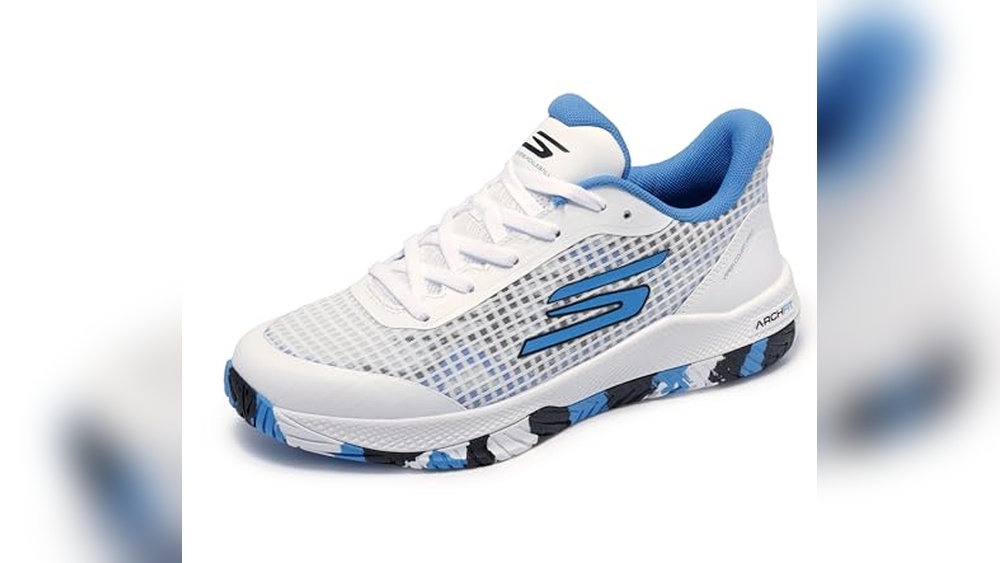
Common mistake: Using tennis shoes for pickleball. Tennis shoes are heavier and designed for sliding. Pickleball shoes should grip better and be lighter.
Popularity And Growth
Pickleball is one of the fastest growing sports in the US.
- In 2022, pickleball grew by over 40% in participation, according to the Sports & Fitness Industry Association.
- Tennis has more courts overall, but pickleball is catching up fast.
- Many tennis clubs now offer pickleball as an option.
Example: In Seattle, dozens of tennis courts have been repainted to include pickleball lines. This attracts new players and keeps courts busy.
Dedicated Pickleball Courts Vs Multi-use Courts
Some communities build courts just for pickleball. Others use multi-use courts.
Dedicated Pickleball Courts
- Designed specifically for pickleball
- Correct net height and court size
- Clear lines, less confusion
Multi-use Courts
- Tennis courts with pickleball lines
- May have higher nets
- Lines can be confusing
Data point: Over 60% of public pickleball games are played on converted tennis courts, according to USA Pickleball.
Advantages Of Dedicated Courts
- Easier to play by the rules
- No confusion with lines
- Safer, less risk of tripping
Disadvantages
- Requires new construction
- More expensive
Advantages Of Multi-use Courts
- Saves money and space
- Easy for communities to offer both sports
Disadvantages
- Lines can be confusing
- Net height may not be perfect

Credit: www.forbes.com
Adapting Facilities For Both Sports
Many facilities want to offer both tennis and pickleball. Here is how they do it:
- Paint pickleball lines in a different color.
- Provide portable pickleball nets.
- Offer scheduling for each sport.
- Educate players about the differences.
Practical tip: When scheduling courts, leave time for both sports. Pickleball games are shorter, so more players can use the court.
Rules Differences Related To Courts
The court affects the rules for each game.
Tennis Rules
- Players can volley anywhere except for the service box on serve.
- No restricted zones near the net.
Pickleball Rules
- The “kitchen” (non-volley zone) restricts players from volleying close to the net.
- Serve must be diagonal, and the ball must bounce once before volleys are allowed.
Non-obvious insight: The kitchen is a unique challenge in pickleball. New players often forget this rule and step into the zone, causing faults.

Credit: pickleballsuperstore.com
Weather And Outdoor Play
Both sports can be played outdoors, but some weather differences matter.
Tennis
- Grass and clay courts are sensitive to rain.
- Hard courts handle weather better.
Pickleball
- Hard courts are best for outdoor play.
- The light ball can be affected by wind.
Practical tip: Wind is a bigger problem for pickleball. The ball is light and can drift. Indoor courts solve this issue.
Court Maintenance
Maintaining courts is important for safety and play quality.
Tennis Court Maintenance
- Needs regular cleaning, resurfacing, and line repainting
- Grass and clay require extra care
Pickleball Court Maintenance
- Hard surfaces need cleaning and occasional painting
- Less area to cover, so cheaper and easier
Common mistake: Not cleaning pickleball courts regularly. Dust and debris can cause slips.
Social And Community Impact
Pickleball is known for its social benefits. The smaller court brings players closer together.
- Easier to talk during games
- More people can play at once
- Popular for family and senior groups
Tennis is also social, but games are more competitive and spaced out.
Example: Retirement communities often choose pickleball because it is easier for groups to play together.
Cost To Build Courts
Cost matters if you want to build new courts.
Tennis Court Costs
- $20,000 to $60,000 for a single court (depending on surface and location)
- Needs more space and materials
Pickleball Court Costs
- $5,000 to $15,000 per court
- Smaller space, less materials
Practical tip: You can build several pickleball courts for the price of one tennis court.
Credit: www.playpickleball.com
Age Groups And Skill Levels
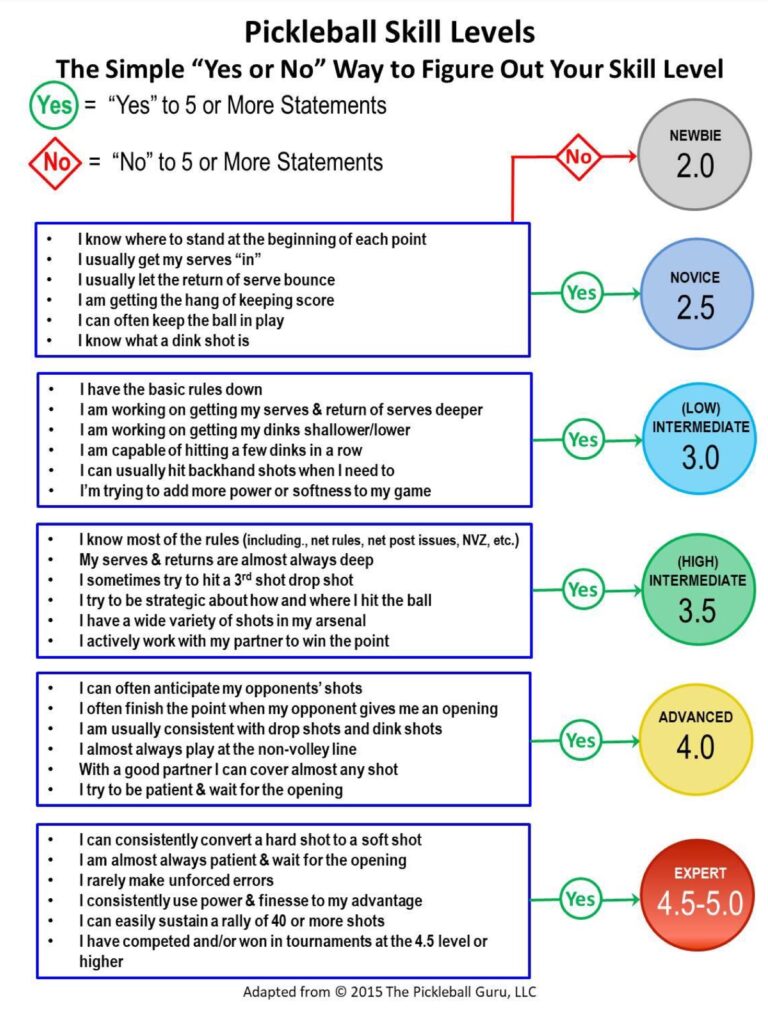
Pickleball is friendly for all ages and skill levels. Tennis is popular with youth and adults, but requires more speed and stamina.
- Pickleball: Easy for beginners, seniors, children
- Tennis: Best for fit players, but also great for young athletes
Data point: In 2023, over 30% of pickleball players in the US were over age 55.
Court Lighting
If you play at night, court lighting is important.
- Tennis courts need more lights because the area is bigger.
- Pickleball courts are smaller, so fewer lights are needed.
Practical tip: LED lights are best for both sports. They save energy and give clear visibility.
Is A Pickleball Court The Same As Tennis Court?
With all these differences, it is clear: pickleball courts are not the same as tennis courts. They differ in size, net height, markings, equipment, and play style. However, you can often use a tennis court for pickleball with some adjustments. Many communities do this to save money and space.
If you want to play pickleball, check if your local tennis courts offer pickleball lines or portable nets. If you are building a new court, consider the size and surface carefully. Pickleball is easier to start, cheaper to build, and more social.
Tennis offers a faster, more competitive game, but requires more space and investment.
Both sports can share facilities, but understanding the differences helps you play better and enjoy the game more.
If you want official court standards or conversion tips, visit the USA Pickleball Association or a local recreation site. For detailed dimensions and rules, see this Wikipedia page.
FAQs (Is a Pickleball Court the Same As Tennis Court)
Can I Play Pickleball On A Tennis Court?
Yes, you can. Many people use tennis courts for pickleball by marking new lines and lowering the net. You may need tape, paint, or a portable pickleball net to get the correct setup. Some clubs even fit multiple pickleball courts inside one tennis court.
What Is The Main Difference Between A Pickleball Court And A Tennis Court?
The main difference is size. Pickleball courts are much smaller (20×44 feet) compared to tennis courts (27/36×78 feet). Net height and markings also differ. Pickleball has a lower net and a “kitchen” zone near the net.
How Many Pickleball Courts Fit On A Tennis Court?
Usually, you can fit four pickleball courts inside one tennis court. This is possible because pickleball courts are smaller. Clubs often do this to let more people play at once.
Is The Surface Of A Tennis Court Suitable For Pickleball?
Yes, hard tennis court surfaces work well for pickleball. Clay or grass courts are not recommended because the pickleball does not bounce properly. Indoor pickleball courts may use wood or synthetic surfaces.
Do You Need Special Shoes For Pickleball?
Court shoes designed for tennis or indoor sports are best for pickleball. Running shoes are not recommended because they do not grip the court properly. Pickleball shoes should be comfortable, light, and offer good support.
Pickleball and tennis are both fun sports, but knowing the differences in their courts helps you play safely and enjoy the game. Whether you are adapting a tennis court or building a new pickleball space, these tips will guide you to the right setup.