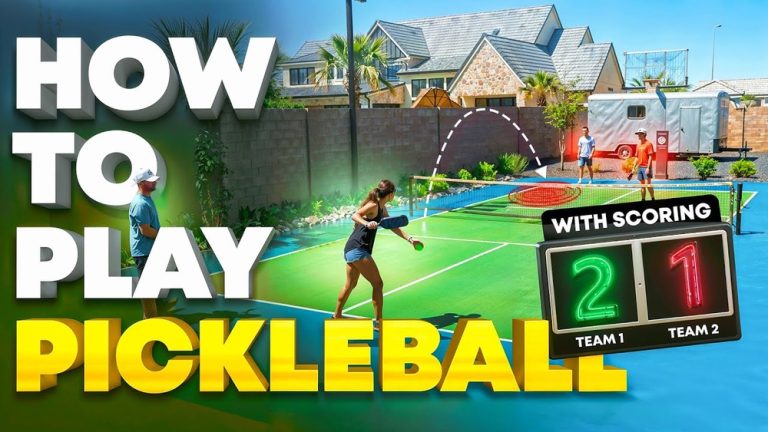
Touch Tennis Vs Pickleball: Which Game Wins for 2026

Touch Tennis Vs Pickleball: Detailed Comparison For Players And Beginners
If you have noticed more people playing small racquet games in parks or gyms, you are not alone. Both Touch Tennis and Pickleball are growing fast, attracting new fans every year. These sports look similar at first glance — small courts, paddles or racquets, quick rallies. But if you dig deeper, you will see important differences in rules, equipment, playing styles, and even the culture around each game.
This guide helps you understand both games clearly. Whether you want to try one, choose between them, or just learn what makes them special, you will find practical advice, real-world examples, and reliable data. You will also discover beginner mistakes and non-obvious tips that most articles miss.
What Is Touch Tennis?
Touch Tennis started in the UK in 2002, created by Rashid Ahmad. The goal was simple: make tennis more accessible and fun, especially for people who do not have space or time for full-size tennis.
The game uses a smaller court — usually 12 x 5 meters (about 39 x 16 feet). The foam ball is much softer and lighter than regular tennis balls. Players use short, lightweight racquets (21 inches or less) instead of standard tennis racquets.
Touch Tennis can be played indoors or outdoors, singles or doubles. The rules are similar to tennis, but the focus is on quick reflexes, creative shots, and fast rallies.
Popularity And Growth
Touch Tennis is still new compared to pickleball, but it is gaining attention in Europe and Asia. Organized tournaments now exist in the UK, India, South Africa, and Australia. The sport appeals to all ages, including children and adults who find regular tennis too demanding.
Who Should Try Touch Tennis?
- People with limited space or budget
- Beginners looking for a friendly, low-pressure entry to racquet sports
- Tennis lovers wanting a fun, social alternative
- Anyone seeking a quick, energetic workout
What Is Pickleball?
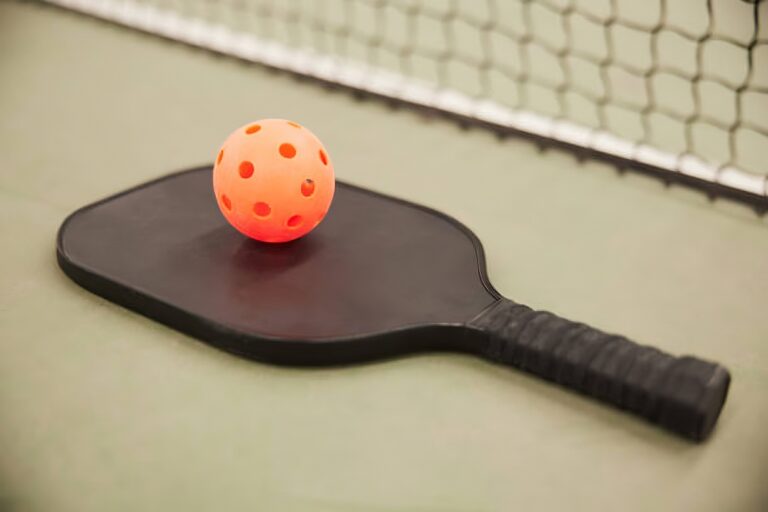
Pickleball was invented in Washington State in 1965 by Joel Pritchard, Bill Bell, and Barney McCallum. It combines elements of tennis, badminton, and ping-pong. The game uses a solid paddle, a plastic ball with holes, and a court about one-fourth the size of a tennis court.
Pickleball is played as singles or doubles, indoors or outdoors. The rules are unique — there is a “no-volley zone” called the kitchen, and the serve must be underhand.
Popularity And Growth
Pickleball is exploding in the US, Canada, and Australia. The USA Pickleball Association reports that there are now over 4.8 million players in the US alone (2023). Courts are appearing in schools, retirement homes, and public parks.
Pickleball welcomes all ages, but is especially popular with older adults. Its simple rules and gentle pace make it easy to learn, but advanced players can enjoy fast, strategic matches.
Who Should Try Pickleball?
- People of all ages, especially seniors
- Anyone looking for a social, low-impact sport
- Those who want a game that is easy to learn but challenging to master
- Families and groups who want to play together
Key Differences Between Touch Tennis And Pickleball
Both sports are fun, fast, and easy to start. But their differences affect how you play and enjoy the game. Here are the main areas where they diverge.
| Feature | Touch Tennis | Pickleball |
|---|---|---|
| Court Size | 12 x 5 meters (39 x 16 ft) | 13.4 x 6.1 meters (44 x 20 ft) |
| Playing Surface | Any flat surface (grass, gym, asphalt) | Hard surfaces (concrete, gym, outdoor courts) |
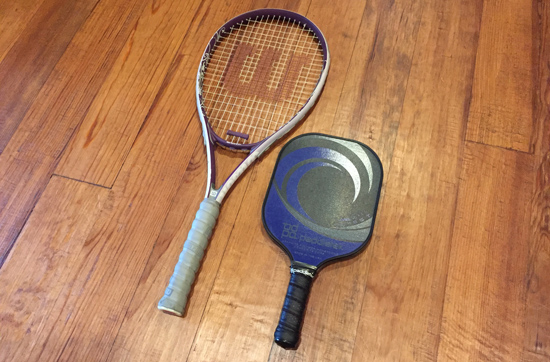
| Racquet/Paddle | Short tennis racquet (21″ max) | Solid paddle (wood, composite) |
| Ball | Foam ball (soft, slow) | Plastic ball with holes (hard, light) |
| Scoring | Tennis scoring (15, 30, 40, game) | Rally scoring (up to 11 or 15 points) |
| Serve | Any style (overhand, underhand) | Underhand only, diagonal |
| No-Volley Zone | None | “Kitchen” (7 ft from net) |
| Average Rally Length | 3–6 shots | 6–10 shots |
| Age Popularity | All ages, especially youth | All ages, especially seniors |
Equipment: What You Need To Play
Getting started in either sport is affordable and simple. But the gear is quite different.
Touch Tennis Gear
- Racquet: 21 inches or less, lightweight. Many players use junior tennis racquets.
- Ball: Special foam ball, larger than tennis balls, soft and bouncy.
- Court: Marked lines on any flat surface. Portable nets are common.
- Shoes: Any comfortable athletic shoes.
A basic touch tennis set costs $50–$100. You do not need special clothing or shoes, but some players wear tennis-style outfits.
Pickleball Gear
- Paddle: Solid, flat paddle made from wood, graphite, or composite materials. Standard size is about 16 inches long.
- Ball: Plastic, with 26–40 holes. Indoor and outdoor balls differ in weight and bounce.
- Court: Standard pickleball court is 44 x 20 feet. Many tennis courts are repurposed for pickleball.
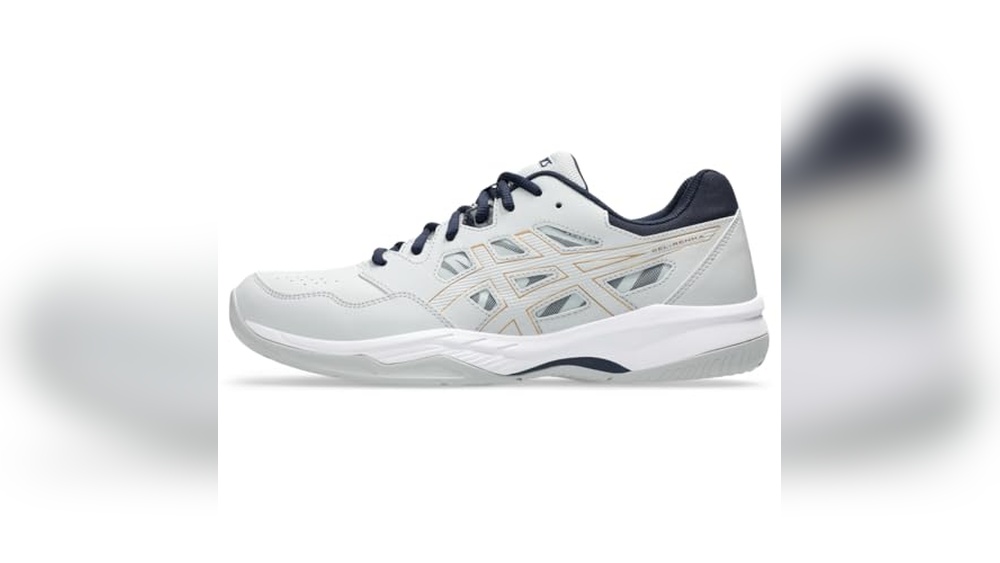
- Shoes: Court shoes or any non-marking athletic shoes.
Pickleball starter sets range from $60–$120. Some players invest in higher-end paddles ($100+), but beginners do not need to.
Data: Equipment Costs
| Equipment | Touch Tennis (avg. cost) | Pickleball (avg. cost) |
|---|---|---|
| Starter Set (racquet/paddle + balls) | $60 | $70 |
| Portable Net | $80 | $95 |
| Annual Maintenance | $20 | $25 |
| High-End Gear | $120 | $200 |
Insight: Beginners often spend more on gear than needed. For both sports, basic sets are fine for first-time players. Avoid buying expensive equipment until you know which game suits you.
Rules: How Each Game Is Played
Understanding the rules helps you enjoy the game and avoid beginner mistakes. Each sport has unique rules that affect gameplay.
Touch Tennis Rules
- Scoring: Same as regular tennis (15, 30, 40, game). Best of 3 sets, each set to 4 games.
- Serve: Any serve style, but must land diagonally in the service box.
- Ball: Foam ball can bounce higher, so rallies are fast and unpredictable.
- Court: No “no-volley zone”; players can approach the net anytime.
- Singles/Doubles: Both formats are common. Doubles use wider courts.
Common Mistake: Many new players stand too far back, expecting the ball to behave like regular tennis. Foam balls bounce differently, and the court is much smaller.
Pickleball Rules
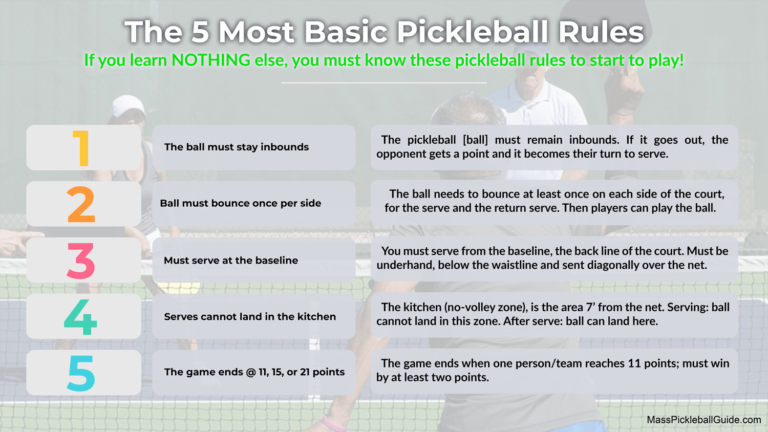
- Scoring: Usually first to 11 points, win by 2. Only the serving team can score in traditional rules; rally scoring is becoming more popular.
- Serve: Underhand only, must clear the kitchen and land diagonally.
- Kitchen: No player may volley (hit in the air) while in the kitchen zone, which is 7 feet from the net.
- Double Bounce Rule: The ball must bounce once on each side before volleys are allowed.
- Singles/Doubles: Both formats are popular; doubles are more common in social play.
Common Mistake: Beginners forget the kitchen rule and step into the zone while volleying. This leads to lost points and confusion.
Skills And Playing Style
Touch Tennis and Pickleball reward different skills. Understanding these will help you choose the sport that fits your style.
Touch Tennis Skills
- Quick reflexes: The foam ball moves fast and bounces high.
- Creative shots: Players use spins, lobs, and drop shots to keep rallies alive.
- Agility: The small court means constant movement and quick changes of direction.
- Tactical play: The court size allows for clever angles and unexpected shots.
Example: In touch tennis, a player may slice the ball deeply, making it bounce away from the opponent. Because the foam ball is unpredictable, players must be ready for odd spins and high bounces.
Pickleball Skills
- Control and placement: Players aim for the corners and avoid the kitchen.
- Patience: Rallies are longer, so waiting for a good shot is important.
- Soft touch: The plastic ball rewards gentle dinks and careful volleys.
- Strategy: Doubles play relies on teamwork and positioning.
Example: Advanced pickleball players use “dinks” — soft shots just over the net — to force opponents into mistakes. They also avoid hard hits unless the chance for a winning shot is clear.
Non-Obvious Insight: Many people think pickleball is just about hitting hard. But the best players win with soft, controlled shots near the net.
Physical Demands And Health Benefits
Both sports are great for fitness, but they affect the body in different ways.
Touch Tennis Physical Demands
- High intensity: Quick sprints, fast reactions, and constant movement.
- Cardio: Players burn about 250–350 calories in a 30-minute game.
- Low impact: Foam balls and small courts reduce risk of injury.
- Flexibility: Frequent bending, reaching, and stretching.
Touch tennis is popular among people who want a good workout but dislike running long distances. It is also safer for joints, as the foam ball puts less stress on wrists and elbows.
Pickleball Physical Demands
- Moderate intensity: Short bursts of movement, less running than tennis.
- Cardio: Players burn about 200–300 calories in a 30-minute game.
- Low impact: The court is small, and the ball is light, making it gentle on knees and ankles.
- Balance: Moving quickly in and out of the kitchen zone improves balance.
Pickleball is recommended for older adults or anyone recovering from joint injuries. The game can be played at any pace, from easy social matches to highly competitive tournaments.
Community And Culture
The culture around each sport shapes how players interact and enjoy the game.
Touch Tennis Community
- Inclusive: Welcomes beginners, kids, and adults.
- Social: Matches are often casual, with friendly banter and relaxed rules.
- Competitive: Tournaments exist but are less formal than tennis.
- Global: Growing in Europe, Asia, and Africa.
Touch tennis clubs often mix ages and skill levels. Players encourage each other, and matches are quick, so everyone gets a chance to play.
Pickleball Community
- Welcoming: New players are often invited to join games.
- Social: Many clubs organize “open play” sessions where anyone can join.
- Competitive: National and international tournaments are serious, but most games are friendly.
- US Focused: The sport is especially popular in the US, with thousands of local clubs.
Pickleball groups often include retired people, families, and teens. The sport’s easy rules and gentle pace make it ideal for social gatherings.
Non-Obvious Insight: Pickleball’s “open play” system means you can show up alone and find a game. This removes barriers for beginners who may not have friends to play with.
Credit: pickleballkitchen.com
Learning Curve: Which Is Easier For Beginners?
Both sports are easy to start, but one may suit you better based on your background.
Touch Tennis Learning Curve
- Tennis players: Find it easy, as rules are similar.
- Non-tennis players: May need time to adjust to the foam ball and short racquet.
- Kids: Pick up the game quickly due to simple rules.
Tip: Beginners often grip the racquet too tightly, making shots less accurate. Relax your grip and focus on smooth swings.
Pickleball Learning Curve
- Anyone: Can learn basics in 15–30 minutes.
- Older adults: Enjoy the gentle pace and simple rules.
- Team players: Doubles format makes it easy to join groups.
Tip: Practice the “dink” shot and learn to move in and out of the kitchen zone. Many beginners overlook these skills.
Accessibility And Space Requirements
One reason these sports are growing is that they need less space than tennis or badminton.
Touch Tennis Space
- Can be set up in school gyms, driveways, or public parks.
- The court can be marked with tape, chalk, or portable lines.
- Indoor and outdoor play is possible.
Pickleball Space
- Requires a standard court (44 x 20 feet).
- Many cities convert tennis courts for pickleball.
- Indoor gyms often host multiple pickleball courts side by side.
Data: In the US, over 10,000 locations offer pickleball courts. Touch tennis is less common, but many communities create courts using portable nets.
Tournaments And Competitive Play
Both sports have organized competitions, but their structure and prestige differ.
Touch Tennis Tournaments
- Local, regional, and international events.
- Format: Best of 3 sets, shorter matches.
- Less formal than tennis tournaments.
- Prize money and rankings exist, but most events are for fun.
Pickleball Tournaments
- National and international competitions (e.g., US Open Pickleball Championships).
- Format: Round-robin, knockout stages, singles and doubles.
- Age divisions (youth, adult, senior).
- Professional players and large prize pools.
Non-Obvious Insight: Pickleball tournaments often use “skill-level” divisions, so beginners can compete without facing advanced players. This encourages participation and growth.
Safety And Injury Risk
Both sports are safe, but some risks are unique to each.
Touch Tennis Safety
- Low injury risk due to foam balls and short court.
- Most common injuries: Sprained ankles, wrist strain.
- Rare: Impact injuries, as balls move slowly.
Pickleball Safety
- Low injury risk overall.
- Most common injuries: Falls, ankle twists, shoulder strain.
- Kitchen rule prevents dangerous net collisions.
Tip: Always warm up before playing. Many injuries happen when players skip stretching or jump into intense rallies.
How To Choose: Which Sport Is Right For You?
Choosing between touch tennis and pickleball depends on your goals, space, and preferences.
- Space: If you have limited space, touch tennis is easier to set up anywhere.
- Age: Pickleball is ideal for older adults or people with joint problems.
- Skill: Tennis players often enjoy touch tennis; beginners may prefer pickleball.
- Social: Both are social, but pickleball has larger clubs and “open play” sessions.
- Intensity: Touch tennis is more intense; pickleball is gentler.
- Competition: Pickleball offers bigger tournaments and professional opportunities.
Practical Advisor Insight: Try both sports before investing in gear. Many clubs offer free trial sessions or loaner equipment.
Environmental Impact And Sustainability
The environmental impact of these sports is rarely discussed, but it matters.
Touch Tennis Sustainability
- Foam balls last longer than regular tennis balls.
- Short courts mean less surface area, so less material is needed for construction.
- Portable nets and equipment reduce waste.
Pickleball Sustainability
- Plastic balls must be replaced often, creating waste.
- Paddles can be recycled, but many end up in landfills.
- Court surfaces are usually concrete or asphalt, which have environmental costs.
Tip: Choose eco-friendly equipment when possible. Some brands offer recycled foam balls or biodegradable pickleball paddles.

Credit: tt.tennis-warehouse.com
Real-world Examples: How Players Experience Each Sport
Touch Tennis Stories
- Emma, age 28: “I play touch tennis with friends in our apartment parking lot. The foam ball means we do not break windows. It is perfect for quick games after work.”
- Arjun, age 14: “Our school replaced tennis with touch tennis because the courts were too big. Now more kids play, and it is easier to practice.”
Pickleball Stories
- Linda, age 65: “Pickleball keeps me active. Our club has open play every morning. I joined alone, but now I have dozens of friends.”
- Mike, age 40: “I play pickleball with my kids. The rules are easy, and we laugh a lot. It is less stressful than tennis.”
Comparison Table: Which Sport Suits Which Need?
| Need | Touch Tennis | Pickleball |
|---|---|---|
| Small space | ✔ | ✘ |
| Gentle on joints | ✔ | ✔ |
| Easy for beginners | ✔ | ✔ |
| Big tournaments | ✘ | ✔ |
| Social clubs | ✔ | ✔ |
| Quick workout | ✔ | ✘ |
| Family-friendly | ✔ | ✔ |
| Global popularity | ✘ | ✔ |

Credit: lakegenevalanes.com
Tips For Beginners: Avoiding Common Mistakes
- Touch Tennis: Do not stand too far from the baseline. The court is small, and balls bounce higher.
- Pickleball: Master the kitchen rule early. Practice moving in and out without stepping into the zone.
- Both: Relax your grip and focus on smooth swings. Tension leads to errors.
- Gear: Start with basic equipment. Only upgrade if you become serious.
- Join clubs: Social play improves skills faster than solo practice.
Non-Obvious Insight: Beginners often play too defensively. Both sports reward creative, aggressive play — try new shots and angles.
Where To Find Courts And Clubs
- Touch Tennis: Check local tennis clubs, schools, or community centers. Many offer touch tennis as a supplement to regular tennis.
- Pickleball: Visit the USA Pickleball Association site for a locator tool. Parks, gyms, and retirement communities often have courts.
For official rules and resources, see the USA Pickleball Association.
Frequently Asked Questions
What Is The Main Difference Between Touch Tennis And Pickleball?
Touch tennis uses a foam ball and short racquet, with rules similar to tennis. Pickleball uses a solid paddle and plastic ball with holes, and has unique rules (like the kitchen zone). The court and play style are different.
Is Touch Tennis Easier Than Pickleball For Beginners?
Both are easy to start. Touch tennis is simpler for people with a tennis background. Pickleball is easier for everyone else, thanks to straightforward rules and slow-paced rallies.
Can Kids Play Both Sports Safely?
Yes, both are suitable for kids. Touch tennis is often used in schools because the foam ball is safe and the court is small. Pickleball is popular with families and has no age restrictions.
What Is The Cost To Start Playing Each Sport?
Touch tennis: $50–$100 for basic gear. Pickleball: $60–$120 for starter sets. Court access is usually free or low-cost in public parks.
Where Can I Find Touch Tennis And Pickleball Courts?
Touch tennis: Look for tennis clubs, schools, or community centers with touch tennis lines. Pickleball: Use the USA Pickleball Association’s court locator, or check local gyms and parks.
Final Thoughts
Both Touch Tennis and Pickleball offer fun, accessible ways to enjoy racquet sports. Touch tennis is intense, creative, and works well in small spaces. Pickleball is social, gentle, and easy for anyone to play. If you are new, try both before making a choice. You may find one fits your style, space, or goals better. The real secret? Both games are about movement, laughter, and connection — and that is what keeps players coming back.