Pickleball Vs Tennis Ball: Key Differences and Which Is Better 2026

Pickleball Vs Tennis Ball: Full Comparison For Players And Beginners
Pickleball has exploded in popularity across the United States and beyond. Tennis, meanwhile, remains a classic sport loved worldwide. Both games use a ball as their core element. But the pickleball and the tennis ball are very different in size, materials, bounce, and playability. If you’re curious about how these balls compare, or if you’re deciding which sport to try, this guide will break down everything in clear, simple terms.
Let’s dive deep into what makes the pickleball and tennis ball unique. We’ll cover the technical details, the playing experience, practical advice for choosing, and even the science behind each ball’s behavior. By the end, you’ll understand which ball best fits your needs, and you’ll feel confident making your own choice.
What Is A Pickleball?
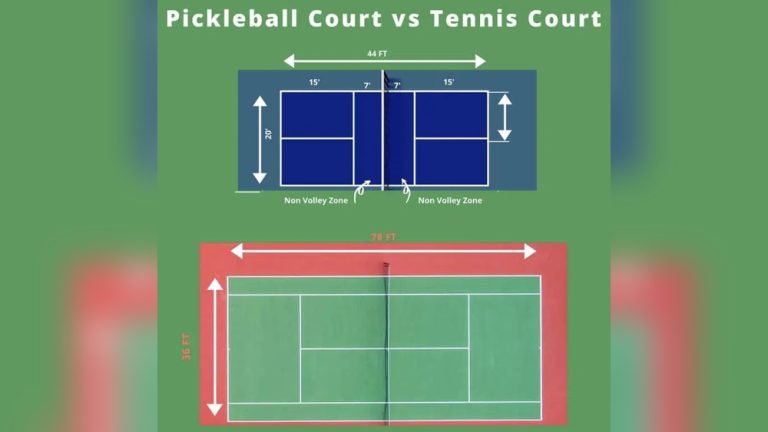
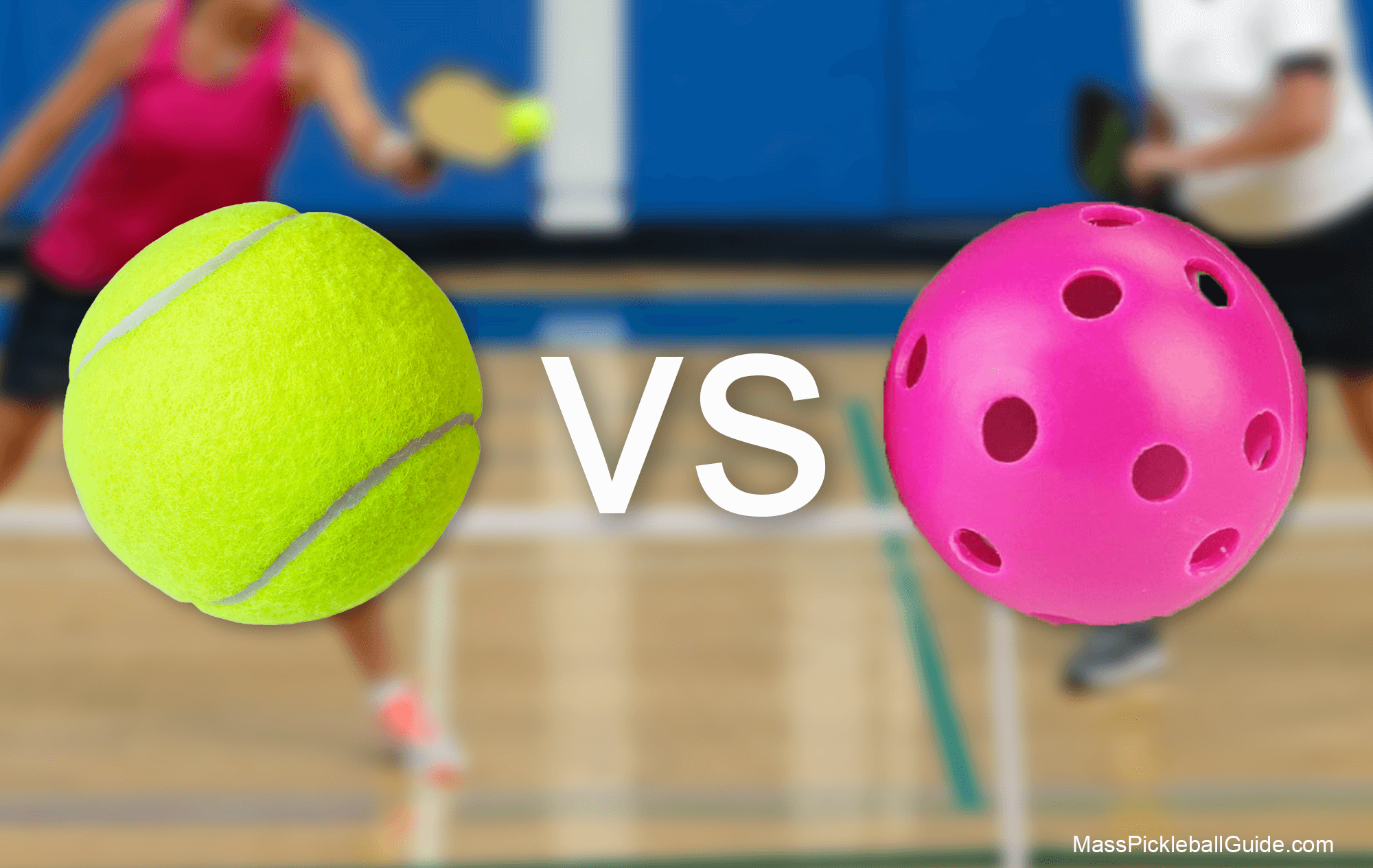
A pickleball is a lightweight plastic ball with holes. It’s used in the sport of pickleball, which is played on a court about one-third the size of a tennis court. Pickleballs are designed to fly smoothly, bounce lower than a tennis ball, and make a distinctive “pop” sound when hit.
Here’s a closer look:
- Material: Most pickleballs are made from hard, smooth plastic (polypropylene or similar).
- Size: Diameter is 2.87 to 2.97 inches (73 to 75 mm).
- Weight: 0.78 to 0.935 ounces (22 to 26.5 grams).
- Color: Usually yellow, green, or white, but other colors are allowed.
- Design: 26 to 40 holes drilled through the ball. These holes are evenly spaced to keep the flight stable.
There are two main types:
- Indoor Pickleballs: Slightly lighter, have larger holes (often 26 holes).
- Outdoor Pickleballs: Heavier, smaller holes (usually 40 holes), made to resist wind.
Pickleballs do not have a fuzzy surface. Their hard shell means less friction with the air, resulting in a faster, flatter flight.
What Is A Tennis Ball?
A tennis ball is a pressurized rubber ball covered with a fuzzy felt. It’s used in tennis, a sport played on a larger court, often outdoors or indoors.
Let’s look at the details:
- Material: Hollow rubber core, covered in wool and nylon felt.
- Size: Diameter is 2.57 to 2.70 inches (65 to 68 mm).
- Weight: 1.975 to 2.095 ounces (56 to 59.4 grams).
- Color: Almost always bright yellow for visibility. Sometimes white in special cases.
- Pressure: Most tennis balls are pressurized (internal air pressure), but “pressureless” balls exist for practice.
- Bounce: Designed for high, predictable bounce.
The fuzzy felt gives the tennis ball grip on the court surface and in the air. It also makes the ball slower and more controllable.
Pickleball Vs Tennis Ball: Side-by-side Comparison
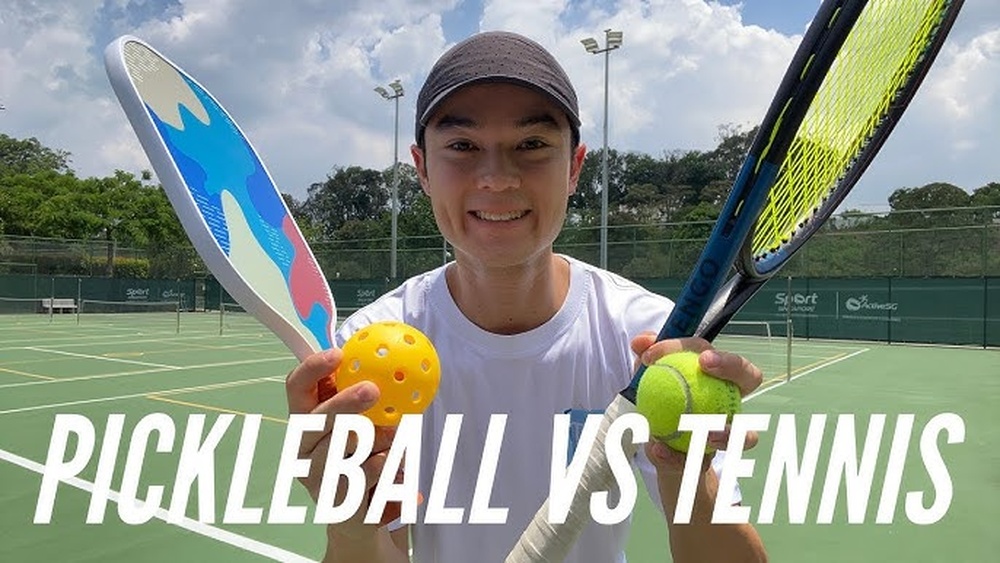
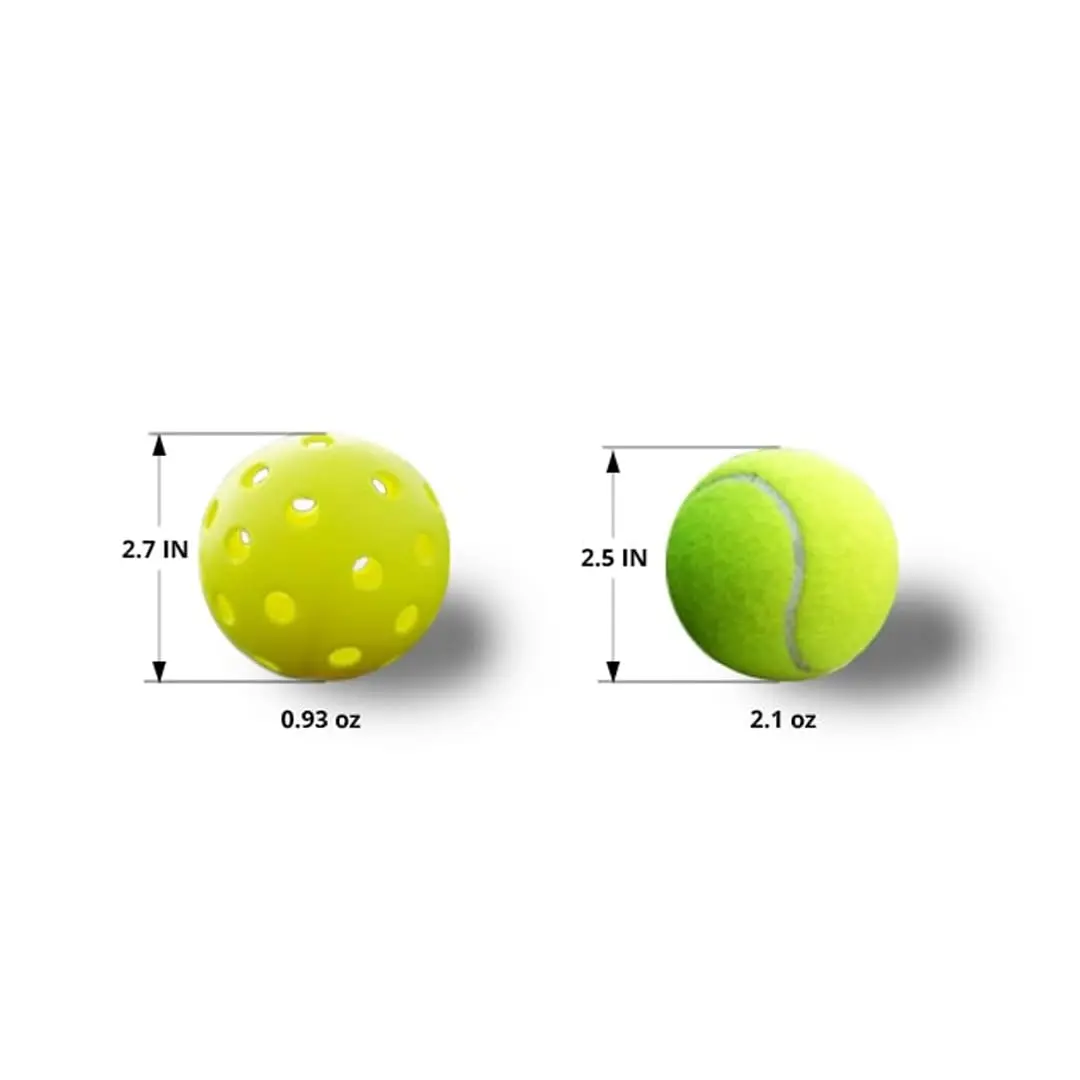
To help you visualize the main differences, here’s a comparison of the core features:
| Feature | Pickleball | Tennis Ball |
|---|---|---|
| Diameter | 2.87–2.97 inches | 2.57–2.70 inches |
| Weight | 0.78–0.935 oz | 1.975–2.095 oz |
| Material | Hard plastic | Rubber & felt |
| Color | Yellow, green, white | Bright yellow |
| Surface | Smooth, with holes | Fuzzy felt |
| Bounce height | Lower, flatter | Higher, lively |
| Sound | Loud “pop” | Soft “thud” |
| Wind resistance | Lower (outdoor balls) | Moderate |
| Durability | Few weeks (recreational) | Few days to weeks |
This table makes it clear: the balls look similar in size, but their weight, material, and design are very different.
How The Balls Are Made
Pickleball Manufacturing
Pickleballs start as plastic pellets. The manufacturing process uses a method called rotational molding or injection molding. The plastic is heated, then shaped into a hollow ball. Holes are drilled, and the ball is cooled and trimmed. Quality balls are tested for roundness and bounce.
Indoor and outdoor pickleballs are made with different plastics. Outdoor balls use thicker, tougher material to withstand rough surfaces and wind.
Tennis Ball Manufacturing
Tennis balls begin with sheets of rubber. The rubber is shaped into two half-shells, which are joined to form a hollow ball. The ball is filled with air (for pressurized balls), then covered with a layer of adhesive and felt.
The felt is made from a mix of wool and nylon fibers. The finished ball is steam-treated for softness. Finally, balls are checked for bounce and shape, then packed in pressurized cans.
Tennis ball manufacturing is more complex, and the fuzzy felt is key to its performance.
Bounce And Flight: The Science Explained
Pickleball Bounce And Flight
Pickleballs bounce lower than tennis balls. The hard plastic shell and holes reduce the bounce. On a standard pickleball court, a dropped ball from 78 inches (2 meters) will bounce back about 34–37 inches (86–94 cm).
The holes also affect flight. When hit, air passes through the ball, making it slower and less affected by wind. Outdoor balls with smaller holes are more stable in breezy conditions.
Pickleballs tend to “skid” across the surface, and their bounce is less predictable on rough outdoor courts.
Tennis Ball Bounce And Flight
Tennis balls are famous for their lively bounce. Dropped from the same height (78 inches), a tennis ball rebounds about 53–58 inches (135–147 cm) on a hard court.
The pressurized core gives the ball its energy. The felt grabs the court, creating spin. Tennis balls fly faster and curve more in the air. Wind and humidity can affect bounce, but less than pickleballs.
A tennis ball’s bounce changes as it ages and loses pressure. This is why pro tournaments use new balls every 7–9 games.
Playing Experience: How The Ball Feels
Playing With Pickleballs
Pickleballs are light and easy to hit. They don’t require much strength, and the game is often slower and more strategic. The ball’s “pop” sound is loud, making it easy to hear when it’s struck.
Most beginners find pickleball easier to learn. The ball’s predictable flight and lower bounce mean less running and fewer wild shots.
Pickleballs are also gentler on joints. Since the ball doesn’t bounce high and the court is smaller, players move less and can play longer.
Playing With Tennis Balls
Tennis balls demand more power and control. Their bounce can be high and unpredictable, especially on grass or clay courts. The soft “thud” sound is familiar to tennis fans.
Tennis is faster, and the ball’s spin makes the game complex. Players must chase the ball across a large court, and the felt can wear out quickly.
Beginners often struggle with tennis balls. Learning to control spin and bounce takes practice. Tennis is also more physically demanding.

Credit: www.pickleballrush.com
Which Ball Is Easier For Beginners?
Most beginners find pickleballs easier to handle. Here’s why:
- Lower bounce: Balls don’t fly too high, so you don’t have to jump or stretch.
- Slower speed: Easier to track and return shots.
- Smaller court: Less running, less fatigue.
- Gentle impact: Less risk of injury.
Tennis balls require more skill. The bounce is lively, and spin makes shots harder to predict. Beginners may find tennis frustrating at first.
Ball Durability And Lifespan
Pickleball Durability
Recreational pickleballs last for weeks, sometimes months. Outdoor balls wear out faster due to rough surfaces and sunlight. Cracks or splits are the main signs a pickleball needs replacing.
Indoor pickleballs last longer. But, if used outdoors, they may lose shape or break easily.
Tennis Ball Durability
Tennis balls lose pressure quickly. For regular play, balls last just a few days. In matches, professionals replace balls every 7–9 games.
Pressureless balls can last months, but they feel harder and bounce less.
The fuzzy felt wears down, especially on hard courts. Once the felt is gone, the ball becomes “dead” and is no longer suitable for serious play.
How To Choose The Right Ball For Your Game
Choosing between a pickleball and a tennis ball depends on your needs:
- Skill level: Pickleballs are better for beginners and casual players. Tennis balls are best for those seeking challenge.
- Physical fitness: Pickleball is easier on joints and knees. Tennis is more demanding.
- Court type: Pickleballs work best on smooth, small courts. Tennis balls need larger, well-maintained courts.
- Game style: Pickleball is strategic, focused on placement. Tennis is fast, with powerful shots and spins.
- Weather: Pickleballs (especially outdoor versions) handle wind better. Tennis balls can be affected by humidity and temperature.
If you want a social, easy-to-learn sport, pickleball is a great choice. For a classic, intense game with rich tradition, tennis is ideal.
Cost Comparison: Pickleball Vs Tennis Ball
Let’s look at how much each ball costs:
| Ball Type | Average Price (USD) | Typical Pack Size | Lifespan (Recreational) |
|---|---|---|---|
| Pickleball (Outdoor) | $2–$3 per ball | Pack of 4–6 | 2–4 weeks |
| Pickleball (Indoor) | $1.50–$2 per ball | Pack of 6 | 4–8 weeks |
| Tennis Ball | $1–$1.50 per ball | Pack of 3–4 (can) | 2–3 days |
| Pressureless Tennis Ball | $1–$1.25 per ball | Pack of 12–18 | 1–3 months |
Pickleballs cost a little more per ball, but last longer for casual play. Tennis balls, especially pressurized ones, need frequent replacement.
Environmental Impact: Which Ball Is Greener?
Pickleball Environmental Impact
Pickleballs are made from plastic. While they last longer, most are not recyclable. Some brands now offer eco-friendly options using recycled plastic, but adoption is slow.
Pickleballs rarely contain toxic chemicals. However, broken balls are often thrown away.
Tennis Ball Environmental Impact
Tennis balls are a bigger environmental problem. Over 300 million tennis balls are sold annually in the US. Most end up in landfills because the felt and rubber are hard to recycle.
A few programs collect used tennis balls for playground surfaces or animal shelters, but recycling is rare. The pressurized cans are recyclable, but many people toss them.
If you care about sustainability, look for brands that use recycled materials. Or, donate used balls to local charities.
Performance Differences: Spin, Speed, And Control
Spin
- Pickleball: Minimal spin. The hard, hole-filled surface reduces friction, so advanced spin shots are rare.
- Tennis Ball: High spin. The fuzzy felt grabs the racket strings, allowing topspin, backspin, and slices.
Speed
- Pickleball: Lower speed. The holes and light weight slow the ball down, making rallies longer.
- Tennis Ball: Higher speed. The pressurized core and heavy weight allow fast serves and groundstrokes.
Control
- Pickleball: Precise control. The ball’s slow speed and predictable flight help players place shots.
- Tennis Ball: More challenging. Speed and spin require skill to control.
How Weather Affects Each Ball
Pickleball
- Wind: Outdoor pickleballs are designed to resist wind. The holes keep flight stable, but strong gusts can still move the ball.
- Rain: Wet courts make pickleballs slippery. The ball may skid and bounce unpredictably.
- Temperature: Extreme heat can soften the plastic, changing bounce.
Tennis Ball
- Wind: Tennis balls are heavy, so wind has less effect. However, high wind can still curve shots.
- Rain: Wet felt loses grip, and balls become heavy and slow. Many tournaments stop play in rain.
- Temperature: Cold weather reduces bounce. Hot weather increases bounce and speeds up play.
Pickleball Vs Tennis Ball: Injury Risk And Safety
Pickleball Injury Risk
Pickleball is safer for most players:
- Lower impact: The ball is light, and the court is small.
- Less running: Reduces risk of ankle, knee, and back injuries.
- Gentler ball: Getting hit by a pickleball rarely causes pain.
Common injuries are muscle strains or minor falls.
Tennis Ball Injury Risk
Tennis is more demanding:
- High impact: Fast-moving balls can cause bruises.
- Lots of running: Greater risk of sprains, tennis elbow, and muscle injuries.
- Harder ball: Being struck by a tennis ball can sting, especially at high speed.
Warming up and using proper technique is essential for safety in tennis.
Credit: dinkusa.com
Ball Storage And Maintenance
Pickleball Storage
Pickleballs are easy to store. Keep them in a cool, dry place. Avoid direct sunlight, which can weaken the plastic.
Check balls for cracks or splits before use. Replace damaged balls to avoid unexpected breaks during play.
Tennis Ball Storage
Tennis balls need more care. Pressurized balls should stay in their sealed cans until use. Exposure to air makes them lose pressure.
Store balls in a dry area, away from heat. Pressureless balls last longer, but may become hard over time.
A non-obvious tip: Rotate your tennis balls. Use newer balls for matches, older balls for practice or ball machines.
Using The Ball For Other Sports And Activities
Both balls have uses beyond their main sport:
- Pickleballs: Used in physical education classes, for hand-eye coordination games, and even dog toys.
- Tennis balls: Commonly used for massage, chair leg covers, playgrounds, and as fetch toys for dogs.
If you have old balls, donate them to schools or animal shelters.
Popular Brands And Models
Pickleball Brands
- Onix: Makes outdoor and indoor balls, known for durability.
- Dura: Popular for tournaments. Dura Fast 40 is an outdoor standard.
- Franklin: Offers both types, approved by USA Pickleball.
Tennis Ball Brands
- Wilson: Official ball of the US Open.
- Penn: Widely used for recreational and professional play.
- Dunlop: Chosen for many European tournaments.
Each brand has its own ball characteristics. Try different models to find your favorite.
Regulations And Official Standards
Both balls must meet strict standards for official play:
Pickleball Standards
- USA Pickleball and International Federation of Pickleball set rules.
- Balls must be 2.87–2.97 inches in diameter and weigh 0.78–0.935 oz.
- Color must be uniform, and holes evenly spaced.
Tennis Ball Standards
- International Tennis Federation (ITF) sets rules.
- Diameter: 2.57–2.70 inches; weight: 1.975–2.095 oz.
- Bounce must be between 53–58 inches when dropped from 100 inches.
Using non-standard balls can disqualify play in tournaments.
Impact On Game Strategy
The type of ball affects how you play:
- Pickleball: Focuses on placement, quick reactions, and soft shots. Spin is less important, but dinks (soft shots near the net) are key.
- Tennis: Powerful serves, baseline rallies, and spin shots dominate. Players must adapt to changing bounce and speed.
If you switch sports, expect to change your technique and strategy.
Common Mistakes When Choosing A Ball
- Using the wrong ball type: Don’t use indoor pickleballs outdoors. They break easily.
- Ignoring bounce: Dead tennis balls ruin the game. Always check bounce before playing.
- Buying cheap balls: Low-quality balls lose shape or pressure quickly.
- Not considering skill level: Beginners benefit from slower balls.
- Skipping brand research: Some brands make balls that don’t meet official standards.
Always read reviews and check standards before purchasing.
Credit: masspickleballguide.com
Ball Testing: How To Check Quality
To test your ball:
- Pickleball: Drop it from shoulder height. It should bounce back consistently. Check for cracks or uneven holes.
- Tennis Ball: Drop from 100 inches. Bounce should be between 53–58 inches. Squeeze gently — a dead ball feels soft.
For tournaments, only use balls approved by official bodies.
The Future: Innovations In Ball Design
Both sports are evolving. Recent innovations include:
- Pickleball: Eco-friendly balls, new colors, improved durability for extreme weather.
- Tennis Ball: Biodegradable felt, alternative rubber compounds, “smart” balls with sensors.
As interest grows, expect balls to become more sustainable and high-tech.
For more on the evolution of tennis balls, visit the Wikipedia page on tennis balls.
Frequently Asked Questions
What Is The Main Difference Between A Pickleball And A Tennis Ball?
The main difference is the material and design. A pickleball is a hard plastic ball with holes, lighter and larger. A tennis ball is a pressurized rubber ball covered in fuzzy felt, heavier and designed for high bounce.
Can You Play Pickleball With A Tennis Ball?
No, you can’t play pickleball with a tennis ball. The tennis ball’s bounce and weight are not suitable for pickleball courts or paddles. Using a tennis ball would change the game and could damage equipment.
Are Pickleballs Safer Than Tennis Balls?
Yes, pickleballs are generally safer. They are lighter, bounce lower, and cause less impact if they hit a player. Tennis balls can move fast and cause bruises or pain if struck hard.
How Long Do Pickleballs And Tennis Balls Last?
Pickleballs last 2–8 weeks for recreational play, depending on conditions. Tennis balls (pressurized) last 2–3 days for active play. Pressureless tennis balls last longer but lose bounce over time.
Which Ball Is Better For Seniors?
Pickleballs are better for seniors. The lighter weight, smaller court, and lower bounce make the game easier on joints and muscles. Tennis balls require more running and strength.
Pickleball and tennis balls may look similar at first glance, but their unique designs shape how each sport is played. Whether you prefer the gentle, social pace of pickleball or the powerful, fast rallies of tennis, understanding the balls’ differences will help you enjoy the game—and choose the right equipment.
As these sports continue to grow, innovations will make their balls even more advanced. Try both and discover which suits your style and goals.