Racket Vs Paddle: Key Differences 2026

Why do some sports use a racket, while others use a paddle? The answer goes beyond simple equipment. It’s about how the game is played, the skills needed, and even the culture behind each sport. If you’ve ever wondered why tennis and badminton use rackets, while table tennis and pickleball use paddles, you’re not alone. Understanding the difference can help you choose the right sport, buy the best gear, and improve your performance.
This article will help you see the real differences between rackets and paddles. You’ll learn about their design, the sports that use them, how each affects playing style, and what matters when buying. We’ll compare them in detail, share expert tips, and answer your most common questions.
Whether you’re a beginner or a curious athlete, you’ll get clear, practical advice you can use today.
What Is A Racket?
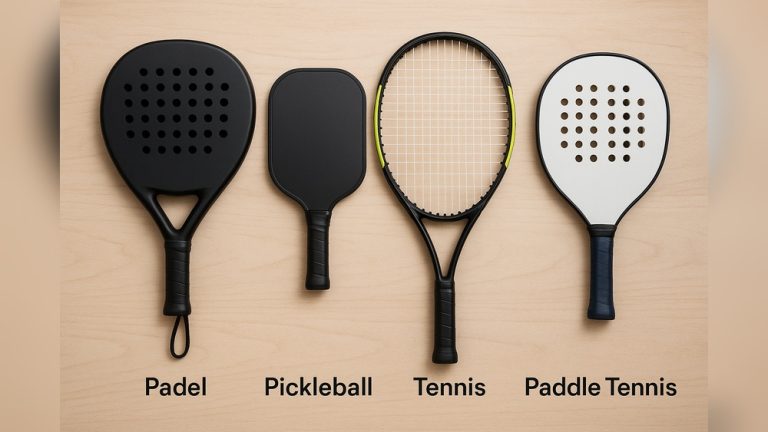
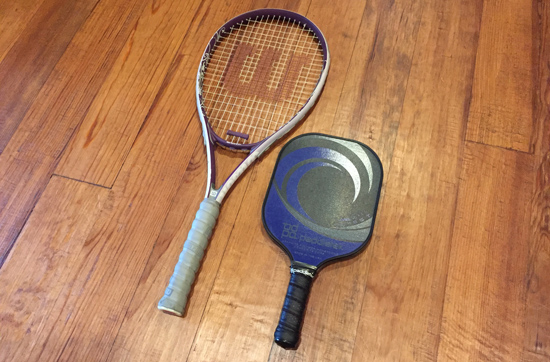
A racket is a sports tool with a long handle and a rounded frame. The frame holds a “string bed,” usually made from tightly woven synthetic or natural strings. Rackets are used to hit balls or shuttlecocks in games like tennis, badminton, squash, and racquetball.
Key Features Of Rackets
- String Bed: The most unique feature is the mesh of strings stretched across the frame. This string bed creates a “trampoline effect,” giving extra power and control.
- Frame: Racket frames are made from lightweight materials like carbon fiber, graphite, or aluminum. They must be strong but easy to swing.
- Grip: The handle is wrapped with a grip for comfort and control.
- Weight: Most rackets weigh between 200–350 grams, depending on the sport.
How Rackets Work
When you hit with a racket, the string bed compresses and springs back. This adds speed and spin to your shot. Skilled players use the strings to control ball direction and make tricky shots. The design lets you swing fast and create lots of power, especially in tennis or squash.
Sports Using Rackets
- Tennis: Played with a felt-covered rubber ball; rackets allow powerful serves and spins.
- Badminton: Uses a feathered shuttlecock; rackets are light and long for quick movements.
- Squash: Played in a closed court; rackets are shorter for fast reactions.
- Racquetball: Uses a hollow rubber ball and short rackets.
What Is A Paddle?
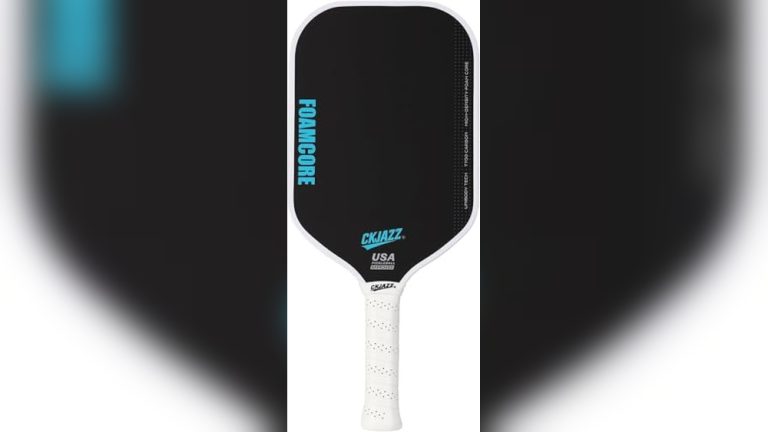
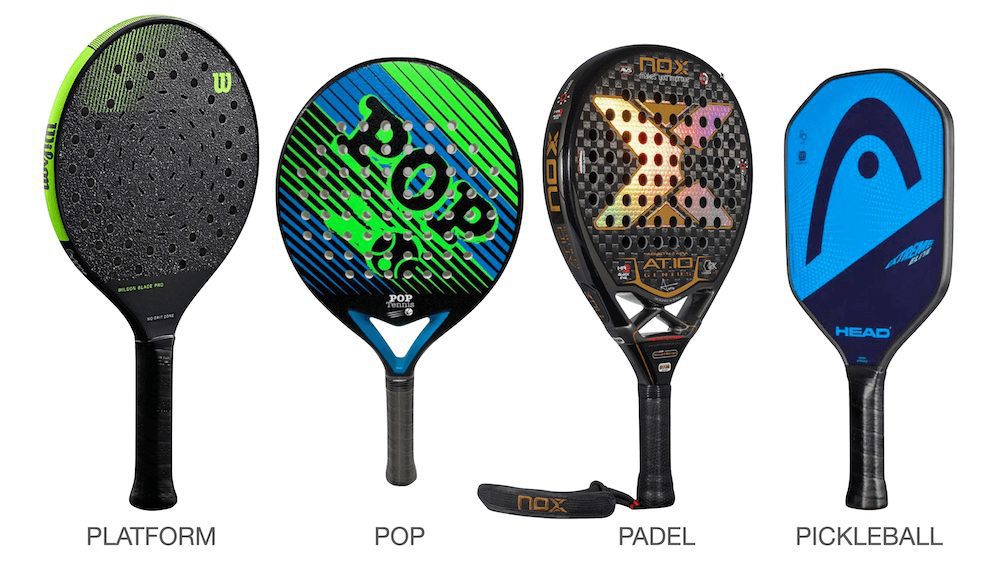
A paddle is a solid tool, often made from wood, composite, or plastic. It has a flat surface with no strings. The face may be smooth or textured, but it’s always hard. Paddles are used in sports like table tennis, pickleball, and paddle tennis.
Key Features Of Paddles
- Solid Face: The paddle’s surface is flat and firm—no string bed.
- Materials: Common materials include wood, graphite, fiberglass, or polymers.
- Shape: Paddles can be round, oval, or rectangular.
- Weight: Usually between 70–300 grams, often lighter than rackets.
How Paddles Work
Paddles hit the ball directly, with no “trampoline” effect. Shots rely on timing and touch, not string tension. Players need good wrist control and fast reactions. The paddle’s solid face gives less spin but more precision for close shots.
Sports Using Paddles
- Table Tennis (Ping Pong): Played on a table with a small ball; paddles allow quick, close-range play.
- Pickleball: Combines elements of tennis and badminton; paddles are larger and thicker.
- Paddle Tennis: Similar to regular tennis but played on a smaller court with paddles.
Major Differences: Racket Vs Paddle
Understanding the racket vs paddle difference is key for choosing your sport or equipment. Here are the main contrasts:
Design And Construction
- Rackets: Have a string bed stretched across a frame. Materials are often high-tech for lightness and strength.
- Paddles: Made of a solid piece, sometimes layered with different materials for strength.
| Feature | Racket | Paddle |
|---|---|---|
| Face | String bed | Solid |
| Material | Graphite, carbon fiber | Wood, composite |
| Weight | 200–350g | 70–300g |
| Grip | Wrapped handle | Plain or wrapped |
How They Affect Play
- Rackets: Allow more power and spin. Good for fast, long-distance shots.
- Paddles: Offer more control for short-range play. Spin is possible but less than rackets.
Skill Requirements
- Rackets: Need strong arms, fast swings, and good timing.
- Paddles: Demand wrist control, quick reflexes, and precision.
Maintenance
- Rackets: Strings wear out and need replacing. Frames can break.
- Paddles: Durable, but surfaces can chip or wear.
Cost
- Rackets: Prices range from $20 (basic) to $300+ (professional).
- Paddles: Lower entry cost—$10 to $150. High-end paddles exist but are generally cheaper than rackets.
Sports Comparison: Racket Vs Paddle
Let’s see how rackets and paddles shape their sports. The equipment isn’t just a tool—it defines the game.
Tennis Vs Pickleball
Tennis uses rackets, and games are played on large courts. Players run long distances, hit balls at high speed, and use spin for strategy. Pickleball uses paddles on smaller courts. The game is slower, with more focus on placement and reaction.
| Aspect | Tennis (Racket) | Pickleball (Paddle) |
|---|---|---|
| Court Size | 78 x 27 ft | 44 x 20 ft |
| Ball Speed | Up to 140 mph | Up to 40 mph |
| Shot Type | Power, spin | Control, placement |
| Player Movement | Wide range | Short range |
Badminton Vs Table Tennis
Badminton rackets are extremely light and long. Players need quick footwork, as the shuttlecock moves fast. Table tennis uses small paddles. The game is about speed and reaction, with shots often lasting only a few seconds.
| Aspect | Badminton (Racket) | Table Tennis (Paddle) |
|---|---|---|
| Equipment Weight | 80–100g | 70–90g |
| Playing Area | Full court | Table |
| Shot Speed | Up to 200 mph | Up to 60 mph |
| Spin Ability | High | Moderate |
Squash Vs Paddle Sports
Squash rackets are short and strong for quick reactions. Paddle sports (like paddle tennis) use solid paddles, requiring more wrist action and less arm swing.
Choosing Between Racket And Paddle Sports
If you’re deciding what sport to play, knowing the racket vs paddle difference can help. Here’s what to consider:
Physical Requirements
- Racket sports often need good stamina and strength. You’ll run more and hit harder.
- Paddle sports are easier on the body. Games like pickleball are popular with older players or beginners.
Skill And Learning Curve
- Racket sports can be tough for new players. Controlling the ball with strings takes practice.
- Paddle sports are more forgiving. The solid face makes learning easier, especially for kids.
Cost And Accessibility
- Racket sports may need expensive gear and big courts.
- Paddle sports need less space and cheaper equipment.
Social And Competitive Scenes
- Racket sports have long histories, big tournaments, and global followings.
- Paddle sports are growing fast, especially pickleball. They’re easy to start and popular in community centers.
Racket And Paddle Technology
Modern technology has changed both rackets and paddles. Let’s look at how:
Racket Innovations
- Material: High-end rackets use carbon fiber, making them lighter and stronger.
- String Technology: Strings now control spin, power, and durability.
- Grip Design: Anti-slip grips help players hold rackets even when sweating.
Paddle Innovations
- Surface Materials: Graphite and fiberglass paddles offer better feel and control.
- Core Structure: Honeycomb cores make paddles lighter but strong.
- Edge Guard: Protects the paddle from chips and cracks.
Impact On Performance
A beginner with the right racket or paddle will notice immediate improvement. For example, a graphite paddle in pickleball can make shots easier for people with wrist problems. In tennis, modern rackets allow players to serve harder and with more spin.
Buying Guide: Racket Vs Paddle
Choosing the right gear is critical. Here’s what matters:
What To Look For In A Racket
- Weight: Lighter rackets are easier to swing. Heavier rackets offer more power.
- Head Size: Bigger heads give a larger sweet spot.
- String Tension: Looser strings mean more power; tighter strings mean more control.
- Grip Size: Choose a grip that fits your hand.
What To Look For In A Paddle
- Weight: Lighter paddles are faster, but heavier ones give more power.
- Face Texture: Rough faces add spin; smooth faces are best for beginners.
- Core Material: Polymer cores are soft and quiet. Aluminum cores are hard and loud.
- Edge Guard: Helps the paddle last longer.
Common Buying Mistakes
- Ignoring weight: Many buyers pick heavy gear, thinking it will make them stronger. This often leads to injury.
- Wrong grip size: Too small or big grips reduce control.
- Buying cheap: Cheap rackets or paddles break easily and hurt performance.
- Not testing: Always try before buying, if possible.
Racket Vs Paddle: Impact On Game Strategy
The equipment you use changes your game plan. Here’s how:
Racket-based Strategy
- Power Play: Players use strong swings to force errors.
- Spin Shots: Rackets allow tricky spins that confuse opponents.
- Long Rally: Racket sports often have longer rallies.
Paddle-based Strategy
- Placement: Focus on placing shots where the opponent can’t reach.
- Quick Exchanges: Paddle sports have short, fast rallies.
- Net Play: Many paddle sports reward close-net action.
Examples
- Tennis: Players use spin and power to control rallies.
- Pickleball: Players aim for soft shots and quick net play.
Racket Vs Paddle: Injury Risks
Every sport has injury risks, but equipment matters.
Racket Sports Injuries
- Tennis elbow: Caused by repeated swinging.
- Shoulder strain: From heavy rackets or poor technique.
- Wrist injuries: From high impact or spin shots.
Paddle Sports Injuries
- Wrist pain: Less common but possible from fast exchanges.
- Shoulder soreness: Often from improper paddle grip.
- Blisters: From poor paddle handle design.
Non-obvious insight: Many players think lighter gear is always safer. However, too light can make you swing harder, increasing risk. Choose balanced equipment.
Racket Vs Paddle: Popularity And Trends
Both racket and paddle sports are popular worldwide, but the trends are changing.
Racket Sports
- Tennis: Over 60 million players worldwide.
- Badminton: Most played sport in Asia; over 220 million players.
- Squash: Popular in Europe and North America.
Paddle Sports
- Pickleball: Fastest growing sport in the US, with over 4.8 million players as of 2022.
- Table Tennis: Over 300 million players globally.
- Paddle Tennis: Gaining ground in South America and Spain.
Non-obvious insight: Paddle sports are growing because they’re easy to learn, require less space, and appeal to all ages.
Racket Vs Paddle: Environmental Impact
Equipment manufacturing affects the environment.
Racket Manufacturing
- Materials: Uses carbon fiber, plastics, and metals.
- Waste: Broken rackets are hard to recycle.
- Strings: Natural gut strings use animal products; synthetic strings use oil-based materials.
Paddle Manufacturing
- Materials: Wood and composites are more sustainable.
- Durability: Paddles last longer, reducing waste.
- Recycling: Easier to recycle than rackets.
Example: Some companies now make eco-friendly rackets and paddles, using recycled materials.
Racket Vs Paddle: Youth And Accessibility
Younger players and beginners often start with paddle sports.
Youth Sports
- Paddle sports: Table tennis and pickleball are easy for kids. Smaller equipment, simple rules, and quick games.
- Racket sports: Tennis and badminton require more strength and training.
Accessibility
- Paddle sports: More accessible for people with disabilities. Paddles are easier to hold, and courts are smaller.
- Racket sports: More physical, harder for some people.
Racket Vs Paddle: Cultural And Social Impact
The choice of equipment also shapes the culture of each sport.
Racket Sports
- Prestige: Tennis is seen as elite in many countries. Big tournaments like Wimbledon add to its status.
- Community: Clubs, leagues, and coaching are common.
Paddle Sports
- Inclusiveness: Pickleball and table tennis bring people together. Community centers and schools often have paddle sports.
- Growing popularity: Paddle sports are breaking barriers and attracting new players from all backgrounds.
Racket Vs Paddle: Professional Scene
Both types of sports have professional athletes, but the opportunities differ.
Professional Racket Sports
- Tennis: Top players earn millions. Big tournaments have global TV audiences.
- Badminton: Growing prize money and sponsorships.
Professional Paddle Sports
- Table Tennis: Olympic sport, with strong followings in China and Europe.
- Pickleball: Pro leagues are emerging, but earnings are smaller than tennis.
Example: The Association of Pickleball Professionals (APP) now hosts big tournaments, showing paddle sports are becoming more professional.
Racket Vs Paddle: Equipment Care And Longevity
How you care for your gear matters.
Racket Care
- Strings: Replace every 20–40 hours of play.
- Frame: Keep dry; avoid impacts.
- Grip: Change every few months.
Paddle Care
- Surface: Clean with a damp cloth.
- Edge Guard: Inspect for damage.
- Handle: Replace grip tape when worn.
Tip: Storing gear in a cool, dry place extends its life.
Racket Vs Paddle: Training And Coaching
Learning with the right coach can speed up your progress.
Racket Training
- Focus: Technique, swing mechanics, footwork.
- Tools: Ball machines, hitting walls, video analysis.
Paddle Training
- Focus: Hand-eye coordination, wrist movement, placement.
- Tools: Simple drills, quick games, partner practice.
Non-obvious insight: Paddle sports often use multi-ball drills, making training faster and more varied.
Credit: pickleballkitchen.com
Racket Vs Paddle: Rules And Regulations
Each sport has strict equipment rules.
Racket Rules
- Tennis: Maximum length is 29 inches. Strings must be uniform.
- Badminton: Racket weight and size are regulated.
- Squash: Racket must not exceed 27 inches.
Paddle Rules
- Table Tennis: Paddles can be any size, but must be flat.
- Pickleball: Paddle length must not exceed 17 inches.
- Paddle Tennis: Paddle must be solid, no holes.
Example: Players sometimes modify gear, but official matches require legal equipment.
Racket Vs Paddle: Adaptations For Special Needs
Sports organizations now adapt equipment for people with disabilities.
Racket Adaptations
- Wheelchair Tennis: Special rackets with larger grips.
- Blind Tennis: Tactile strings for feedback.
Paddle Adaptations
- Table Tennis: Paddles with extra grip for wheelchair users.
- Pickleball: Lightweight paddles for easy handling.
Non-obvious insight: Paddle sports are easier to adapt, making them more inclusive.
Racket Vs Paddle: Environmental Conditions
The weather and playing area affect your choice.
Racket Sports
- Outdoor tennis: Wind and rain change ball behavior.
- Indoor squash: Controlled environment.
Paddle Sports
- Table tennis: Always indoors.
- Pickleball: Played both indoors and outdoors, but wind affects play.
Tip: Choose equipment designed for your local weather.
Racket Vs Paddle: Customization Options
Players like to personalize their gear.
Racket Customization
- Strings: Choose different materials for power or control.
- Weight: Add tape for balance.
- Grip: Change color or thickness.
Paddle Customization
- Face: Choose smooth or rough.
- Weight: Add edge tape.
- Handle: Swap grip for comfort.
Example: Pro players often use customized rackets or paddles to match their playing style.
Credit: www.minterdial.com
Racket Vs Paddle: Sustainability Trends
Eco-friendly equipment is growing.
Racket Trends
- Recycled materials: Some rackets use recycled carbon fiber.
- Biodegradable grips: Reduce waste.
Paddle Trends
- Wood paddles: More sustainable.
- Recycled composites: Lower environmental impact.
Wikipedia: Sports Equipment has more on sustainable materials.
Frequently Asked Questions
What Is The Main Difference Between A Racket And A Paddle?
The main difference is the face surface. Rackets have a string bed stretched across a frame, while paddles have a solid, flat surface. This affects how the ball or shuttlecock is hit, the type of spin and power, and the playing style.
Which Is Easier For Beginners: Racket Or Paddle Sports?
Paddle sports are usually easier for beginners. The solid face makes hitting more consistent, and the games are often slower and less physically demanding. Pickleball and table tennis are good starting points.
Can You Use A Paddle In Racket Sports Or Vice Versa?
No, each sport has strict rules about equipment. For example, tennis must use rackets, and table tennis must use paddles. Using the wrong equipment breaks the rules and changes how the game is played.
What Are The Health Benefits Of Racket And Paddle Sports?
Both types improve cardiovascular health, coordination, and reflexes. Racket sports often offer more intense exercise, while paddle sports are easier on joints and can be played by all ages.
How Do I Choose Between Racket And Paddle Sports?
Consider your age, fitness level, skill, and budget. If you want fast-paced, powerful games, try racket sports. If you prefer social play, quick learning, and accessibility, paddle sports may be better.

Credit: padelsouq.com
Final Thoughts
The difference between racket vs paddle goes deeper than equipment. Rackets offer power, spin, and speed, while paddles bring control, precision, and accessibility. Understanding these differences helps you choose the right sport, buy the best gear, and enjoy your game. Whether you’re aiming for professional play or just fun with friends, knowing how rackets and paddles shape each sport will give you a real edge. Try both, learn what suits you best, and remember: the right equipment can turn a good game into a great one.