Baseball Cards Value: Unlock Hidden Treasures Today

Have you ever wondered how much your baseball cards are really worth? Whether you’re a seasoned collector or just starting out, knowing the true value of your cards can unlock hidden treasures right in your hands.
Imagine discovering a card that could change your collection – or even your life. You’ll learn simple ways to find out the real value of your baseball cards and how to make smart decisions that protect and grow your collection.
Keep reading, because what you find might surprise you.
Credit: www.ebay.com
History Of Baseball Cards
Baseball cards have a rich history that spans more than a century. These small pieces of cardboard tell stories of players and the sport’s evolution. Collectors value them not just for their images, but for the memories and history they carry.
The journey of baseball cards began with simple prints and grew into a massive hobby. Each era brought new styles and trends. Understanding their history helps explain why some cards become valuable.
Early Beginnings
The first baseball cards appeared in the late 1800s. Companies printed them as tobacco package inserts. These early cards showed players in black and white or basic color. They were rare and often damaged, making surviving cards precious today.
Golden Age Collectibles
The 1930s to 1950s marked the golden age of baseball cards. Cards became more colorful and detailed. Top players like Babe Ruth and Jackie Robinson appeared on cards. Sets grew larger, and mass production made cards popular with kids and collectors.
Modern Era Trends
Since the 1980s, baseball cards changed with technology. Photos became sharper and designs more creative. Limited editions and autographed cards attracted serious collectors. Digital cards also started to emerge, blending tradition with new trends.
Factors Affecting Card Value
Several factors influence the value of baseball cards. Knowing these helps collectors make smart choices. Each element plays a key role in determining a card’s worth.
Understanding these factors helps both new and experienced collectors. It guides decisions about buying, selling, or trading cards.
Player Popularity
Cards of popular players often have higher value. Fans and collectors want cards of famous athletes. A player’s career achievements boost their card’s demand. Rising stars can see their card values grow fast. Declining players might see less interest in their cards.
Card Condition
The condition of a card is crucial. Cards in mint or near-mint condition fetch higher prices. Damaged or worn cards usually lose value. Grading services help determine card condition objectively. Clean edges, no creases, and sharp corners matter most.
Rarity And Print Runs
Rare cards are more valuable than common ones. Limited print runs create scarcity and increase worth. Cards from special editions or short runs attract collectors. Mass-produced cards tend to have lower value. Unique or hard-to-find cards generate more interest.
Autographs And Special Features
Autographed cards often gain extra value. Genuine signatures add uniqueness and appeal. Cards with special features like patches or relics stand out. Serial-numbered cards show limited availability. These elements make a card more collectible.
Identifying Valuable Cards
Identifying valuable baseball cards is key to building a strong collection. Some cards are worth much more than others. Knowing what to look for helps collectors find these gems. Value depends on factors like rarity, condition, and demand.
Understanding these factors makes it easier to spot valuable cards. This section explains key cards to watch, grading systems, and how to check authenticity.
Key Cards To Watch
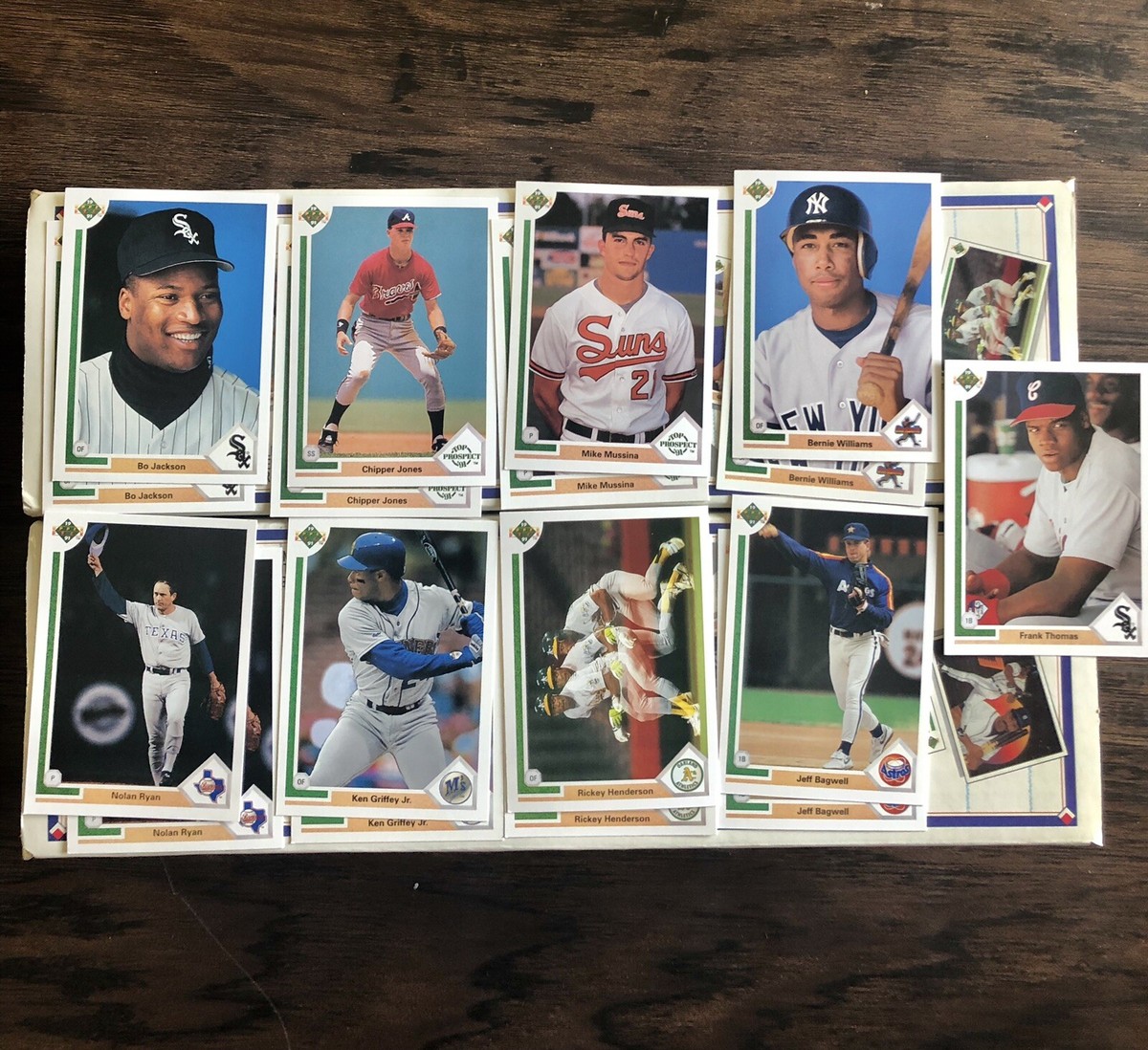
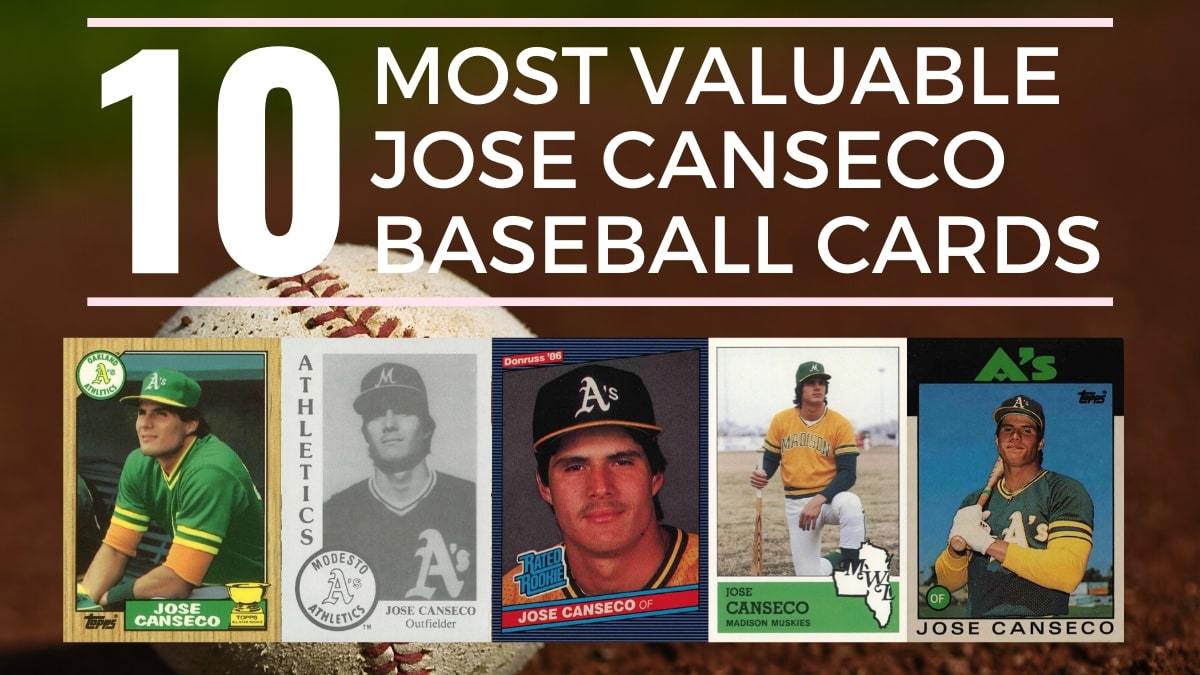
Cards of famous players often hold high value. Rookie cards are especially prized by collectors. Cards from limited print runs or special editions can also be valuable. Older cards usually have more worth due to their rarity. Keep an eye on players who have set records or are Hall of Famers.
Grading Systems Explained
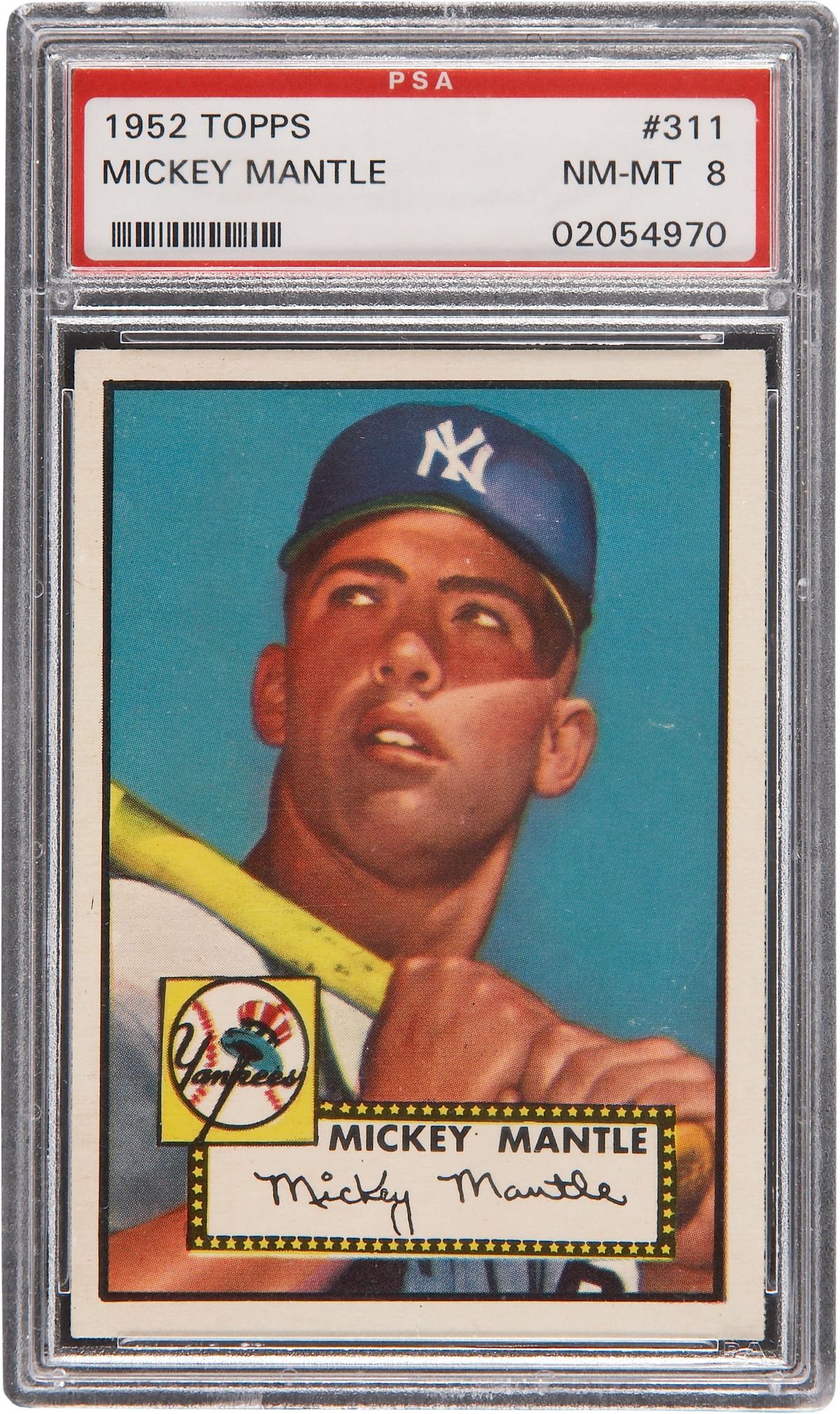
Grading measures a card’s condition and affects its value. Grades range from poor to gem mint. Key factors include corners, edges, surface, and centering. Professional grading companies assign grades to add trust. A high-grade card sells for much more than a low-grade one.
Authenticity Checks
Fake cards exist, so verify authenticity before buying. Look for clear printing and correct logos. Check for signs of tampering or alterations. Professional authentication services can confirm if a card is real. Always buy from trusted sellers or dealers to reduce risks.
Credit: www.visualsp.com
Marketplaces For Buying And Selling
Baseball cards have a lively market where buyers and sellers meet. Knowing where to trade cards helps collectors get the best value. Various places offer chances to buy rare cards or sell duplicates. Each marketplace has its own style and benefits.
Online Platforms
Online platforms are popular for buying and selling baseball cards. Websites like eBay allow easy access to many cards worldwide. Buyers can compare prices and see card conditions before buying. Sellers reach a large audience fast and manage listings anytime. Online forums and marketplaces create a simple, flexible trade environment.
Card Shows And Auctions
Card shows bring collectors and dealers together in one place. These events offer a chance to see cards in person before buying. Auctions at shows create excitement and can boost card prices. Collectors enjoy meeting others who share their hobby. Shows and auctions allow quick deals and face-to-face negotiation.
Local Shops And Collectors
Local shops provide a trusted space to trade cards safely. Shop owners often have expert knowledge and can give fair prices. Nearby collectors form a community, sharing tips and trading cards. Trading locally avoids shipping costs and delays. Local spots often host events to help collectors connect.
Tips To Preserve Card Value
Preserving the value of baseball cards takes care and attention. Small actions make a big difference. Protecting your cards keeps them looking new and valuable over time. Follow simple steps to ensure your collection stays in top shape.
Proper Storage Techniques
Store cards in a cool, dry place. Avoid sunlight to prevent fading. Use protective sleeves or top loaders to shield cards from dust and damage. Keep cards upright to avoid bending or warping. Use boxes designed for card storage to stay organized.
Handling And Cleaning
Handle cards with clean, dry hands. Hold cards by the edges to avoid fingerprints. Avoid touching the front or back surfaces. Use a soft brush or cloth to remove dust gently. Never use water or cleaning liquids that can damage cards.
When To Sell Or Hold
Watch market trends to decide when to sell. Hold cards if their value is rising steadily. Sell if the market shows a peak or demand drops. Keep rare or personal favorite cards longer. Timing can affect the price you get.
Credit: www.spokesman.com
Spotting Trends And Future Opportunities
Spotting trends and future opportunities helps collectors find valuable baseball cards. Understanding what drives value can guide smart collecting and investing. Trends shift with player performance, market demand, and card rarity. Staying aware of these changes keeps your collection strong and profitable.
Emerging Players
New players can change the value of cards quickly. Rookie cards of promising athletes often gain worth fast. Watch for players showing talent and strong stats early. Cards of future stars become prized by collectors and fans.
Limited Edition Releases
Cards with limited prints attract more attention and value. Special releases from popular brands or events sell well. Scarcity makes these cards rare and sought after. Collectors value uniqueness and exclusivity in their collections.
Investment Potential
Some cards grow in value over time. Cards of players with strong careers can be good investments. Condition and authenticity also affect a card’s worth. Smart buying includes research on player and market trends.
Frequently Asked Questions
What Factors Determine Baseball Cards Value?
Baseball cards value depends on rarity, condition, player popularity, and demand. Limited editions and rookie cards usually fetch higher prices. Grading by professional services also impacts value significantly.
How To Check The Value Of Baseball Cards?
Use online price guides, auction results, and grading services to check value. Compare similar cards in condition and edition. Consulting collectors or experts can provide accurate insights.
Why Do Some Baseball Cards Gain Value Over Time?
Cards gain value due to player achievements, scarcity, and market trends. Vintage cards and those linked to Hall of Famers typically increase in worth. Condition preservation is crucial for value growth.
Can Damaged Baseball Cards Still Be Valuable?
Damaged cards generally have reduced value, but rarity and demand may keep some worth. Minor wear is acceptable if the card is rare. Professional grading reveals the true impact of damage.
Conclusion
Baseball cards can hold surprising value over time. Condition, rarity, and player popularity affect their worth. Collectors often seek specific cards to complete sets. Checking prices regularly helps you stay informed. Remember, patience and care can increase card value. Enjoy collecting as a fun and rewarding hobby.
Keep learning about the market to make smart choices. Your baseball cards might be more valuable than you think.