What is a Walk (Bb) in Baseball: Essential Guide 2026

Have you ever wondered what it means when the announcer says a player got a “walk” in baseball? If you’re new to the game or just curious, understanding a walk can change how you see every pitch and every at-bat.
A walk might seem simple, but it’s actually a powerful part of baseball that can shift the momentum of the game. You’ll discover exactly what a walk (Bb) is, why it matters, and how it can impact your favorite team’s chances of winning.
Keep reading, and you’ll never miss the importance of a walk again.

Credit: msmcknights.com
Walk (bb) Basics
The term “Walk (Bb)” is common in baseball. It is a simple but important part of the sport. Understanding the basics helps fans follow the game better. This section explains what a walk is and how it happens on the field.
Definition And Purpose
A walk, also called a base on balls, occurs when the batter gets four balls. Balls are pitches outside the strike zone that the batter does not swing at. After four balls, the batter goes to first base without hitting the ball.
The purpose of a walk is to reward the batter for patience. It also helps the team by putting a runner on base. This can lead to scoring runs later in the inning.
How A Walk Happens
The pitcher throws pitches to the batter. Each pitch is judged by the umpire as a ball or strike. If the pitcher throws four balls, the batter is allowed to walk.
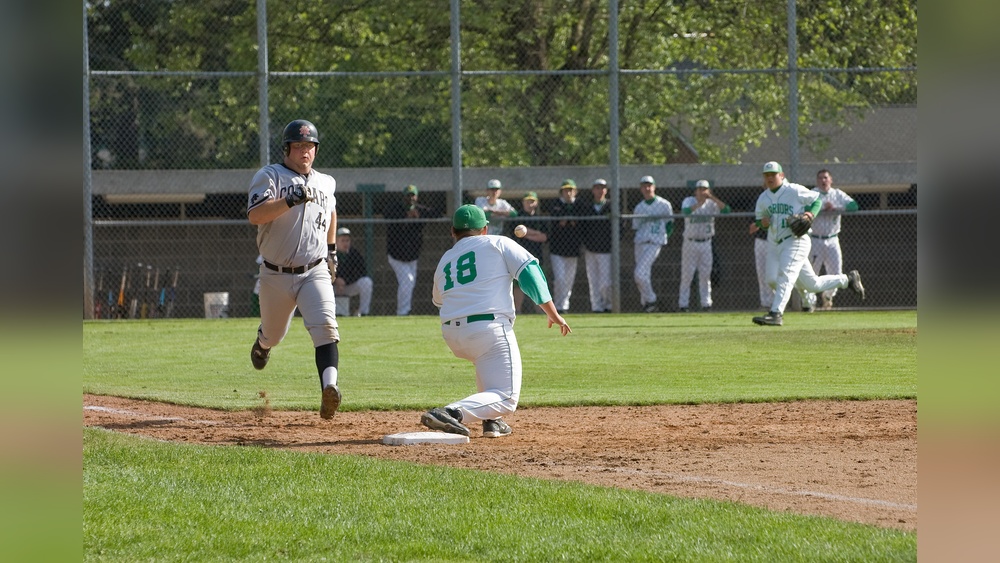
The batter must run to first base safely. No one can get the batter out during this move. The walk gives the batting team an advantage by adding a runner on base.
Rules Governing Walks
The rules governing walks in baseball set clear guidelines for when a batter can advance to first base without hitting the ball. Understanding these rules helps fans follow the flow of the game better. Walks happen under specific conditions related to the pitcher’s throws and the umpire’s calls.
Ball And Strike Count
A walk occurs when a batter receives four balls during their turn at bat. Balls are pitches outside the strike zone that the batter does not swing at. The strike zone is the area over home plate between the batter’s knees and chest. After four balls, the umpire signals a walk, and the batter moves to first base. Strikes, on the other hand, are pitches inside the strike zone or swings missed by the batter. The count of balls and strikes is key to deciding if a walk happens.
Intentional Walks
Teams sometimes choose to give a batter a walk on purpose. This is called an intentional walk. The pitcher does not throw pitches into the strike zone. Instead, the batter automatically advances to first base. Managers use this strategy to avoid pitching to a strong hitter. Intentional walks speed up the game and reduce risk for the defending team.
Impact Of Balks And Interference
Balks and interference can affect walks in baseball. A balk is an illegal move by the pitcher that lets runners advance. If a balk happens with a walk in progress, runners may move up bases. Interference occurs when a player or coach disrupts the play. This can change the outcome of a walk or force extra penalties. Both balks and interference change how walks impact the game’s flow.
Walks In Game Strategy
Walks play a key role in baseball strategy. They can change how a team attacks or defends. Understanding walks helps you see the deeper tactics in the game. These free advances to first base can affect the flow and outcome of an inning.
Offensive Advantages
A walk gives the batter a free pass to first base. It helps build pressure on the opposing pitcher. More runners on base mean more chances to score. Walks can wear down pitchers and force mistakes. They also create scoring opportunities without risking an out.
Pitching Challenges
Pitchers must control their pitches to avoid walks. Too many walks show poor control and hurt the team. Walks can increase the pitch count quickly. This forces the manager to consider a pitching change. Walks disrupt the pitcher’s rhythm and confidence.
Situational Walks
Sometimes teams use walks intentionally. This can set up a double play or face a weaker hitter. Walks can move runners into scoring position. Coaches may decide to walk a batter to avoid a big hit. These choices show careful thinking and game awareness.
Statistical Impact Of Walks
Walks, also known as bases on balls (Bb), have a clear statistical impact on baseball. They influence how players perform and how teams score runs. Walks show patience and skill at the plate. They affect many numbers that coaches and analysts watch closely.
On Player Performance
Walks help a player reach base without hitting the ball. This adds value to their overall performance. Players who walk often show good judgment and discipline. It raises their chances to score runs. Walks also reduce the pressure to hit safely every time.
Team Metrics
Teams with high walk rates tend to have better offensive stats. Walks increase the number of runners on base. This creates more scoring chances. It also forces pitchers to throw more pitches. Teams that draw walks can tire out the opposing pitcher faster.
Walks And On-base Percentage
Walks directly improve a player’s on-base percentage (OBP). OBP measures how often a player gets on base. A higher OBP means more opportunities to score. Walks add to OBP even without hits. This makes walks a valuable part of batting stats.
Famous Walk Moments
Walks in baseball may seem simple, but some have left lasting memories. These moments show how a walk can change the course of a game or create tension. Famous walks have shaped baseball history and given fans unforgettable scenes.
Walks That Changed Games
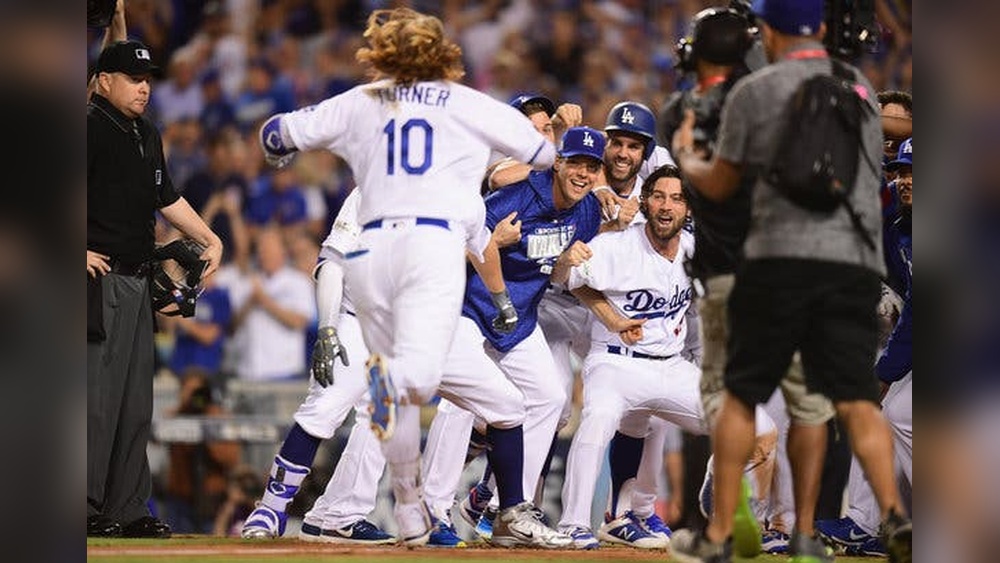
Some walks have decided important games. A walk can bring in the winning run without a hit. It can also extend an inning, allowing a team to score more. These moments prove that patience at the plate pays off.
For example, a walk in the last inning often forces the pitcher to focus more. This pressure sometimes leads to mistakes. Walks like these have helped teams win championships and break long losing streaks.
Memorable Intentional Walks
Intentional walks are strategic moves. Pitchers give the batter first base on purpose. This can set up a double play or pitch to a weaker hitter. Some intentional walks have created dramatic moments in baseball history.
One famous intentional walk led to a surprise hit that won the game. Another set the stage for a big play in the final inning. These walks show how strategy and patience mix in baseball’s thrill.

Credit: nefrologiadelbritanico.com.ar

Credit: www.amazon.com
Frequently Asked Questions
What Is A Walk (bb) In Baseball?
A walk, or base on balls (BB), happens when a batter receives four balls. The batter then advances to first base without hitting the ball.
How Does A Walk Affect The Game?
A walk allows the batter to reach first base safely. It increases the team’s chance to score runs without a hit.
Can A Walk Lead To Scoring Runs?
Yes, walks can load bases and create scoring opportunities. They often help teams advance runners and score without a hit.
Is A Walk Counted As An At-bat?
No, a walk does not count as an official at-bat. It is recorded separately and does not affect batting average.
Conclusion
A walk (BB) lets a batter reach first base without hitting the ball. It happens after four balls are pitched outside the strike zone. Walks help teams by putting runners on base. They can change the flow of the game quietly.
Knowing what a walk means makes baseball easier to enjoy. It shows how every pitch counts. Understanding walks adds fun to watching or playing baseball. Simple, yet important.