
Understanding Saves In Baseball: Master the Art of 2026

Have you ever wondered what a “save” means in baseball and why it matters so much? If you watch games but feel confused when announcers talk about saves, you’re not alone.
Understanding saves can change how you see the game and make every close finish more exciting. You’ll discover exactly what a save is, how it’s earned, and why it’s one of the most important stats for pitchers. By the end, you’ll catch every save situation like a pro and enjoy baseball on a whole new level.
Ready to become a save expert? Let’s dive in!
What Is A Save In Baseball
A save in baseball is a special statistic credited to a relief pitcher. It shows the pitcher helped his team keep a lead and win the game. Saves are important because they highlight a player’s ability to perform under pressure. They measure success in the final moments of a close game.
Saves often come in tight situations. The pitcher must protect a small lead and finish the game. This task requires skill and focus. Understanding what counts as a save helps fans appreciate the role of relief pitchers.
Basic Criteria For A Save
A pitcher earns a save if he finishes the game for the winning team. He cannot be the winning pitcher himself. The lead must be three runs or less when he enters. Or, he must pitch at least three innings to close out the game. The save shows the pitcher maintained the lead without losing it.
Role Of The Closer
The closer is the pitcher who often earns saves. He usually pitches the last inning. The closer’s job is to stop the other team from scoring. This role is high-pressure and requires strong pitching skills. Closers are trusted to secure the win in close games.
Difference Between Saves And Holds
A save is different from a hold. A hold happens when a relief pitcher keeps the lead but does not finish the game. Holds show a pitcher helped keep the lead before the closer entered. Saves show the closer finished the game and won it.

Credit: newsroom.tricare.mil
History Of The Save Statistic
The save statistic in baseball tracks how pitchers finish games successfully. It helps show the value of relief pitchers, especially those who enter late in close games. Understanding the history of the save gives insight into how this stat shaped baseball strategy and player roles.
Origins And Evolution
The save was not always an official baseball stat. It was first created in the 1950s by sportswriter Jerome Holtzman. He wanted to honor relief pitchers who helped their team win. Major League Baseball officially adopted the save in 1969. Since then, the rules for awarding saves have changed. These changes aimed to make the statistic fairer and more accurate. The save quickly became a key part of how fans and teams judge pitchers.
Impact On Pitching Roles
The save statistic changed how teams use their pitchers. It gave rise to the “closer,” a pitcher who specializes in saving games. Closers usually pitch in the last inning of a tight game. This role is now very important in baseball strategy. Managers plan their pitching staff around who can earn saves. The save also increased the value of relief pitchers in contracts and trades.
Notable Record Holders
Several pitchers stand out for their save records. Mariano Rivera holds the all-time save record with 652 saves. Trevor Hoffman is second with 601 saves. These pitchers set high standards for closers. Their success shows how critical the save statistic is to understanding pitching excellence. Fans often remember these record holders as legends of the closer role.
How Saves Influence Game Strategy
The concept of a save in baseball shapes many parts of the game. A save often decides how teams plan their moves in the last innings. Understanding saves helps explain why managers make certain choices. It also shows how players are used to protect a lead.
Late-inning Pressure Situations
Saves happen in tough moments near the game’s end. The pitcher must stop the other team from scoring. This is a high-pressure time for pitchers and players. Success here can change the game’s outcome. Teams prepare their best pitchers for these critical innings.
Managerial Decisions
Managers must decide who pitches and when. They often save their top pitchers for save chances. These decisions balance the need to win and keep pitchers healthy. Managers watch the score, inning, and opponent’s hitters closely. These choices affect the whole team’s strategy.
Bullpen Management
The bullpen is a group of relief pitchers ready to play. Managing the bullpen means choosing who pitches in which innings. Saves influence how long a closer pitches. Good bullpen use helps keep leads safe. Teams practice different plans to handle save situations well.

Credit: www.bostonglobe.com
Key Skills Of A Successful Closer
Closers play a crucial role in baseball. They finish games and protect narrow leads. Their skills are unique and vital. These players must perform under pressure and stay calm. Success depends on a mix of mental and physical abilities. Understanding these skills helps fans appreciate the art of closing.
Mental Toughness
Closers face intense pressure in the final innings. They need strong focus and confidence. Doubt or fear can ruin their performance. Staying calm helps them execute pitches well. Mental toughness lets them bounce back from mistakes fast. It also helps them handle tough situations with poise.
Pitch Selection And Velocity
Choosing the right pitch is key for closers. They often use fastballs, sliders, or curveballs. Velocity helps overpower hitters and gain an edge. Mixing pitch types keeps batters guessing and off balance. Good closers know their best pitches and use them wisely. This skill requires practice and sharp judgment.
Handling High-leverage Moments
High-leverage moments mean tight scores and big stakes. Closers must stay focused and avoid mistakes. Each pitch can change the game’s outcome. They need quick decision-making and steady nerves. Handling these moments well defines a closer’s success. It takes experience and strong mental control.
Common Misconceptions About Saves
Saves in baseball often confuse fans. Many think saves show how good a pitcher is. The truth is more complex. Saves have rules and limits that many miss. Understanding common misconceptions helps appreciate the stat better.
Save Opportunities Vs. Saves Earned
Not every chance to save ends in a save. A pitcher may face a save opportunity but fail. Save opportunities happen when a team leads by three runs or less. Saves earned count only if the pitcher finishes the game successfully. Fans often confuse these two numbers. Save opportunities show chances; saves earned show success.
Closers Vs. Other Relief Pitchers
Closers usually get saves, but not all relief pitchers do. Middle relievers and setup men often pitch important innings too. They help keep the lead but rarely get credit with saves. The save stat mainly rewards closers who pitch the last inning. Other pitchers contribute but get less recognition.
Save Statistic Limitations
The save stat has limits. It does not measure how well a pitcher performs. A pitcher might save a game with weak opponents or easy outs. Sometimes closers enter with a large lead and still get a save. The stat can give a false sense of a pitcher’s skill. Looking only at saves can be misleading.
Tips For Aspiring Closers
Becoming a closer in baseball takes hard work and focus. A closer finishes the game and keeps the lead safe. This role needs special skills and a strong mindset. Here are some tips to help young pitchers develop into reliable closers.
Training Techniques
Practice is key for any closer. Work on pitching fastballs and breaking balls. Train your arm to throw with control and speed. Use drills to improve your reaction time and accuracy. Conditioning your body helps avoid injuries and stay strong.
Developing Consistency
Closers must throw strikes under pressure. Focus on repeating your pitching motion each time. Practice the same routine before every game. Consistency builds trust with your team. It also helps you stay calm during tough moments.
Building Confidence
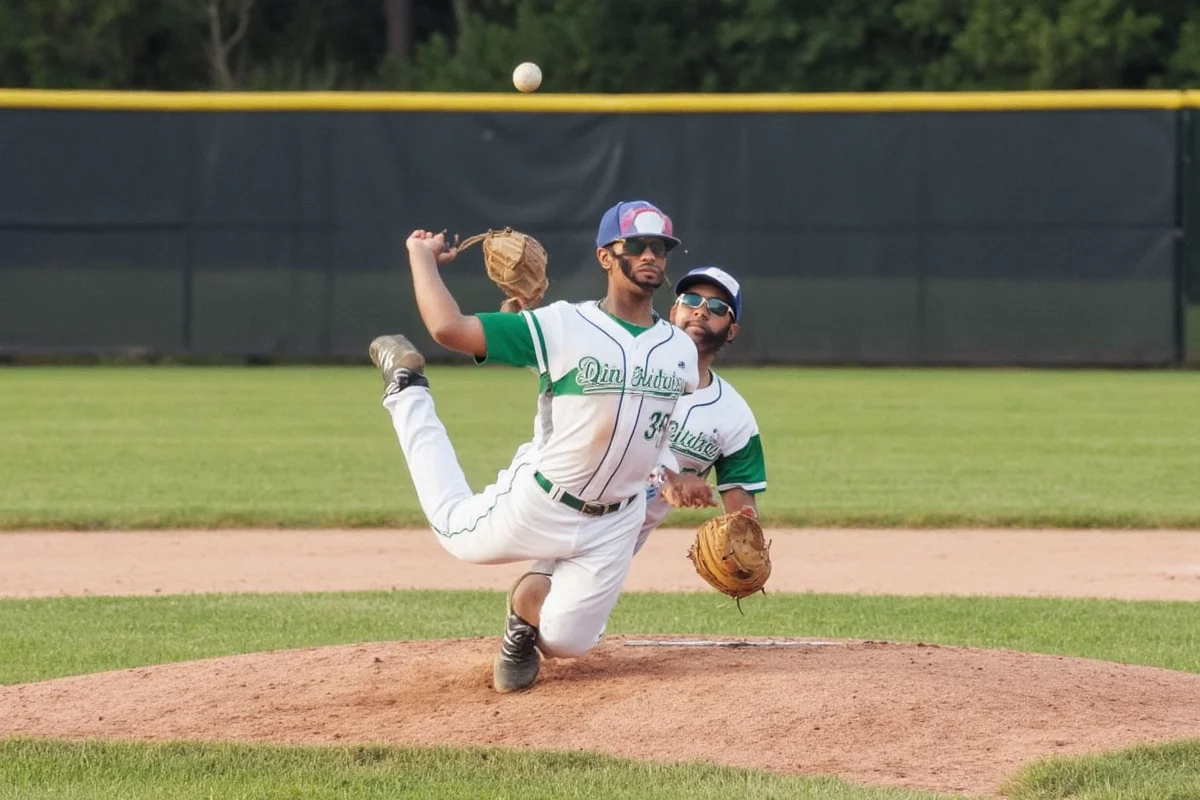
Confidence grows with experience and success. Visualize finishing games and making key outs. Stay positive even after mistakes. Learn from every pitch and improve. A confident closer stays focused and controls the game.
Credit: sportssurge.alibaba.com
Frequently Asked Questions
What Does A Save Mean In Baseball?
A save is credited to a relief pitcher who finishes a game under specific conditions. It usually involves preserving a lead of three runs or less. The pitcher must maintain the lead without giving up the winning run. Saves highlight a pitcher’s ability to close games successfully.
How Is A Save Officially Recorded In Baseball?
A save is recorded when a relief pitcher meets three criteria: enters with a lead of three runs or less, pitches at least one inning, and finishes the game without losing the lead. Saves can also occur if the pitcher enters with the tying run on base, at bat, or on deck.
Why Are Saves Important In Baseball Statistics?
Saves measure a relief pitcher’s effectiveness in closing games. They reflect a player’s skill under pressure and their team’s ability to secure wins. Saves are key stats for evaluating closers and bullpen strength. They help fans and analysts understand game outcomes better.
Can A Pitcher Earn Multiple Saves In One Game?
No, a pitcher can only earn one save per game. The save applies to the final relief pitcher who meets the criteria. If multiple pitchers finish the game, only the last eligible pitcher receives the save. This rule ensures clarity in save statistics.
Conclusion
Saves show how closers help their team win games. They protect leads in the final moments. Understanding saves helps fans enjoy baseball more. It also shows how important each player’s role is. Saves reflect skill, pressure, and teamwork combined. Next time you watch, notice how saves affect the score.
Saves are a key part of baseball’s excitement and strategy. They keep fans on the edge of their seats. Now, you know why saves matter in baseball.