Rebounding In Basketball: Master Techniques 2026

Rebounding in basketball isn’t just about grabbing the ball after a missed shot—it’s about taking control of the game and giving your team the edge it needs to win. If you want to boost your performance on the court, mastering rebounding can make all the difference.
Imagine turning every missed shot into a chance to score or stop your opponent from scoring. That’s the power of rebounding. You’ll discover simple yet powerful techniques that can help you dominate the boards, outsmart your opponents, and become the player your team depends on.
Ready to transform your game? Let’s dive in and unlock the secrets of effective rebounding.
Rebounding Basics
Rebounding is a key skill in basketball that affects both offense and defense. It means grabbing the ball after a missed shot. Players who rebound well help their team gain extra chances to score or stop the other team from scoring. Understanding rebounding basics helps players improve their game and support their team better.
Importance Of Rebounds
Rebounds give teams more opportunities to score points. Each rebound can lead to a new attack or prevent the opponent from scoring. Defensive rebounds stop the other team’s offense. Offensive rebounds create second chances to shoot. Good rebounders increase their team’s control of the game. Coaches and players value rebounding for these reasons.
Types Of Rebounds
There are two main types of rebounds: offensive and defensive. Offensive rebounds happen when a player grabs the ball after their team’s missed shot. Defensive rebounds occur when a player catches the ball after the opponent’s missed shot. Both types require positioning, timing, and effort. Each type plays a different role in helping the team.
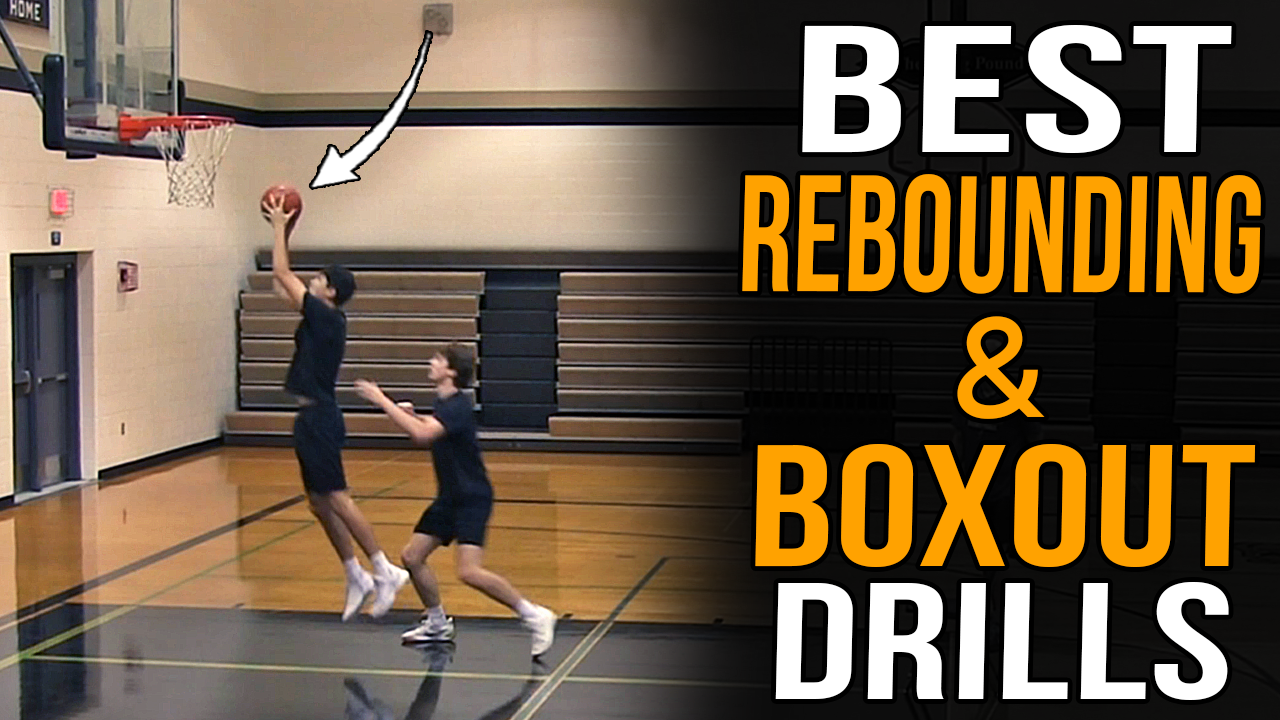
Credit: www.breakthroughbasketball.com
Defensive Rebounding
Defensive rebounding is a key skill in basketball. It stops the opposing team from scoring second chances. Securing the rebound gives your team the ball and a chance to attack. Success in defensive rebounding depends on positioning, body control, and focus.
Locating Your Opponent
Find your opponent as soon as the shot goes up. Stay close and keep your eyes on them. Knowing their position helps you block their path to the ball. This reduces their chance to grab the rebound.
Getting Low And Wide
Lower your hips and bend your knees. Spread your feet wider than shoulder-width. This stance gives you balance and strength. A low, wide base helps you hold your ground against opponents.
Making Contact And Sealing
Use your forearm to touch the opponent’s chest or hip. Push gently with your legs and hips to move them away from the basket. Keep your arms out to block their movement. Seal your space so they cannot reach the ball.
Watching The Ball
Keep your eyes on the ball at all times. Track its path after the shot leaves the shooter’s hands. Anticipate where it will land to get ready. Focus helps you jump at the right moment and grab the rebound securely.
Offensive Rebounding
Offensive rebounding is a vital skill in basketball. It gives your team extra chances to score. Grabbing offensive rebounds requires focus, strength, and smart moves. Players must read the play and react quickly to secure the ball after a missed shot.
Success in offensive rebounding often changes the momentum of the game. Players who excel in this area help their team control the ball more and create more scoring opportunities. It takes effort and good technique to outwork defenders and grab those crucial rebounds.
Anticipating The Miss
Good rebounders watch the shooter closely. They guess where the ball will bounce after the shot. Positioning near the basket before the ball hits the rim increases chances to grab the rebound. This anticipation helps beat defenders to the ball.
Using Swim And Spin Moves
Swim and spin moves help create space from defenders. The swim move involves using an arm to slip past opponents. The spin move uses a quick turn to shake off defenders. Both moves allow the player to reach the ball first.
Attacking Through Contact
Offensive rebounders must be tough and ready for contact. They use their body to push through defenders. Staying low and balanced helps maintain position. Fighting through contact often wins the battle for the ball.
Following The Shot
Always watch the ball after shooting. Follow the shot’s path and move quickly to the rebound spot. This keeps players ready to jump for the ball. Being alert and active is key to grabbing offensive rebounds.
Securing The Ball
Securing the ball is a crucial step in rebounding. After jumping and catching the ball, holding it firmly prevents turnovers. A strong grip ensures control and allows quick moves afterward. Failing to secure the ball often leads to lost possession. This section explains key techniques to keep the ball safe after the rebound.
Using Two Hands
Always use both hands to catch the rebound. Two hands provide better grip and control than one. This reduces the chance of dropping the ball. Catching with two hands also prepares you to pass or shoot immediately. Practice grabbing the ball with palms and fingers spread wide. This method improves security and confidence during rebounds.
Chinning The Ball
Chinning the ball means pulling it close to your chest and chin. This protects the ball from defenders trying to steal it. Hold the ball tight and keep your elbows out to shield it. This position makes it harder for opponents to reach the ball. Chinning helps maintain possession under pressure and gives you time to decide your next move.
Maintaining Balance And Control
Balance is key to securing the rebound firmly. Keep your feet shoulder-width apart for stability. Bend your knees slightly to absorb the impact of landing. Use your core muscles to stay upright and ready to move. Controlled body movement prevents the ball from slipping or being knocked away. Good balance also helps you pivot or pass quickly after the rebound.
Rebounding Mindset
Rebounding in basketball is more than just jumping high. It requires a strong mindset focused on determination and smart play. Players who excel at rebounding know that it is about effort, positioning, and quick thinking. A good rebounding mindset helps players gain extra possessions for their team. This mindset can change the flow of the game and boost team success.
Effort And Hustle
Rebounding demands constant effort and hustle. Players must chase every ball and never give up. Moving quickly and staying active increases the chance to grab rebounds. Hustle means fighting for the ball even in tough situations. It shows passion and commitment on the court. Coaches value players who display strong effort every play.
Strength And Finishing
Strength plays a key role in rebounding. Players use their body to hold position and block opponents. Finishing means securing the ball firmly once it is caught. Strong hands and good grip prevent the ball from slipping away. Physical power helps win battles near the basket. It also prepares players for quick moves after the rebound.
Reading Shot Angles
Good rebounders learn to read shot angles carefully. They watch the ball’s flight and anticipate where it will land. This skill helps them move to the best spot before others. Understanding how the ball bounces off the rim or backboard is crucial. Players who read shot angles well get more rebounds with less effort. It is a smart way to stay one step ahead.
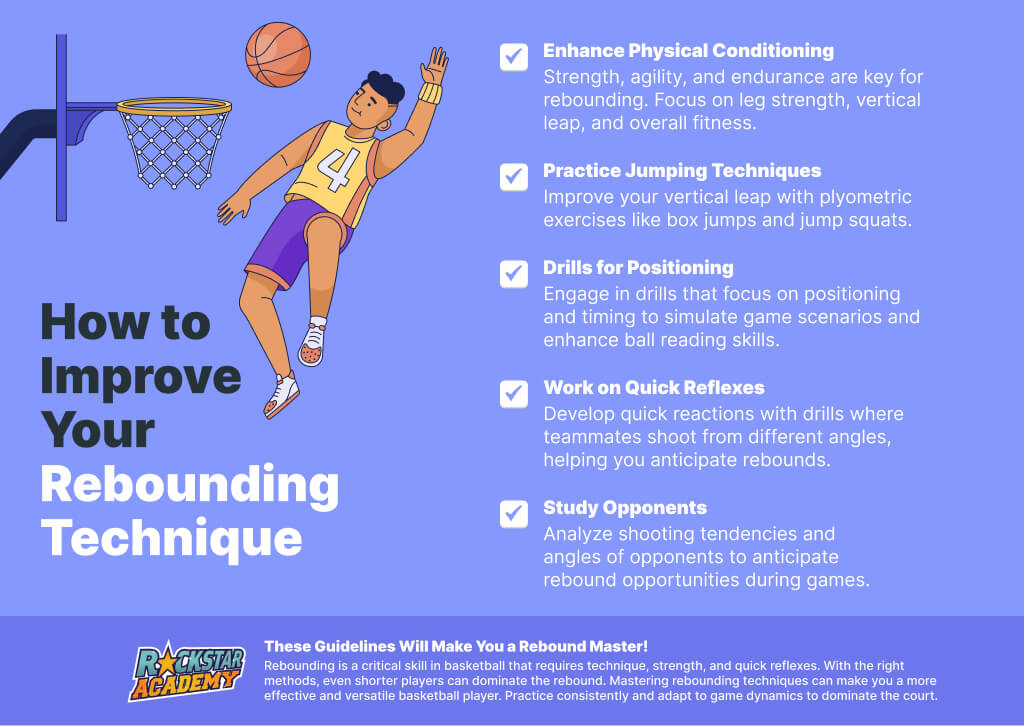
Credit: www.rockstaracademy.com
Drills And Practice
Rebounding in basketball demands more than just effort. Players must train specific skills to improve their ability to grab the ball after a missed shot. Drills and practice sessions focus on key areas like positioning, timing, and body control. These exercises help players react faster and gain more possessions for their team.
Consistent practice builds muscle memory and sharpens instincts. Drills simulate real-game situations, allowing players to develop confidence and effectiveness on the court. Below are essential drills every player should include in their rebounding routine.
Boxing Out Drills
Boxing out is the foundation of good rebounding. Players learn to position their bodies between the opponent and the basket. A common drill pairs players to practice this skill.
One drill is the “Box Out and Rebound” exercise. Players start facing the basket. When the coach shoots, players quickly find their opponent and use their hips and arms to block them out. Then, they jump to catch the rebound.
Another drill uses a resistance band around the waist. This increases strength and helps players hold their ground against opponents. These drills improve the ability to maintain position under pressure.
Timing And Anticipation Exercises
Good rebounders predict where the ball will land. Timing is crucial to jump at the right moment. Coaches often use toss drills to develop this skill.
In one drill, a coach throws the ball off the backboard or rim. Players practice reading the ball’s path and jumping to catch it. This trains their eyes and body to react quickly.
Players also practice reading the shooter’s position and shot arc. Anticipation drills help them move before the ball hits the rim. This gives them a better chance to secure the rebound.
Balance And Control Workouts
Balance is key to winning rebounds and controlling the ball. Players work on their footwork and core strength to stay steady during contact.
One effective workout is single-leg balance exercises. Players stand on one leg while catching and holding the ball. This builds stability and control.
Another workout uses a balance board or foam pad. Players practice catching rebounds while keeping their balance on unstable surfaces. This simulates the physical challenges during games.
Strong core muscles help players hold their ground and finish plays. Balance and control workouts protect players from being knocked off their feet.

Credit: www.wikihow.com
Frequently Asked Questions
Is It Good To Get A Rebound In Basketball?
Getting a rebound in basketball is beneficial. It gains your team possession, boosts offense, strengthens defense, and increases winning chances.
Is 20 Rebounds A Double Double?
Yes, 20 rebounds count toward a double-double if the player also scores at least 10 points or records 10 assists in the same game.
How To Rebound Properly In Basketball?
Rebound properly by boxing out opponents, getting low and balanced, watching the ball, and securing it with two hands. Anticipate shot trajectory and use strong footwork to maintain position. Attack offensive rebounds with moves like spin or swim while maintaining effort, timing, and fundamentals for possession.
What Is The Downside Of Rebounding?
The downside of rebounding includes potential injuries from physical contact and fatigue due to constant jumping. Poor technique may cause turnovers or missed opportunities.
Conclusion
Rebounding plays a key role in basketball success. It helps teams keep control of the ball. Good rebounders use strength, timing, and focus. Boxing out opponents creates space to grab the ball. Watching the ball’s path improves chances to secure rebounds.
Both offense and defense benefit from strong rebounding skills. Practice and effort make players better rebounders over time. Remember, every rebound gives your team a new chance to score. Keep working on these basics to help your team win more games.