
What Is A Carry In Basketball: Key Rules 2026

Have you ever watched a basketball game and wondered why a referee suddenly blew the whistle when a player was dribbling? That moment might have been a “carry” violation.
Understanding what a carry in basketball is can change the way you watch and play the game. It’s one of those rules that seems small but can impact the flow of the match and your performance on the court. If you want to know exactly what a carry is, how to spot it, and why it matters, keep reading.
This simple knowledge could give you an edge the next time you hit the court or watch your favorite team.
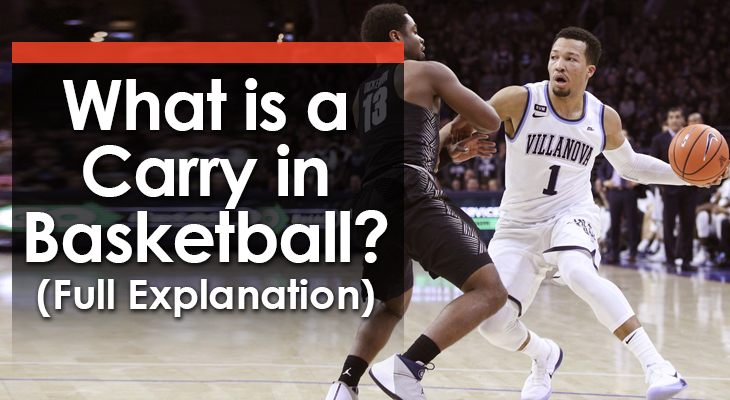
Credit: www.basketballforcoaches.com
Carry In Basketball
In basketball, a carry is a type of violation involving how a player handles the ball. It happens when the player holds or turns the ball too long while dribbling. This action gives the player an unfair advantage over the defense. Understanding what a carry is helps players improve their skills and follow the rules better.
Basic Concept
A carry occurs when a player dribbles the ball and their hand goes under the ball. This means the ball is momentarily held instead of being bounced. The player may also pause the dribble or change hand position illegally. Referees call a carry to keep the game fair and fast. It stops players from controlling the ball too much while moving.
Common Terms
Carrying is also called a “palming” violation. The “palming” term comes from holding the ball with the palm under it. Another related term is “traveling,” but it involves moving without dribbling. Carry violations often happen during quick moves or fancy dribbles. Coaches teach players to avoid carrying by keeping their hand on top or side of the ball.
Rules Around Carrying
The rules around carrying in basketball focus on fair play during dribbling. Carrying happens when a player holds the ball too long or lets their hand go under it. This breaks the smooth flow of dribbling. Players must keep the ball moving correctly to avoid violations. Understanding these rules helps players improve their skills and avoid penalties.
Dribbling Violations
Carrying is a type of dribbling violation. It occurs if a player pauses or places their hand under the ball. The ball must stay on top or to the side while dribbling. If the ball rests in the palm, referees see it as carrying. This stops the dribble and gives the ball to the other team.
Referee Signals
Referees use clear signals to show carrying violations. They hold one hand flat and move it under the other hand. This motion mimics the carrying action. Players and fans can quickly see the call. Referees also blow the whistle to stop the play immediately.
Penalties
When a carrying violation is called, the offense loses the ball. The other team gets possession at the spot of the violation. This can change the momentum of the game. Players must avoid carrying to keep control and help their team.
How Carrying Affects Gameplay
Carrying in basketball changes how the game flows. It affects both the player with the ball and the opponents. Understanding this helps players and fans see why referees call this violation. Carrying happens when a player holds the ball too long or twists their hand under it. This breaks the rules and stops smooth play.
Offensive Impact
Carrying can slow down the offense. It makes the ball harder to control. Players may lose speed or miss a chance to pass or shoot. Opponents get more time to prepare their defense. It also breaks the rhythm of the team’s attack. Players must dribble cleanly to keep the offense fast and strong.
Defensive Reactions
Defenders watch for carrying to gain an advantage. When they spot it, they can steal the ball more easily. Carrying gives defenders clues about the ball handler’s moves. They can predict passes or shots better. This forces the offense to be more careful and precise. Defenders use carrying mistakes to turn defense into quick offense.
Tips To Avoid Carrying
Carrying the basketball is a common mistake that many players make. It happens when the ball is held too long or the hand goes under the ball during dribbling. Avoiding carrying is important to keep the game fair and smooth. Learning the right ways to control the ball helps improve your skills and confidence on the court.
Here are some simple tips to help you avoid carrying and dribble like a pro.
Proper Dribbling Techniques
Keep your hand on top or the side of the ball while dribbling. Push the ball down hard enough to control its bounce. Use your fingertips, not your palm, to move the ball. Stay low with your knees bent. This gives better balance and control. Look forward, not at the ball. This helps you see the court and avoid mistakes.
Hand Placement
Place your hand flat but relaxed on the ball’s top area. Avoid letting your hand slide underneath the ball. This causes carrying violations. Use your fingers to feel the ball’s movement. Keep your wrist flexible for quick control. Good hand placement helps keep the ball moving smoothly.
Practice Drills
Practice dribbling with both hands every day. Try dribbling while walking or running to build control. Use cones or markers to dribble around. This improves your hand speed and accuracy. Record yourself to watch your hand position. Correct mistakes and keep practicing for better control.
Notable Examples In Pro Basketball
Carry violations in professional basketball often spark debate. Fans and players watch closely as referees make calls on these tricky moves. Some moments stand out for how famous or controversial the carry calls were. These examples help explain the rules and show how players handle the ball with skill.
Famous Carry Calls
One well-known example is the call against Kyrie Irving in the 2017 playoffs. He rolled his hand under the ball during a dribble. The referee saw it as a carry, stopping the play. This call got many fans talking about the fine line between a carry and a normal dribble.
Another example involves Allen Iverson. He often used quick wrist flicks. Some moves looked like carries but were not called. His style pushed referees to judge carries carefully. These moments show how fast the game moves and how hard it is to spot carries.
Player Strategies
Players work hard to avoid carry violations. They practice keeping their hand on top of the ball. This helps maintain control and avoid fouls. Some use finger tips and wrist flicks to keep dribbling legal.
Many players also use carries to create space quickly. They try to make the move look smooth and natural. This confuses defenders and gives an advantage. Knowing when to push the limits helps players stay effective without breaking the rules.

Credit: huupe.com
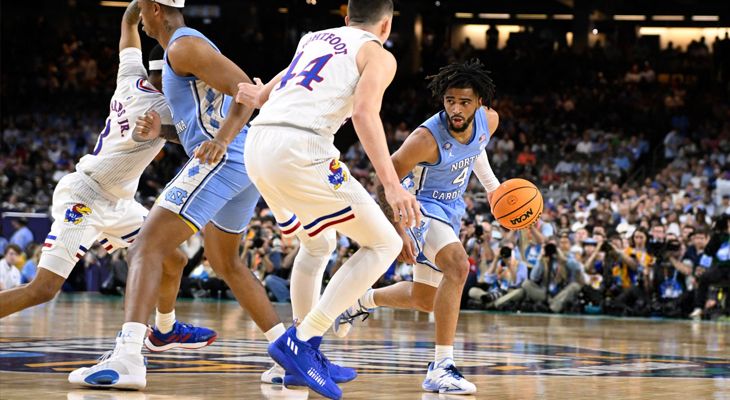
Credit: www.basketballforcoaches.com
FAQs For What Is A Carry In Basketball
What Is A Carry Violation In Basketball?
A carry violation occurs when a player holds the ball too long while dribbling. It is also called a palming foul. This breaks the dribbling rules and results in a turnover.
How Can You Spot A Carry In Basketball?
Look for when the ball rests on the player’s hand during dribbling. The hand should stay on top or side, not under the ball. If the ball stops or changes direction unusually, it might be a carry.
Why Is Carrying Illegal In Basketball?
Carrying gives an unfair advantage by allowing better control and quick direction changes. It breaks the continuous dribble rule and disrupts game flow. Officials call it to keep play fair and consistent.
What Happens If A Player Carries The Ball?
The referee blows the whistle and stops play immediately. The opposing team gets possession of the ball. It is counted as a turnover against the player who carried the ball.
Conclusion
Understanding a carry in basketball helps you watch the game better. It is a simple rule about how players handle the ball. Players must keep control without lifting or turning their hand under the ball. Referees watch closely to make fair calls.
Knowing this rule improves your skills and enjoyment. Remember, practice and attention help avoid carrying mistakes. Keep playing, keep learning, and enjoy basketball more.



It’s an awesome piece of writing in support of all the internet visitors; they will get benefit from it I am sure.