What Is A Hit In Baseball: Ultimate Guide 2026

Have you ever watched a baseball game and wondered what exactly counts as a hit? Understanding what a hit means in baseball can completely change the way you watch the game.
It’s one of the most exciting moments when the batter connects with the ball and makes it safely to a base. But there’s more to it than just that simple idea. If you want to know how hits shape the game and why they matter to your favorite players and teams, keep reading.
This guide will break it down in a way that’s easy to grasp and fun to learn.

Credit: en.wikipedia.org
Basics Of A Hit
A hit is one of the most important actions in baseball. It helps the batter reach base and move runners forward. Understanding the basics of a hit improves your knowledge of the game. It also makes watching baseball more fun and clear.
Let’s explore what a hit means, the different types, and how hits differ from other plays.
Definition Of A Hit
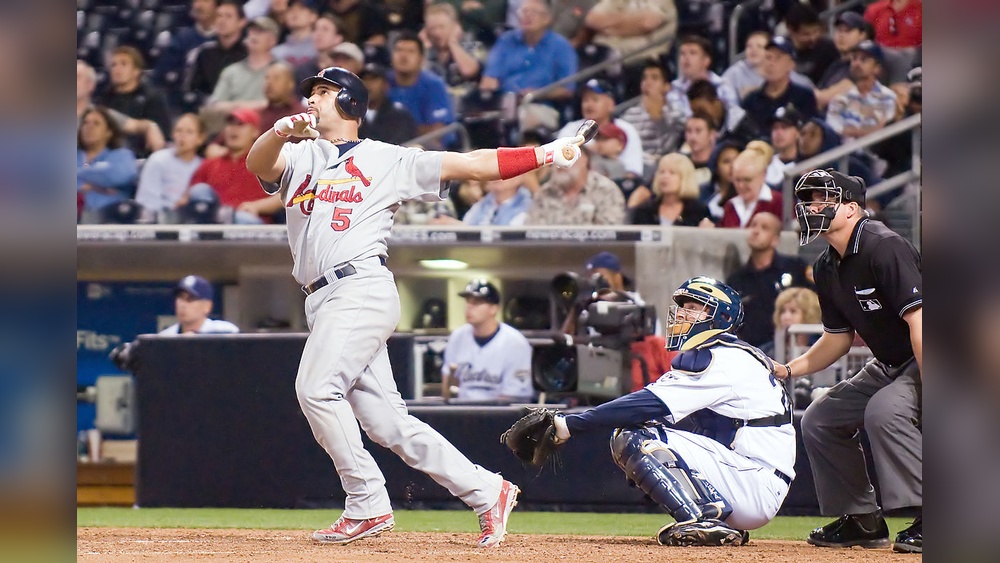
A hit happens when the batter strikes the ball with the bat and reaches at least first base safely. The batter must avoid being called out. The ball must stay in play without errors by the fielders. This counts as a successful hit and adds to the batter’s statistics.
Types Of Hits
There are several types of hits in baseball. A single is when the batter reaches first base. A double means the batter reaches second base. A triple happens when the batter reaches third base. A home run lets the batter circle all the bases and score a run. Each type shows how far the batter advances after hitting the ball.
Difference Between Hits And Other Plays
Hits are different from other plays like walks or errors. A walk happens when the pitcher throws four balls outside the strike zone. The batter goes to first base without hitting the ball. An error occurs when a fielder makes a mistake, allowing the batter to reach base. Hits require the batter to actively strike the ball and reach base safely without mistakes from the defense.
How Hits Are Recorded
Hits are a key part of baseball statistics. They show how well a batter performs during a game. Understanding how hits are recorded helps fans and players follow the game better. The process is clear but has specific rules.
Official Scoring Rules
Hits are recorded by the official scorer. This person watches the game closely. A hit counts when a batter reaches at least first base safely. The batter must reach base without errors or fielder’s choice. The ball must be hit fairly within the field.
The scorer decides if the batter’s advance is due to their hit. If yes, the hit is recorded in the stats. This keeps the game fair and accurate for players and fans.
Common Scenarios That Count As Hits
Hits include singles, doubles, triples, and home runs. Each means the batter reaches a different base. A single is reaching first base. A double means the batter reaches second. A triple is getting to third base. A home run means the batter circles all bases.
Any hit that allows the batter to reach base safely and fairly counts. The ball must not be caught or cause an out directly. This makes hits easy to understand during play.
Impact Of Errors On Hits
Errors can change how hits are recorded. If a fielder makes a mistake, it may not count as a hit. For example, if the fielder drops the ball, the batter may reach base. This is scored as an error, not a hit.
The scorer looks closely at the play to decide. If the batter would have been out without the error, no hit is given. This rule keeps stats honest and fair for players.
Techniques To Improve Hitting
Improving your hitting in baseball takes focus and practice. Small changes in your technique can lead to better contact with the ball. This section covers key ways to refine your hitting skills. Each part plays a role in becoming a better batter.
Batting Stance And Grip
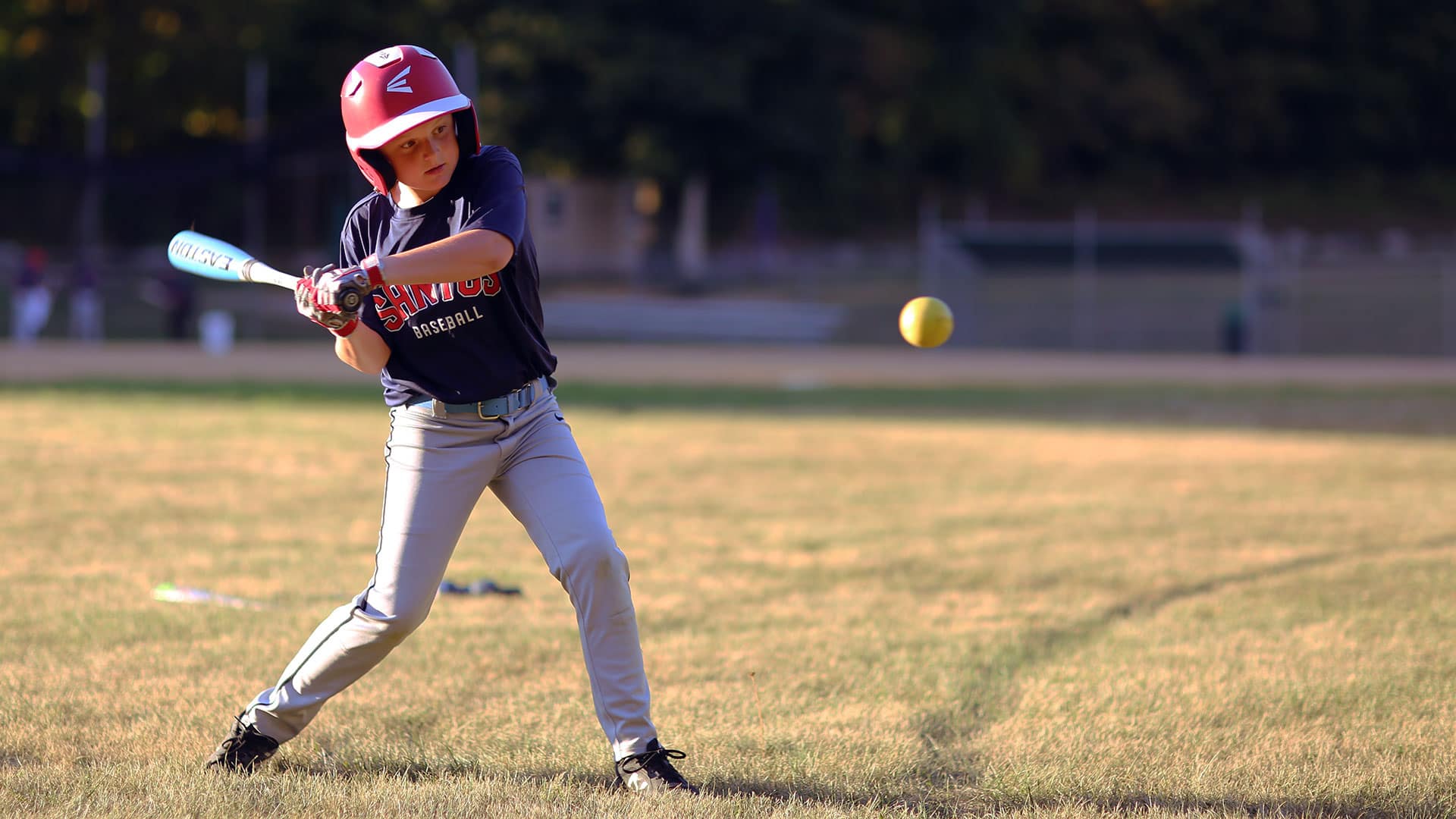
Your stance is your starting point. Stand with feet shoulder-width apart. Keep your knees slightly bent for balance. Your weight should be on the balls of your feet, ready to move. Hold the bat firmly but not too tight. Your grip should feel natural and comfortable. Position your hands so the bat is steady and easy to control. A good stance and grip help you react quickly to pitches.
Timing And Pitch Recognition
Hitting well depends on timing. Watch the pitcher’s arm and body to guess when the ball will come. Learn to recognize different pitches like fastballs and curveballs. This helps you prepare your swing early. Stay relaxed and focus on the ball from the pitcher’s hand. Good timing lets you hit the ball squarely and with power.
Swing Mechanics
A smooth swing increases your chances of hitting the ball. Start your swing by turning your hips. Your hands should follow the bat’s natural path. Keep your eyes on the ball all the way to contact. Snap your wrists to add speed to the bat. Finish your swing with balance to stay ready for the next pitch. Practicing these steps builds consistency and strength.
Credit: www.santosbaseball.com
Strategies For Different Hit Types
Baseball players use different strategies to make hits. Each type of hit has its own goal. Understanding these helps players choose the right approach at the plate. Let’s explore key strategies for different hit types.
Hitting For Power
Hitting for power means trying to hit the ball far. Players swing hard to send the ball over the fence. The goal is to score runs with home runs or extra-base hits. This strategy needs strong arms and good timing. Power hitters often stand with a wide stance. They focus on driving the ball with force. Timing the pitch is very important here. A strong hit can change the score quickly.
Hitting For Contact
Hitting for contact means making solid contact with the ball. The goal is to get on base safely. Contact hitters aim to put the ball in play. They use a controlled swing with less power. This helps them avoid strikeouts. They often focus on hitting ground balls or line drives. This strategy helps move runners and keep the game going. Good hand-eye coordination is key for contact hitters.
Bunting And Situational Hitting
Bunting is a gentle tap of the ball. It helps move runners forward or surprise the defense. Players use bunting in special situations. This could be to advance a runner to the next base. Situational hitting means changing the hit style based on the game. Players may bunt or swing differently depending on runners and outs. This strategy needs smart thinking and good control. It helps the team score in tight moments.
Statistics Related To Hits
Hits are the core of many baseball statistics. They show how well a player performs at the plate. Understanding these stats helps fans and players see the value of each hit. Some stats focus on how often a player hits, while others measure the power of those hits.
Stats related to hits give a full picture of a player’s offensive skills. They are used to compare players and track progress over time. These numbers are simple but very important in baseball analysis.
Batting Average And Its Importance
Batting average is the most basic hit-related stat. It is the number of hits divided by the number of at-bats. For example, a .300 average means the player gets a hit 30% of the time. This stat shows how often a player hits the ball successfully.
Batting average helps to quickly judge a hitter’s consistency. A higher average usually means a better hitter. It is easy to understand and widely used in baseball discussions.
Slugging Percentage And On-base Plus Slugging
Slugging percentage measures the power of a hitter. It counts total bases per at-bat. Singles count as one base, doubles two, triples three, and home runs four. This stat shows how many bases a player gains with hits.
On-base plus slugging (OPS) combines slugging and on-base percentage. It shows a player’s ability to get on base and hit for power. OPS is a quick way to see overall offensive value.
Advanced Metrics
Advanced metrics give deeper insight into hitting skills. Stats like Weighted On-Base Average (wOBA) assign value to different types of hits. They show how each hit affects the team’s chance to score.
Another advanced stat, BABIP, measures how often balls in play become hits. This helps to understand luck or skill in hitting. These metrics are useful for serious fans and analysts.
Common Mistakes And How To Avoid Them
Making a hit in baseball is not easy. Many players make simple mistakes that stop them from hitting well. Knowing these mistakes helps you avoid them. This improves your chance to get a hit more often.
Here are some common errors and ways to fix them.
Poor Plate Discipline
Plate discipline means choosing good pitches to hit. Many players swing at bad pitches. This leads to easy outs or strikeouts. Wait for a pitch you can hit well. Watch the pitcher’s throw carefully. Patience is key to better hitting.
Over-swinging
Swinging too hard or too fast can cause mistakes. It makes you lose control of the bat. The ball may fly poorly or miss completely. Focus on smooth, balanced swings. Control beats power for more consistent hits.
Lack Of Focus On Pitch Types
Pitchers throw different kinds of pitches. Each type moves in a different way. Not paying attention to pitch types causes poor timing. Study fastballs, curveballs, and sliders. Recognize the pitch early to adjust your swing.
Famous Hitters And Their Techniques
Hits in baseball are moments of skill and precision. Famous hitters earn their place through unique styles and strong techniques. Each player brings a special approach to batting. These techniques help them connect with the ball consistently.
Studying great hitters shows how varied and effective batting can be. Their methods teach us important lessons about timing, stance, and swing.
Historical Greats
Legends like Babe Ruth and Ted Williams changed baseball with their hitting. Ruth used power and confidence. He stood tall and swung hard. Williams focused on perfect timing and balance. He studied pitchers carefully. These players showed how strength and skill combine in hitting.
Modern-day Masters
Today’s stars like Mike Trout and Mookie Betts use speed and technique. Trout has a quick swing and strong focus. Betts adapts his stance to the pitcher’s style. Modern hitters mix power with smart decisions. Technology and training have improved their skills.
Lessons From The Pros
Consistent practice is key to good hitting. Watching the ball closely helps timing. A strong but relaxed stance creates better swings. Pros adjust their style to each pitcher. They stay calm under pressure. Learning these habits improves any hitter’s game.
Practice Drills To Master Hitting
Practice drills build strong hitting skills in baseball. They help players improve timing, power, and technique. Regular drills make hitting easier during games. Practicing often builds confidence at the plate. Here are some effective drills to try.
Tee Drills
Tee drills focus on swing mechanics and contact. Place the ball on a tee and hit it repeatedly. This drill helps players see the ball clearly. It also allows practice of different swing angles. Tee drills improve hand-eye coordination and control. Perfect for beginners and players fixing their swing.
Soft Toss
Soft toss involves a coach or partner tossing the ball softly. The ball comes from the side, at a short distance. This drill teaches timing and tracking the ball in motion. It simulates real pitching but at a slower speed. Soft toss helps players adjust their swing quickly. A great way to practice hitting different pitches.
Live Pitching Practice
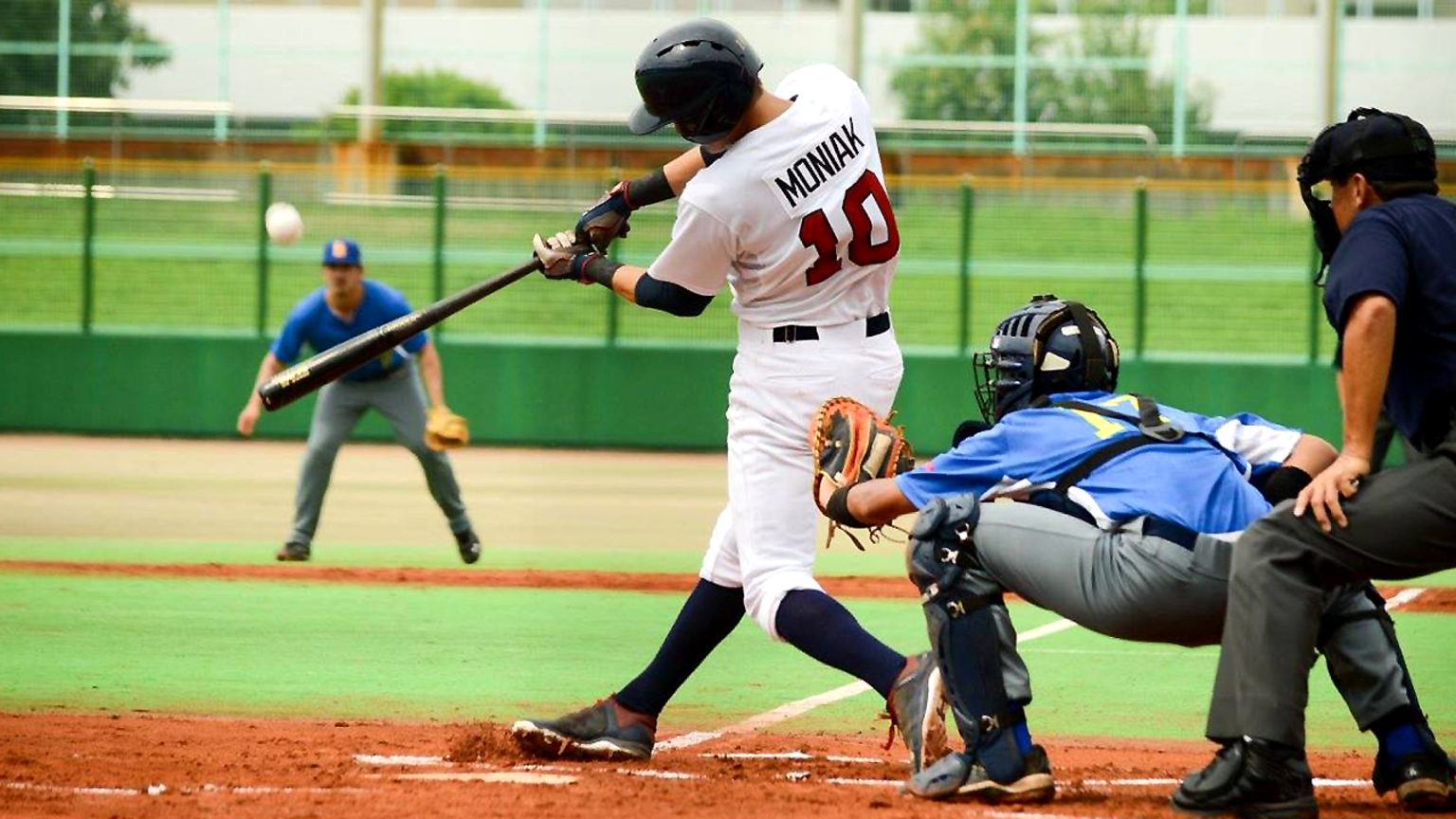
Live pitching practice is the closest to real game hitting. It involves facing a pitcher throwing at game speed. This drill improves reaction time and pitch recognition. Players learn to read ball speed and movement better. It builds confidence and sharpens hitting skills. Essential for players preparing for actual games.
Credit: www.littleleague.org
FAQs (What Is A Hit In Baseball)
What Defines A Hit In Baseball?
A hit in baseball occurs when a batter strikes the ball and reaches at least first base safely. It happens without the help of errors or fielder’s choices. Hits contribute to a player’s batting average and help the team score runs.
How Many Types Of Hits Are There?
There are four main types of hits: single, double, triple, and home run. Each type depends on how many bases the batter reaches safely after hitting the ball. Singles reach first base, doubles second, triples third, and home runs score a run instantly.
Why Is A Hit Important In Baseball?
Hits are crucial as they advance runners and increase scoring chances. They reflect a batter’s skill and impact the team’s offensive success. Consistent hitting pressures the opposing defense and can change the game’s momentum quickly.
Can A Hit Be Recorded With An Error?
No, a hit is only credited if the batter reaches base without errors. If a fielder misplays the ball allowing the batter to reach base, it is ruled an error, not a hit. This distinction affects player statistics accurately.
Conclusion
A hit in baseball means the batter safely reaches a base after hitting the ball. It helps the team score runs and win games. Hits come in different types, like singles, doubles, triples, and home runs. Understanding hits makes watching baseball more fun and clear.
Every hit counts and shows the batter’s skill. Keep these basics in mind next time you watch or play baseball. It’s a simple but important part of the game.