What are the Dimensions of Pickleball Court: Essential Guide

Pickleball is a popular sport combining elements of tennis, badminton, and ping-pong. Many people are curious about the court size.
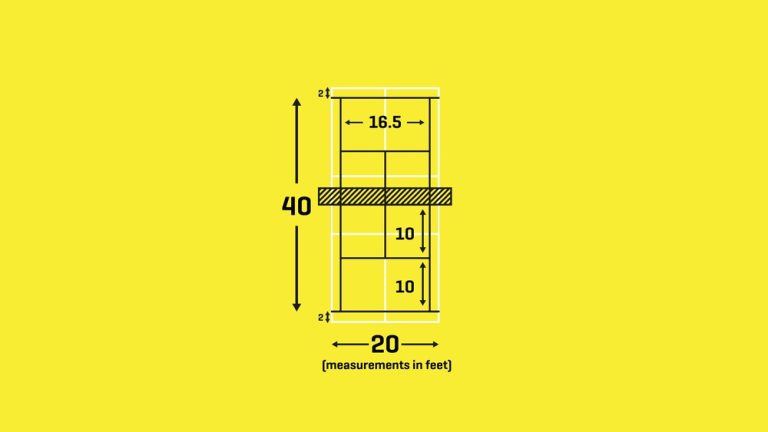
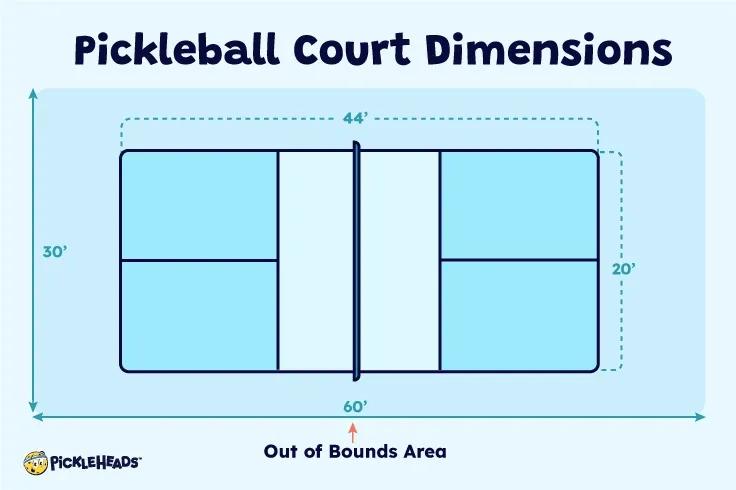
A standard pickleball court is 20 feet wide and 44 feet long. Pickleball has grown rapidly in recent years. It’s easy to learn and fun for all ages. Understanding the court dimensions is essential for proper play. The court size ensures a balanced game and fair play.
Knowing the exact measurements helps in setting up a court at home or in local parks. Whether you are a beginner or an experienced player, accurate court dimensions are crucial. This guide will explain the standard pickleball court dimensions, so you can enjoy the game to its fullest.

Credit: syntheticsportsgroup.com.au
Introduction To Pickleball Court
Pickleball is a fun and easy-to-learn sport. It combines elements of tennis, badminton, and ping-pong. The game is played on a court that is much smaller than a tennis court. Understanding the dimensions of a pickleball court is essential for both players and enthusiasts. This section will introduce you to the layout and dimensions of a pickleball court.
Brief History
Pickleball was invented in 1965. It was created by three dads – Joel Pritchard, Bill Bell, and Barney McCallum. They wanted to entertain their kids during the summer. The game started on a badminton court with makeshift equipment. The unique name “pickleball” came from a family dog named Pickles. The dog would chase after stray balls.
Popularity And Growth
Pickleball has grown rapidly in popularity. It is now played by millions of people worldwide. The sport appeals to all ages due to its simple rules and low-impact nature. Community centers, schools, and parks are adding pickleball courts. Many seniors enjoy the game for its social and physical benefits.
The standard size of a pickleball court is quite specific. Here are the dimensions:
| Measurement | Dimension |
|---|---|
| Overall Court Size | 20 feet by 44 feet |
| Net Height | 36 inches at the sidelines, 34 inches at the center |
| Non-Volley Zone (Kitchen) | 7 feet from the net on both sides |
These dimensions are crucial for maintaining the integrity of the game. They ensure a fair and enjoyable experience for all players.
Overall Court Dimensions
Understanding the dimensions of a pickleball court is essential for players. It ensures a fair and enjoyable game. The court size impacts gameplay and strategy. Let’s explore the overall court dimensions.
Court Length And Width
The pickleball court measures 44 feet long and 20 feet wide. This includes both singles and doubles play. The court size is smaller than a tennis court. This compact size makes the game fast-paced. The court’s dimensions create a fun and engaging experience.
Standard Measurements
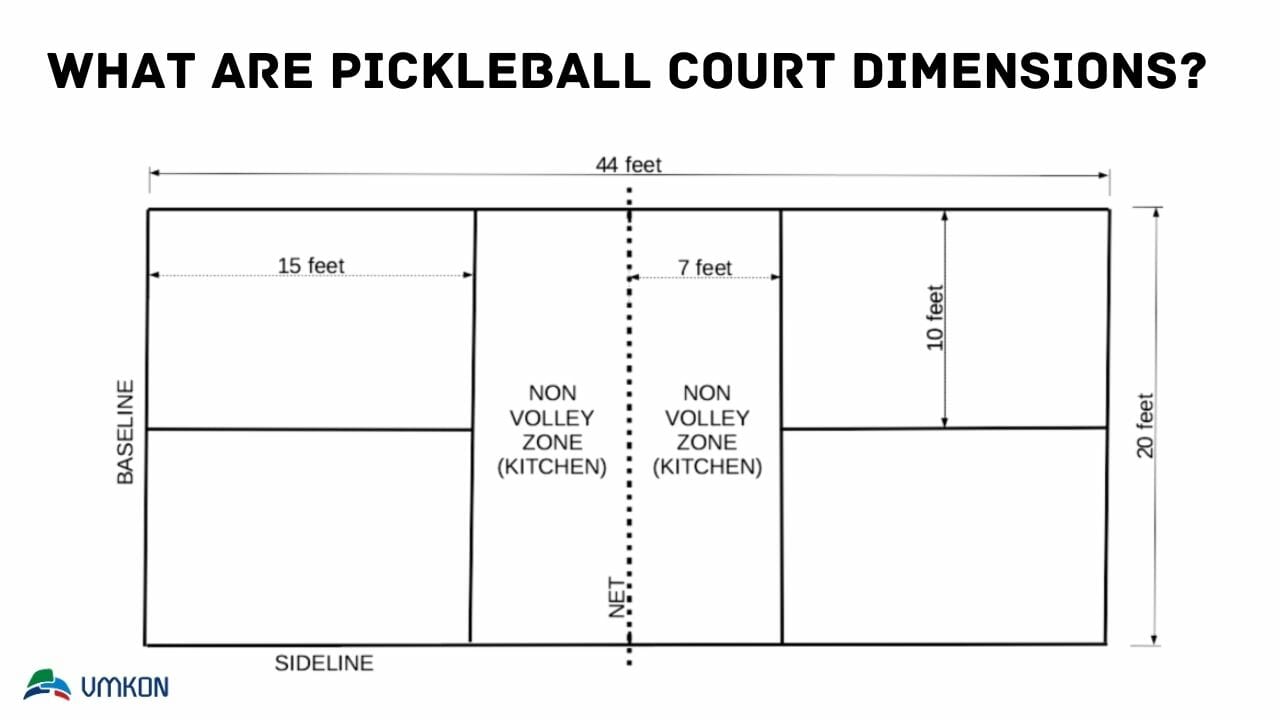
Each side of the net is 22 feet long. The kitchen, or non-volley zone, is 7 feet from the net. This zone prevents players from volleying close to the net. The service area is 15 feet long. It extends from the baseline to the kitchen. These measurements ensure consistency in every game.
Net Placement And Height
The net placement and height are crucial for a fair pickleball game. Understanding the net position and regulation height ensures consistent play. This section will guide you through the specifics of net placement and height on a pickleball court.
Net Position
The net divides the court into two equal halves. It runs parallel to the baselines, right in the center. The net must be securely anchored at both ends. This prevents it from sagging during play. The net posts are positioned out of bounds. This keeps the playing area clear.
Regulation Height
The regulation height of the pickleball net is 36 inches at the sidelines. The height in the middle is 34 inches. This slight dip in the center allows for smooth gameplay. Accurate net height is essential for fair competition. Regularly check the height to ensure compliance.
Credit: www.pickleheads.com
Service Areas And Zones
Understanding the service areas and zones of a pickleball court is essential. These areas define where players can serve and volley. Knowing these zones can improve your game. Let’s break down the key zones on the court.
Non-volley Zone
The non-volley zone is close to the net. It stretches 7 feet on both sides. Players can’t volley in this area. This rule makes the game fair. You can only hit the ball here if it bounces first.
Service Courts
The service courts are divided into two parts. Each side of the net has two service courts. These are known as the right and left service courts. Players must serve diagonally. The serve should land in the opposite service court. This rule ensures proper game flow.
Each service court is 10 feet wide. The length extends from the baseline to the non-volley zone. Understanding these dimensions helps players serve accurately. It also helps in planning game strategy.
Boundary Lines
Understanding the boundary lines of a pickleball court is crucial for players. These lines define the court’s layout and help ensure fair play. Knowing the exact dimensions will enhance your game awareness and strategy.
Baselines And Sidelines
The baseline runs parallel to the net at each end of the court. It is 20 feet long and marks the boundary for serves. There are two baselines on a pickleball court, one on each side.
Sidelines are the lines that run perpendicular to the net. They are 44 feet long, extending from one baseline to the other. Sidelines mark the side boundaries of the court.
Centerline Markings
The centerline is a crucial marking on the court. It divides the service courts into left and right sections. The centerline runs from the baseline to the non-volley line, measuring 15 feet. This helps in serving and receiving strategies.
Understanding these dimensions ensures you play within the rules. It also helps in identifying faults and scoring accurately.
Surface Materials
Choosing the right surface material for a pickleball court is essential. It affects the game’s playability and the court’s durability. The surface should provide a good grip, reduce injury risk, and withstand various weather conditions. Let’s explore the common surfaces and maintenance tips for pickleball courts.
Common Surfaces
There are several common surfaces for pickleball courts. Each has unique benefits and challenges.
- Asphalt: Durable and cost-effective. Often used in public parks.
- Concrete: Long-lasting and low-maintenance. Provides a consistent playing surface.
- Sport Court Tiles: Modular and easy to install. Offers excellent shock absorption.
- Grass: Soft and natural. Ideal for temporary or casual play.
Maintenance Tips
Proper maintenance extends the life of your pickleball court. Here are some tips for different surfaces:
-
Asphalt and Concrete
- Regularly sweep to remove debris.
- Seal cracks to prevent water damage.
- Repaint lines annually for visibility.
-
Sport Court Tiles
- Clean with mild soap and water.
- Inspect for loose tiles and secure them.
- Check for uneven areas and adjust.
-
Grass
- Mow regularly to maintain an even surface.
- Water to keep the grass healthy.
- Mark boundaries with temporary lines.
Indoor Vs Outdoor Courts
Pickleball has gained immense popularity, leading to an increase in both indoor and outdoor courts. Understanding the differences between these two types of courts can help players choose the best environment for their game.
Key Differences
The dimensions of pickleball courts are the same for both indoor and outdoor settings. However, the playing conditions vary.
- Surface Type: Indoor courts usually have a smoother surface, like wood or synthetic materials. Outdoor courts are typically made of asphalt or concrete.
- Lighting: Indoor courts offer controlled lighting, which helps in consistent visibility. Outdoor courts rely on natural light or external lighting fixtures.
- Weather: Indoor courts provide a controlled climate, protecting players from the weather. Outdoor courts are subject to weather conditions like rain and wind.
Advantages And Disadvantages
| Aspect | Indoor Courts | Outdoor Courts |
|---|---|---|
| Surface Quality | Smoother, consistent bounce | Varies, can be uneven |
| Lighting | Controlled, consistent | Natural, can be inconsistent |
| Weather Impact | None, climate-controlled | Affected by rain, wind, and sun |
| Accessibility | Often requires membership | Usually free or low-cost |
| Availability | Limited to specific hours | Open to public, more flexible |
Credit: vmkonsport.com
Court Setup And Equipment
Understanding the proper court setup and equipment is essential for enjoying pickleball. Knowing the dimensions and having the right gear can make a significant difference. This section will guide you through the essentials, ensuring you are well-prepared for the game.
Essential Gear
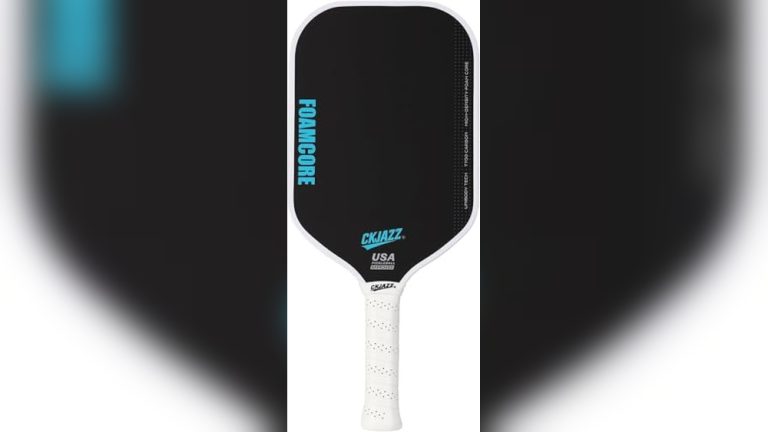
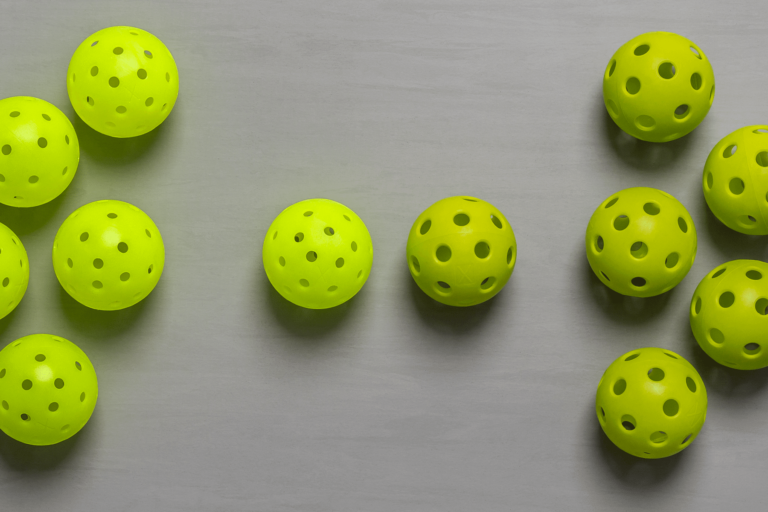
First, you need a pickleball paddle. These paddles are lightweight and easy to handle. They come in various materials like wood, composite, and graphite. Choose one that feels comfortable. Next, you need pickleballs. These are similar to wiffle balls but designed for pickleball. They have holes and come in different colors. Pick a color that stands out on the court.
Setup Tips For Beginners
Setting up the court is simple. The official size is 20 feet wide by 44 feet long. Mark the court with boundary lines using chalk or tape. Place the net at the center. It should be 36 inches high at the sidelines and 34 inches high in the middle. Make sure the court surface is even. Smooth surfaces like concrete or asphalt are ideal. Avoid playing on grass or uneven ground. Ensure the area is free of obstacles. Safety first.
Frequently Asked Questions
What Is The Standard Size Of A Pickleball Court?
A standard pickleball court measures 20 feet wide and 44 feet long. This includes both singles and doubles play. The net height is 36 inches at the sidelines and 34 inches at the center.
How Wide Is A Pickleball Court?
A pickleball court is 20 feet wide. This width is consistent for both singles and doubles play. The dimensions ensure sufficient space for players to move and play effectively.
What Are The Dimensions Of A Pickleball Net?
The pickleball net is 36 inches high at the sidelines. It measures 34 inches high at the center. The net spans the entire width of the court.
How Big Is The Non-volley Zone In Pickleball?
The non-volley zone, also known as the kitchen, is 7 feet from the net on both sides. This area restricts volleying, promoting strategic play and skillful shots.
Conclusion
Understanding pickleball court dimensions is essential for enjoying the sport. Knowing the court size helps players plan better. The standard court measures 20 feet wide and 44 feet long. Following these guidelines ensures a fair and fun game. Whether you’re a beginner or experienced, this knowledge is valuable.
Proper court dimensions enhance gameplay and prevent misunderstandings. So, keep these measurements in mind for your next match. Enjoy playing pickleball with confidence and accuracy. Happy playing!