How Much Does It Cost to Paint a Pickleball Court: Complete Guide

Painting a pickleball court can vary in cost. It depends on several factors.
Pickleball is growing in popularity. Many people are curious about setting up their own courts. If you love the game and want your own court, knowing the cost is vital. Factors like court size, type of paint, and surface condition can all affect pricing.
This blog will help you understand the costs involved in painting a pickleball court. You’ll learn about the different elements that impact the price. Whether you’re planning to DIY or hire a professional, this guide will be useful. Read on to get a clearer picture of what to expect.
Factors Influencing Cost
Understanding the cost to paint a pickleball court is crucial for budgeting. Several factors can influence the overall expense. Let’s dive into these factors to help you plan better.
Court Size
The size of the court is a primary factor in determining cost. A standard pickleball court measures 20 feet by 44 feet. Larger courts will require more paint and labor, increasing costs. Here’s a breakdown of how size affects pricing:
- Standard court: Typically less expensive due to standard dimensions.
- Custom sizes: May cost more due to extra materials and labor.
Surface Material
The type of surface material also plays a role in cost. Different materials require different types of paint and preparation. Here are some common surfaces:
| Surface Material | Cost Implication |
|---|---|
| Concrete | Generally less expensive, easier to paint. |
| Asphalt | Moderately priced, requires more preparation. |
| Clay | Most expensive, needs specialized paint. |
Geographic Location
Your geographic location can significantly affect painting costs. Labor rates and material availability vary by region. Here’s how location impacts cost:
- Urban areas: Higher costs due to increased demand and labor rates.
- Rural areas: Lower costs but may incur additional travel expenses for contractors.
Understanding these factors can help you estimate the cost of painting a pickleball court. Plan accordingly to ensure a smooth and budget-friendly project.
Materials And Supplies
Painting a pickleball court requires specific materials and supplies. Understanding these can help you plan your project better. Let’s explore the different paint types, additional supplies, and cost estimates.
Paint Types
The type of paint used for pickleball courts is crucial. Acrylic paint is the most common choice. It is durable and provides a good playing surface. Another option is textured paint. This type offers better grip and reduces slipping. Both types come in various colors to suit your preference.
Additional Supplies
Besides paint, other supplies are needed. These include primer, which helps the paint adhere better. You will also need masking tape to mark boundaries. A pressure washer is useful for cleaning the surface before painting. Don’t forget rollers and brushes for application. Chalk or string can help with accurate line marking.
Cost Estimates
The costs can vary based on several factors. Acrylic paint costs around $100 per gallon. Textured paint may be slightly more expensive. Primer can cost about $20 per gallon. Masking tape and other small supplies might add $50. Renting a pressure washer can cost around $40 per day. Overall, expect to spend between $300 to $600 for materials and supplies.
Labor Costs
Painting a pickleball court involves several factors, but labor costs play a crucial role in determining the final price. Whether you choose to DIY or hire professionals, understanding these costs can help you plan your budget effectively.
Diy Vs. Professional
Deciding between a DIY approach and hiring a professional can impact the overall cost significantly. DIY may save money but requires time and effort. Professionals deliver high-quality work but at a higher cost. Here’s a comparison:
- DIY: Cost of materials and personal time
- Professional: Labor fees and expertise
Hourly Rates
Professional painters charge hourly rates. The rates vary based on location and experience. Here’s an average breakdown:
| Experience Level | Hourly Rate |
|---|---|
| Beginner | $20 – $30 |
| Intermediate | $30 – $50 |
| Expert | $50 – $70 |
Project Duration
The duration of the project affects the total labor cost. A typical pickleball court might take:
- Preparation: 1-2 days
- Painting: 1-2 days
- Drying: 1-2 days
In total, the project can last between 3-6 days, influencing the final labor cost.
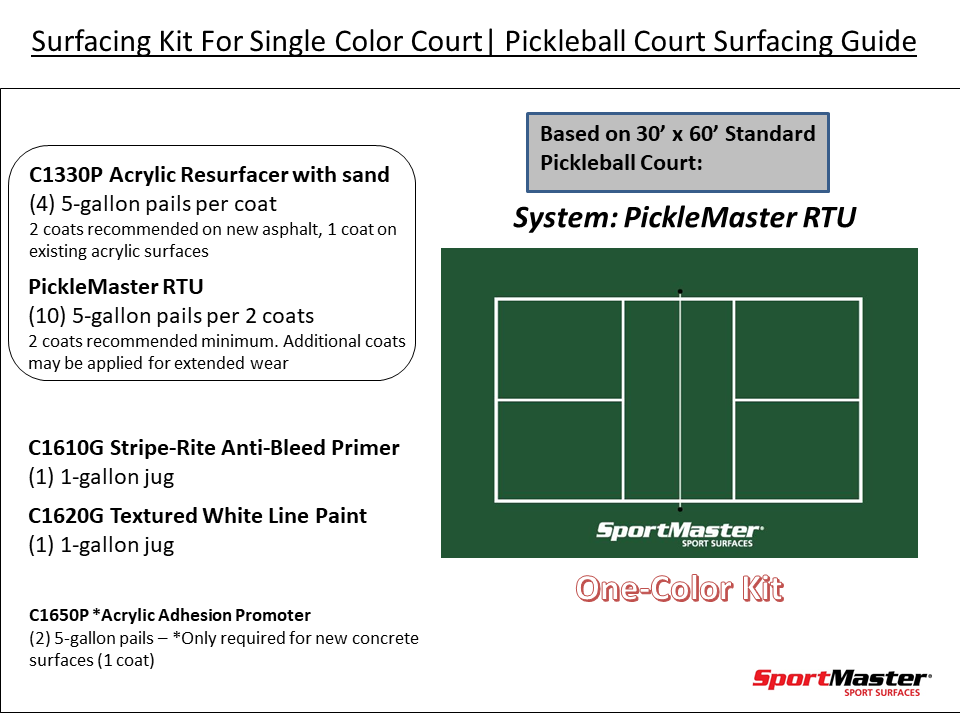
Credit: localtenniscourtresurfacing.com
Preparation Work
Before painting a pickleball court, preparation work is essential. Proper preparation ensures a smooth, durable finish. This step involves cleaning, making repairs, and priming the surface. Let’s break down each task.
Surface Cleaning
Cleaning the court is the first step. Remove any dirt, debris, and stains. Use a pressure washer for thorough cleaning. Ensure the surface is completely dry before moving to the next step. A clean surface helps the paint adhere better.
Repairs Needed
Inspect the court for any damage. Cracks, holes, and uneven areas must be fixed. Use appropriate fillers and patching compounds. Allow repairs to dry completely. Smooth out any rough patches using sandpaper.
Priming The Court
Priming the court creates a base for the paint. It helps the paint to stick better and last longer. Use a high-quality primer suitable for outdoor surfaces. Apply the primer evenly and let it dry. A well-primed court ensures a professional finish.
Painting Process
Painting a pickleball court is a detailed task. Each step is crucial to ensure the surface is even and durable. Below is a guide to help you understand the process better. Following these steps will help you get a professional finish.
Step-by-step Guide
- Surface Preparation: Clean the court to remove dirt and debris.
- Priming: Apply a primer coat to ensure paint adhesion.
- Boundary Markings: Use tape to mark the court boundaries.
- First Coat: Apply the first coat of paint with a roller or sprayer.
- Inspection: Check for any missed spots or uneven areas.
- Second Coat: Apply the second coat for better coverage and durability.
- Final Touches: Remove tape and touch up any areas as needed.
Drying Time
Drying time is critical for a good finish. Each coat needs adequate time to dry. Typically, the drying time for each coat is:
- Primer: 2-4 hours
- First Coat: 4-6 hours
- Second Coat: 4-6 hours
Ensure the court is dry before applying the next coat. Avoid painting in humid conditions. This can extend the drying time.
Number Of Coats
The number of coats depends on the type of paint and the court surface. Usually, two coats are sufficient for a smooth and durable finish. In some cases, a third coat may be needed for better coverage. Here is a brief table to illustrate:
| Surface Type | Number of Coats |
|---|---|
| Concrete | 2-3 coats |
| Asphalt | 2 coats |
Always follow the manufacturer’s instructions for the best results. Proper application ensures the longevity of the paint.
Maintenance Costs
Maintaining a pickleball court is crucial for longevity and playability. Understanding the maintenance costs helps in budgeting and preserving the court’s quality. Let’s explore the various aspects of maintaining a pickleball court.
Regular Upkeep
Regular maintenance helps in keeping the court in optimal condition. Sweeping the court daily removes dirt and debris. This ensures a clean and smooth surface.
Monthly inspections are also important. These identify any cracks or damage early. Addressing small issues promptly prevents bigger problems. The cost for regular upkeep is relatively low, but essential for long-term durability.
Repainting Frequency
Repainting is a significant part of court maintenance. The frequency of repainting depends on usage and weather conditions. On average, a court needs repainting every 2-3 years.
Repainting costs vary based on court size and paint quality. A standard pickleball court repainting can range from $3,500 to $5,000. This includes labor, materials, and any necessary repairs before painting.
Long-term Savings
Investing in regular maintenance leads to long-term savings. Proper upkeep reduces the need for frequent expensive repairs. This extends the court’s life, saving money over time.
Consider creating a maintenance schedule to track tasks and costs. This proactive approach ensures consistent care and maximizes the court’s lifespan.
| Maintenance Task | Frequency | Estimated Cost |
|---|---|---|
| Sweeping and Cleaning | Daily | $0 (DIY) – $50/month (hiring) |
| Monthly Inspection | Monthly | $100 – $200/year |
| Repainting | Every 2-3 years | $3,500 – $5,000 |
Budget-friendly Tips
Painting a pickleball court can cost between $3,500 and $5,000. Save money by doing prep work yourself. Consider using durable, affordable materials for a long-lasting finish.
Painting a pickleball court doesn’t have to break the bank. With a few smart strategies, you can save money and still get a great result. Below are some budget-friendly tips to help you manage costs effectively.Buying In Bulk
Buying paint and other materials in bulk can save you money. Many suppliers offer discounts for larger quantities. This is especially true for paint, where larger cans often cost less per gallon. If you need other supplies like rollers and brushes, consider buying in sets. The savings can add up quickly.Seasonal Discounts
Paint stores and suppliers often have seasonal sales. These discounts usually occur during off-peak times. For example, late fall or early winter. Check with local stores for upcoming sales events. Timing your purchase can lead to significant savings.Local Suppliers
Local suppliers can offer better deals compared to big chains. They may also provide personalized service and advice. Visit local hardware stores or paint shops. Sometimes, smaller businesses can offer discounts or match prices. Shopping locally can also support your community. “`
Credit: homeguide.com
Additional Considerations
When estimating the cost to paint a pickleball court, several additional factors can influence the final price. These considerations go beyond the basic materials and labor. They ensure the court remains functional and visually appealing over time.
Court Markings
Court markings are crucial for a pickleball court. The lines must be precise and durable. High-quality paint designed for sports courts can cost more. Accurate measurements and proper application are essential. Mistakes can lead to repainting, increasing costs.
Weather Conditions
Weather conditions can impact the painting process. Ideal conditions include dry weather with mild temperatures. Wet or extreme conditions can delay the project. This can increase labor costs as workers wait for better weather. Scheduling the project during the right season can save money.
Warranty And Guarantees
Some contractors offer warranties and guarantees on their work. These can provide peace of mind. It ensures the court will remain in good condition for years. Warranties can vary, so it’s important to understand the terms. Choosing a contractor with a strong warranty might cost more upfront. But it can save money on future repairs.
Credit: picklersmag.com
Frequently Asked Questions
How Much Does It Cost To Paint A Pickleball Court?
The cost to paint a pickleball court ranges from $300 to $800. Factors include court size, paint quality, and labor costs.
What Materials Are Needed To Paint A Pickleball Court?
You need acrylic paint, masking tape, rollers, and a measuring tape. High-quality materials ensure better durability and finish.
How Long Does It Take To Paint A Pickleball Court?
It typically takes 1 to 2 days to paint a pickleball court. This includes drying time between coats.
Can I Paint A Pickleball Court Myself?
Yes, you can paint it yourself with proper preparation and materials. However, hiring professionals ensures a high-quality finish.
Conclusion
Painting a pickleball court involves various costs. Factors include size, materials, and labor. DIY projects can save money but require time and effort. Hiring professionals ensures quality but increases expenses. Compare quotes and read reviews before deciding. Consider long-term maintenance for budgeting.
A well-painted court enhances the playing experience. Plan carefully to balance quality and costs. Enjoy your new pickleball court!