Health Disclaimer For Volleyball Players: Crucial Safety Guidelines

Volleyball is a fun and energetic sport. But, staying safe is crucial.
For volleyball players, health disclaimers play a vital role. They offer essential information and warnings to prevent injuries. Understanding these disclaimers helps players make informed decisions on the court. Playing volleyball involves intense physical activity. Jumping, diving, and quick movements are common.
These actions can lead to injuries if not performed correctly. Health disclaimers guide players on safe practices. They highlight potential risks and offer tips for injury prevention. Knowing these guidelines ensures a safer playing experience. It also helps players maintain their health and enjoy the sport longer. So, let’s dive into why understanding health disclaimers is essential for every volleyball player.
Importance Of Health Disclaimers
Hey friends, today we’re talking about something really important – health disclaimers for volleyball players. If you play volleyball, or know someone who does, this is for you. Health disclaimers might seem boring, but trust me, they matter a lot. Let’s dive into why they’re so essential.
Protecting Players
First up, health disclaimers protect players. Imagine you’re playing a game, and you get injured. Scary, right? A health disclaimer helps by making sure everyone knows the risks. It’s like a safety net. You understand what could go wrong and how to handle it. This means fewer surprises and more safe play.
Here’s what a health disclaimer can do for you:
- Inform players about potential injuries
- Explain how to prevent accidents
- Prepare you for emergency situations
So, it’s not just about warnings. It’s about being ready and staying safe. Think of it as a guide that keeps you protected.
Legal Considerations
Now, let’s talk about the law. Yes, it’s a bit less exciting, but super important. Health disclaimers are like a shield for coaches and clubs. They help to avoid legal trouble if something goes wrong.
Consider this example: A player gets hurt during a game. Without a health disclaimer, the player might sue the coach or the club. But with a health disclaimer, everyone knows the risks. The club can show they informed the players about possible injuries. This can prevent legal battles and save a lot of headaches.
Here’s why legal considerations matter:
- Reduces the risk of lawsuits
- Protects coaches and clubs
- Ensures everyone understands the risks
In short, health disclaimers are a win-win. They keep players safe and protect the people running the show.
So, there you have it. Health disclaimers are crucial for volleyball players. They protect you on the court and keep things smooth off the court. Next time you see one, take a moment to read it. It’s there to help you. Stay safe and enjoy your game!

Credit: www.travis.af.mil
Common Volleyball Injuries
Hey volleyball enthusiasts, it’s important to know about the common injuries that can happen during the game. Knowing what to look out for can help you stay safe and enjoy the sport. Let’s dive into some of the usual injuries volleyball players face.
Sprains And Strains
Sprains and strains are very common in volleyball. They happen when your muscles or ligaments get stretched or torn. This can happen when you land wrong after a jump, or twist your ankle while moving quickly. It’s painful and can keep you off the court for a while.
Some signs of sprains and strains include:
- Swelling
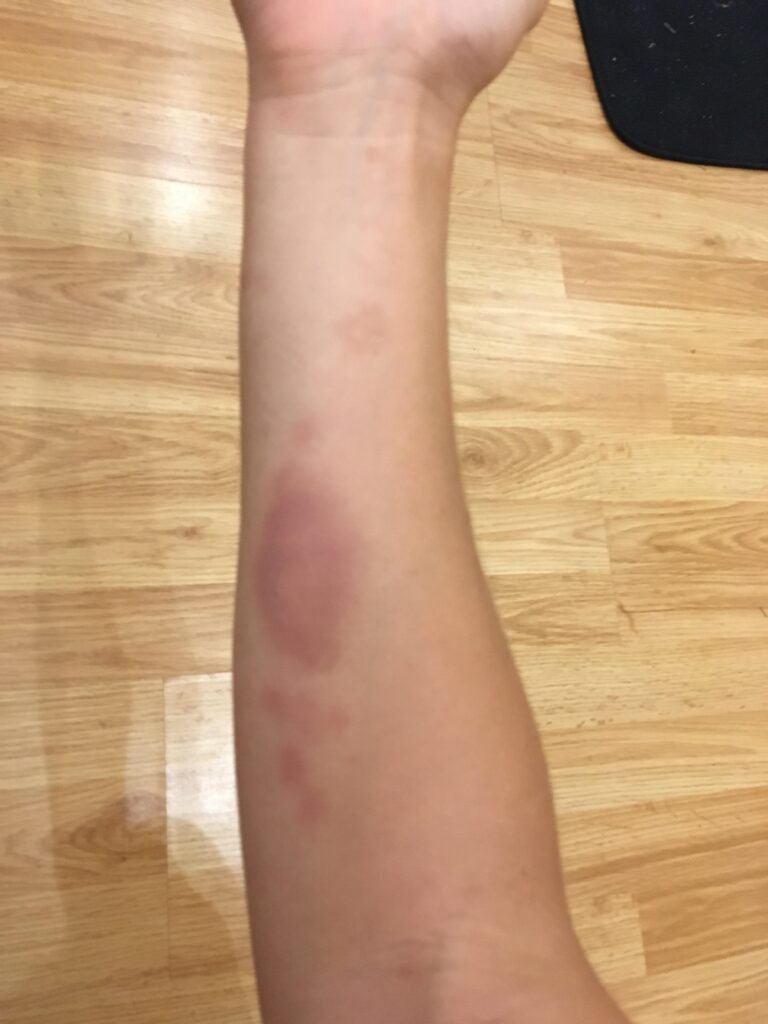
- Bruising
- Pain
- Difficulty moving the injured part
To avoid these injuries, always warm up before playing and wear proper footwear. And if you do get hurt, rest and ice the injured area.
Shoulder Injuries
Shoulder injuries are also common among volleyball players. These can occur from repetitive movements like serving or spiking. Over time, these motions can cause wear and tear on the shoulder muscles and joints.
Some common shoulder injuries include:
- Rotator cuff tears
- Tendinitis
- Dislocations
Signs of shoulder injuries might be:
- Pain when lifting the arm
- Weakness in the shoulder
- Limited range of motion
To prevent shoulder injuries, it’s crucial to strengthen your shoulder muscles with exercises. And remember, don’t overdo it. Give your body time to rest and recover.
In conclusion, understanding these common injuries can help you stay healthy and on top of your game. Remember to take care of your body, and listen to it when it needs rest.
Pre-game Safety Measures
Hey volleyball lovers! Before you dive into an intense match, it’s important to take some safety measures. These steps can help you avoid injuries and keep you playing at your best. In this section, we will talk about two key pre-game safety measures: Warm-Up Exercises and Stretching Routines. Let’s get started!
Warm-up Exercises
Warming up before a volleyball game is crucial. It prepares your muscles and joints for the physical activity ahead. Think of it as waking up your body. Here are some simple yet effective warm-up exercises:
- Jogging: Start with a light jog around the court for 5-10 minutes. This gets your blood flowing and muscles warm.
- Arm Circles: Extend your arms out to the sides and make small circles. Gradually increase the size of the circles. Do this for about 1-2 minutes.
- Jumping Jacks: Perform jumping jacks for 1-2 minutes. This helps in increasing your heart rate and loosening up your body.
- Leg Swings: Hold onto a stable surface and swing one leg forward and backward, then side to side. Repeat with the other leg. This helps in loosening your hip muscles.
These exercises are quick and easy. They can make a big difference in your performance and injury prevention.
Stretching Routines
Stretching is another key component of pre-game preparation. It helps in improving flexibility and reducing the risk of muscle strains. Here are some simple stretching routines:
- Hamstring Stretch: Sit on the ground with one leg extended and the other bent. Reach towards your toes of the extended leg. Hold for 20-30 seconds, then switch legs.
- Quad Stretch: Stand on one leg, pull the other foot towards your buttocks. Hold your ankle with your hand. Maintain this stretch for 20-30 seconds, then switch legs.
- Shoulder Stretch: Extend one arm across your body. Use the opposite arm to press it closer to your chest. Hold for 20-30 seconds, then switch arms.
- Calf Stretch: Stand facing a wall, place your hands on the wall. Step one foot back, keeping it straight and the heel on the ground. Lean into the wall to feel the stretch in your calf. Hold for 20-30 seconds, then switch legs.
Doing these stretches can help you stay flexible and prevent injuries. Remember, a little time spent on stretching can save you from a lot of pain later.
By incorporating warm-up exercises and stretching routines into your pre-game ritual, you’re setting yourself up for success. Stay safe, and enjoy the game!
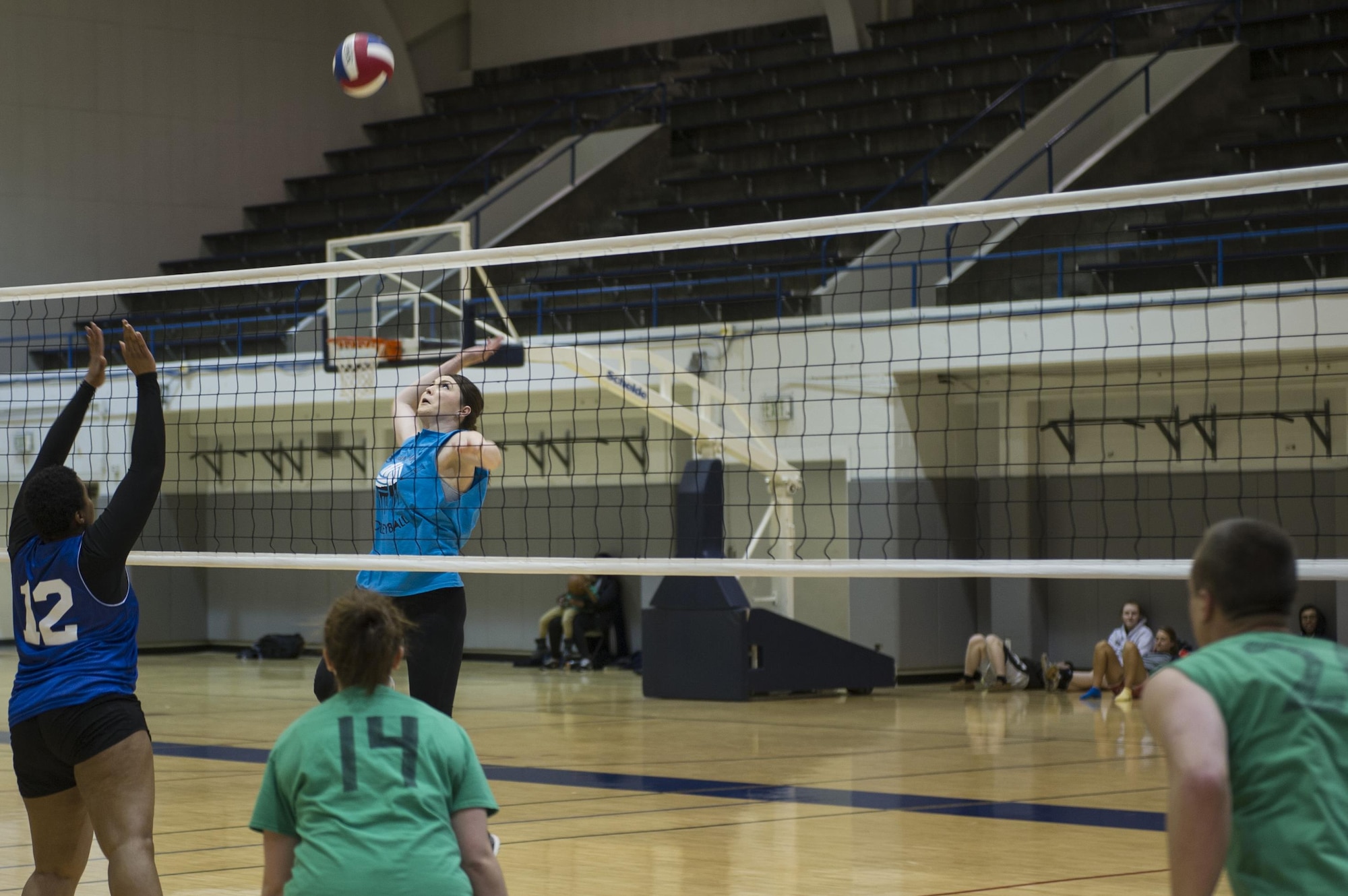
Credit: www.eielson.af.mil
Equipment Safety
Ensuring equipment safety is vital for volleyball players. Proper equipment reduces the risk of injuries. It enhances performance on the court. This section covers the essential gear that every volleyball player should use.
Proper Footwear
Wearing proper footwear is crucial. Volleyball shoes provide the right support and grip. They prevent slips and falls on the court. Choose shoes designed specifically for volleyball. They have non-marking soles and extra cushioning. This helps in absorbing impact during jumps and landings.
Protective Gear
Protective gear is essential in volleyball. Knee pads are a must-have. They protect the knees during dives and falls. Ankle braces offer additional support. They reduce the risk of sprains and injuries. Some players use elbow pads for extra protection. Always check your gear before playing. Ensure everything fits properly and is in good condition.
On-court Conduct
Playing volleyball is fun, but it’s also a sport that requires attention to safety. How you behave on the court matters. It keeps everyone safe and makes the game enjoyable. Let’s talk about some key points for safe on-court conduct.
Safe Techniques
Using the right techniques can prevent injuries. I remember when I first started playing volleyball, I hurt my wrist because I didn’t know the proper way to hit the ball. Here’s how you can avoid such mistakes:
- Warm-up: Always warm up before playing. Simple stretches can save you from a lot of pain.
- Proper Form: Learn the correct way to serve, spike, and block. Your coach can help with this. Poor form can lead to injuries.
- Footwear: Wear proper volleyball shoes. They provide the right support and reduce the risk of slipping.
Remember, safe techniques are not just about you. They protect your teammates too.
Communication
Good communication on the court is key. When I play, I always call out if I’m going for the ball. This way, my teammates know my move and avoid collisions. Here are some simple tips:
- Call the Ball: Use phrases like “Mine” or “Got it” when you go for the ball. It avoids confusion.
- Listen: Pay attention to what others are saying. If someone calls for the ball, back off and let them take it.
- Encourage: Cheer for your teammates. Positive words can boost their confidence and keep spirits high.
Effective communication makes the game smoother and safer for everyone. Plus, it builds team spirit.
In conclusion, on-court conduct is crucial for volleyball players. By using safe techniques and communicating well, you can enjoy the game and avoid injuries. Happy playing!
Post-game Recovery
Post-game recovery is crucial for volleyball players. It helps reduce muscle soreness and prevents injuries. Proper recovery ensures you’re ready for the next match. Here are some essential tips for post-game recovery.
Cool-down Exercises
Start with light jogging to lower your heart rate. Follow up with static stretches. Focus on your legs, arms, and shoulders. Hold each stretch for 20-30 seconds. This helps relax your muscles. Don’t skip the cool-down phase. It aids in quicker recovery.
Hydration And Nutrition
Drink plenty of water after your game. Staying hydrated is key. Water helps flush out toxins. Eat a balanced meal within two hours. Include proteins and carbohydrates. Protein helps repair muscles. Carbs restore your energy levels. Avoid junk food and sugary drinks. They can slow down your recovery process.
Monitoring Health
Volleyball is an exciting and dynamic sport. Like all sports, it requires players to pay attention to their health. Monitoring health is crucial. It ensures players stay fit and avoid injuries. This section will guide you on recognizing symptoms and the importance of regular check-ups.
Recognizing Symptoms
Players should always listen to their bodies. Recognize signs of fatigue or pain. These could be early warnings of potential injuries. Common symptoms include persistent muscle pain, joint discomfort, or unusual tiredness. Ignoring these signs can lead to severe issues.
Stay alert to any changes in your physical condition. This includes sudden weakness, dizziness, or shortness of breath. Such symptoms might signal more serious health problems. Early detection can prevent long-term damage.
Regular Check-ups
Regular medical check-ups are essential for volleyball players. They help in early identification of health issues. A doctor can assess your physical condition and provide advice. This ensures you are in the best shape to play.
Check-ups should include physical exams and consultations. They help in tracking any changes in your health. Regular visits to a healthcare professional can keep you informed and healthy.
Stay proactive about your health. Regular monitoring and early action can keep you on the court and performing at your best.
Creating A Safety Plan
Creating a safety plan is crucial for volleyball players. Safety plans help prevent injuries and ensure quick responses during emergencies. This section will guide you through essential steps to create an effective safety plan for your team.
Emergency Procedures
Establish clear emergency procedures for all players and staff. Ensure everyone knows the nearest exit routes. Identify safe locations for shelter during severe weather. Assign roles to team members for different emergency scenarios. Practice these procedures regularly to ensure everyone is prepared. Quick and organized responses can prevent further injuries.
First Aid Knowledge
Ensure all players and coaches have basic first aid knowledge. This includes knowing how to treat minor injuries like cuts and bruises. Recognize signs of serious conditions, such as concussions and fractures. Keep a well-stocked first aid kit available at all times. Regularly check and replenish the supplies in the kit. Encourage players to take a first aid course to be better prepared.

Credit: news.emory.edu
Frequently Asked Questions
How Does Volleyball Affect Your Physical Health?
Volleyball improves cardiovascular health, strengthens muscles, and enhances coordination. It boosts endurance, agility, and overall physical fitness.
How To Stay Healthy In Volleyball?
Stay healthy in volleyball by warming up properly, staying hydrated, practicing good technique, wearing appropriate gear, and resting adequately.
What Are The Hazards Of Volleyball?
Volleyball hazards include sprains, strains, and fractures. Players often face shoulder, knee, and ankle injuries. Diving and jumping increase these risks. Proper training and safety gear can help prevent injuries.
Why Is Volleyball The Safest Sport?
Volleyball is the safest sport due to minimal physical contact and a controlled playing environment. Players avoid injuries with proper techniques. The padded surface also reduces impact.
Conclusion
Ensuring your health while playing volleyball is crucial. Take regular breaks. Hydrate well. Listen to your body. If you feel pain, stop and rest. Consult a doctor for any injury. Warm up before games. Stretch after playing. These steps help prevent injuries.
Stay safe and enjoy the sport. Your health matters most.