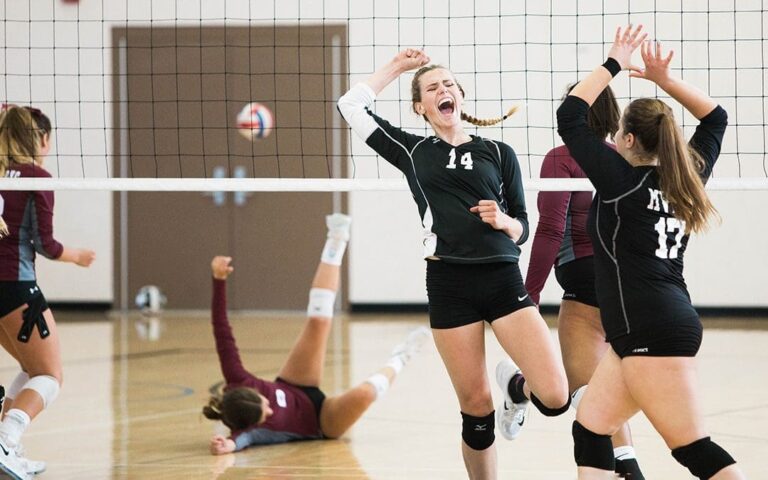
How To Avoid Getting Volleyball Bruises: Proven Tips and Tricks

Avoiding bruises in volleyball is essential. It helps you enjoy the game more.
Volleyball is a thrilling sport, but it can be tough on the body. Players often find themselves with bruises from diving, blocking, or even just receiving the ball. This can be frustrating and painful. But don’t worry, there are ways to reduce and even prevent these injuries.
In this blog post, we’ll explore practical tips to help you avoid those common volleyball bruises. Whether you’re a beginner or an experienced player, these strategies will keep you on the court and off the sidelines. Stay with us to learn how to protect your body while enjoying the game you love.

Credit: www.reddit.com
Choosing The Right Gear
Choosing the right gear for volleyball can significantly reduce the risk of bruises. Whether you are playing recreationally or competitively, proper equipment can make a big difference in your safety and performance.
Protective Equipment
Wearing knee pads helps protect your knees during dives and falls. They cushion impacts and reduce the chances of bruising. Elbow pads are also beneficial. They provide extra protection for your elbows. Arm sleeves can prevent forearm bruises. They offer a layer of padding while you pass and dig the ball.
Proper Footwear
Invest in good volleyball shoes. They provide support and stability. Look for shoes with good ankle support. This reduces the risk of sprains. Choose shoes with non-slip soles. They help you maintain traction on the court. Proper footwear can prevent foot and ankle bruises.
Wearing Protective Clothing
Volleyball is a fun and active sport, but it can also lead to bruises and injuries. Wearing protective clothing can help prevent these issues. Proper gear can make a big difference. Let’s look at some essential protective items you should consider.
Knee Pads
Knee pads are essential for volleyball players. They protect your knees from hard impacts. When you dive for the ball, your knees often hit the ground. Without knee pads, this can cause painful bruises. Choose knee pads with good cushioning. They should fit snugly but not too tight. Look for pads made from durable material. This ensures they last longer and provide better protection.
Elbow Pads
Elbow pads are another important piece of gear. They help shield your elbows from impacts. When you fall or dive, your elbows can take a lot of stress. Wearing elbow pads reduces the risk of bruises. They also help prevent scrapes and cuts. Pick elbow pads that are comfortable to wear. They should allow for easy movement. Good elbow pads will not slip off during play.
Using Correct Techniques
Volleyball is an exciting sport, but it can lead to bruises if not played correctly. Using correct techniques is crucial to avoid injuries and play safely. Proper techniques not only enhance your performance but also protect your body.
Proper Serving
Proper serving technique is essential to avoid bruises. Keep your hand flat and firm. Use your whole body to generate power. A loose hand increases the risk of stinging and bruises. Focus on accuracy rather than force. A controlled serve is more effective and safer.
Defensive Stance
Adopting a good defensive stance can prevent many injuries. Bend your knees slightly. Keep your weight on the balls of your feet. This position allows quick movements. It also helps absorb impacts safely. Always keep your hands ready to react. Proper hand positioning can prevent painful hits.
Strengthening Muscles
Strengthening muscles is vital to prevent volleyball bruises. Building stronger muscles helps absorb impacts better. It also provides better support to your body during the game. This section will focus on core exercises and leg workouts. These exercises will help you build the strength you need.
Core Exercises
A strong core stabilizes your body. It reduces the chance of injury. Start with planks. Hold a plank position for 30 seconds. Increase the time as you get stronger. Another good exercise is the bicycle crunch. Lie on your back and bring your knees to your chest. Extend one leg while bringing the opposite elbow to the opposite knee. Repeat on the other side.
Try doing Russian twists. Sit on the floor with your knees bent. Lean back slightly and twist your torso from side to side. Use a weight for added resistance. These exercises will help improve your core strength. This makes you more stable during the game.
Leg Workouts
Strong legs are essential for volleyball. They help you jump and move quickly. Squats are a great exercise for leg strength. Stand with your feet shoulder-width apart. Lower your body as if sitting in a chair. Keep your back straight. Return to the starting position.
Lunges also help. Step forward with one leg. Lower your hips until both knees are at 90 degrees. Push back to the starting position. Repeat with the other leg. Calf raises are simple but effective. Stand on your toes and then lower your heels. Repeat this for several reps.
These leg workouts will build strength and endurance. Strong legs help you withstand impacts better. They also improve your performance on the court.
Stretching Before Games
Volleyball is an exhilarating sport, but it can be tough on the body. One common issue players face is bruising. These bruises often come from diving, blocking, and even just the quick movements required during a game. But there’s good news! Proper stretching before games can significantly reduce the risk of bruises and other injuries. Let’s dive into the types of stretches you should incorporate into your pre-game routine.
Dynamic Stretches
Dynamic stretches are essential for preparing your muscles and joints for the intensity of a volleyball game. These stretches involve moving parts of your body and gradually increasing reach, speed of movement, or both. Here are some effective dynamic stretches:
- Arm Circles: Extend your arms out to the sides and make small circles, gradually making them bigger. This helps warm up your shoulder muscles.
- Leg Swings: Stand on one leg and swing the other leg forward and backward, then side to side. This loosens up your hips and hamstrings.
- Walking Lunges: Step forward into a lunge, keeping your back straight, then push off and repeat with the other leg. This stretch targets your thighs and glutes.
- High Knees: Jog in place while lifting your knees as high as possible. This gets your heart rate up and warms up your lower body muscles.
Static Stretches
Static stretches are performed without moving and are best done after dynamic stretches. They help increase flexibility and reduce muscle tension. Hold each stretch for at least 20-30 seconds. Here are some beneficial static stretches:
- Quad Stretch: Stand on one leg, pull your other foot towards your buttocks, and hold. This stretches your quadriceps.
- Hamstring Stretch: Sit on the ground with one leg extended and the other bent. Reach towards your toes on the extended leg. This targets your hamstrings.
- Shoulder Stretch: Bring one arm across your body and use the other arm to pull it closer to your chest. This stretches your shoulder muscles.
- Calf Stretch: Place your hands against a wall, step back with one foot, and keep it straight while bending the front knee. This stretch focuses on your calf muscles.
Incorporating both dynamic and static stretches into your warm-up routine can make a significant difference. Not only will it help you avoid those pesky volleyball bruises, but it will also enhance your overall performance on the court. Remember, consistency is key. Make stretching a regular part of your pre-game ritual and watch your game—and your body—improve.

Credit: www.reddit.com
Maintaining Hydration
Staying hydrated is essential for every athlete, and volleyball players are no exception. Proper hydration can help you perform better and avoid injuries like bruises. Whether you are preparing for a game or already in the middle of one, keeping your body hydrated is crucial. Let’s dive into the importance of hydration and how you can maintain it efficiently.
Pre-game Hydration
Before you even step onto the volleyball court, hydration should be on your mind. Think of it as fueling up your car before a long drive. You wouldn’t want to run out of gas halfway, right? Here are some tips to ensure you’re well-hydrated before the game:
- Start early: Begin drinking water at least 24 hours before the game. This gives your body enough time to absorb the fluids.
- Avoid caffeine and alcohol: These drinks can dehydrate you. Stick to water and sports drinks.
- Monitor your urine color: Light yellow means you are well-hydrated. Dark yellow? Time to drink more water.
During-game Hydration
Now that you’re on the court, the last thing you want is to feel sluggish or dizzy. Keeping hydrated during the game can help you stay on top of your game. Here’s how you can do it:
- Take small sips frequently: Instead of gulping down a lot of water at once, take small sips throughout the game.
- Use sports drinks: They can replenish electrolytes lost through sweat.
- Keep a water bottle handy: Place it where you can reach it easily during breaks.
In conclusion, maintaining hydration is not just about drinking water. It’s about timing, consistency, and choosing the right fluids. By staying hydrated, you can perform better and avoid those nasty bruises. Remember, your body is like a well-oiled machine – keep it running smoothly with proper hydration.
Taking Regular Breaks
Taking regular breaks while playing volleyball can help prevent bruises. These breaks allow your body to recover and reduce the risk of injury. Overexertion can lead to muscle fatigue and more bruises. Let’s explore some simple strategies for taking breaks effectively.
Short Rests
Short rests between plays can keep you fresh. These brief pauses allow your muscles to relax. Aim for short rests after every intense rally. This strategy helps maintain your energy levels. Quick breaks can prevent overuse injuries. Stay hydrated during these rests to keep your body functioning well.
Listening To Your Body
Your body sends signals when it needs a break. Feeling tired or sore? It’s time to rest. Ignoring these signs can lead to bruises and other injuries. Pay attention to any pain or discomfort. Taking a break then can prevent further damage. Learn to recognize your body’s limits. This awareness helps you play volleyball safely and enjoyably.
Applying Ice Packs
Volleyball bruises are common, but applying ice packs can help. Ice can reduce pain and swelling. It’s a simple remedy that many athletes use. Learn the best way to use ice packs for volleyball bruises below.
Post-game Treatment
After a game, your body needs care. Apply an ice pack to bruised areas right away. This reduces the impact of bruises. Keep the ice pack on for 15-20 minutes. Repeat this every few hours during the first day.
Use a cloth to wrap the ice pack. This prevents direct contact with the skin. Direct contact can cause frostbite. Always check the skin for any signs of irritation. If irritation occurs, stop using the ice pack.
Reducing Swelling
Swelling is a common result of bruises. Ice packs are effective in reducing swelling. Apply the ice pack gently. Do not press too hard on the bruise. This can worsen the injury.
Elevate the bruised area while icing. Elevation helps reduce blood flow to the area. This decreases swelling. Ice the area for 15-20 minutes. Allow the skin to warm up before reapplying ice.
Consistent icing can help. Repeat the process several times a day. Reducing swelling can speed up healing. Your body will thank you.

Credit: www.reddit.com
Frequently Asked Questions
How To Avoid Bruising When Playing Volleyball?
Wear protective gear, such as knee pads and elbow sleeves. Warm up properly before playing. Use proper techniques for hitting and diving. Stay hydrated and maintain a balanced diet to strengthen muscles. Take breaks to avoid overuse injuries.
How To Prevent A Bruise From Forming?
Apply a cold compress immediately to the area. Elevate the injured part. Avoid strenuous activities. Take over-the-counter pain relievers. Use arnica gel or cream.
Are Bruises Common In Volleyball?
Yes, bruises are common in volleyball. Players often dive, collide, and hit the floor, leading to minor injuries. Proper technique and protective gear can help reduce the risk.
How Long Does It Take For Volleyball Bruises To Go Away?
Volleyball bruises usually heal within one to two weeks. Rest, ice, and elevation can speed up recovery. Consult a doctor if the bruise doesn’t improve.
Conclusion
Protecting yourself from volleyball bruises is essential. Wear proper gear, like knee pads. Warm up before playing. Practice correct techniques. Stay aware of your surroundings. Communicate with your team. Take breaks to rest. Listen to your body. If bruises occur, treat them promptly.
Apply ice and elevate the area. Seek medical advice if needed. By following these tips, you can enjoy volleyball while minimizing bruises. Stay safe and play smart. Your body will thank you.