Do Golf Drivers Wear Out Over Time: Signs to Watch For 2026

Have you ever wondered if your golf driver loses its edge over time? Maybe you’ve noticed your shots aren’t flying as far or as straight as they used to.
You’re not alone. Many golfers ask, “Do golf drivers wear out over time? ” Understanding how your driver’s performance changes can make a huge difference in your game. You’ll discover the key signs that your driver might be past its prime, what factors affect its lifespan, and when it’s truly time to upgrade.
Keep reading, because knowing this could be the secret to hitting longer, straighter drives and lowering your scores.
Driver Lifespan Factors
Golf drivers do wear out over time, but several factors affect how long they last. Understanding these factors helps golfers know when to replace their drivers. Some drivers last longer due to how often they are used and how well they are cared for. Others may wear out faster because of strong swings or old technology. Below are key elements that influence a driver’s lifespan.
Frequency Of Play
Playing golf frequently puts more stress on a driver. Each hit causes small wear and tear on the clubface. Golfers who practice daily or play many rounds will see their driver wear faster. Range use also adds to the wear, especially with repeated hard hits. Less frequent use means the driver stays in better shape longer.
Swing Speed Impact
Higher swing speeds create more force on the driver. Faster swings can cause the club to wear out quicker. The driver’s face and shaft absorb this impact. Slow to moderate swingers usually experience longer driver life. Powerful swings may lead to cracks or reduced performance over time.
Care And Maintenance
Taking care of a driver extends its lifespan significantly. Cleaning the clubface removes dirt that can cause damage. Storing the driver in a dry place prevents rust and corrosion. Avoid dropping or hitting hard surfaces to protect the shaft and head. Regular checks for damage help catch problems early.
Role Of Technology
Advances in golf technology affect driver durability. New materials can resist wear better than older designs. Modern drivers often use stronger alloys and carbon composites. Some older drivers may lose their “pop” or spring effect faster. Upgrading to newer technology can improve both performance and lifespan.
Signs To Replace Your Driver
Golf drivers do wear out over time, but the change is often slow. Knowing when to replace your driver can help maintain your performance. Certain signs indicate the club is no longer at its best. These signs affect your distance, accuracy, and overall feel. Pay attention to these clues to decide if a new driver is due.
Loss Of Distance And Accuracy
Your driver should give consistent distance and direction. If you notice shorter drives or shots going off target, this is a key sign. Worn-out clubfaces lose their ability to transfer energy well. This reduces ball speed and control. When distance and accuracy drop, it’s time to check your driver.
Visible Damage
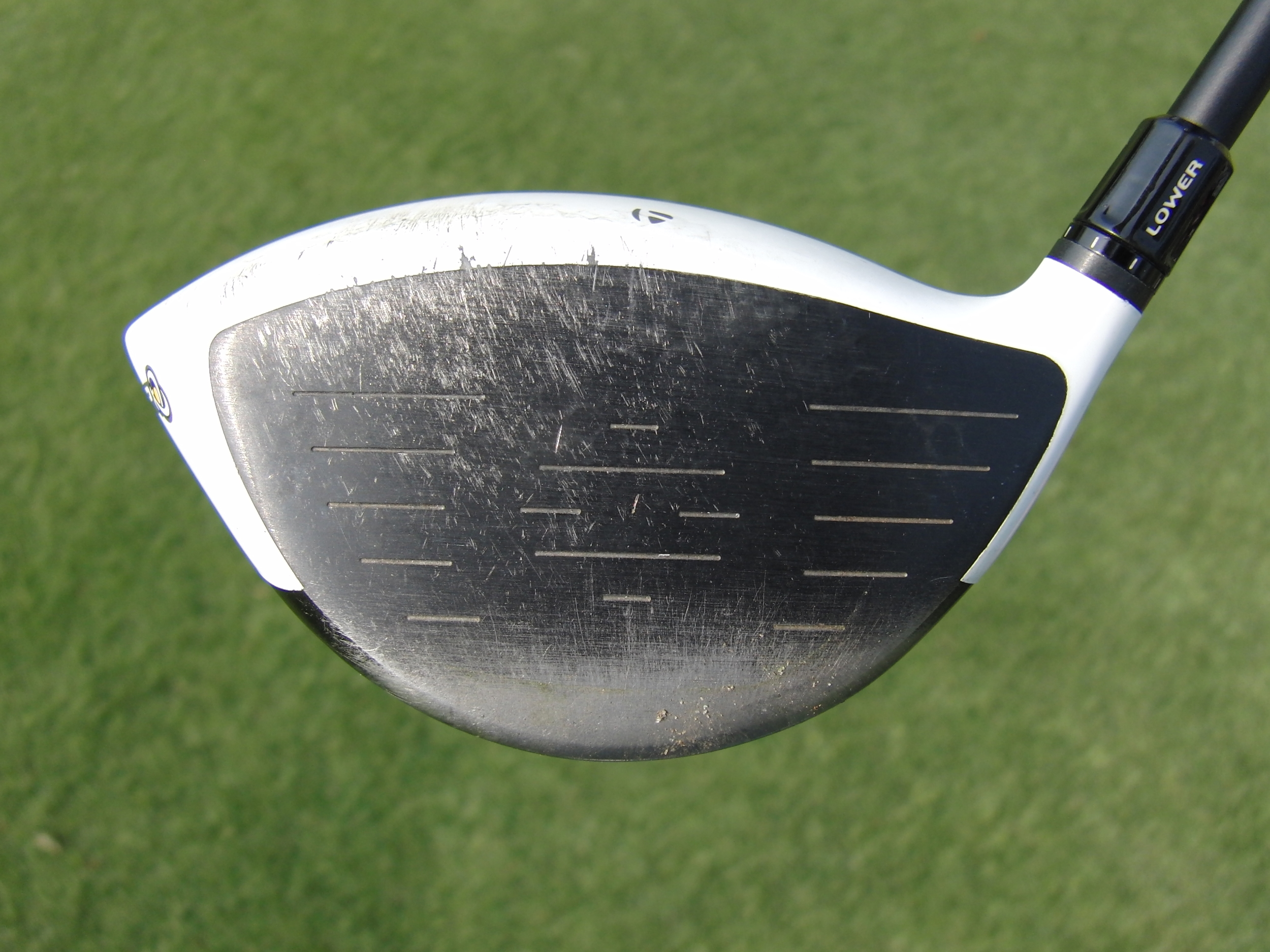
Look closely at the driver’s head and shaft. Cracks, deep scratches, or dents weaken the club’s structure. Damage on the clubface can change how the ball reacts. Even small cracks can grow worse over time. Visible damage means the driver may not perform safely or well anymore.
Dead Clubface Feeling
The clubface should feel lively and springy on impact. A “dead” feeling means the face has lost its bounce effect. Shots may feel dull or flat, with less pop. This happens after many hits wear down the face material. A dead clubface often causes poor distance and less satisfying strikes.
Shaft Problems
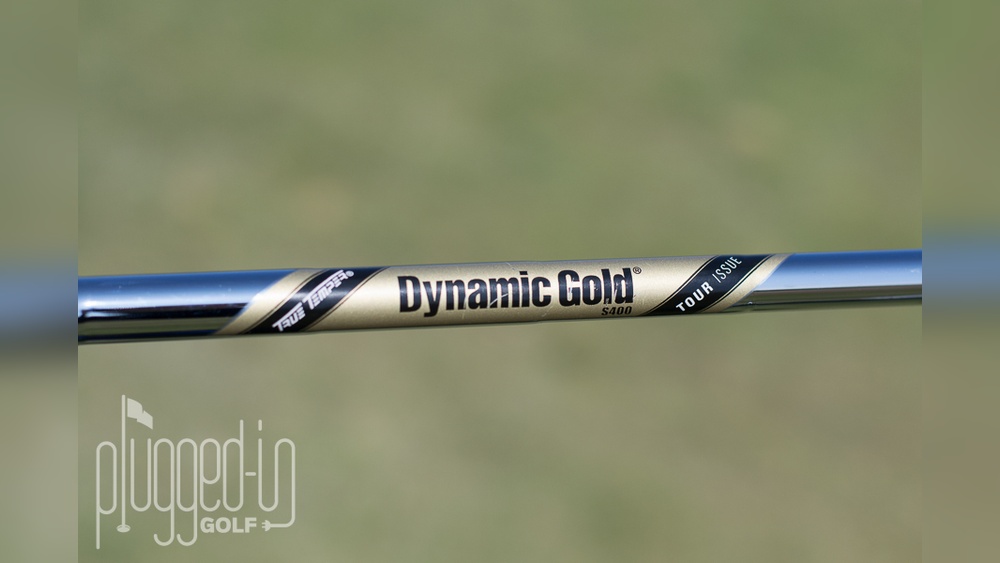
The shaft plays a big role in your swing and control. Notice if the shaft feels softer or stiffer than before. Cracks or bends in the shaft reduce stability and power. Sometimes the grip loosens or the shaft twists during swings. Shaft issues can cause inconsistent shots and need prompt attention.
Typical Driver Lifespan
Golf drivers do wear out over time. Their lifespan depends on how often and hard you play. A driver can last several years if treated well. The clubface and shaft lose performance with use. Knowing your timeline helps plan for replacement.
Most drivers maintain good performance for a long time. The type of player affects how quickly the driver wears down. Below are typical timelines based on player style and swing speed.
Casual Golfer Timeline
Casual golfers play less than twice a month. Their drivers can last 5 to 7 years. Light use means fewer impacts on the clubface. Careful storage keeps the driver in good shape. Little wear means no rush to buy a new one.
Avid Player Timeline
Avid players hit the course weekly or more. Their drivers show signs of wear after 3 to 5 years. Frequent swings cause the clubface to lose some spring. Shaft flexibility can change slightly with use. Proper cleaning helps maintain performance longer.
High Swing Speed Timeline
Players with high swing speeds stress their drivers the most. These drivers last about 2 to 3 years before feeling worn. The clubface may develop small cracks or lose pop. Shafts can weaken or become less stable. Replacing drivers regularly keeps shots consistent.

Credit: www.youtube.com
Performance Decline Indicators
Golf drivers can lose their edge over time. Recognizing signs of performance decline helps you know when your driver needs attention. These indicators affect your shots and overall play. Watch for changes in consistency, launch quality, and feel during your swings.
Inconsistent Shots
One clear sign of a worn driver is inconsistent shots. Balls may not fly straight or go the same distance each time. You might notice more slices or hooks. This inconsistency often means the clubface has lost its original spring effect. It reduces your control and accuracy on the course.
Reduced Launch Quality
The launch angle and ball speed can drop as your driver ages. You might hit lower or weaker shots than before. This decline happens because the driver’s face and materials wear down. Less energy transfers to the ball, causing shorter drives. Reduced launch quality can hurt your scoring potential.
Feel Changes
The feel of your driver during swings can change over time. It may feel less solid or more flexible than usual. Sometimes, the shaft or grip wears out, affecting comfort and performance. If your driver feels different or awkward, it might be time for a replacement. Trust your hands and instincts on this.
Technology Advancements
Golf drivers have evolved significantly due to rapid technology advancements. These changes affect how drivers perform and how long they stay effective. Understanding these innovations helps golfers decide when to upgrade their clubs. New features improve playability and can offset natural wear over time.
Forgiveness Improvements
Modern drivers offer better forgiveness on off-center hits. Larger sweet spots reduce the impact of mishits. This means players get more consistent distance and accuracy. Earlier models had smaller sweet spots, making errors more costly. Forgiveness technology helps players maintain performance longer despite wear.
Adjustability Features
Adjustability allows golfers to change loft, lie, and weight settings. This customization fits different swing styles and course conditions. New drivers often include movable weights and adjustable hosels. These features help maintain optimal ball flight as swing changes. Older drivers lack this flexibility, limiting performance over time.
When Tech Gaps Matter
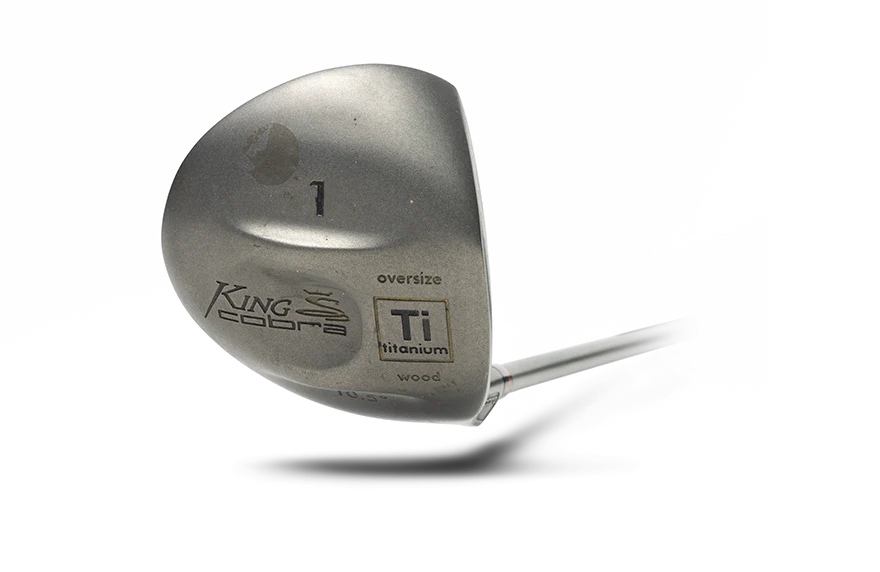
Older drivers can fall behind due to missing modern tech benefits. Differences in materials, design, and aerodynamics affect distance and control. These gaps grow larger as technology advances. Upgrading to a newer driver often improves overall play. Golfers should weigh tech benefits against the cost of replacement.
Credit: www.golfavenue.com
Maintenance Tips
Maintaining your golf driver properly helps it last longer and perform well. Simple care routines protect the club from damage and wear. Regular attention keeps the driver in top shape for every round.
Cleaning Practices
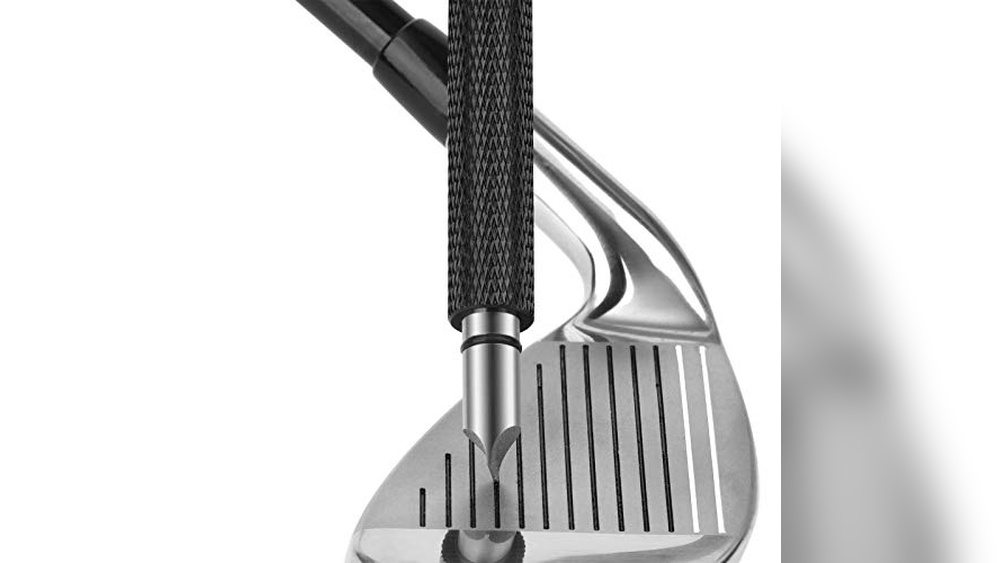
Wipe the clubhead after each use to remove dirt and grass. Use a soft cloth with warm water and mild soap for deeper cleaning. Avoid harsh chemicals that can damage the finish. Clean grooves on the clubface gently with a brush to keep performance sharp.
Proper Storage
Store your driver in a dry place away from extreme heat or cold. Use a headcover to protect the clubhead from scratches and dents. Keep the shaft straight and avoid leaning the driver against hard surfaces. Proper storage prevents warping and preserves the club’s condition.
Regular Inspections
Check the driver regularly for signs of damage or wear. Look for cracks, dents, or loose parts on the clubhead and shaft. Test the grip for wear and replace it if it feels slippery. Early detection of issues helps avoid costly repairs and maintains performance.
Credit: www.andrewricegolf.com
Frequently Asked Questions
What Is The Life Expectancy Of A Golf Driver?
A golf driver typically lasts 3 to 7 years depending on play frequency, swing speed, and care. Replace it if performance drops, damage appears, or newer technology offers clear benefits.
How Do You Tell If Your Driver Is Worn Out?
Check for visible cracks, dents, or wear on the clubface and shaft. Notice reduced distance or inconsistent shots. A loss of the clubface’s spring effect also signals wear.
How Long Do Drivers Normally Last?
Drivers typically last 3-7 years, depending on play frequency, swing speed, and care. Replace when performance or feel declines.
How Often Should You Replace A Golf Driver?
Replace a golf driver every 3 to 7 years, depending on play frequency, swing speed, and visible wear or performance loss. Check for cracks, distance drop, or inconsistent shots to know when to upgrade. Regular maintenance extends its lifespan but technology advances may also prompt earlier replacement.
Conclusion
Golf drivers do wear out over time, affecting performance. Frequent use and high swing speeds speed up wear. Watch for cracks, dents, or a less responsive clubface. Loss of distance or accuracy also signals a worn driver. Proper care can extend your driver’s life significantly.
Replacing it at the right time keeps your game steady. Stay aware of your driver’s condition for best results.