What Does Wide Fit Shoes Mean: A Simple Guide

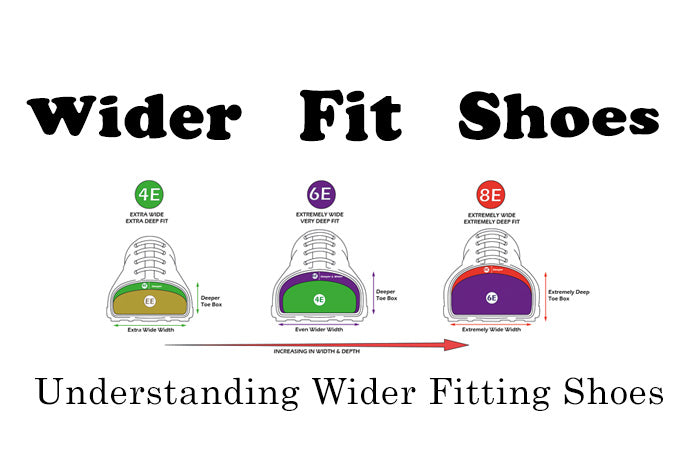
In the United States, wide fit shoes are made with more room across the forefoot than standard-width shoes. They may also offer extra space in the toe box or more overall volume. Wide shoes are not usually longer than regular shoes; they are wider.
A wide fit can help when your toes feel cramped, your foot spills over the sole, or the sides of a shoe pinch. The best fit should feel snug but not tight, with room for your toes to spread and move.
What Does “Wide Fit” Mean in Shoe Sizing?
“Wide fit” describes the width of a shoe, not its length. U.S. shoe sizes use numbers for length and letters for width.
For example:
- A women’s size 8 wide is still a size 8 in length.
- A men’s size 10 wide is still a size 10 in length.
- The wide version gives your foot more room from side to side.
A wide shoe may also have:
- A broader toe box
- More room around the ball of the foot
- A higher instep area
- A roomier upper
- A wider outsole
The exact shape depends on the brand and shoe model. One brand’s wide shoe may fit differently from another brand’s wide shoe.
Common U.S. shoe width letters
Shoe width letters are not perfectly uniform across all brands. Still, these are common U.S. width labels:
| Width label | Common meaning for women | Common meaning for men |
|---|---|---|
| AA or 2A | Narrow | Extra narrow |
| B | Standard or medium | Narrow |
| C | Wide in some brands | Slightly wide in some brands |
| D | Wide | Standard or medium |
| 2E or EE | Extra wide | Wide |
| 4E | Very extra wide | Extra wide |
| 6E | — | Very extra wide |
This table is a general guide, not a universal rule. A manufacturer may use different letters or names, such as W, XW, wide, or extra wide.
A women’s standard width is often B, while a men’s standard width is often D. As a result, the same letter does not always mean the same thing for men’s and women’s shoes.

Who May Need Wide Shoes?
You may need wide shoes if regular shoes feel tight across the sides or toes. Some people naturally have wider feet, while others develop a need for more room because of foot shape, swelling, or certain conditions.
Signs that a regular shoe may be too narrow include:
- Your little toe rubs against the shoe.
- Your toes overlap or feel pressed together.
- The sides of your foot bulge over the sole.
- You have red marks after removing your shoes.
- You develop blisters, corns, or calluses.
- Your toes feel numb or tingly.
- The shoe feels tight even when the length seems correct.
- Your feet swell later in the day and the shoes become uncomfortable.
A wide shoe may also help people with:
- Bunions
- Hammertoes
- Flat feet
- High-volume feet
- Swollen feet
- Diabetes-related foot concerns
- Feet that are different widths
A wide shoe does not treat these conditions. It may simply reduce pressure caused by a narrow shoe. Persistent pain, numbness, wounds, or swelling should be assessed by a qualified health professional.
Wide feet are not the same as long feet
Many people buy a longer shoe when they need a wider shoe. This can create a new problem. A shoe that is too long may let your heel slide, cause tripping, or force your foot forward.
If the length is correct but the sides are tight, try a wider width before changing the shoe length.

How Should Wide Fit Shoes Feel?
Wide shoes should feel roomy without letting your foot slide from side to side. Your heel should stay in place, and your toes should have space to move.
Use these checks when trying on wide shoes:
- Check the toe space. Your longest toe should not touch the front. There should be a small amount of space in front of it.
- Check the width. The widest part of your foot should sit comfortably inside the widest part of the shoe.
- Check the sides. The upper should not press hard against your bunion, little toe, or the ball of your foot.
- Check the heel. Your heel should not lift excessively when you walk.
- Walk on a firm surface. Take several steps. A shoe can feel fine while sitting but become tight during movement.
- Try both shoes. Feet are often slightly different sizes. Fit the larger foot.
- Try them later in the day. Feet commonly become larger after standing and walking.
The shoe should not need a long “break-in” period to become comfortable. Some materials soften with use, but sharp pressure, numbness, or strong rubbing is a sign of poor fit.
Do wide shoes need extra length?
Usually, no. Wide shoes should have the correct length and the correct width. Choosing a longer size to gain width can leave too much space in front of your toes.
There are exceptions. Some shoe models may run short, and some feet need both extra width and extra length. Measure both dimensions rather than guessing.
How to Measure Your Feet for Wide Shoes
You can measure your feet at home, but a professional measurement can be more reliable. A Brannock Device, commonly used in U.S. shoe stores, measures foot length, width, and arch length.
To measure at home:
- Put on the socks you plan to wear with the shoes.
- Place a sheet of paper on a hard floor.
- Stand with your full weight on the paper.
- Trace around each foot, or have another person mark the heel and longest toe.
- Measure the length from the heel to the longest toe.
- Measure the width at the widest part of the foot.
- Repeat for the other foot.
- Compare the measurements with the brand’s size chart.
Measure both feet because they may not match. Use the larger foot when choosing a size.
Do not measure while sitting. Your foot spreads under body weight, so a sitting measurement may underestimate the space you need.
A foot measurement gives you a useful starting point, but it does not replace a try-on. Shoe shape, materials, lacing, and foot volume also affect fit.

Wide Fit vs. Extra Wide Fit
A wide shoe gives more room than a standard shoe. An extra-wide shoe gives still more room.
The difference matters when a wide shoe still causes pressure. For example:
- Standard: The sides feel comfortable.
- Wide: The sides feel tight in standard shoes but comfortable in wide shoes.
- Extra wide: Wide shoes still pinch, or the foot extends beyond the shoe’s side edges.
Common extra-wide labels include:
- 2E or EE
- 4E
- 6E
- X-wide
- Extra wide
- XX-wide
Labels vary by brand, especially in women’s shoes. Always check the brand’s own width chart.
A shoe may also have a high-volume fit. This means it has more space from the sole to the top of the shoe, which can help if your foot is wide and tall. A shoe can be wide without having much extra height, so width alone may not solve pressure on the top of your foot.

Wide Fit Shoes and Regular Fit Shoes: Key Differences
The main difference is the amount of space across the shoe and how the upper holds the foot.
| Feature | Regular-width shoe | Wide-width shoe |
|---|---|---|
| Forefoot space | Made for a standard width | More room across the forefoot |
| Toe box | May feel narrow for broad toes | Often allows more toe spread |
| Ball of foot | Less side-to-side space | More side-to-side space |
| Upper | May press on wider feet | Designed to accommodate more width |
| Length | Based on the size number | Usually the same length in the same size |
| Best for | Standard-width feet | Wider or higher-volume feet |
Wide shoes are not automatically better for everyone. If your foot is narrow, a wide shoe may allow too much movement. That can cause rubbing, blisters, or an unstable feel.
The goal is not to choose the widest shoe available. The goal is to match the shoe to your foot.

Do All Wide Shoes Have a Wide Toe Box?
No. “Wide” does not always mean that every part of the shoe is equally roomy.
Some wide shoes add space mainly around the ball of the foot. Others provide a broader and more rounded toe box. Some have extra width but still taper toward the toes.
This matters if you have a bunion, broad toes, or toes that need to spread. Look at the shoe’s shape and try it on rather than relying only on the width label.
A useful test is to remove the insole and stand on it. If your foot hangs over the insole at the sides, the shoe may still be too narrow. This test is only a rough guide because the insole may not show the shoe’s full internal shape.

How to Tell If You Need Wide Shoes
Start with the fit of your current shoes. You may need a wide size if the length feels right but the sides cause pressure.
Use this simple decision guide:
| What you notice | What it may suggest |
|---|---|
| Toes touch the front | You may need more length |
| Sides pinch but length feels right | You may need a wider width |
| Foot spills over the sole | The shoe may be too narrow |
| Heel slips while the front feels good | The shoe shape or lacing may be wrong |
| Top of foot feels tight | You may need more volume |
| Only one foot feels cramped | Fit the larger foot or consider a different shoe shape |
| Feet swell during the day | Try shoes later in the day and consider adjustable closures |
These signs do not prove that you need a specific width. They show where the problem may be.
If a shoe causes pain, do not assume the shoe must be “broken in.” Persistent pressure can lead to skin irritation and other foot problems.

How to Choose Wide Shoes That Fit Well
Choose wide shoes by checking width, length, shape, and support together.
1. Start with the brand’s width chart
Do not assume that “wide” means the same width in every brand. Compare the shoe’s chart with your measurements.
2. Look for a suitable toe shape
A rounded or naturally shaped toe box may work better than a sharply tapered design. This is especially useful if your toes spread out or you have a bunion.
3. Check the upper material
Stretch materials may feel more forgiving, but stretch does not make a narrow shoe truly wide. The shoe still needs enough space underneath your foot.
4. Choose adjustable closures
Laces, straps, and hook-and-loop fasteners can help you adjust the fit as your foot changes during the day. Slip-on shoes may be less adjustable.
5. Match the shoe to the activity
Walking shoes, work shoes, hiking shoes, and running shoes may use different shapes. A wide work shoe may not fit like a wide running shoe.
6. Check the sole
The sole should support your foot without narrowing sharply under the forefoot. Your foot should not hang over the edge.
7. Test both feet
Walk, bend, and climb a few steps if possible. Watch for slipping, rubbing, pressure, or changes in balance.
Common Mistakes When Buying Wide Fit Shoes
Several common mistakes can lead to a poor fit.
Buying a longer shoe instead of a wider shoe
A longer shoe may create heel movement and poor control. Try a wider width when the length is already correct.
Trusting the width letter alone
Width letters differ by brand and by men’s or women’s sizing. Read the brand’s chart and test the actual shoe.
Assuming wide means extra wide
A wide shoe may not provide enough room for a very broad foot. If your foot still spills over the sole, consider an extra-wide option.
Ignoring foot volume
A shoe can have enough width but not enough height over the instep. Look for a roomier upper or adjustable lacing if the top feels tight.
Shopping only at the end of the day
Feet often change size after walking or standing. Try shoes when your feet are at their largest.
Wearing thick socks to force a fit
Thick socks may hide pressure during a short test. Wear the socks you will actually use and make sure the shoe still has room.
Using inserts without checking the fit
An insert can take up internal space. If the shoe already feels tight, an insert may make the problem worse.

Are Wide Shoes Better for Foot Health?
Wide shoes can reduce pressure when a standard shoe is too narrow. They are not automatically healthier than regular-width shoes.
The American Academy of Orthopaedic Surgeons advises choosing shoes that match the shape of your foot and provide enough room for the toes. The American Diabetes Association also stresses the importance of proper footwear and regular foot checks for people with diabetes.
A wide shoe may be useful, but it should still:
- Fit securely at the heel
- Keep your foot stable
- Avoid hard pressure points
- Leave room for natural toe movement
- Match the activity
- Have enough cushioning and support for your needs
People with diabetes, reduced feeling, circulation problems, open sores, or ongoing foot pain should seek advice from a qualified clinician or podiatrist. Reduced sensation can make it harder to notice harmful pressure.

Key Takeaways
- Wide fit shoes have more room across the foot than standard-width shoes.
- Wide usually changes the width, not the length.
- U.S. width labels vary by brand and by men’s or women’s sizing.
- A wide shoe should not let your heel slide or your foot move too much.
- Measure both feet and fit the larger foot.
- Choose extra wide if a wide shoe still pinches or your foot hangs over the sole.
- A wider shoe may reduce pressure, but it does not treat an underlying foot condition.
Frequently Asked Questions
What does wide fit mean in women’s shoes?
In U.S. women’s shoes, wide is often marked D or W, while standard width is often B. The exact label depends on the brand. A women’s wide shoe usually provides more room across the forefoot and may have a broader toe box.
What does wide fit mean in men’s shoes?
In U.S. men’s shoes, wide is often marked 2E or EE, while standard width is often D. Some brands use W instead. Check the manufacturer’s size chart because labels are not identical across brands.
Is wide fit the same as extra wide?
No. Extra wide provides more room than wide. Common extra-wide labels include 4E, 6E, XW, or extra wide. If a wide shoe still pinches or your foot extends beyond the sole, extra wide may be more suitable.
Can wide shoes help with bunions?
They may help reduce pressure on a bunion if the shoe has enough width and a suitable toe shape. A wide label alone does not guarantee a good fit. Avoid shoes that press against the bunion or force the toes together.
Should I buy wide shoes if my feet swell?
A wider or higher-volume shoe may be more comfortable when your feet swell. Try shoes later in the day, use adjustable closures, and avoid tight pressure. Sudden or severe swelling needs medical attention.
How much room should be in wide shoes?
Your toes should have room to move, and your longest toe should not press against the front. The widest part of your foot should sit inside the shoe without spilling over the sole. The heel should remain fairly secure as you walk.
Can a shoe be too wide?
Yes. A shoe that is too wide can let your foot slide, rub, or feel unstable. Choose the narrowest width that gives your toes and forefoot enough room without pressure.
Conclusion
Wide fit shoes mean shoes made with extra width for the foot, especially around the forefoot and toe area. They can be a better choice when standard shoes pinch, cause rubbing, or leave your foot spilling over the sole.
For the best result, measure both feet, check the brand’s width chart, and try shoes while standing and walking. Choose the width that gives your toes space while keeping your heel secure. If pain, numbness, swelling, or skin damage continues, stop wearing the shoes and seek professional foot-care advice.