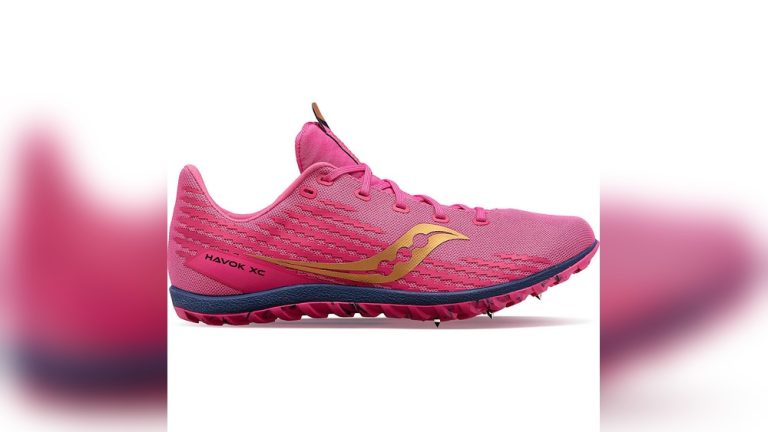
Are Running Shoes HSA Eligible: Guide 2026

Running shoes are usually not HSA eligible unless they are prescribed for a medical need.
If you have ever stared at a pair of running shoes and wondered whether your HSA can help pay for them, you are not alone. The rules are a little more specific than most people expect, and the answer depends on whether the shoes are ordinary athletic gear or part of a treatment plan. In this guide, I’ll walk you through how running shoes fit into HSA rules, what makes them eligible or not, and how to avoid a costly mistake at checkout.
What HSA eligibility really means for running shoes
A Health Savings Account, or HSA, is meant for qualified medical expenses. That usually includes care, treatment, and products used to diagnose, treat, or prevent a medical condition. Regular running shoes for fitness, training, or comfort do not usually qualify because they are considered personal or athletic items.
That said, running shoes can become HSA eligible in certain situations. If a doctor recommends or prescribes them to treat a specific medical issue, the expense may qualify as a medical expense under HSA rules. This is where many people get confused, because the shoe itself is not the issue. The medical purpose is what matters.
From my experience helping people sort through benefits paperwork, the most common mistake is assuming “good for my feet” means HSA eligible. That is not enough. The IRS looks for medical necessity, not general wellness or prevention in a broad sense.

Are running shoes HSA eligible?
In most cases, no. Running shoes are not HSA eligible when you buy them for exercise, walking, or everyday comfort.
They may be HSA eligible if all of the following are true:
• A licensed healthcare provider recommends or prescribes them for a medical condition
• The shoes are used to treat that condition, not just improve fitness
• You keep proper documentation in case your HSA administrator asks for proof
For example, if a podiatrist recommends a certain type of motion-control shoe for a documented foot disorder, that may qualify. If you simply choose a more supportive shoe because you run three times a week, that normally does not qualify.
This is one of those gray areas where the reason for purchase matters more than the product name. The same pair of shoes may be non-eligible for one person and eligible for another, depending on medical need.

When running shoes may qualify for HSA reimbursement
There are a few situations where running shoes may be HSA eligible. These cases usually involve a real medical condition and a clear connection between the shoe and treatment.
Common examples include:
• Plantar fasciitis
• Overpronation that requires orthotic support
• Foot pain tied to a diagnosed condition
• Recovery after certain injuries, if a provider recommends specific footwear
• Gait issues that need supportive footwear as part of treatment
In these cases, the shoes are not being bought as sports gear. They are being used as part of a treatment plan. That distinction matters a lot.
A practical example: if a doctor says you need a specific stability shoe to help manage chronic foot pain, save the recommendation, receipt, and any written diagnosis. If your HSA provider ever reviews the expense, that paper trail can make the difference.
When running shoes are not HSA eligible
Most running shoes fail the HSA test because they are bought for general use. If you are shopping for a marathon, gym workouts, or weekend walks, the IRS usually sees that as personal use.
Running shoes are not HSA eligible when:
• You buy them for exercise performance
• You want better cushioning or style
• You need a replacement pair for normal wear and tear
• You use them for casual walking or standing at work without medical guidance
• You self-diagnose foot pain without a provider’s involvement
I have seen people try to submit receipts for “orthopedic-style” shoes they found online, only to get denied. That can be frustrating, but it is predictable. Without medical documentation, the purchase usually looks like a wellness or lifestyle choice, not a medical expense.
What documentation you need
If you believe running shoes are HSA eligible in your case, documentation is the key. Most HSA administrators want proof that the purchase was medically necessary.
Helpful documents include:
• A doctor’s note or prescription
• A diagnosis related to the foot, ankle, or gait issue
• The receipt showing the date, amount, and seller
• Any recommendation that explains why the shoes are needed
Some HSA debit cards may still work at checkout, but that does not guarantee the expense is valid. If the transaction is later questioned, you may need to show that the purchase met HSA rules.
My best advice: keep a digital folder for HSA paperwork. It takes five minutes and can save you a headache months later.

Common mistakes people make with HSA shoe purchases
People often misunderstand what counts as eligible. The most common mistake is treating a supportive or premium shoe as automatically medical.
Avoid these mistakes:
• Buying first and asking questions later
• Assuming all orthopedic-looking shoes qualify
• Using HSA funds for race shoes or training shoes
• Throwing away the prescription or doctor note
• Confusing HSA rules with FSA store promotions
Another mistake is mixing up prevention with treatment. HSA rules are usually stricter than people expect. A shoe that helps you avoid discomfort is not the same as a shoe prescribed to treat an active medical issue.
HSA versus FSA: why the rules feel confusing
People often compare HSA and FSA rules because both accounts can cover medical costs. But the rules are not always identical in how they are handled by stores or card systems.
Here is the simple version:
• HSA funds are generally for qualified medical expenses under IRS rules
• FSA plans may have similar rules, but the employer plan can affect how claims are reviewed
• Some stores mark items as eligible in their system even when the final decision depends on documentation
That is why a running shoe may show up as “eligible” in one place but still not be safe to claim. Always think about the medical reason first, not the label on the website.
What the IRS generally says about athletic shoes
The IRS focuses on medical care, not normal personal use. Athletic shoes, even expensive ones, are usually personal expenses unless they are clearly tied to a medical need.
This is the basic rule many benefits experts use:
• General fitness gear is not a medical expense
• Items used to treat a diagnosed condition may qualify
• Documentation matters more when the item could be seen as dual use
This is where running shoes are tricky. They can be both sports gear and a treatment tool, so the paper trail matters a lot. If you are ever unsure, ask your HSA administrator before buying.
Practical tips to handle running shoe purchases with an HSA
If you think your shoes might qualify, take a careful approach. A little planning can help you avoid denied claims.
Use this checklist:
- Ask your doctor whether the shoes are medically necessary
- Get the recommendation in writing
- Save the receipt and product details
- Check your HSA administrator’s claim rules
- Keep records in case of audit or review
I always recommend getting clarity before you buy. It is much easier than trying to explain a purchase after the fact. Think of it like packing for a trip: checking the map first is better than trying to fix the route halfway there.
Real-life example of how this works
A person with diagnosed plantar fasciitis may be told to wear supportive running shoes for daily movement and rehab walks. If the provider documents that advice, the purchase may be HSA eligible.
Now compare that with someone buying the same shoes because they “feel better on long runs.” That is a good fitness choice, but it is not usually a medical expense. Same product, different purpose, different result.
That difference is what trips people up most. The HSA does not care whether the shoes are expensive, branded, or highly rated. It cares whether the purchase was for medical care.
Frequently Asked Questions
Are running shoes HSA eligible if my doctor says they are supportive?
Maybe, but support alone is not enough. The shoes need to be tied to a specific medical condition or treatment plan to qualify.
Can I buy running shoes with HSA funds for plantar fasciitis?
They may be eligible if a healthcare provider recommends them as part of treatment. Keep the diagnosis, note, and receipt for your records.
Do I need a prescription for running shoes to use HSA money?
In many cases, yes, or at least a written recommendation from a provider. Documentation helps show the purchase was medically necessary.
Are orthotic inserts for running shoes HSA eligible?
Often yes, if they are used to treat a medical issue. They are more commonly accepted than the shoes themselves because they are more clearly medical in nature.
Can I use my HSA card at a running store?
You might be able to, but that does not guarantee the item is eligible. If the shoes are not medically necessary, the expense may still be denied later.
Conclusion
Running shoes are usually not HSA eligible, but they can be in specific medical cases. The key factor is not the shoe itself, but whether a healthcare provider has linked it to the treatment of a real condition. If you need them for foot pain, gait problems, or another diagnosed issue, strong documentation can make all the difference.
Before spending HSA money, check the reason for the purchase, save your records, and confirm the rules with your plan administrator. That small step can protect you from denied claims and wasted money. If you found this guide helpful, take a few minutes to review your own HSA rules or leave a comment with your question so you can make the smartest choice next.