All Black Trail Running Shoes: Best Picks For 2026

All black trail running shoes blend low-key style with trail-ready grip and protection.
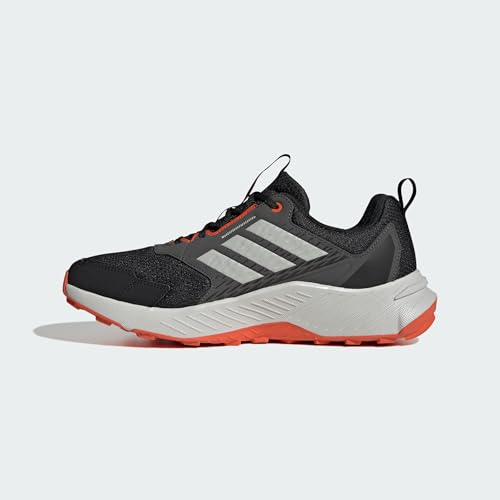
If you want a pair that looks clean on the street but still works hard on dirt, rocks, and wet roots, all black trail running shoes are a smart pick. I’ve tested enough trail shoes to know that the best ones do more than look good. They need traction, comfort, stability, and enough durability to handle real miles without feeling clunky.
Why all black trail running shoes are so popular
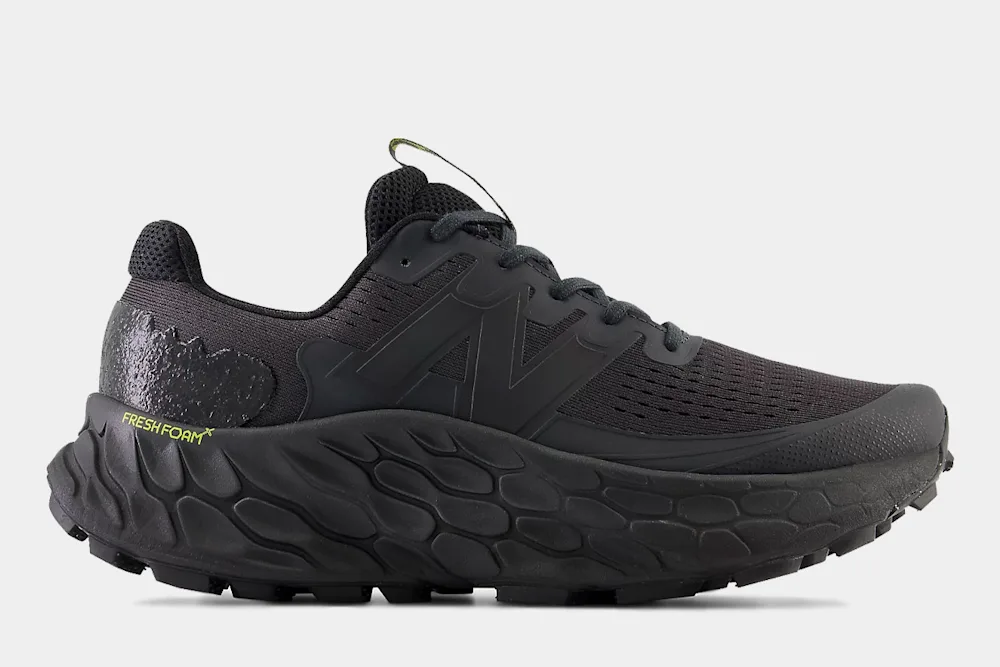
All black trail running shoes have a simple appeal: they are easy to wear, easy to match, and still built for rough ground. For a lot of runners, that matters just as much as stack height or lug depth. They can go from trail runs to errands without looking loud or overly technical.
I’ve also noticed that all black shoes tend to hide dust, mud, and scuffs better than bright colorways. That makes them a practical choice if you run often or use one pair for both training and casual wear. In other words, they work like a black jacket in your closet: quiet, useful, and almost always a safe bet.
When people search for all black trail running shoes, they usually want one of three things:
• A stealth look that feels versatile
• A shoe that performs well on mixed terrain
• A durable option that stays cleaner longer
The good news is that today’s trail models often combine all three.

What makes a good all black trail running shoe
A great trail shoe is not just a road shoe with a rugged bottom. It needs a full package of features that help you move safely and comfortably on uneven ground. Color is the easy part. Performance is where the real value shows up.
Here are the main things I look for.
• Traction: The outsole should grip dirt, gravel, wet rock, and loose soil well. Deep lugs help on soft trails, while sticky rubber helps on slick surfaces.
• Cushioning: Some runners want soft comfort. Others want a firmer, more stable feel. The best choice depends on your body and the terrain.
• Protection: A rock plate, toe bumper, or reinforced upper can save your feet from sharp hits.
• Fit: Trail shoes should hold the heel securely and give the toes enough space to spread.
• Breathability: Even dark shoes should let heat escape. Otherwise your feet can feel trapped on longer runs.
• Weight: Lighter shoes feel faster, but heavy shoes can offer more protection and support.
From experience, the fit matters more than almost anything else. I once picked a great-looking pair that felt amazing in the store, then learned on a downhill run that a sloppy fit turns every rock into a problem. The shoe can be stylish, but if your foot slides, the trail will remind you fast.
Key benefits of all black trail running shoes
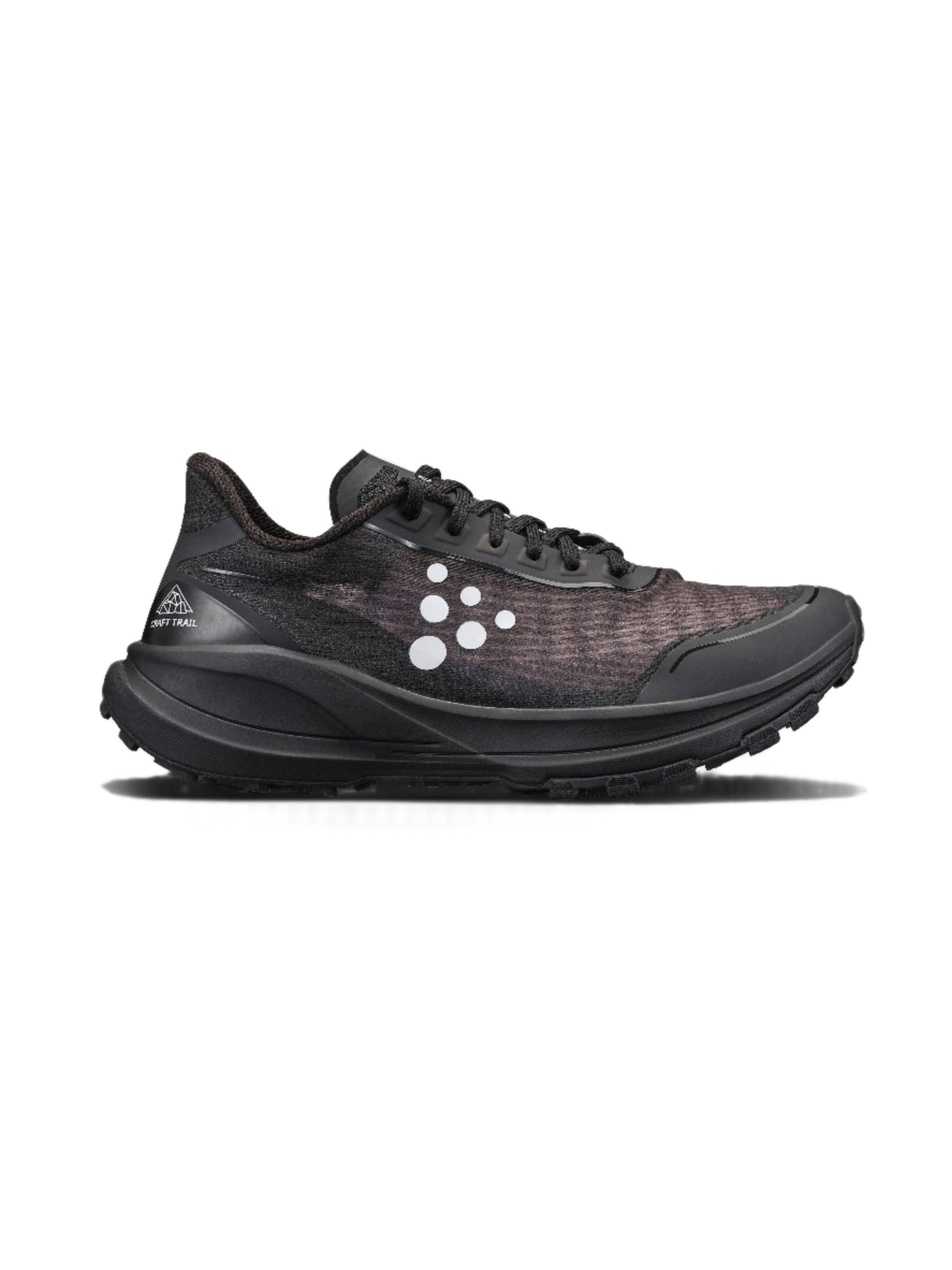
All black trail running shoes offer more than style. They bring a few real-world benefits that make them appealing to beginners and experienced runners alike.
Easy styling
Black matches almost everything. That makes these shoes a good fit if you want one pair that can handle training runs, hiking, and everyday wear. You do not need to think twice about what to wear with them.
Better at hiding dirt
Trail shoes get dirty fast. Black uppers help hide mud, dust, and wear marks better than white or bright colors. If you run often in wet or dusty conditions, this can make your shoes look fresher for longer.
Versatile use
Many runners like all black trail running shoes because they do not look out of place off the trail. That matters if you drive to a trailhead, stop at a coffee shop, or wear them for light travel.
Often available in many categories
You can find all black trail running shoes in:
• Neutral cushioned models
• Stability-oriented models
• Lightweight racing shoes
• Max-cushion trail shoes
• Hiking and trail hybrid shoes
That means you do not have to give up function to get the look you want.
 benefits of all black trail running shoes”
style=”max-width: 100%; height: auto; border: 2px solid black; border-radius: 10px; display: block; margin: 0 auto;”
loading=”lazy”
/>
How to choose the right pair
Picking the right all black trail running shoes gets easier when you focus on your terrain and your running style. The best shoe for muddy forest paths is not always the best shoe for hardpack, gravel, or mountain routes.
Match the shoe to the trail
• Soft, muddy trails: Choose deeper lugs and strong traction.
• Mixed terrain: Look for balanced cushioning and moderate lugs.
• Rocky trails: Add protection, stability, and a durable upper.
• Fast races: Go for lighter weight and a more responsive ride.
Know your foot shape
A narrow shoe can feel precise, but a wider foot may need more room in the forefoot. I learned this the hard way after squeezing into a slim trail shoe for a long run. My toes were fine for the first mile, then the pressure turned every downhill into a toe-jam lesson.
Think about distance
For short runs, a firmer and lighter shoe may feel lively. For long runs, comfort and protection usually matter more. If you’re logging weekend-long efforts, a bit of extra cushioning can save your legs.
Check the outsole
The outsole is the real workhorse of any trail shoe. Look for rubber compounds and lug patterns that fit your terrain. Industry testing and runner feedback consistently show that traction is one of the biggest factors in trail confidence.
Common materials and design features
All black trail running shoes can look similar from the outside, but the build can be very different under the surface. Small design choices affect comfort, grip, and life span.
Uppers
Trail uppers are often made from:
• Engineered mesh for breathability
• Ripstop fabric for added durability
• Reinforced overlays for support
• Water-resistant materials for wet conditions
A darker upper can sometimes make heat feel more noticeable in hot weather, especially if the shoe has less ventilation. That is worth keeping in mind if you run in summer sun.
Midsole foam
The midsole controls how the shoe feels underfoot. Softer foams feel plush, while firmer foams can feel more stable and controlled. Some brands now use supercritical foams for a lighter, more energetic ride.
Outsoles
Trail outsole rubber is often stickier than road rubber. That is important because a strong grip can reduce slipping on wet or uneven ground. Deep lug patterns work well in mud, while shallower lugs are better for hard-packed trails.
Toe protection
A reinforced toe cap is more useful than it sounds. It helps protect your feet from rocks, roots, and debris. On technical trails, that extra layer can make a long run feel much less punishing.
When all black trail running shoes make the most sense
There are times when black is more than a color choice. It is a practical decision.
• You want one shoe for running and casual wear
• You run in muddy or dusty places
• You like a minimal, low-profile look
• You prefer shoes that do not show wear as quickly
• You travel often and want a versatile pair
If you are a runner who values function first but still cares about style, all black trail running shoes are a strong middle ground. They are like the quiet friend in the group who never makes a scene but always gets the job done.
Mistakes to avoid before buying
I have seen plenty of runners buy based on looks alone. That usually leads to regret. Black trail shoes can be excellent, but only if they fit the job.
Avoid these common mistakes:
• Choosing style over fit: A good-looking shoe that pinches or slides is a bad deal.
• Ignoring terrain: Mud shoes and hard-trail shoes are not the same.
• Picking too little protection: Thin shoes may feel fast, but they can punish your feet on rocky routes.
• Overlooking breathability: Dark shoes in hot weather can feel warmer, so airflow matters.
• Buying without testing the downhill feel: A shoe may feel fine standing still but terrible on descents.
One of the best habits I picked up was testing trail shoes on a short downhill or uneven path before committing. That simple move can tell you more than a store floor ever will.
Caring for all black trail running shoes
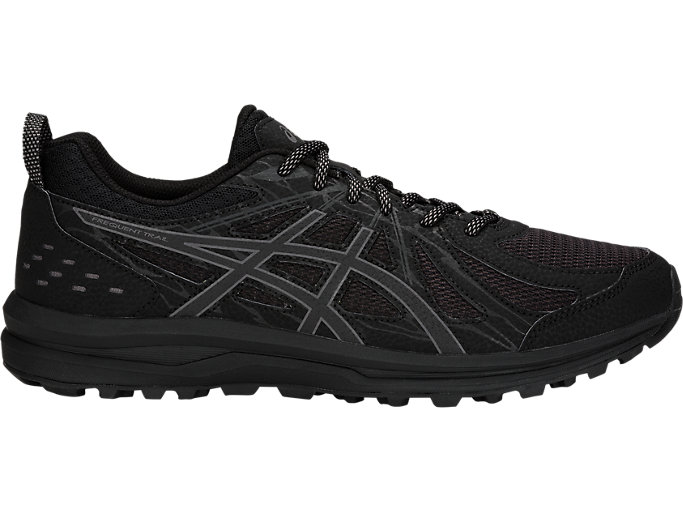
Good care helps any trail shoe last longer, and black shoes benefit from a little routine attention too. Dirt is less visible on black, but it still breaks down materials over time.
Simple care tips
• Brush off dry dirt after runs
• Rinse muddy areas with cool water
• Remove insoles to help them dry faster
• Air dry away from direct heat
• Rotate between pairs if you run often
Do not toss them near a heater or into a hot dryer. Heat can damage foam and glue. A slow dry is safer and usually better for the shoe’s life.
What experts and runners usually agree on
Most trail running experts agree on a few basics: fit matters, traction matters, and terrain should guide the shoe choice. That lines up with what gear testers and running coaches often say in product reviews and training guides. There is no perfect trail shoe for everyone, but there is a right shoe for your feet and your routes.
Runners also tend to agree that black is one of the most forgiving color options. It is practical, understated, and easier to keep looking clean. That is one reason all black trail running shoes keep showing up in both performance and lifestyle categories.
Frequently Asked Questions
Are all black trail running shoes good for hot weather?
Yes, but only if the shoe has good ventilation. Black can absorb more heat in direct sun, so breathable mesh helps a lot on warm days.
Do all black trail running shoes get too dirty to wear?
Not usually. Black hides dust and stains better than lighter colors, which is one reason many runners prefer them for muddy trails.
Can I use all black trail running shoes for walking or hiking?
Yes, many trail shoes work well for walking and light hiking. Just make sure the fit and traction match the kind of ground you plan to cover.
Are black trail shoes less visible at night?
Yes, darker shoes are harder to see in low light. If you run early or late, use reflective gear or lights for better safety.
How long do all black trail running shoes last?
It depends on the terrain, mileage, and build quality. Many trail shoes last several hundred miles, but rocky ground and heavy use can wear them down faster.
Conclusion
All black trail running shoes are a smart choice if you want style, function, and everyday versatility in one pair. They can hide dirt well, look good outside the trail, and still deliver the grip and support you need for real running. The key is to choose a pair based on your terrain, fit, and mileage goals, not just the color.
If you take one thing from this guide, let it be this: the best shoe is the one that fits your feet and your trails, then earns your trust mile after mile. Explore a few options, compare the features that matter most, and choose with confidence. If this helped, keep learning, check more reviews, and leave a comment with the trail shoe style you wear most.