High Cushion Trail Running Shoes: Best Picks For Comfort

High cushion trail running shoes absorb impact, protect tired legs, and make rough terrain feel smoother.
High cushion trail running shoes are a smart choice when you want more comfort on rocky paths, long climbs, and back-to-back miles. I’ve found they matter most when the trail gets harsh, the pack gets heavier, or your legs are already cooked from a long week. In this guide, I’ll break down what high cushion trail running shoes really are, who they help most, and how to choose a pair that feels good without losing grip, stability, or trail feel.
What high cushion trail running shoes are
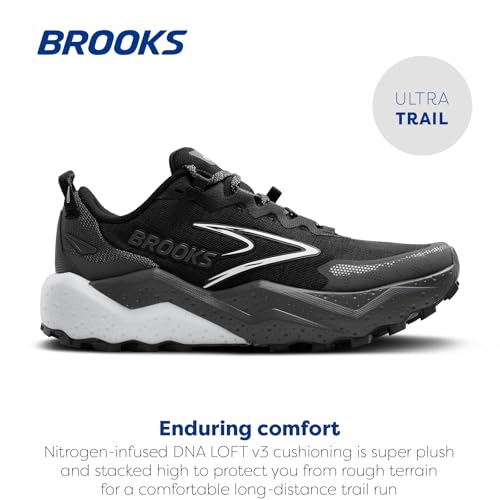
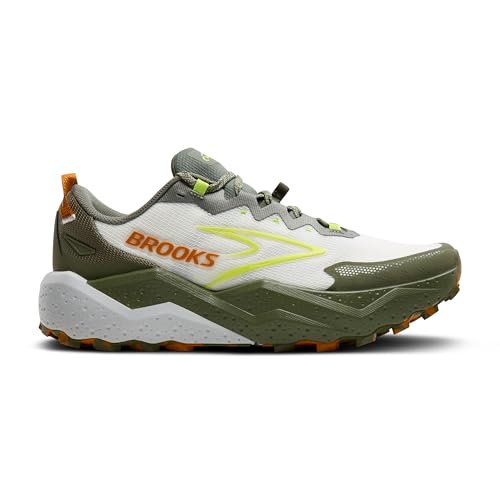
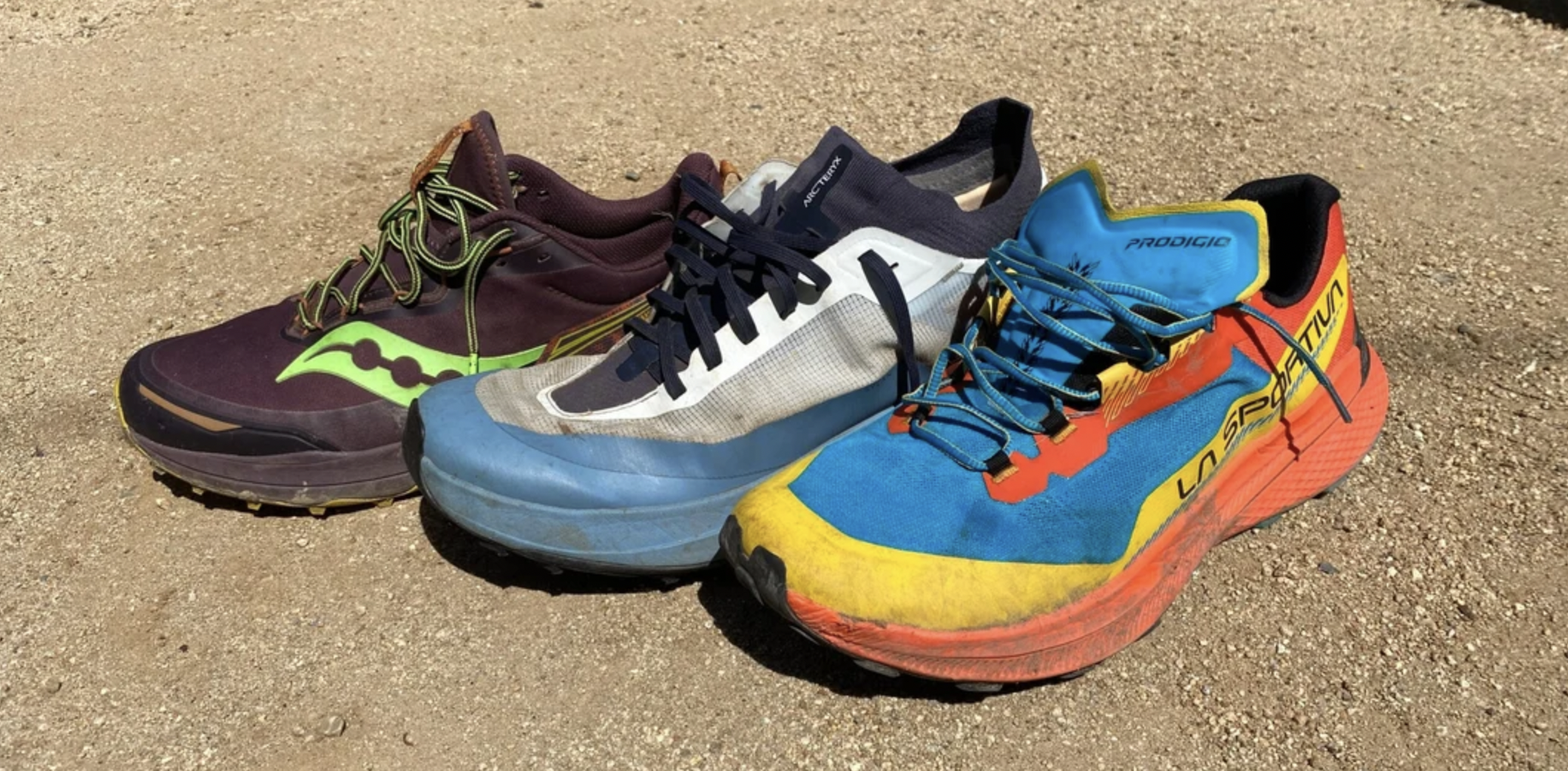
High cushion trail running shoes are built with extra midsole foam under the foot. That foam softens impact when you land on hard dirt, roots, rocks, or packed gravel. Compared with low stack shoes, they feel more protective and less harsh over long distances.
They are not just “soft shoes.” Good high cushion trail running shoes still need traction, stability, and a secure upper. If the foam is too mushy or the platform is too narrow, the shoe can feel wobbly on uneven ground.
In simple terms, they are like a shock absorber for the trail. They do not erase the terrain, but they make the ride less punishing.
Key features you usually see
• More midsole foam for impact protection
• A higher stack height under the heel and forefoot
• Rock plates or protective layers in some models
• Aggressive outsoles with trail lugs for grip
• Rockered shapes that help the shoe roll forward smoothly
Why runners choose high cushion trail running shoes
Many runners reach for high cushion trail running shoes because their legs feel fresher at the end of a run. That matters on ultra distances, mountain routes, or any trail where the surface is rough and the pounding adds up fast.
I’ve also seen new trail runners benefit from them. When someone is still learning foot placement, extra foam can reduce the sting from missteps and give a little more confidence on uneven ground.
They can also help when:
• You run long distances on technical terrain
• You are recovering from a hard training block
• You want more comfort for hiking and mixed use
• You often run on hard-packed or rocky trails
• You prefer a smoother, less aggressive ride
Main benefits of high cushion trail running shoes
High cushion trail running shoes offer a few clear upsides. The biggest one is comfort, but comfort is only part of the story.
Better shock absorption
More foam helps reduce the feel of repeated impact. That can be useful when your feet hit stones, roots, or compacted ground for hours.
Less fatigue on long runs
When the shoe does a bit more of the work, your legs may feel less beaten up late in the run. This is one reason many ultra runners like high cushion trail running shoes for longer efforts.
More comfort on downhills
Downhills can be brutal on the quads and feet. Extra cushioning can take some of that bite away, especially when the descent is long and rocky.
More forgiving for beginners
New trail runners often benefit from shoes that feel soft and stable enough to build confidence. A forgiving ride can make the sport feel less intimidating.
Versatility for walking and hiking
A lot of people use high cushion trail running shoes for fast hiking too. If you want one pair for running, walking, and weekend trail time, they can be a practical pick.

Where high cushion trail running shoes can fall short
High cushion trail running shoes are not perfect for every runner or every trail. The same foam that feels great on long miles can feel bulky on short, sharp turns.
Here are a few common tradeoffs:
• Less ground feel, so you may not sense the trail as clearly
• More weight in some models, which can slow quick footwork
• A higher stack may feel less stable on off-camber terrain
• Very soft foam can feel sloppy on steep climbs or fast descents
• Some models sacrifice precision for comfort
I learned this the hard way on a wet ridge run. A shoe that felt amazing on a mellow gravel path felt a bit tippy on narrow, rocky edges. That taught me a simple rule: more cushion is great, but only if the platform and outsole match the trail.
How to choose the right high cushion trail running shoes
The best high cushion trail running shoes depend on your terrain, your stride, and how much protection you want. A shoe that works on smooth forest roads may not be the right match for jagged mountain trails.
1. Match the shoe to the terrain
Think about where you run most.
• Smooth dirt and gravel: softer, more cushioned shoes usually work well
• Rocky mountain trails: look for protection, stability, and a secure fit
• Muddy routes: you need deeper lugs and a grippy outsole
• Mixed road-to-trail paths: choose a more versatile outsole and moderate tread
2. Check stack height and stability
A high stack can feel amazing, but it should not feel unstable. A wider base often helps balance the extra foam, especially on uneven ground.
3. Look at foam type
Foam matters more than many people realize. Some foams feel soft and bouncy, while others feel firm and protective.
• Soft foam: plush, smooth, and comfortable for long efforts
• Firmer foam: more stable and controlled on technical terrain
• Pebax or similar responsive foams: light and lively, often with more bounce
4. Think about fit
A good fit matters as much as cushioning. If the heel slips or the toe box feels cramped, the shoe will feel wrong after a few miles.
Look for:
• Secure heel hold
• Enough toe room for swelling on long runs
• Midfoot lockdown that keeps the shoe from sliding
• Width that matches your foot shape
5. Don’t ignore outsole grip
Even the best cushion will not help much if the outsole slips. Trail running depends on traction, especially on wet rock, loose dirt, and steep grades.
Best use cases for high cushion trail running shoes
High cushion trail running shoes shine in certain situations more than others. If you know your use case, choosing becomes much easier.
Long-distance trail running
These shoes are often the best match for long runs because comfort matters more as miles pile up. Less foot fatigue can help you finish stronger.
Ultras and endurance events
Many ultra runners choose high cushion trail running shoes for the same reason they choose good nutrition and pacing: small gains add up over time. Protection can help you stay steady when the terrain gets rough late in the race.
Recovery runs
After a hard workout or race, a softer trail shoe can make easy miles feel friendlier. That can help you keep moving without beating up your legs more.
Hikers and hybrid users
If you split time between trail running and hiking, this category can be a great fit. It gives you comfort without needing a separate shoe for every outing.
How much cushioning is too much
More cushioning is not always better. Past a certain point, too much foam can make a shoe feel less precise and less secure.
Signs a shoe may be too much for you include:
• You feel unstable on side slopes
• You struggle to place your feet accurately
• The shoe feels bulky on climbs
• You miss the trail feel you used to have
• Your ankles work too hard to keep balance
A good test is simple. If the shoe helps you relax and move naturally, the cushion is probably working for you. If you feel like you are fighting the shoe, it may be too much.
Tips from real trail use
From my own time testing trail shoes, I’ve learned a few practical lessons that save a lot of pain later.
• Test them on the kind of terrain you actually run
• Try them late in the day when feet are a little swollen
• Pay attention to heel hold on descents
• Walk on a slope if you can, not just a flat shop floor
• Do not judge comfort only by the first mile
One mistake I made early on was choosing a shoe that felt amazing in the store but washed out on rocky trails. The midsole was comfortable, but the platform was too narrow for the terrain I ran most. That experience made me value stability almost as much as cushioning.
How high cushion trail running shoes compare with other trail shoes
It helps to compare them with other common trail categories.
High cushion vs. low cushion
• High cushion: more comfort, more protection, less ground feel
• Low cushion: more trail feel, often lighter, but less forgiving
High cushion vs. maximal shoes
• High cushion: balanced comfort and control
• Maximal shoes: very thick midsoles, often best for ultra distance or hiking-style use
High cushion vs. racing trail shoes
• High cushion: better for steady comfort and long runs
• Racing shoes: usually lighter and faster, but often less durable and less stable
If you want one shoe for everyday trail training, high cushion trail running shoes are often the most practical middle ground.
Care and durability tips
A cushioned shoe still needs care if you want it to last. Trail mud, grit, and wet conditions can wear down materials faster than road running.
• Knock off dirt after each run
• Let them dry naturally, away from direct heat
• Rotate shoes if you run often
• Watch for outsole wear on the lugs
• Replace them when the midsole feels flat or unstable
Most runners notice wear first in the foam and outsole, not the upper. When the ride starts feeling dead or uneven, that is often your sign to move on.
Frequently Asked Questions about high cushion trail running shoes
Are high cushion trail running shoes good for beginners?
Yes, they can be a very good choice for beginners because they feel forgiving and comfortable. The extra foam can help reduce the sting of rough ground while you build confidence on the trails.
Are high cushion trail running shoes good for technical trails?
Sometimes, but not always. On highly technical trails, stability and ground feel matter a lot, so a very soft or tall shoe can feel less secure.
Do high cushion trail running shoes help prevent injuries?
They may reduce impact stress and fatigue, but they do not prevent injuries on their own. Good fit, proper training, strength work, and terrain choice matter just as much.
Can I hike in high cushion trail running shoes?
Yes, many people use them for hiking because they are comfortable and protective. They can be especially useful for long days on mixed trail terrain.
How do I know if I need more cushioning?
If your feet or legs feel beaten up after long runs, or if rocky trails leave you sore, more cushioning may help. It is worth trying if comfort and recovery matter more to you than maximum ground feel.
Conclusion
High cushion trail running shoes can make trail running more comfortable, less punishing, and more fun, especially on long runs and rough terrain. The best pair is not just soft; it is supportive, stable, and matched to the trails you actually run. If you choose carefully and test with real-world use in mind, you can find a shoe that protects your legs without dulling your connection to the trail.
Take the time to compare fit, foam, grip, and stability before you buy. If you do, you will be much more likely to end up with a shoe that keeps you moving confidently mile after mile. If this helped, explore more trail gear guides and share your own experience in the comments.