Heel Toe Drop In Running Shoes: What It Means, How To Pick

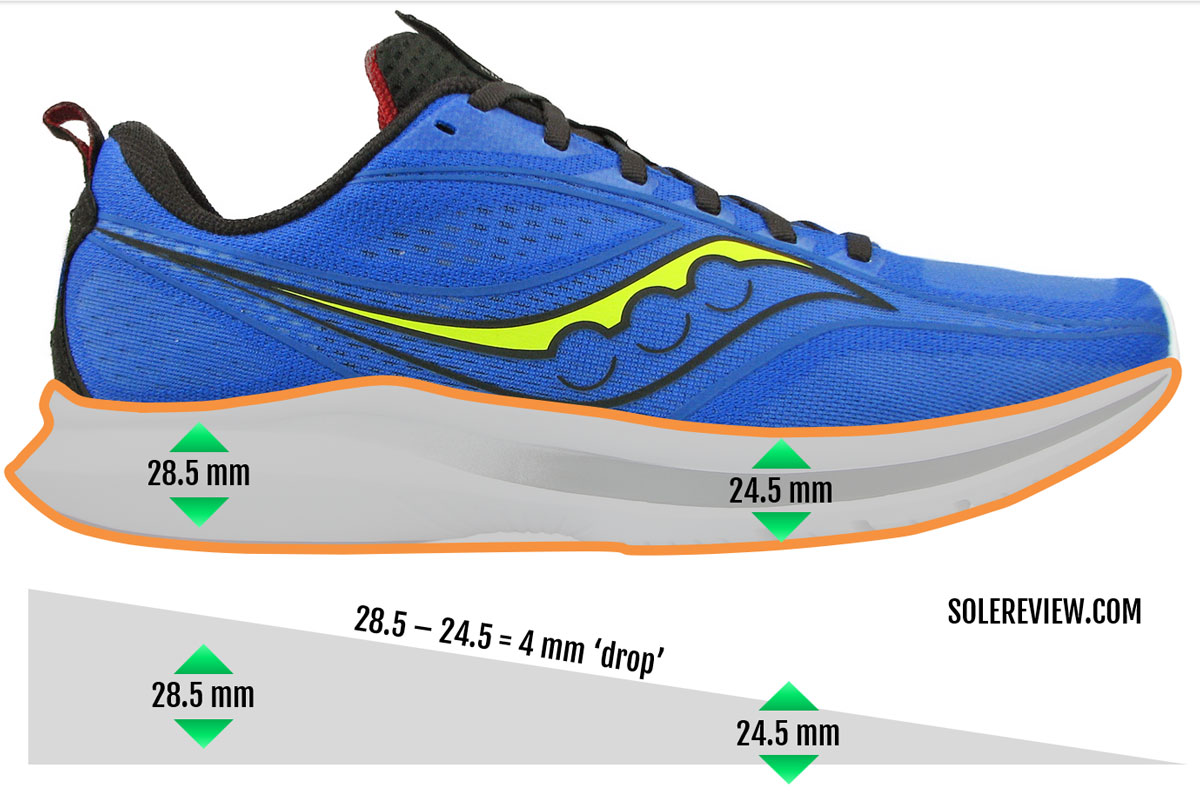
Heel toe drop is the height difference between heel and forefoot in running shoes.
If you want fewer aches and smoother miles, learn how heel toe drop in running shoes shapes your stride, comfort, and injury risk. I’ve fit hundreds of runners and tested stacks of models. In this guide, I break down the science and the street smarts so you can pick the right setup with confidence.
What is heel toe drop in running shoes?
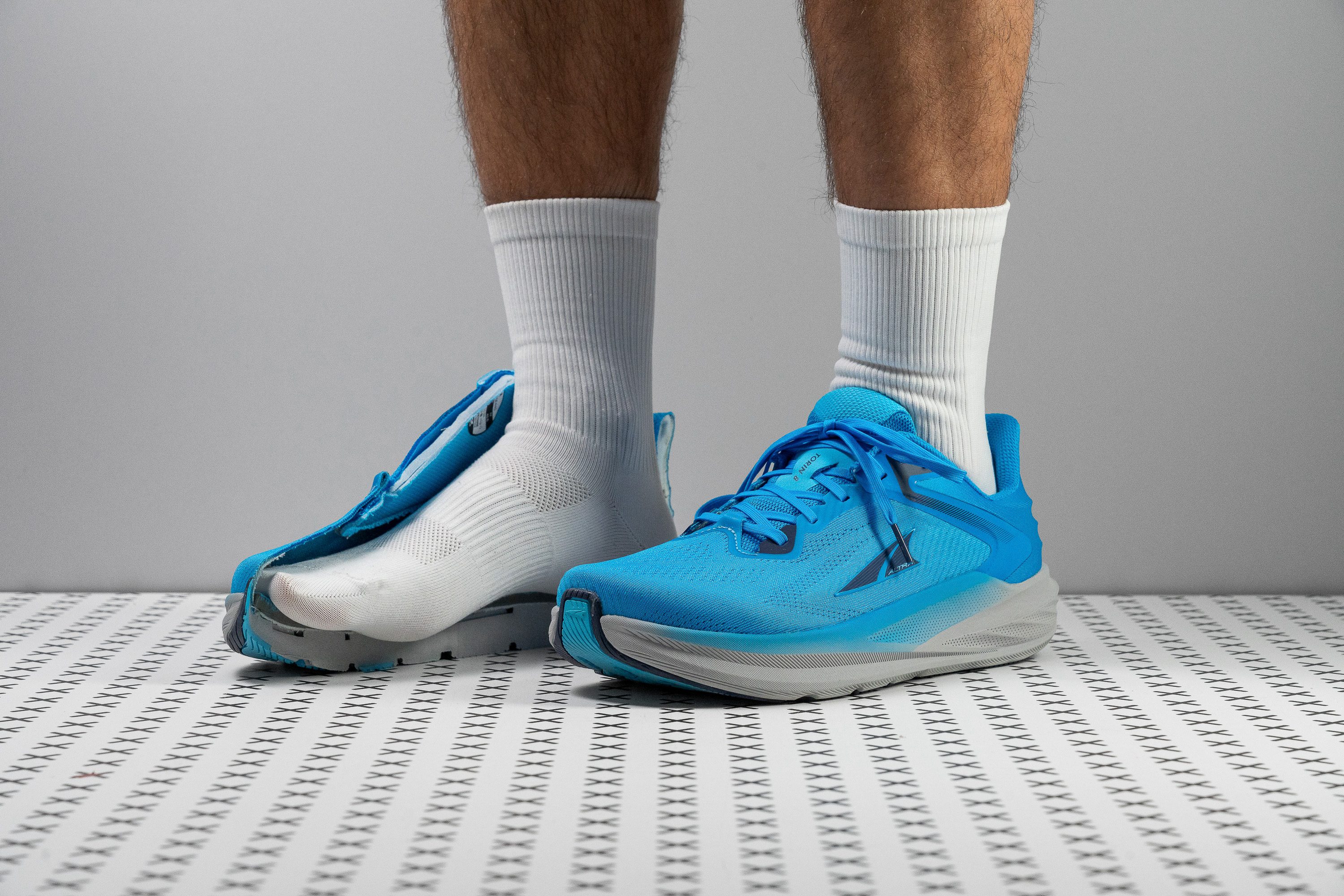
Heel toe drop in running shoes is the measured gap in stack height between the heel and the forefoot. If the heel is 30 mm and the forefoot is 20 mm, the drop is 10 mm. Brands also call it offset or ramp.
Most models range from 0 mm to 12 mm. Lower numbers feel more level. Higher numbers feel more built up in the heel. The number changes how your foot lands and how your joints load.
Why it matters: your body is a chain. A small change under your foot can shift stress up the line. That is why heel toe drop in running shoes is not just a spec. It is a fit choice that shapes your form.
How heel toe drop in running shoes affects your body
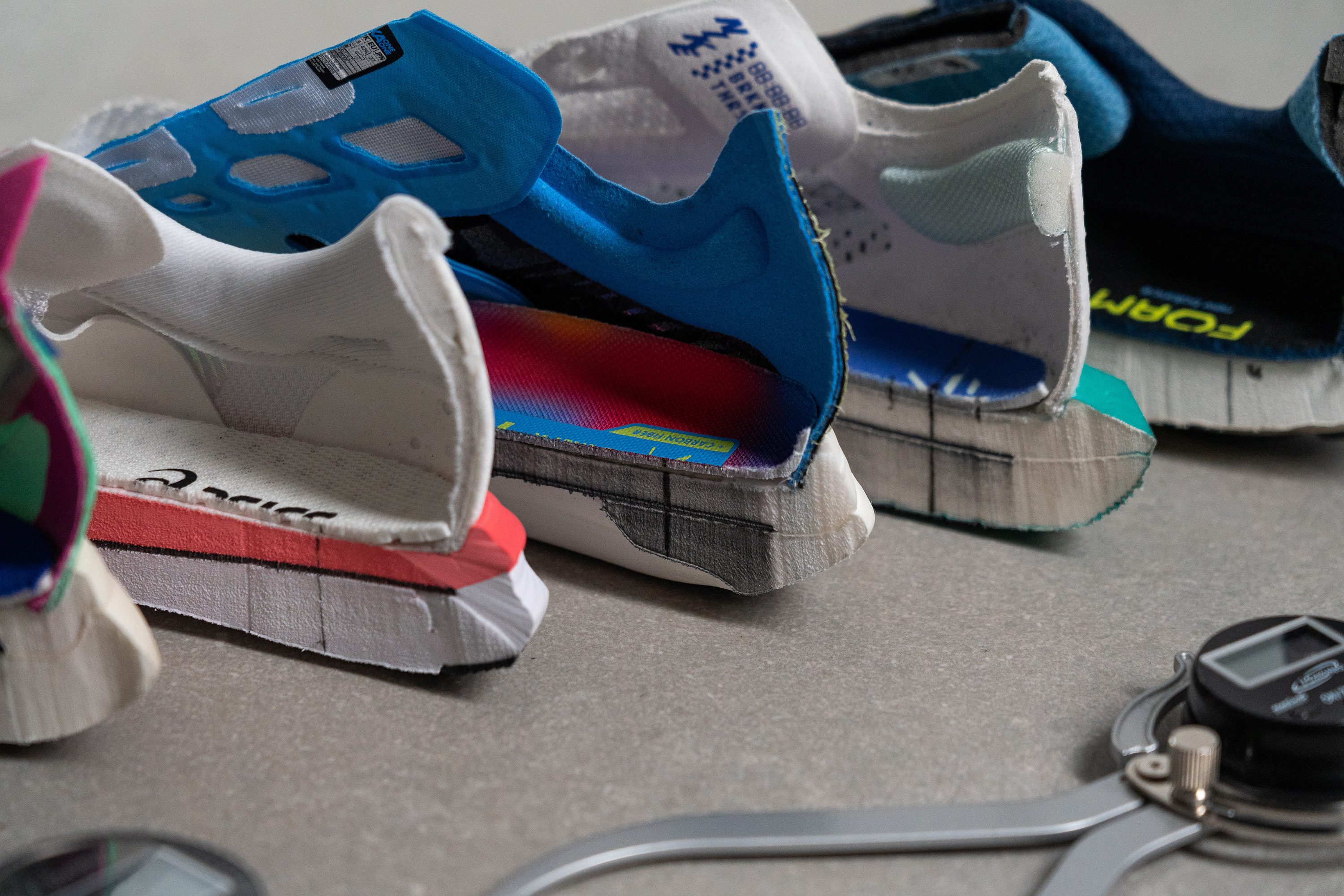
A higher drop often eases load on the calf and Achilles. It can help if those spots are tight or tender. A lower drop can spread load to the foot and ankle. It may boost stability for some midfoot strikers.
Here is how it tends to play out in real life:
- Foot strike pattern A higher drop can favor a softer heel strike. A lower drop can invite a flatter, midfoot landing.
- Ankle and calf load Lower drop increases ankle motion and calf work. Higher drop reduces it.
- Knee and hip forces Some runners feel less knee ache with a higher drop. Others find a lower drop reduces hip pinch. Your history and form matter.
I advise runners to test changes in small steps. Your tissues adapt, but they need time. Research in biomechanics shows that drop shifts joint moments. It does not change total load, only where the load goes.
The main categories of heel toe drop in running shoes
Use this as a simple map to the landscape.
Zero drop, 0 mm
- Feel Flat and natural underfoot.
- Best for Strong feet, seasoned minimal fans, short runs, drills.
- Watch for Calf and Achilles strain if you switch fast.
Low drop, 2–4 mm
- Feel Agile with some cushion, easy to corner and feel the ground.
- Best for Midfoot strikers, speed work, trail agility.
- Watch for Extra calf load on long days.
Medium drop, 5–8 mm
- Feel Balanced and versatile for most runs.
- Best for Daily training, mix of paces, most runners.
- Watch for None special, but fit still rules.
High drop, 9–12 mm
- Feel Protective for the heel, smooth roll forward.
- Best for Heel strikers, recovery runs, tight calves or sore Achilles.
- Watch for Less ground feel and a taller stance.
I keep several pairs across this range. Different days, different needs. That is a smart way to use heel toe drop in running shoes.

Pros and cons by drop range
Think in trade‑offs, not absolutes.
Low and zero drop
- Pros Better ground feel, quick turnover, stable on trails.
- Cons More calf and Achilles load, steeper learning curve.
Medium drop
- Pros Safe middle ground, works well for mixed training and most bodies.
- Cons Not as specialized for any single need.
High drop
- Pros Friendly to the heel, kind to tight calves, easy cruise on long days.
- Cons Less feeling of the ground, may mask sloppy form if you rely on it.
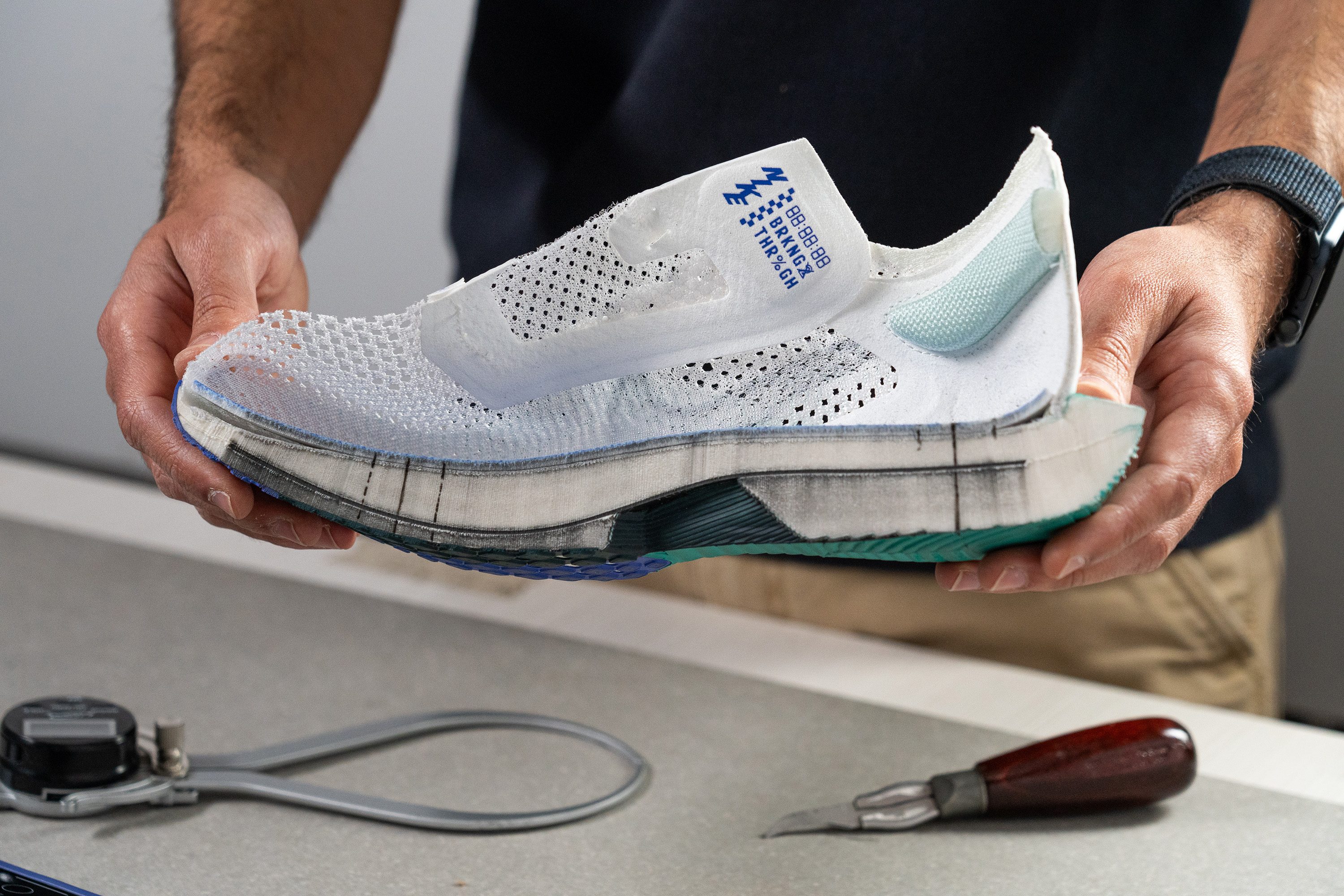
If you have plantar fascia pain, lower drop can help some runners because it may reduce heel pressure. Others prefer a cushy high drop for relief. This is why testing matters.
How to choose the right heel toe drop in running shoes
Match the drop to your body, your goals, and your routes.
Start with your history
- If your calves or Achilles are touchy, aim for 8–12 mm.
- If your knees nag, try 4–8 mm and see if load shifts help.
- If you love trails, 2–6 mm often feels planted on uneven ground.
Consider your stride
- Heavy heel strike Go 8–12 mm to soften impact and smooth transition.
- Midfoot strike Go 4–8 mm for balance and control.
- Forefoot strike Go 0–6 mm, but ensure enough forefoot cushion.
Align with your goal
- Speed work and tempo 2–6 mm often feels snappy.
- Easy and long runs 6–10 mm keeps things friendly.
- Rehab mode Often 8–12 mm, then adjust as tissues heal.
Fit first, drop second
- A perfect drop in a poor fit is still a bad shoe.
- Foot shape, width, and midsole firmness matter as much as drop.
Use heel toe drop in running shoes as one of many dials. The best choice is the one you can run in today and still run in next month.
A safe plan to change heel toe drop in running shoes
Shifting drop too fast is the classic mistake. Your calves will tell you. Here is a simple, proven plan I use with clients.
Week 1
- Wear the new drop for 10–15 minutes at the end of two runs.
- Add gentle calf raises and foot doming exercises.
Week 2
- Use the new drop for up to 25 percent of weekly miles.
- Keep easy pace. Skip hills in the new pair.
Week 3–4
- Move to 40–60 percent of weekly miles if soreness stays mild.
- Add one short workout only if all feels good.
Week 5+
- Reach 80–100 percent as comfort allows.
- Keep the old pair in rotation for recovery days.
Red flags Stop or step back if pain spikes or changes your gait. A small ache is normal. Sharp pain is not. This is how to win with heel toe drop in running shoes without overloading tissues.
What research and experts say about drop, injury, and speed
Large studies show mixed results on injury rates. That makes sense. Drop shifts where stress goes, not how much stress you make. Your training load, sleep, and strength may matter more.
Some lab tests show:
- Higher drop can reduce Achilles tendon strain and ankle dorsiflexion.
- Lower drop can increase ankle work and, at times, reduce knee load.
- Performance returns are individual. Economy gains come more from fit, weight, and midsole foam tech than drop alone.
My expert take Use heel toe drop in running shoes to manage load and feel. Use training and recovery to manage risk. Stack height, rocker shape, and foam rebound also play big parts in speed.
My field notes and real-world lessons
I once moved a marathoner with chronic Achilles pain from 4 mm to 10 mm. We kept the same brand and width. After six weeks and careful build, his flare‑ups eased and long runs felt smooth.
On the flip side, a trail runner kept rolling ankles in a 10 mm road shoe. We put her in a 4 mm trail model with a wide base and grippy outsole. She felt lower, more stable, and stopped rolling within a month.
Mistakes I see
- Changing drop and foam and fit all at once. Then you cannot tell what caused the issue.
- Switching from 12 mm to 0 mm in one week. Calves revolt.
- Ignoring strength work. Strong feet and calves make any drop safer.
Practical tip Keep a shoe log. Note drop, route, pace, and how your body felt. Patterns appear fast. That is how you use heel toe drop in running shoes like a pro.
How to test heel toe drop in running shoes before you buy
In-store checks
- Try two drops back to back at the same size and model family.
- Run on a treadmill for two minutes each, then swap. Feel the ankle and calf.
- Do a few strides on a flat surface. Pick the shoe that disappears on your foot.
At-home tricks
- Try on in the afternoon when feet are a bit swollen.
- Jog a short loop on smooth pavement. Listen for loud heel slaps or awkward forefoot taps.
What to feel
- Smooth roll from heel to toe with no pinching.
- Calves feel engaged but not strained.
- No pressure hot spots in the arch or toes.
Buying online Check the brand’s spec sheet for stack and drop. Read several reviews for sizing notes. If in doubt, start with medium drop, then fine-tune.
Rotation, care, and lifespan
A small rotation helps spread load across tissues. Mix one pair with higher drop and one with lower drop. This helps your body adapt and can cut monotony stress.
Care tips
- Let shoes dry between runs. Stuff with paper after wet runs.
- Track miles. Most foams fade at 300–500 miles.
- Retire a pair when you feel new aches or see creases in the midsole.
When you rotate, you feel how heel toe drop in running shoes changes your day. That helps you pick the right pair before key workouts.
Myths about heel toe drop in running shoes
Myth 1 Low drop is always better for form
- Good form is trained, not bought. Drop can help, but drills and strength seal the deal.
Myth 2 High drop causes knee pain
- For some runners, a higher drop eases knee load. Your result may differ.
Myth 3 Zero drop is minimalist and risky
- Zero drop can be safe with a slow build. Cushion and rocker can make it very protective.
Myth 4 One best drop for every runner
- Bodies differ. Goals change. Terrain varies. Your best drop today may change next season.
Frequently Asked Questions of heel toe drop in running shoes
What does heel toe drop in running shoes actually measure?
It measures the height difference between the heel and the forefoot. A 10 mm drop means the heel sits 10 mm higher than the forefoot.
Is a lower heel toe drop in running shoes better for speed?
Sometimes. Lower drops can feel quick and agile, but midsole foam and fit often matter more for speed.
Can heel toe drop in running shoes prevent injuries?
It can shift stress away from tender spots, which may help. It is not a cure; training load and recovery are bigger factors.
How fast can I switch heel toe drop in running shoes?
Change over four to six weeks. Start with short runs, watch your calves, and add time only if it feels good.
What heel toe drop in running shoes is best for beginners?
A medium drop between 6–8 mm is a safe start. It offers balance while you learn what your body prefers.
Does heel toe drop in running shoes matter for trail running?
Yes. Many trail runners like 2–6 mm for stability and ground feel. Rock plates and outsole grip also matter a lot.
Will a high heel toe drop in running shoes help Achilles pain?
It can reduce Achilles strain for some runners. Test it slowly and pair with strength and mobility work.
Conclusion
Heel toe drop in running shoes is a simple number with big effects. It shapes how you land, where you load, and how you feel at mile ten. Use it to guide your choices, not to lock you in a box.
Pick a drop that fits your body and your goals. Change it slowly. Build strong feet and steady habits. Then run more, worry less. If you are ready, try on two different drops this week and note the difference. Share your experience, subscribe for more guides, or ask a question so we can fine-tune your next pair together.