Can You Use Trail Running Shoes for Road Running: Expert Guide

Trail running and road running are both popular ways to stay fit and enjoy the outdoors, but they demand different things from your footwear. If you have a pair of trail running shoes, you might wonder: Can you use trail running shoes for road running? The answer is not as simple as yes or no. Many runners find themselves in situations where they need to run on roads with trail shoes, whether for convenience, budget reasons, or just curiosity. Before you decide, it’s important to understand how trail shoes differ from road shoes, what happens when you mix their uses, and when this choice makes sense—or doesn’t.
Trail shoes are designed to handle rough paths, muddy slopes, and rocky climbs. Road shoes, on the other hand, focus on smooth surfaces and repetitive motion. Yet, life is not always as clear-cut as a running shoe shelf. Maybe your favorite route has both pavement and dirt.
Maybe you’re testing your shoes’ versatility, or just want to avoid buying multiple pairs. Whatever your reason, using trail shoes on the road is a real-world scenario for many runners. Let’s explore what actually happens when you take trail running shoes onto the pavement, and what you should consider before lacing up.
Key Differences Between Trail And Road Running Shoes
Trail and road running shoes have different jobs, so they’re built differently. Understanding these key differences will help you see why some shoes perform better on certain surfaces.
Outsole Design
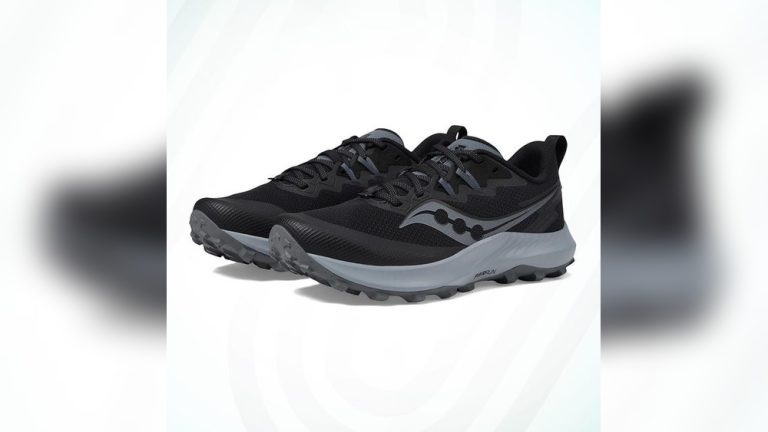
The outsole is the bottom part of the shoe that touches the ground. Trail shoes have aggressive patterns called lugs for grip on dirt, rocks, and mud. These lugs dig into soft ground and help prevent slips. Road running shoes have flatter, smoother outsoles that provide a steady grip on pavement but aren’t meant for loose terrain.
Cushioning
Cushioning is about how soft or firm the shoe feels under your feet. Road running shoes usually offer more cushioning in the heel and forefoot, as running on pavement creates more repetitive impact. Trail shoes often have firmer cushioning to give a stable base on uneven ground and sometimes include special plates to protect your feet from rocks.
Upper Materials
The upper is everything above the outsole. Trail shoes use tougher, more durable materials and sometimes have overlays or a reinforced toe cap to protect from debris. Road shoes focus more on breathability and light weight, since runners don’t expect to hit sticks and stones.
Weight
Trail shoes are generally heavier because of their added protection and grip features. Road shoes are lighter, designed for speed and efficiency.
Flexibility
Road shoes are usually more flexible, letting your foot move naturally on flat surfaces. Trail shoes are stiffer, which helps prevent twisting your ankle on rough terrain.
Drop And Stack Height
The drop is the height difference between the heel and toe. Road shoes often have a higher drop to support forward motion and heel striking. Trail shoes may have a lower drop to encourage better balance and midfoot striking on tricky surfaces. Stack height (overall sole thickness) may also be lower in trail shoes for stability.
What Happens When You Use Trail Running Shoes On The Road?
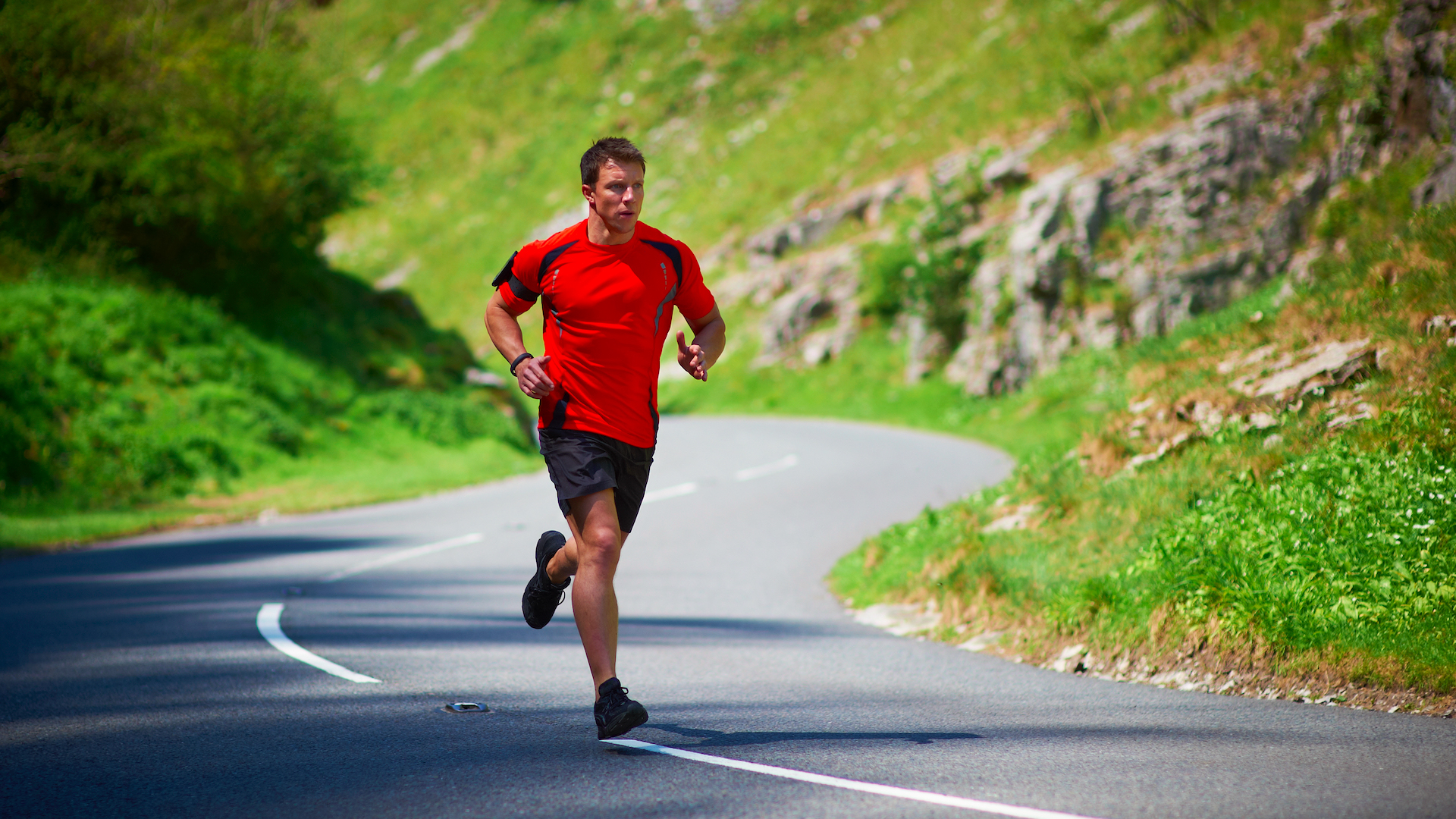
Trail running shoes can handle pavement, but their design makes the experience different from using road shoes. Here’s what to expect if you use trail shoes for your road runs.
Increased Durability Concerns
Trail shoes’ tough outsoles are made for soft or mixed terrain. On hard pavement, these lugs wear down much faster. Not only does this shorten the life of your shoes, but the worn-out lugs can make the shoes less effective for future trail runs.
Less Efficient Stride
Trail shoes are heavier and stiffer, which can make your stride feel clunky on the road. You might tire out sooner, especially during long runs. The extra grip isn’t needed on smooth surfaces, so you’re carrying unnecessary weight.
Reduced Comfort
Because trail shoes focus on foot protection, their cushioning is often firmer. On pavement, this means less shock absorption. Some runners feel sore after longer road runs in trail shoes, especially if they’re used to the plush comfort of road shoes.
Noise And Grip
Trail lugs can make a crunchy or slappy noise on pavement. The extra grip is not only unhelpful but can also feel strange—sometimes even sticky—on smooth, dry surfaces.
Possible Overheating
Trail shoe uppers are usually less breathable. On hot road runs, your feet may get warmer than in a typical road shoe, leading to discomfort or blisters.
Credit: www.advnture.com
When Does It Make Sense To Use Trail Shoes On The Road?
Despite the drawbacks, there are situations where using trail shoes on the road is a smart or practical choice.
Mixed-terrain Runs
If your route combines trail and road—say, a mile of pavement to reach the park, then several miles on dirt—trail shoes are often the better choice. You get the protection and grip needed for the trail, and the road sections are manageable.
Wet Or Icy Conditions
Trail shoes often grip better on wet, icy, or snowy roads than regular road shoes. Their lugs can dig into slippery surfaces, reducing the risk of slipping, especially in winter.
Budget Or Simplicity
Not everyone wants to own multiple pairs of running shoes. If you run both trails and roads but don’t want to buy two pairs, trail shoes can do double duty in many cases. Just be aware of the trade-offs.
Heavier Or Bigger Runners
Some runners, especially those with a heavier build, may appreciate the extra support and protection trail shoes provide—even on the road. The firmer sole can feel more stable for certain body types.
Running With A Pack
If you’re running with a backpack or carrying extra weight, trail shoes can offer more support, even on roads.
When Should You Avoid Trail Shoes On The Road?
Trail shoes are not always the best choice for pavement. Here’s when you should stick with road shoes.
Long-distance Road Running
If you’re training for a road marathon or running long distances on pavement, road shoes will almost always be more comfortable and efficient. The extra weight and stiffer feel of trail shoes can lead to fatigue or even injury.
Speedwork Or Racing
Trail shoes are usually heavier and less responsive. If you care about your pace or are racing on roads, road shoes will help you run faster and save energy.
Flat, Dry, And Smooth Pavement
On clean, dry roads, trail shoes are simply overbuilt. You get no extra benefit from the lugs or protection, but pay the price in comfort and shoe lifespan.
Hot Weather
Trail shoes’ less-breathable uppers can lead to overheating and blisters on hot pavement runs.
Real-world Examples And Runner Experiences
To understand what it’s really like to use trail running shoes for road running, let’s look at some real-world feedback and studies.
Case Study: Urban Trail Runners
Many city runners combine road and trail in the same workout. A survey by the American Trail Running Association found that over 30% of runners use one pair for both surfaces, especially when their routes are mixed. Most were satisfied but noted increased wear on the outsole and a slightly heavier feel.
Pro Athlete Insights
Elite runners such as Kilian Jornet have sometimes used trail shoes for road sections in ultra-distance races. However, they usually switch to road shoes when running pure pavement for long distances, highlighting the efficiency difference.
Shoe Testing Data
In lab tests, trail shoe outsoles lost up to 30% of their lug depth after just 100 miles on pavement, compared to minimal wear on trails. The same study found road shoes kept their grip and cushioning longer when used as intended.
Beginner Mistakes
Some runners try to save money by using trail shoes on the road, only to discover they wear out quickly or cause foot pain. Others enjoy the tough feel and protection, but don’t realize they’re losing efficiency and comfort.
Comparing Trail Shoes And Road Shoes For Road Running
To make this more concrete, here’s a direct comparison of typical trail and road shoes when used on pavement:
| Feature | Trail Running Shoes | Road Running Shoes |
|---|---|---|
| Outsole Grip | Excellent on trails, excessive on roads | Optimal for roads, poor on trails |
| Cushioning | Firmer, more protective | Softer, more shock absorption |
| Weight | Heavier | Lighter |
| Durability on Pavement | Lower (lugs wear fast) | High (designed for pavement) |
| Breathability | Lower | Higher |
| Flexibility | Stiff | Flexible |
| Best Use | Trails, mixed terrain | Roads, tracks |

Credit: trailandkale.com
Common Myths About Trail Shoes On The Road
It’s easy to hear advice from friends or online groups, but not all of it is accurate. Let’s clear up some common myths.
“trail Shoes Are Always Better Because They’re Tougher”
Trail shoes are built for protection, but that doesn’t mean they’re better on pavement. The tough lugs and overlays make them less efficient on smooth surfaces, and you lose some of the comfort and flexibility road shoes offer.
“you’ll Damage Your Feet If You Run On The Road In Trail Shoes”
For most people, using trail shoes for short or moderate road runs won’t cause harm. Problems arise mainly from long-term use, poor fit, or running very long distances on hard surfaces.
“trail Shoes Last Longer Because They’re Built For Abuse”
Trail shoes are made to resist rocks and mud, but their outsoles actually wear out faster on pavement. You might burn through a pair of trail shoes quickly if you only run roads.
“you Can’t Race In Trail Shoes On The Road”
You can race in whatever shoes you choose. However, you might be slower and less comfortable in trail shoes compared to lightweight, responsive road shoes.
Situations Where Trail Shoes Excel On Roads
There are some cases where trail shoes may actually be preferable, even on pavement.
Bad Weather Running
If you run on roads that are often wet, icy, or covered in debris, the extra grip from trail shoes can keep you upright. Many winter runners switch to trail shoes when conditions are poor.
Urban Adventure Races
Events that mix stairs, grass, pavement, and gravel favor trail shoes. The protection and grip help you tackle any surface confidently.
Recovery Runs
On easy days or recovery runs, the extra protection and slower pace of trail shoes may not be a drawback.
How To Choose A Shoe For Both Road And Trail
If you want one shoe for both surfaces, look for these features:
- Moderate Lugs: Some trail shoes have less aggressive tread, making them more comfortable on roads.
- Balanced Cushioning: Choose a shoe with enough cushion for pavement, but still stable for trails.
- Durable Upper: Look for shoes with breathable yet protective mesh.
- Weight: Try to find a lighter trail shoe.
- Fit: Make sure the shoe fits well and doesn’t slip on either surface.
Popular models like the Salomon Sense Ride, Brooks Cascadia, and Hoka One One Challenger ATR are known for their versatility.
Trail-to-road Hybrid Shoes: Are They Worth It?
Some brands now make hybrid shoes—designed to perform well on both trails and roads. These are often called “door-to-trail” shoes. They offer:
- Less aggressive tread
- Balanced cushioning
- Lightweight materials
- Good durability on both surfaces
Here’s a quick look at how hybrid shoes compare to pure trail and pure road shoes:
| Type | Best Surface | Tread Aggressiveness | Cushioning | Typical Weight |
|---|---|---|---|---|
| Trail | Rough, soft, technical | High | Firm | Heavier |
| Road | Pavement, track | Low | Soft | Lighter |
| Hybrid | Mixed (road & trail) | Moderate | Balanced | Medium |
Hybrid shoes can be a good compromise if you regularly run both surfaces and want to avoid switching shoes.
Signs Your Trail Shoes Are Wearing Out From Road Use
If you often use trail shoes on pavement, watch for these early warning signs:
- Worn-down lugs: The outsole becomes smooth or uneven.
- Reduced grip: Slipping more, even on trail sections.
- Loss of cushioning: Shoes feel hard or uncomfortable.
- Upper breakdown: Holes or tears from friction.
- Heel slippage: The fit changes as the shoe breaks down.
Replacing shoes before they’re fully dead can prevent injuries.
Practical Tips For Using Trail Shoes On The Road
If you decide to use your trail shoes on the road, here’s how to make the best of it:
- Limit long road runs: Use trail shoes for short to moderate distances.
- Rotate shoes: If possible, keep a pair of road shoes for pure pavement days.
- Clean shoes regularly: Road grit can wear down soles faster.
- Monitor wear: Check the outsole and cushioning every few weeks.
- Choose hybrid models: If you run both surfaces often, hybrids offer better balance.
Beginner Insights Most Miss
Many beginners don’t realize how much shoe weight affects running efficiency. Even a few extra ounces can slow your pace and increase fatigue over a long road run. Also, lugs that feel soft and grippy on dirt become a liability on smooth pavement, making you work harder for each step.
Understanding these small details can help you avoid discomfort, save money, and run smarter.
Another overlooked fact: Shoe fit can change when switching surfaces. Trail shoes may feel perfect on soft ground but sloppy or tight on pavement, as your stride and foot shape adjust to harder impact.
Trail Shoes For Road Running: Injury Risks And Prevention
While using trail shoes on the road is usually safe for short runs, it can lead to certain injuries if you’re not careful.
Overuse Injuries
Heavier, stiffer shoes can change your running mechanics, increasing the risk of shin splints, plantar fasciitis, or knee pain over time. This is especially true if you suddenly switch from road to trail shoes without adjusting your routine.
Blisters And Hotspots
Trail shoes’ snug fit and less breathable uppers can create friction, leading to blisters or hotspots, especially in hot conditions.
Reduced Shock Absorption
Less cushioning means your joints and bones absorb more impact on hard surfaces, which can cause soreness or injury.
Prevention Tips
- Transition gradually: Don’t switch all your runs to trail shoes at once.
- Listen to your body: If you feel new aches or pains, take a break or switch back to road shoes.
- Use proper socks: Good running socks can prevent blisters.
- Check fit regularly: Your feet may swell more on pavement; adjust laces as needed.
Environmental Impact: Shoe Wear And Tear
Running on the wrong surface can mean buying new shoes more often. Trail shoes used on pavement may need replacing after 200–300 miles, compared to 400–500 miles for road shoes used as intended. This is not only costly but also increases your environmental footprint.
Proper shoe rotation and matching shoes to surfaces help reduce waste.
Shoe Brands And Models: Versatility Rankings
Some trail shoes are better suited for road use than others. Here’s a quick comparison of popular trail shoes and their versatility for road running:
| Shoe Model | Trail Performance | Road Comfort | Hybrid Use |
|---|---|---|---|
| Hoka Challenger ATR | Very Good | Good | Excellent |
| Brooks Cascadia | Excellent | Average | Good |
| Salomon Sense Ride | Good | Good | Very Good |
| Altra Lone Peak | Excellent | Below Average | Average |
| Nike Pegasus Trail | Good | Very Good | Very Good |
Look for models labeled “ATR” (All Terrain Running) or “Door-to-Trail” for better road compatibility.

Credit: www.reddit.com
Expert Recommendations
Most running coaches and podiatrists agree: Use the right tool for the job. If you mainly run on roads, invest in road shoes. If your routes are mixed or unpredictable, a versatile trail or hybrid shoe is smart. For dedicated trail runners, save your trail shoes for dirt and mud to maximize their lifespan and performance.
One often-missed tip: Rotate your shoes. Alternating between two pairs (even if both are trail shoes) reduces wear and lets the midsoles recover their shape, extending shoe life and reducing injury risk.
For more in-depth science on shoe design and injury prevention, see this Wikipedia article on running shoes.
Frequently Asked Questions
Can I Wear Trail Running Shoes Every Day For Walking Or Casual Use?
Yes, you can. Trail shoes are durable and protective, making them comfortable for walking and everyday use. However, they might feel heavier than regular sneakers, and the outsole can wear out quickly if used mainly on pavement.
Will Using Trail Shoes On The Road Damage My Feet?
Not immediately, but long-term use can lead to discomfort, blisters, or overuse injuries due to less cushioning and flexibility. It’s best to listen to your body and switch shoes if you notice pain.
Are There Shoes Made For Both Trails And Roads?
Yes, many brands now make hybrid or “door-to-trail” running shoes. These offer moderate grip, balanced cushioning, and lighter weight, making them suitable for both surfaces.
How Can I Tell If My Trail Shoes Are Wearing Out From Road Use?
Watch for smooth or uneven outsoles, loss of grip, reduced cushioning, or new aches and pains during your runs. If the shoe’s performance changes, it’s time to replace them.
Do I Need To Change My Running Style When Using Trail Shoes On Roads?
You don’t have to, but you may notice changes in your stride due to shoe stiffness and weight. Take it slow at first, and avoid sudden changes in distance or intensity.
Running is a simple sport, but the details—like shoe choice—matter. Trail running shoes can handle the road for short or mixed runs, but they’re not perfect substitutes for road shoes. If you mix surfaces or want one pair for everything, consider hybrid shoes.
Listen to your body, check your shoes often, and enjoy the journey, whether you’re on dirt or pavement.