Good Running Shoes for Heavy Person: Top Picks for Comfort

Finding the right running shoes is important for everyone, but it’s especially critical if you’re a heavier person. The wrong shoes can lead to pain, injuries, or simply make running less enjoyable. But with the right support, cushioning, and fit, running can be comfortable—even transformative. This guide covers everything you need to know about good running shoes for heavy person—from what features matter most, to the best models, and how to make a smart, lasting choice.
Why Shoe Choice Matters More For Heavier Runners
Running puts pressure on your feet with every step. For heavier runners, this impact is even greater. Studies show that ground reaction forces can be 2–3 times your body weight with each stride. That means a 220 lb person could land with 440–660 lbs of force on one foot. Without the right shoes, this repeated stress increases the risk of issues like plantar fasciitis, knee pain, and shin splints.
Heavier runners often break down shoes faster. Standard shoes may lose their cushioning or support quickly, leading to discomfort and injuries. That’s why choosing the right pair isn’t just about comfort—it’s about protecting your body over the long run.
Key Features To Look For In Running Shoes For Heavy People
Not all running shoes are equal when it comes to supporting higher weights. Here are the most important features to consider:
1. Cushioning
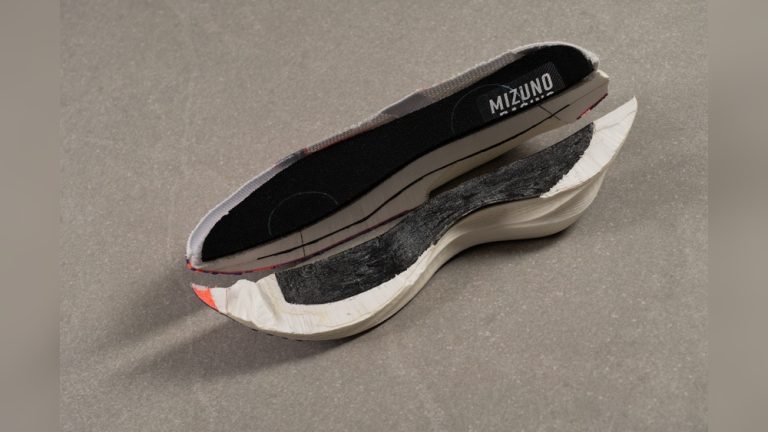
Heavier runners need more shock absorption. Look for shoes with substantial midsole foam, gel, or air units. These materials help reduce impact and protect joints.
2. Support & Stability
Overpronation (foot rolling inward) is common in heavier runners. Stability shoes offer reinforced midsoles or medial posts that help guide your stride. If you have flat feet or low arches, this is especially important.
3. Durability
Shoes should hold up for at least 300–500 miles. Check for reinforced outsoles and high-quality materials. Shoes that break down too fast will cost more in the long run and may lead to injury.
4. Fit & Width Options
Heavier runners often have wider feet. Look for brands that offer wide (2E, 4E) or extra-wide options. Shoes that are too tight can cause blisters, numbness, and toenail problems.
5. Heel-to-toe Drop
This is the difference in height between the heel and forefoot. Many heavier runners do well with a moderate drop (8–12 mm), which helps reduce calf and Achilles strain.
6. Arch Support
Proper arch support distributes weight evenly. Custom orthotics can help, but the right shoe is the first step.
7. Weight Of The Shoe
Lighter isn’t always better. A slightly heavier shoe with more support is often safer for heavier runners.
Non-obvious insight:
Many beginners focus on cushion alone, but long-term comfort comes from a balance of cushioning and stability. Also, keep in mind that the best shoe for you depends on your foot shape, stride, and running goals—not just your weight.
Common Mistakes Heavy Runners Make When Choosing Shoes
It’s easy to make errors when choosing running shoes, especially if you’re heavier. Avoid these common pitfalls:
- Buying the cheapest option: Inexpensive shoes often lack the technology needed for proper support and cushioning.
- Ignoring width: Wearing shoes that are too narrow leads to pain and injuries.
- Not replacing shoes soon enough: Heavy runners need to replace shoes more often (sometimes after 300 miles instead of 500).
- Choosing shoes based on looks: Fashion should come second to function.
- Not testing shoes in-store: Always try shoes on at the end of the day (when feet are largest) and wear your usual running socks.
Top Running Shoes For Heavy People
Based on expert and user reviews, as well as lab testing, here are some of the best running shoes for heavier runners. This list covers a range of needs: neutral, stability, max-cushion, and wide options.
| Shoe Model | Best For | Weight (Men’s US 9) | Drop (mm) | Widths Available |
|---|---|---|---|---|
| Brooks Glycerin GTS 21 | Maximum Cushion + Stability | 10.5 oz | 10 | Regular, Wide |
| ASICS Gel-Kayano 30 | Overpronation Support | 10.7 oz | 10 | Regular, Wide |
| Hoka Bondi 8 | Maximum Cushion | 10.8 oz | 4 | Regular, Wide, X-Wide |
| New Balance 1080v13 | Neutral Cushion | 10.3 oz | 6 | Regular, Wide, X-Wide |
| Brooks Beast 20 | Motion Control | 12.5 oz | 12 | Regular, Wide, X-Wide |
| Altra Olympus 5 | Zero Drop, Wide Toe Box | 12 oz | 0 | Regular, Wide |
| Mizuno Wave Sky 7 | Soft Cushion, Neutral | 10.7 oz | 8 | Regular, Wide |
| Saucony Triumph 21 | All-Around Comfort | 9.8 oz | 10 | Regular, Wide |
| ASICS GT-4000 3 | High Stability | 11.3 oz | 10 | Regular, Wide |
| Hoka Gaviota 5 | Max Cushion + Stability | 11.1 oz | 6 | Regular, Wide |
Brooks Glycerin Gts 21
This shoe is a favorite for maximum cushioning and stability. The GTS version includes GuideRails for extra support, which is great for heavier runners who tend to overpronate. The DNA Loft v3 foam midsole is soft but durable, and it comes in wide sizes.
Asics Gel-kayano 30
Known for its plush ride and strong support system, the Kayano line is a classic among heavier runners. The new 4D Guidance System makes transitions smooth, while the gel units absorb shock. It’s ideal for those needing extra support underfoot.
Hoka Bondi 8
If you want a “walking on clouds” feeling, the Bondi 8 delivers. The thick midsole is soft yet responsive. Despite its bulk, it’s surprisingly light. The wide base is stable for larger runners, and it’s available in extra-wide.
New Balance 1080v13
This is a neutral shoe with Fresh Foam X cushioning. It’s bouncy, soft, and fits many foot shapes. Wide and extra-wide sizes make it popular for heavy runners with broader feet.
Brooks Beast 20
A true motion control shoe, the Beast is built for maximum support. It’s heavier, but the stability is unmatched. Great for severe overpronation or flat feet.
Altra Olympus 5
Unique for its zero drop (no height difference between heel and toe), the Olympus 5 also features a wide toe box. It’s best for runners who want a natural foot position with lots of cushion.
Mizuno Wave Sky 7
This shoe uses Mizuno Enerzy foam for a soft yet supportive feel. The Wave Plate tech helps guide your foot and absorb shock.
Saucony Triumph 21
A well-rounded option with a plush feel and a balanced ride. PWRRUN+ foam is springy and long-lasting, and it comes in wide sizes.
Asics Gt-4000 3
Built for stability, this model is less bulky than others but still offers firm support. Good for those who want a stable, not-too-heavy shoe.
Hoka Gaviota 5
Combines Hoka’s famous cushioning with extra stability. The J-Frame support system helps control overpronation without feeling stiff.
Non-obvious insight:
Many heavy runners skip “max cushion” shoes, thinking they’ll feel unstable. But models like the Bondi 8 and Glycerin GTS are specifically designed with a wide base for better balance.
How To Choose The Best Running Shoe For Your Needs
Finding the perfect shoe is about more than picking a popular model. Here’s how to match your needs:
1. Know Your Foot Type
- Flat feet: Look for stability or motion control shoes (e.g., Brooks Beast, ASICS GT-4000).
- High arches: Choose cushioned, flexible shoes (e.g., New Balance 1080, Hoka Bondi).
- Wide feet: Pick brands with wide or extra-wide options.
2. Understand Your Gait
- Overpronators (feet roll in): Need stability or motion control.
- Neutral runners: Can pick most neutral or max-cushion shoes.
- Supinators (feet roll out): Need flexible, cushioned shoes, avoid too much stability.
Most specialty running stores offer free gait analysis. This step is worth it—you’ll avoid trial and error.
3. Prioritize Comfort Above All
A shoe should feel comfortable as soon as you put it on. There’s no “breaking in” for running shoes—discomfort means it’s the wrong shoe.
4. Test Different Brands
Each brand fits differently. For example, New Balance tends to be roomier, while Nike may run narrow.
5. Don’t Ignore The Weight
Extra cushioning and support usually mean a heavier shoe. If you plan long runs, balance weight with support.
Practical tip:
Bring your old running shoes when shopping. Staff can spot wear patterns to suggest the right support.
Durability: How Long Will Running Shoes Last For Heavy Runners?
Shoe life depends on body weight, running style, and surfaces. For heavier runners, expect about 300–400 miles before cushioning and support fade. This is often less than the 500-mile rule for lighter runners.
Signs It’s Time To Replace Your Shoes
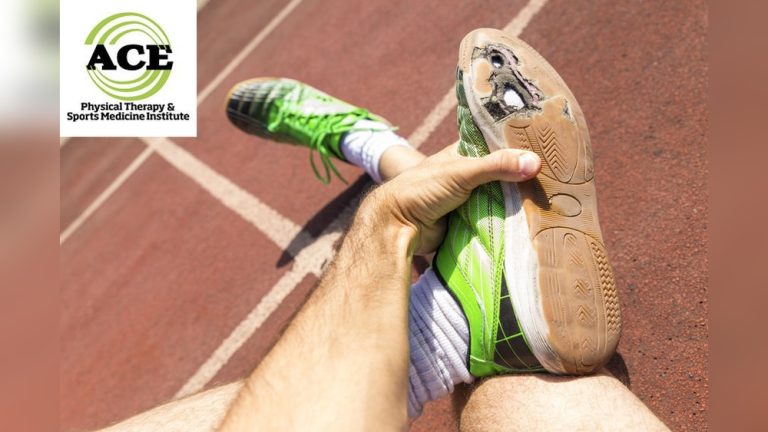
- Midsole feels flat or hard.
- Tread is worn smooth, especially at the heel or forefoot.
- You start to feel new aches or pains in your feet, knees, or hips.
- Uppers are torn or the heel counter is bent.
Heavier runners should check shoes more often and keep a log of miles. Rotating two pairs can also extend shoe life.

Credit: www.youtube.com
Comparing Popular Running Shoes For Heavy Runners
Let’s look at how some top models stack up on critical factors:
| Shoe | Cushion | Stability | Durability | Width Options |
|---|---|---|---|---|
| Brooks Glycerin GTS 21 | Very High | High | Excellent | Yes |
| ASICS Gel-Kayano 30 | High | Very High | Very Good | Yes |
| Hoka Bondi 8 | Maximum | Medium | Good | Yes |
| New Balance 1080v13 | High | Medium | Very Good | Yes |
| Brooks Beast 20 | High | Maximum | Excellent | Yes |
What this means: If you need the most stability, the Brooks Beast or ASICS Gel-Kayano are best. For maximum cushion, try the Bondi 8 or Glycerin GTS. If durability is your top concern, Brooks models tend to last longer.
Tips For Getting The Most Out Of Your Running Shoes
- Alternate pairs: Rotating two pairs of shoes gives cushioning more time to recover between runs.
- Dry shoes properly: Never put them in a dryer. Remove insoles and let them air dry if they get wet.
- Use for running only: Don’t wear your running shoes for casual use.
- Replace insoles: Upgrading to custom orthotics or premium insoles can give extra support if needed.
- Track mileage: Use a running app or write down miles to know when shoes are wearing out.
Non-obvious insight:
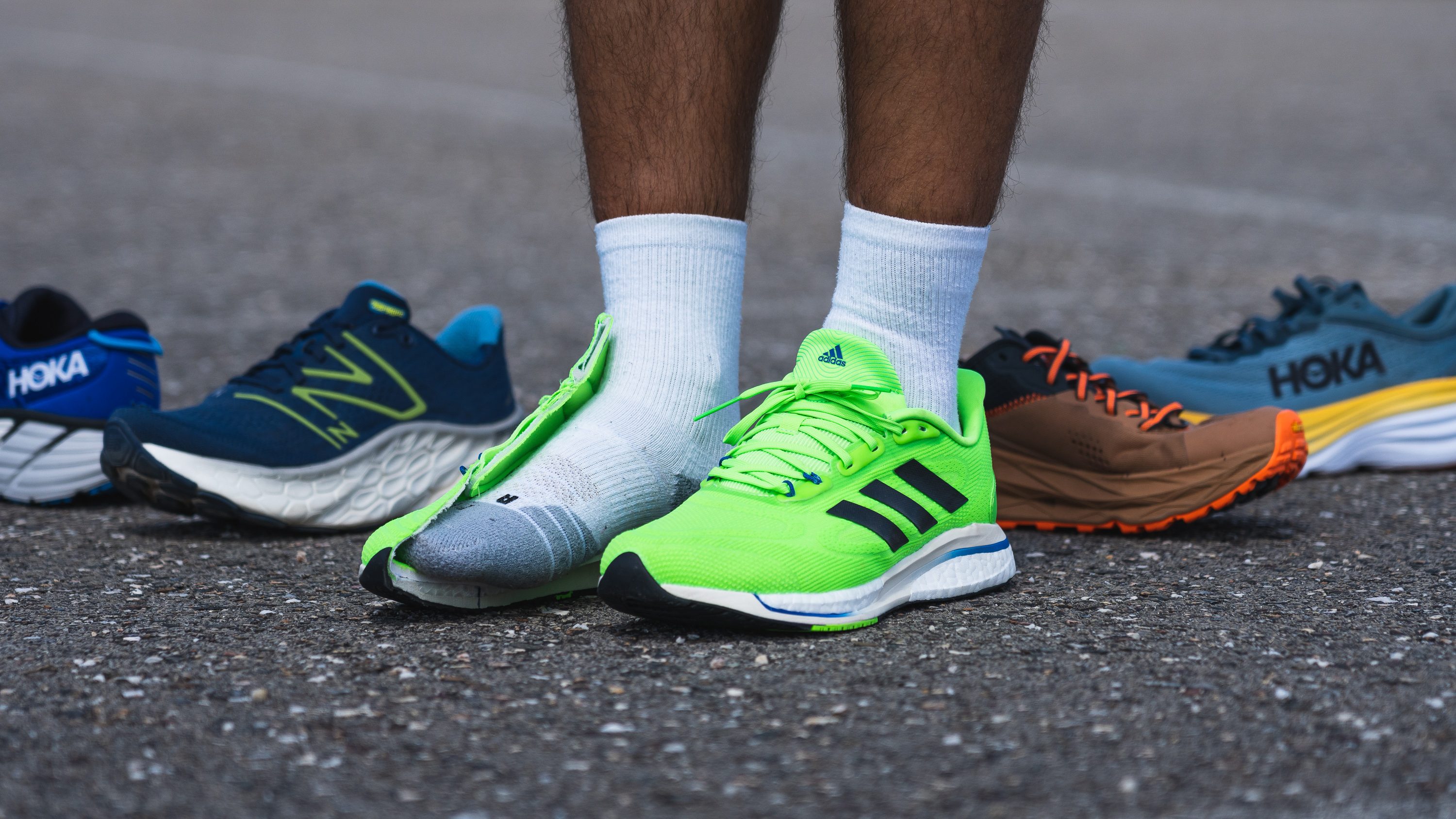
Running on softer surfaces (like trails or tracks) can extend the life of your shoes and reduce impact on your joints. Even alternating between pavement and grass helps.
Credit: runrepeat.com
Special Considerations For Women And Heavy Runners
Women’s shoes are not just smaller versions of men’s. They’re shaped differently—wider at the forefoot, narrower at the heel, and softer in the midsole. Heavier women should look for women’s-specific shoes that offer:
- Wide width options (often labeled D or 2E for women)
- Extra cushioning under the forefoot and heel
- Proper arch support for the female foot shape
Some brands (like Brooks, New Balance, and ASICS) are known for offering wide and extra-wide women’s sizes. If you can’t find a perfect fit, don’t be afraid to try men’s shoes—just size down by 1. 5 (for example, women’s 9 = men’s 7.
5).
Running Form And Injury Prevention
Even the best shoes can’t fix poor running form. Heavy runners are at higher risk for:
- Knee pain
- Plantar fasciitis
- Shin splints
- Lower back pain
Simple ways to reduce injury risk:
- Start slow: Gradually increase mileage by no more than 10% per week.
- Strength train: Strong glutes, quads, and core support your stride.
- Stretch regularly: Focus on calves, hamstrings, and hips.
- Warm up and cool down: Don’t skip these—they prepare your body for impact.
- Listen to your body: Pain is a warning, not a challenge.
Pro tip:
Heavier runners often benefit from walk-run programs, especially when starting out. This builds endurance while reducing injury risk.

Credit: www.runnersworld.com
How To Save Money Without Sacrificing Quality
Good running shoes can be expensive, but there are smart ways to save:
- Buy last year’s model: Technology changes slowly; last year’s shoes are often just as good at a discount.
- Shop sales: Look for end-of-season or holiday deals.
- Check return policies: Many stores (and online retailers) let you test shoes for 30–60 days risk-free.
- Join rewards programs: Some running stores offer points or discounts for repeat buyers.
Warning:
Avoid fake or knockoff shoes—these often lack real support and can be dangerous. Always buy from reputable retailers or directly from brand sites.
When To See A Specialist
If you keep getting injured, have chronic pain, or struggle to find shoes that feel right, it may be time for a gait analysis or a visit to a podiatrist. Custom orthotics can be life-changing for some heavy runners, especially those with unique foot shapes or past injuries.
Real-world Experiences: Stories From Heavy Runners
Case Study 1:
James, 260 lbs, struggled with shin splints until he switched to Brooks Beast. The extra support and wide fit made a night-and-day difference. “I went from dreading runs to looking forward to them,” he says.
Case Study 2:
Maria, 210 lbs, tried several shoes before landing on Hoka Bondi 8. “The cushion felt amazing, but what really helped was getting fitted for wide width,” she explains. “No more numb toes, and my knees hurt less after long runs.
”
Case Study 3:
Sam, 240 lbs, thought lighter shoes would be better. After repeated injuries, he switched to ASICS Gel-Kayano and noticed fewer aches. “I didn’t realize how much support I needed until I tried real stability shoes. ”
Takeaway:
Heavier runners who succeed often experiment with several shoes and get expert advice. The right fit can transform your running experience.
Frequently Asked Questions
What Is The Best Running Shoe For A Heavy Person With Flat Feet?
For flat feet, stability or motion control shoes are best. The Brooks Beast 20 and ASICS GT-4000 offer strong arch support and help control overpronation. These shoes reduce the risk of foot and knee pain.
How Often Should Heavy Runners Replace Their Running Shoes?
Heavier runners should replace shoes every 300–400 miles. This is sooner than the 500-mile guideline for lighter runners. Watch for signs like flattened cushioning, worn tread, or new aches—these mean it’s time for a new pair.
Are Expensive Running Shoes Worth It For Heavier Runners?
While not all expensive shoes are best, higher-priced models usually offer more advanced cushioning and support. This can prevent injuries and discomfort. However, buying last year’s model or during a sale can provide the same quality for less.
Do Heavy Runners Need Custom Orthotics?
Not always, but custom orthotics help if you have unique foot shapes, ongoing pain, or injuries. Start with supportive shoes first. If problems continue, see a podiatrist for an evaluation.
Where Can I Find Reliable Running Shoe Reviews?
Trusted sources include Runner’s World, Wirecutter, and the American Podiatric Medical Association. For detailed user feedback, websites like Runner’s World have in-depth reviews and buying guides.
Running is for every body type, and the right shoes can make all the difference. Whether you’re walking, jogging, or training for a race, take time to find your perfect fit. Good running shoes for heavy people are out there—invest in your comfort, protect your body, and enjoy the journey ahead.