Running Shoes for Tight Calves: Top Picks for Comfort and Support

Finding the right running shoes for tight calves can make a big difference for runners at every level. If your calves feel stiff, sore, or overworked during or after your runs, you’re not alone. Many runners face this problem, and the shoes you wear play a bigger role than you might think. Picking the wrong pair can make your calves feel even tighter, while the right shoes can help reduce discomfort and even prevent injury.
This guide explores how running shoes affect calf tightness, what features to look for, and which shoes are most helpful. We’ll also look at why tight calves happen, how to recognize the signs, and what you can do beyond just changing your shoes.
By the end, you’ll know how to choose the best pair for your needs—plus, get answers to common questions about running shoes and tight calves.
Why Do Runners Get Tight Calves?
Many runners experience tight calves at some point, but the reasons are not always obvious. Understanding why your calves feel tight helps you choose the right shoes and take better care of your body.
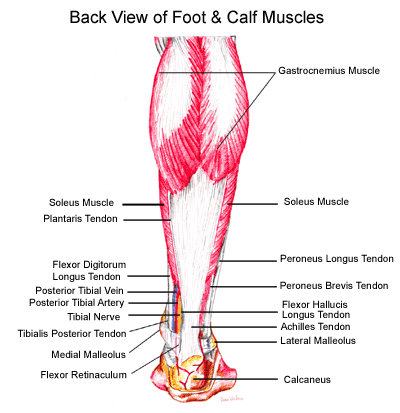
Common Causes Of Calf Tightness
- Overuse – Running often stresses the gastrocnemius and soleus muscles. If you increase your mileage or intensity too quickly, your calves can get overworked.
- Poor Flexibility – Limited range of motion in the ankle or calf can make muscles feel stiff.
- Improper Warm-Up – Skipping stretches or a good warm-up means your muscles are not ready for activity.
- Old or Unsupportive Shoes – Worn-out shoes or those with little support force the calves to work harder.
- Running Technique – Landing on your forefoot or toes (common in minimalist or barefoot-style shoes) puts more stress on the calf muscles.
- Flat Feet or High Arches – Foot structure can affect how force travels up your leg.
Symptoms You Shouldn’t Ignore
Tight calves often feel like a pulling or stiffness on the back of your lower leg. If you notice any of these, pay attention:
- Aching pain during or after running
- Stiffness, especially in the morning
- Cramping at night or after activity
- Swelling or warmth (possible sign of injury)
If pain is sharp, swelling is severe, or you notice bruising, stop running and see a medical professional.
How Running Shoes Affect Calf Muscles
Your running shoes do more than just protect your feet. They change the way your body moves and how your muscles work.
Heel Drop And Calf Load
The heel drop is the difference in height from the heel to the toe of a shoe. A higher heel drop (10-12mm) means your heel sits higher than your toes. A lower drop (0-4mm) is close to flat.
- High heel drop: Reduces strain on calves. Good for tight calves.
- Low heel drop: Forces calves to work harder. Can worsen tightness, especially if you transition too quickly.
Cushioning And Shock Absorption
Shoes with more cushioning absorb impact, reducing stress up the leg—including the calves. Firmer, less cushioned shoes provide less protection, which can make tightness worse if your muscles are already tired.
Flexibility And Support
- Flexible shoes: Allow your foot to move naturally, but may not give enough support if you have calf tightness.
- Supportive shoes: Help control motion and reduce extra work for your calves, especially if you have flat feet or overpronate.
Shoe Fit
A shoe that’s too tight can reduce blood flow and increase muscle fatigue. One that’s too loose can cause instability, making your calves work harder to keep you balanced.
Key Features To Look For In Running Shoes For Tight Calves
Choosing the right features can make a huge difference in comfort and performance.
1. Proper Heel Drop
For most runners with calf tightness, a heel drop between 8-12mm is ideal. This eases tension on the calf by allowing the heel to land first, reducing the need for extreme ankle flexion.
2. Good Cushioning
Look for shoes with ample cushioning in the midsole. Materials like EVA foam, gel, or air pods can absorb shock and reduce the impact on your lower legs.
3. Support And Stability
If you have flat feet or your ankles tend to roll inward (overpronation), a stability shoe can help. These shoes provide extra support on the inside edge and reduce the strain on the calf.
4. Roomy Toe Box
Tight shoes can squeeze your forefoot, making your calf muscles work harder for balance. A roomy toe box allows your toes to spread naturally and improves comfort.
5. Lightweight Construction
Heavier shoes can make your calves work harder, especially on longer runs. Choose a lightweight shoe that still offers support and cushioning.
6. Breathable Upper
Shoes with breathable mesh uppers keep your feet cool and reduce swelling, which can help prevent tightness.
7. Correct Size And Fit
Always try shoes on at the end of the day when your feet are slightly swollen. There should be a thumb’s width of space in the toe box.
Example Comparison
Here’s a quick comparison of three sample running shoes and how their features help or hurt tight calves:
| Feature | Shoe A: High Drop | Shoe B: Low Drop | Shoe C: Max Cushion |
|---|---|---|---|
| Heel Drop | 12mm | 4mm | 8mm |
| Cushioning | Medium | Low | High |
| Support | Stability | Neutral | Neutral |
| Weight | 10 oz | 8 oz | 9 oz |
| Best For | Tight calves, overpronators | Experienced runners | All-around comfort |
Top Running Shoe Models For Tight Calves
Choosing specific models can help you narrow down your search. Here are some of the most recommended shoes for runners dealing with tight calves, based on their features, reviews, and expert opinions.
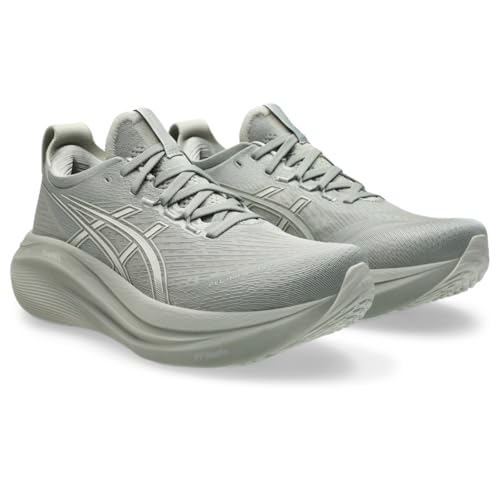
1. Asics Gel-kayano
- Heel Drop: 10-13mm (depending on version)
- Cushioning: Gel and FlyteFoam for high shock absorption
- Support: Excellent stability, good for overpronators
The ASICS Gel-Kayano is known for its plush ride and strong support. Many runners with tight calves find relief thanks to its high heel drop and reliable cushioning.
2. Brooks Ghost
- Heel Drop: 12mm
- Cushioning: DNA Loft and BioMoGo DNA blend
- Support: Neutral, but with a supportive fit
The Ghost is one of Brooks’ most popular shoes for everyday runners. It’s soft, smooth, and works well for those who need a gentle landing.
3. Hoka One One Bondi
- Heel Drop: 4-5mm (lower than others, but extreme cushioning)
- Cushioning: Maximum, with thick EVA foam
- Support: Neutral
Even with a lower drop, the Bondi’s huge cushioning helps absorb shock and reduce calf strain. It’s a favorite for recovery days or long runs.
4. New Balance 860
- Heel Drop: 10mm
- Cushioning: Fresh Foam X midsole
- Support: Stability, good for overpronators
The 860 gives a firm yet responsive ride, with plenty of support for tired calves.
5. Saucony Triumph
- Heel Drop: 8mm
- Cushioning: PWRRUN+ foam for a soft, bouncy feel
- Support: Neutral
A balance of comfort and cushioning, the Triumph is great for those who want a soft landing but prefer a slightly lower heel.
6. Mizuno Wave Inspire
- Heel Drop: 12mm
- Cushioning: Enerzy midsole and Wave plate technology
- Support: Stability
Mizuno’s Wave Inspire series combines a high drop with structured support, making it a strong choice for calf issues.
7. Nike Air Zoom Structure
- Heel Drop: 8-10mm (varies by version)
- Cushioning: Responsive Zoom Air units
- Support: Stability-focused
Nike’s Structure line is known for balancing support and cushioning. It’s a solid pick for those with mild overpronation and calf tightness.
8. Adidas Solar Glide
- Heel Drop: 10mm
- Cushioning: Boost foam for energy return and comfort
- Support: Neutral to mild stability
Solar Glide shoes offer a lively ride with enough drop and cushioning to help most runners with calf tightness.
9. On Cloudflyer
- Heel Drop: 7mm
- Cushioning: Helion superfoam
- Support: Stability
On’s Cloudflyer is lightweight yet supportive, with a moderate drop and unique cushioning pods.
10. Altra Paradigm
- Heel Drop: 0mm (zero-drop but max cushioning)
- Cushioning: Altra EGO midsole
- Support: GuideRail for stability
While zero-drop shoes often increase calf load, the Paradigm’s extreme cushioning and stability features can sometimes help—especially for runners who are used to zero-drop or want to improve calf strength carefully.
Quick Shoe Comparison Table
To help you compare these shoes at a glance:
| Shoe | Heel Drop | Cushioning | Support | Best For |
|---|---|---|---|---|
| ASICS Gel-Kayano | 10-13mm | High | Stability | Overpronators, tight calves |
| Brooks Ghost | 12mm | Medium-High | Neutral | All runners, mild tightness |
| Hoka Bondi | 4-5mm | Max | Neutral | Recovery, long runs |
| New Balance 860 | 10mm | Medium | Stability | Flat feet, support needs |
| Saucony Triumph | 8mm | High | Neutral | Cushion lovers |

Credit: www.reddit.com
How To Choose The Right Shoe For You
Finding the best shoe is personal—what works for one runner may not work for another. Here’s a step-by-step process to help you choose wisely.
Step 1: Know Your Foot Type
Are you flat-footed, have high arches, or a neutral arch? Shoe stores often offer free gait analysis to help determine this. Flat feet often need more support, while high arches may benefit from extra cushioning.
Step 2: Identify Your Running Style
- Heel striker: Usually benefits from a higher drop and more heel cushioning.
- Midfoot or forefoot striker: May prefer a moderate drop and flexible sole.
Step 3: Prioritize Your Needs
If calf tightness is your main issue, put heel drop and cushioning at the top of your list. If you also have knee or hip pain, stability features might be more important.
Step 4: Try Before You Buy
Always try shoes on with the socks you plan to run in. Walk and jog around the store if possible. There should be no pinching, slipping, or pressure points.
Step 5: Break In Your Shoes Gradually
Even the best shoes need a break-in period. Start with short runs and increase distance slowly to give your body time to adjust.
Common Mistakes When Choosing Running Shoes For Tight Calves
Many runners make choices that can actually make their calf tightness worse. Avoid these pitfalls:
- Going Minimalist Too Fast: Switching to zero-drop or minimalist shoes without a slow transition can overload the calves.
- Ignoring Heel Drop: Choosing a low-drop shoe when you’re used to traditional running shoes can shock your calves.
- Buying for Looks: Prioritizing style over fit and function leads to discomfort and possible injury.
- Sticking With Old Shoes: Worn-out midsoles lose their cushioning and support, putting extra strain on your calves.
- Not Replacing Insoles: Factory insoles break down quickly. Consider supportive insoles if you need more arch support.
Credit: xeroshoes.com
Other Ways To Relieve And Prevent Tight Calves
Shoes are only one part of the solution. Add these habits to your routine for better results.
Stretching And Mobility Work
Regular stretching of the calf muscles helps keep them flexible. Try standing calf stretches, downward dog, or foam rolling.
Strengthening Exercises
Weak calves are more likely to get tight. Add exercises like calf raises, single-leg hops, and resistance band work to your routine.
Warm Up And Cool Down
Start every run with a gentle warm-up and end with a cool down and stretching to keep your muscles healthy.
Massage And Recovery Tools
Massage guns, foam rollers, or even a tennis ball can help work out knots and reduce tightness.
Hydration And Nutrition
Dehydration can make muscles cramp and tighten. Drink water before, during, and after your runs. Make sure you get enough electrolytes, especially if you sweat a lot.
Listen To Your Body
If your calves feel unusually tight or painful, rest and let them recover. Overtraining can lead to injuries like strains or even Achilles tendonitis.
When To See A Specialist
If calf tightness is severe, doesn’t improve with rest, or comes with swelling, bruising, or sharp pain, see a sports medicine doctor or physical therapist. Sometimes, chronic tightness is a sign of underlying issues like nerve problems or compartment syndrome.

Credit: www.reddit.com
Insights And Tips Most Runners Miss
Even experienced runners often overlook these less obvious points:
- Heel drop isn’t everything: Some high-cushion, low-drop shoes (like Hoka Bondi) can still help tight calves because the soft foam absorbs shock, even if the drop is lower.
- Shoe rotation helps: Using two pairs of running shoes with different features can reduce repetitive stress on your calves.
- Gait retraining: If you tend to overstride or land hard on your forefoot, working with a running coach to adjust your stride can reduce calf strain.
- Regular shoe checks: Check your shoes for uneven wear every 300-500 miles. Worn soles can put extra stress on your lower legs, even if the shoe looks fine on top.
- Custom insoles: Sometimes, the fix is as simple as swapping in a custom or over-the-counter insole for extra arch support or better fit.
Frequently Asked Questions
What Heel Drop Is Best For Runners With Tight Calves?
Most runners with tight calves do best with a heel drop between 8-12mm. This reduces the stretch and workload on the calf muscle during each stride. However, if you’ve been running in low-drop shoes for a long time, switching too quickly can cause other problems. Always transition gradually.
Can I Use Zero-drop Or Minimalist Shoes If I Have Tight Calves?
Zero-drop shoes put more stress on the calf muscles. If your calves are already tight or you’re new to running, it’s best to start with a higher drop and gradually reduce it if you want to try minimalist running. Always increase your mileage slowly and include calf strengthening and stretching.
How Often Should I Replace My Running Shoes To Help Prevent Calf Tightness?
Replace your running shoes every 300-500 miles (480-800 km), or sooner if you notice a loss of cushioning or support. Older shoes lose shock absorption, which can increase calf strain.
Are Custom Insoles Or Orthotics Helpful For Calf Tightness?
Custom insoles can help if your calf tightness is related to foot structure (like flat feet or high arches). They provide extra support and can improve alignment, reducing stress on the calves. Always consult a specialist to see if they’re right for you.
What Else Can I Do Besides Changing Shoes To Relieve Tight Calves?
In addition to changing shoes, do regular calf stretching, strengthen the lower legs, warm up before running, cool down after, and stay hydrated. Massage, foam rolling, and seeing a physical therapist for a personalized program can also help.
For more science-based details on running injuries and prevention, check the Runner’s World Injury Prevention Guide.
Final Thoughts
Running with tight calves doesn’t have to slow you down. The right shoes—with proper heel drop, cushioning, and support—can make a world of difference. Remember, shoe choice is personal, and it may take some trial and error to find your perfect match.
Pay attention to your body, use stretching and strengthening routines, and don’t ignore warning signs. With the right approach, you’ll enjoy more comfortable, injury-free miles ahead.
2 Comments