Low Stack Height Running Shoes: Boost Speed and Natural Feel

Low Stack Height Running Shoes: What Runners Need To Know
Every runner wants the right shoes. But the world of running shoes is packed with choices—maximal, cushioned, minimalist, stability, and more. Lately, low stack height running shoes have gained a loyal following among runners who want a close-to-the-ground feel. But what exactly are low stack shoes? Who should wear them? How do they compare to thicker, more cushioned options?
If you’re curious about the benefits and drawbacks of low stack height shoes, this guide will help you understand the essentials. We’ll break down how these shoes affect your running, who can benefit most, how to choose a pair, and what science says about their impact.
What Is Stack Height In Running Shoes?
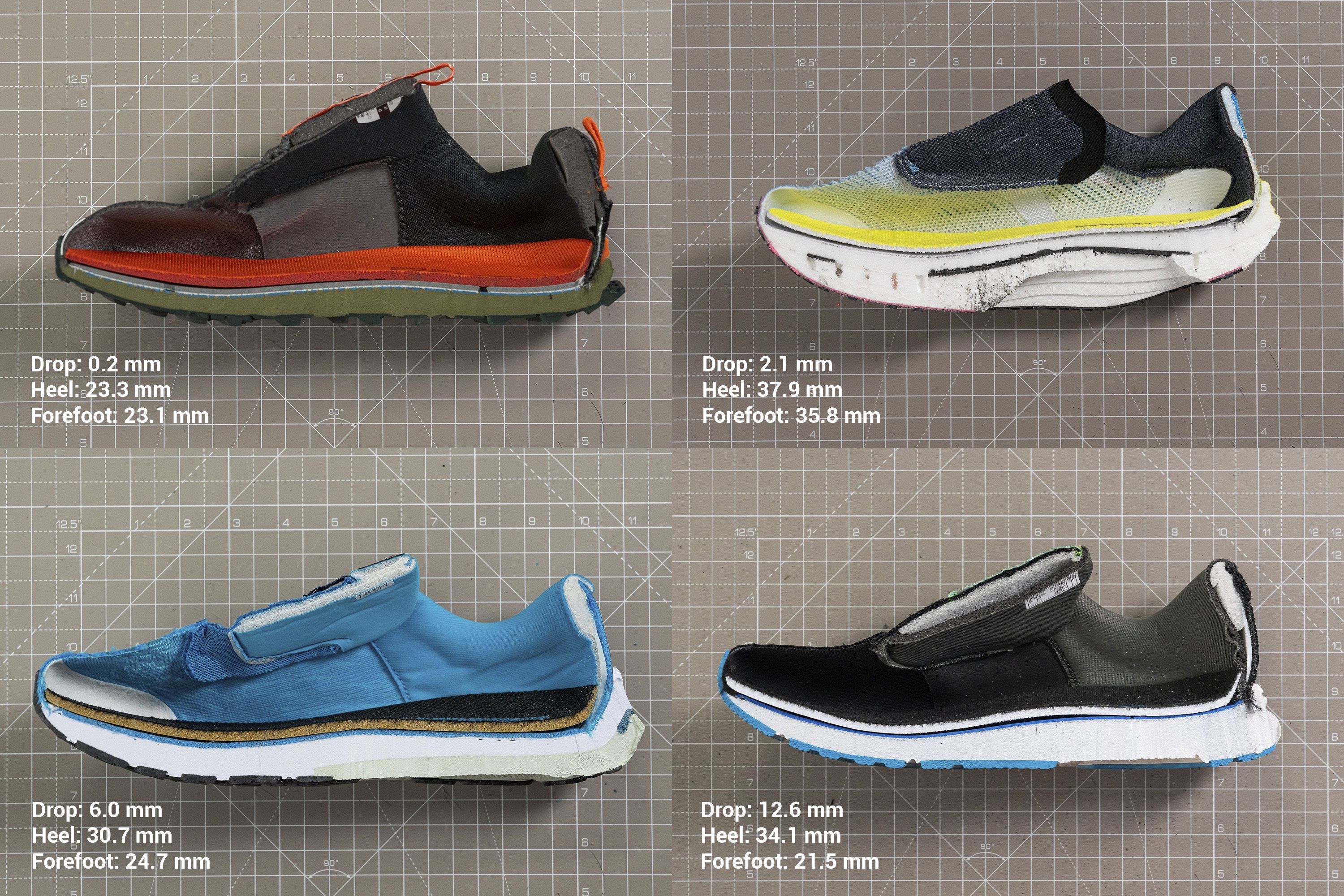
Stack height means the thickness of the shoe’s sole under your foot. Imagine measuring from the ground to the bottom of your foot at the heel and forefoot. That number, in millimeters, is the stack height. The higher the number, the more material and cushioning between your foot and the ground.
- Low stack height: 10–20 mm (usually less than 20 mm at the heel)
- Medium stack height: 20–30 mm
- High stack height: 30 mm or more
Some shoes have a big difference between the heel and forefoot stack—this is called heel-to-toe drop. But in this article, we’ll focus on the total thickness underfoot.
What Makes A Shoe “low Stack”?
A low stack height running shoe is designed with minimal sole material. That means your foot sits closer to the ground, and you feel more of the surface under you.
These shoes often have:
- Less cushioning than traditional running shoes
- Lower weight
- Greater ground feel
- A flexible midsole
Low stack shoes are often linked to “minimalist” running, but not all low stack shoes are strictly minimalist. Minimalist shoes usually have very little support, a wide toe box, and zero drop. Some low stack shoes keep a bit of drop or structure.
How Low Stack Height Affects Your Running
Choosing a low stack shoe changes how your foot interacts with the ground. Here’s what you’ll notice:
- More ground feel: You feel rocks, bumps, and the surface under your foot.
- Faster response: Less material means your foot moves quickly. Some runners describe this as a more “connected” or “natural” sensation.
- Less cushioning: This can be a plus for short, fast efforts or for runners who like feedback from the ground. But it may be less comfortable on hard surfaces or long runs.
- Greater demand on muscles and joints: Your feet and lower legs do more work to absorb impact.
Benefits Of Low Stack Height Running Shoes
Low stack shoes aren’t just about less material. They offer several real advantages for certain runners and situations.
Improved Proprioception And Balance
Because your foot is closer to the ground, you get better proprioceptive feedback—your body’s sense of where it is in space. This helps with:
- Quick changes in direction
- Trail running on uneven terrain
- Agility exercises
Lighter Weight
Less foam and material means these shoes are usually lighter. For speed workouts or races, every ounce counts. A lighter shoe can reduce fatigue over short distances.
Encourages Natural Footstrike
Low stack shoes often promote a midfoot or forefoot strike. This is closer to how you would run barefoot, and some believe it’s a more efficient or natural style (though this depends on your body mechanics).
Better For Short, Fast Runs
If you do sprints, intervals, or track work, a low stack shoe helps you push off the ground quickly and feel your foot’s position. That’s why many racing flats and track spikes are low stack.
Useful For Strengthening Feet
Wearing less-cushioned shoes can help build strength in your feet and lower legs—if you increase use gradually. This may reduce the risk of some injuries over time.
Non-obvious insight: Many coaches use low stack shoes for “foot drills” or strides, not just daily running. This helps athletes develop foot strength and awareness without overdoing it.
Credit: runrepeat.com
Drawbacks And Risks Of Low Stack Shoes
Low stack height isn’t for everyone. The reduced cushioning comes with some trade-offs.
Higher Impact On Hard Surfaces
On pavement or concrete, less cushioning means your muscles, bones, and joints absorb more force. This can lead to:
- Soreness in the feet, calves, or shins
- Increased risk of overuse injuries if you switch too quickly
Not Ideal For Long Distances (for Most)
For marathons or ultra distances, many runners prefer more protection. Extended pounding with low stack shoes can cause fatigue or pain, especially if you’re not used to them.
Requires Gradual Adaptation
Switching too fast to low stack shoes is a common mistake. Your feet and lower legs need time to adjust. Rushing the process can lead to injuries like plantar fasciitis or stress fractures.
Non-obvious insight: Even experienced runners should use low stack shoes for only part of their weekly mileage at first, not all runs.
Who Should (and Shouldn’t) Use Low Stack Height Shoes?
Choosing the right shoe style depends on your body, running style, and goals.
Good Candidates For Low Stack Shoes
- Experienced runners with good form who want more ground feel or foot strength
- Runners doing track workouts, sprints, or short races
- Trail runners who need quick reactions to uneven ground
- Athletes doing running drills or footwork exercises
Who Should Be Cautious
- New runners (higher risk of injury)
- Heavier runners (may need more cushion for impact)
- People with a history of foot or lower leg injuries
- Anyone running long distances on hard surfaces
If you have flat feet or known biomechanical issues, consult a specialist before using low stack shoes regularly.
Key Features To Look For In Low Stack Height Running Shoes
Not all low stack shoes are the same. When shopping, focus on these factors:
- Stack height measurement: Look for shoes with less than 20 mm at the heel.
- Heel-to-toe drop: Some low stack shoes are also zero-drop, but not all. Decide what feels best for you.
- Weight: Lower stack usually means lighter, but compare the actual weight if speed is your goal.
- Flexibility: The sole should bend easily, allowing your foot to move naturally.
- Fit: A secure fit is even more important with less protection. Make sure the shoe holds your foot well without pinching.
- Traction: Especially for trail runners, look for a grippy outsole.
Common Myths About Low Stack Height Running Shoes
There’s a lot of hype—and some confusion—about minimalist and low stack shoes.
- “Low stack shoes prevent injuries.” There’s no clear evidence that any one shoe style prevents injury for everyone. Injury risk depends on how you transition, your form, and your weekly mileage.
- “Everyone should switch to low stack.” Some runners thrive in maximal shoes. Others do better in minimalist models. The best shoe is the one that works for your body.
- “Low stack means zero drop.” Not always. Some low stack shoes have a small heel-to-toe drop.
Low Stack Height Vs. High Stack Height: Key Differences
To make it clearer, here’s how low and high stack shoes compare:
| Feature | Low Stack Height | High Stack Height |
|---|---|---|
| Stack Height | < 20 mm | > 30 mm |
| Ground Feel | High | Low |
| Cushioning | Minimal | Maximal |
| Weight | Lighter | Heavier |
| Best For | Short, fast runs; foot drills | Long runs; comfort |
| Adaptation Time | Longer | Shorter |
Popular Low Stack Height Running Shoes
Many brands make low stack shoes, but the best choice depends on your needs. Here are some well-known options:
- Merrell Vapor Glove: Stack height around 6.5 mm. Very flexible, zero drop, and almost barefoot.
- Nike Free RN: Stack height about 18 mm at the heel. Lightweight, flexible, not fully minimalist.
- New Balance Minimus: 14–16 mm stack, wide forefoot, some arch support.
- Altra Escalante Racer: About 17 mm, zero drop, wide toe box.
- Vibram FiveFingers V-Run: Around 8 mm, individual toe pockets, famous for ground feel.
- Saucony Kinvara: 23 mm heel, but 4 mm drop, so close to low stack with light structure.
- Inov-8 Bare-XF 210: Extremely low stack, made for gym and short runs.
Note: Stack heights can change with each model update, so check the latest specs before buying.
How To Transition Safely To Low Stack Running Shoes
Switching from a high-cushion shoe to a low stack model is not just about swapping shoes. Here’s how to do it without injury:
- Start slow: Use low stack shoes for short runs (10–20% of weekly mileage).
- Increase gradually: Add a little more distance each week, but back off if you feel pain or soreness.
- Mix with your old shoes: Alternate between low and high stack models.
- Focus on form: Pay attention to your foot strike and posture. Good running technique is more important with less cushion.
- Strengthen your feet: Do exercises for foot and calf strength (toe raises, towel scrunches, balance drills).
Common mistake: Runners often try to do a long run or hard workout in new low stack shoes right away. This often leads to calf pain, Achilles soreness, or even stress injuries.
When Low Stack Height Makes A Difference
Low stack shoes aren’t just a trend—they serve real purposes for the right situation.
- Track and field: Most spikes and flats are low stack to maximize speed and ground feel.
- Trail running: On technical trails, quick foot placement is key.
- Drills and strides: Coaches use low stack shoes for “barefoot feel” during warm-ups or footwork drills.
But for easy runs, recovery days, or long road races, many runners prefer more cushion.
What Does Science Say?
Research on running shoes is always changing, but here’s what we know:
- Injury rates: Studies show that injury risk depends less on shoe type and more on how quickly you change shoes or increase mileage.
- Running economy: For well-trained runners, lighter, lower shoes may improve running economy by 1–2% in short races. But for marathons, more cushion often wins.
- Foot strength: Regular use of low stack shoes can increase foot muscle size and strength—but only with gradual adaptation.
A 2017 study in the *Journal of Sports Sciences* found that runners switching too fast to minimalist shoes had a higher rate of bone stress injuries. But those who transitioned slowly showed better foot strength and balance.
For a deeper look, you can review research summaries at Wikipedia.
Typical Use Cases: When Should You Choose Low Stack Shoes?
Best Situations For Low Stack Shoes
- Intervals or sprints: Lightweight feel for quick turnover.
- Short races: 5K, 10K, or track events.
- Technical trail running: Better control on rocks and roots.
- Foot strengthening sessions: Short runs or drills.
- Gym workouts or cross training: Some low stack shoes double as gym shoes.
When To Avoid
- Marathons or ultras: Unless you’re highly experienced.
- Long runs on concrete
- If you have foot pain or injuries
Credit: believeintherun.com
How To Choose The Right Low Stack Running Shoe
Picking the right pair involves more than just looking at the stack number. Here’s what matters:
1. Try Before You Buy
Fit is more important with less cushioning. Walk and jog in the shoes. Your toes should have room to splay, but your foot should not slide.
2. Check The Stack And Drop
Read the specs. Not all “minimal” shoes have the same stack height or drop. Some have a slight heel lift; others are completely flat.
3. Consider Surface And Usage
- Road: Look for some grip, but flexibility matters more.
- Trail: Prioritize traction and protection against rocks.
- Gym: Go for a flat, stable base.
4. Pay Attention To Durability
Low stack shoes use less foam, so they may wear out faster, especially if you run on rough surfaces.
5. Don’t Be Fooled By Hype
Some brands market shoes as “barefoot” or “minimalist” even if the stack is medium. Always check real measurements.
Real-world Example: Two Runners, Two Experiences
Imagine two runners: Sarah and Mike.
Sarah is a 5K specialist. She uses low stack shoes (Merrell Vapor Glove) for speed sessions and races. She likes the light feel and quick turnover, but only wears them for short runs. For longer distances, she uses a medium-cushion shoe.
Mike is a new runner who tried switching to low stack shoes overnight. After two weeks, he developed calf pain and had to rest for a month. He learned to use low stack shoes for warmups and foot strength, but keeps his daily mileage in more cushioned shoes.
Their stories show that low stack shoes can be a tool—not a cure-all. Used wisely, they help with speed, form, and foot strength. Used carelessly, they increase injury risk.
Credit: runrepeat.com
Comparing Popular Low Stack Shoes
Here’s a side-by-side look at some popular low stack height running shoes:
| Shoe | Stack Height (Heel) | Heel-to-Toe Drop | Weight (Men’s US 9) | Best Use |
|---|---|---|---|---|
| Merrell Vapor Glove | 6.5 mm | 0 mm | 5.8 oz | Short runs, drills |
| Nike Free RN | 18 mm | 6 mm | 8.4 oz | Gym, casual runs |
| New Balance Minimus | 14 mm | 4 mm | 7.2 oz | Mixed use |
| Vibram FiveFingers V-Run | 8 mm | 0 mm | 4.8 oz | Barefoot training |
| Altra Escalante Racer | 17 mm | 0 mm | 6.8 oz | Fast road runs |
Note: Weights and specs may change by model year.
Tips For Getting The Most From Low Stack Shoes
- Listen to your body: Any new pain or soreness means back off and rest.
- Rotate shoes: Don’t use low stack shoes for every run—especially at first.
- Focus on running form: Keep your steps light and quick. Avoid over-striding.
- Strengthen your feet: Exercises like single-leg balance, toe raises, and towel pickups help.
- Use them for the right purpose: Short, fast runs, drills, and technical trails are best.
Frequently Asked Questions
What Is The Difference Between Low Stack And Minimalist Shoes?
Low stack shoes have less sole material, but not all are truly minimalist. Minimalist shoes are a subset of low stack shoes—they have almost no cushion, zero drop, and little structure. Some low stack shoes still offer support or a slight heel-to-toe drop.
Are Low Stack Height Shoes Good For Beginners?
Usually not. Beginners need more protection and time to build foot strength. Starting with a medium or high stack shoe is safer. If you want to try low stack shoes, use them for short drills or walks first.
Can Low Stack Height Shoes Prevent Injuries?
No shoe can guarantee injury prevention. Low stack shoes may strengthen your feet if used gradually, but switching too quickly can cause injuries. The key is how you transition and your running form.
How Long Do Low Stack Shoes Last?
Low stack shoes often wear out faster than cushioned shoes. Expect 200–350 miles, depending on use and surface. Check for worn-out soles or lost grip and replace as needed.
How Do I Know If Low Stack Shoes Are Right For Me?
Try them on and test with short runs. If you like the ground feel and have no pain after gradual use, they may be right for you. If you feel discomfort or fatigue, stick with more cushion.
—
Low stack height running shoes offer a unique experience for runners who want more connection with the ground, lighter weight, and a chance to build foot strength. But they’re not for everyone, and making the switch takes patience and care.
By understanding how they work, who benefits most, and how to use them wisely, you can decide if these shoes fit your running goals. As always, listen to your body and prioritize healthy running over trends.