Are Running Shoes Good for Walking? What Most People Need to Know

Hi, I’m Peter Parker. One question I hear a lot is simple: are running shoes good for walking? If you already own a pair of running shoes, it makes sense to wonder if you really need separate walking shoes.
The answer is not always black and white. Some running shoes work very well for walking, while others are designed for faster movement and may not feel as comfortable during long walks.
In this guide, I’ll explain when running shoes are a good choice for walking, when they are not, and how to pick the right pair for your daily routine.
Quick Answer
Yes, running shoes are generally good for walking. Most running shoes provide cushioning, support, and shock absorption that can make walking comfortable. In fact, many people use running shoes for daily walks, travel, and casual fitness activities.
However, not every running shoe is ideal for walking. Some models are built for speed and performance rather than all-day comfort. The best choice depends on your walking distance, foot shape, and comfort needs.
Why Running Shoes Can Work Well for Walking
Walking and running share many of the same movement patterns. Both activities require comfortable cushioning, proper foot support, and protection from impact.
Modern running shoes are designed to reduce stress on your feet and joints. According to the National Highway Traffic Safety Administration, staying active through regular walking can support overall health and mobility. Comfortable footwear plays an important role in that effort.
Here are some reasons many walkers choose running shoes:
- Extra cushioning under the heel and forefoot
- Lightweight materials that reduce fatigue
- Breathable mesh uppers
- Good shock absorption for hard surfaces
- Wide availability of sizes and styles
For many people, a quality running shoe can be more comfortable than a basic casual sneaker.
When Running Shoes Are Better Than Walking Shoes
There are situations where running shoes may actually outperform traditional walking shoes.
- You walk several miles per day.
- You spend long hours standing at work.
- You walk on concrete or pavement regularly.
- You want a lightweight shoe.
- You need extra cushioning for comfort.
If any of those sound familiar, a running shoe may be an excellent option.
You can also check our guide to choosing athletic footwear for additional tips on finding the right fit.
Are Running Shoes Good for Walking Long Distances?
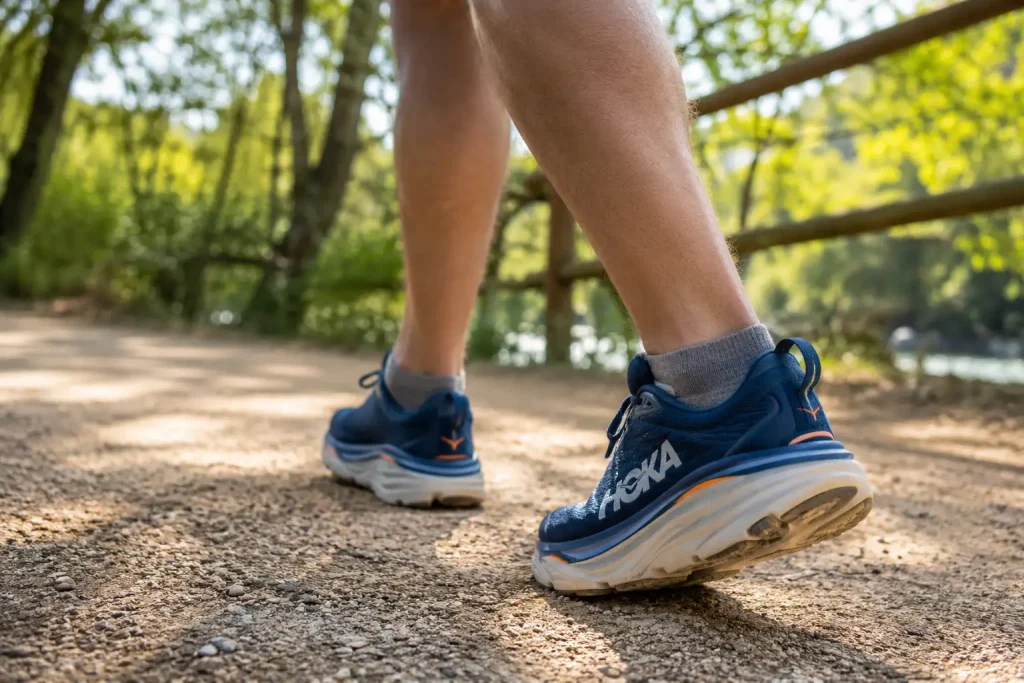
In many cases, yes. Running shoes are often an excellent choice for long-distance walking because they are designed to handle repeated impact.
The cushioning found in many running shoes helps reduce foot fatigue during extended walks. This can be especially helpful if you regularly walk more than three miles per day.
Here is a quick comparison.
| Feature | Running Shoes | Walking Shoes |
|---|---|---|
| Cushioning | Usually higher | Moderate |
| Weight | Often lighter | Can be heavier |
| Flexibility | Varies by model | Typically flexible in forefoot |
| Best For | Walking and running | Dedicated walking |
| Shock Absorption | Excellent | Good |
For most recreational walkers, either option can work. Comfort should be the deciding factor.
When Running Shoes May Not Be the Best Choice
Even though running shoes are versatile, they are not perfect for every situation.
Some performance-focused running shoes are designed to push runners forward. While that helps during a run, it may feel unusual during slower walks.
You may want to consider dedicated walking shoes if:
- You only walk and never run.
- You prefer a firmer sole.
- You need extra arch stability.
- You have balance concerns.
- You want maximum durability for daily walking.
The good news is that many modern running shoes now offer stable designs that work well for both activities.
Features to Look for in Running Shoes for Walking
If you plan to use running shoes mainly for walking, pay attention to these features.
Comfortable Cushioning
Look for soft but supportive midsoles. Too much softness can sometimes feel unstable.
Good Arch Support
Your arch type matters. People with flat feet may need stability-focused shoes, while those with neutral arches often have more options.
Flexible Forefoot
Walking naturally bends the foot near the toes. A flexible forefoot can make each step feel smoother.
Breathable Upper
Mesh materials help keep your feet cooler during long walks.
Proper Fit
The American Podiatric Medical Association recommends choosing footwear that fits comfortably without excessive pressure points.
How to Know if Your Running Shoes Are Good for Walking
Not sure whether your current shoes are suitable? Use this simple checklist.
| Question | Good Sign |
|---|---|
| Do your feet feel comfortable after walking? | Yes |
| Do you experience heel pain? | No |
| Do your toes have enough room? | Yes |
| Do the shoes feel stable? | Yes |
| Are the soles evenly worn? | Yes |
If you answered yes to most of these questions, your running shoes are probably working well for walking.
Common Mistakes to Avoid
- Using worn-out running shoes for daily walks.
- Choosing shoes based only on appearance.
- Buying shoes that are too small.
- Ignoring arch support needs.
- Using racing shoes for all-day walking.
- Keeping shoes long after cushioning breaks down.
Warning: Even high-quality running shoes lose cushioning over time. If your shoes feel flat or uncomfortable, replacement may be necessary.
Expert Tips from Peter
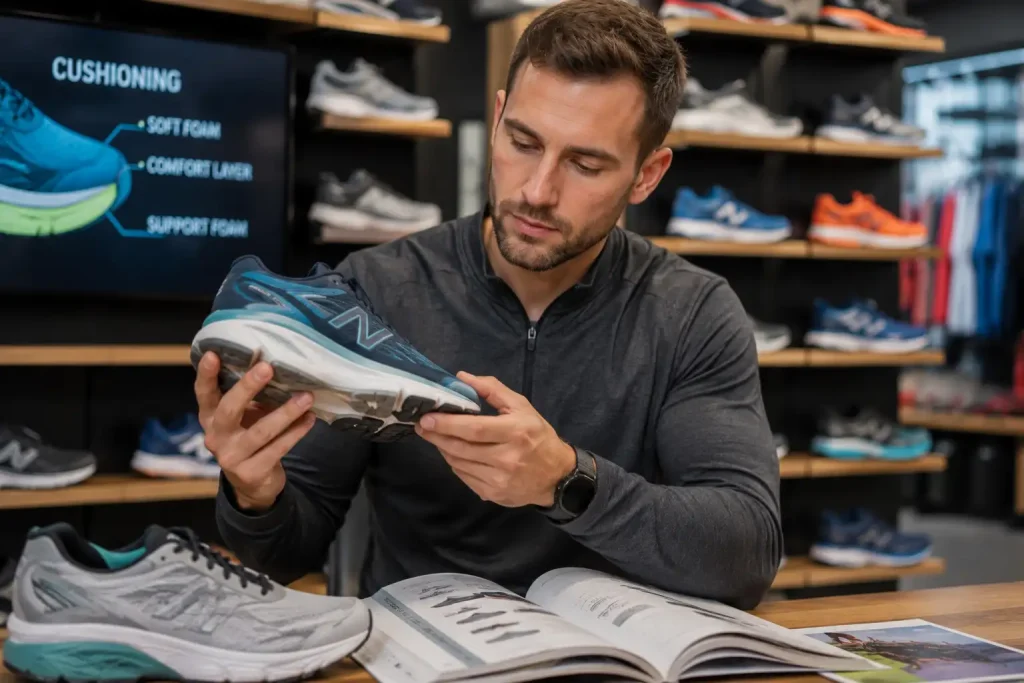
Peter’s Tip: If you walk more than five days a week, prioritize comfort over performance features designed for competitive running.
Peter’s Tip: Try shoes later in the day when your feet are slightly swollen. This often results in a more accurate fit.
Peter’s Tip: Replace shoes when the midsole feels compressed, even if the upper still looks new.
Peter’s Tip: If you travel frequently, a versatile running shoe can handle airports, sightseeing, and fitness walks with ease.
I also recommend reading footwear reviews from trusted sources like Runner’s World when comparing models for comfort and durability.
Key Takeaways
- Most running shoes are good for walking.
- Running shoes often provide excellent cushioning and comfort.
- Long-distance walkers frequently benefit from running shoe technology.
- Fit and comfort matter more than shoe category.
- Replace worn shoes before discomfort develops.
Frequently Asked Questions
Can I use running shoes every day for walking?
Yes. Many people use running shoes daily for walking, commuting, and general fitness. Just make sure they fit properly and still provide good cushioning.
Are running shoes better than walking shoes?
Not always. Running shoes often offer more cushioning, while walking shoes may provide features specifically designed for walking mechanics. The better choice depends on your needs.
How many miles can I walk in running shoes?
Most quality running shoes can handle hundreds of walking miles. Actual lifespan varies based on weight, terrain, and shoe construction.
Can running shoes help reduce foot pain while walking?
They can. Cushioned running shoes may reduce pressure and impact, which can improve comfort for many walkers.
Should seniors wear running shoes for walking?
Many seniors find running shoes comfortable because of their cushioning and lightweight design. Stability and proper fit should remain top priorities.
Are cushioned running shoes good for long walks?
Yes. Cushioned running shoes are often a great choice for long walks because they help reduce fatigue and absorb repeated impact.
When should I replace running shoes used for walking?
Replace them when cushioning noticeably declines, the outsole shows significant wear, or comfort decreases during walks.
Conclusion
So, are running shoes good for walking? For most people, the answer is yes. A quality running shoe can provide comfort, cushioning, and support that make daily walking more enjoyable.
The key is choosing a shoe that matches your walking habits and fits your feet properly. Don’t focus only on labels. Focus on comfort, support, and how your feet feel after a walk.
If you’re shopping for new footwear, take time to compare options and read our running gear buying guides for more practical advice before making a decision.