Are Indoor and Outdoor Pickleball Courts the Same Size?

Pickleball is growing fast, both indoors and outdoors. Players of all ages are joining the fun. But if you’re new, you might wonder: Are indoor and outdoor pickleball courts the same size? This question seems simple, but there’s more beneath the surface. Court size matters for gameplay, safety, and even tournament rules. If you’re planning to build, play, or join a league, understanding this detail can help you make smarter choices.
Let’s explore every aspect of pickleball court size, from official rules to real-world examples. We’ll compare indoor and outdoor courts, highlight practical differences, and answer questions that beginners often miss. By the end, you’ll know exactly what to expect whether you play inside a gym or out on a sunny court.
Official Pickleball Court Dimensions
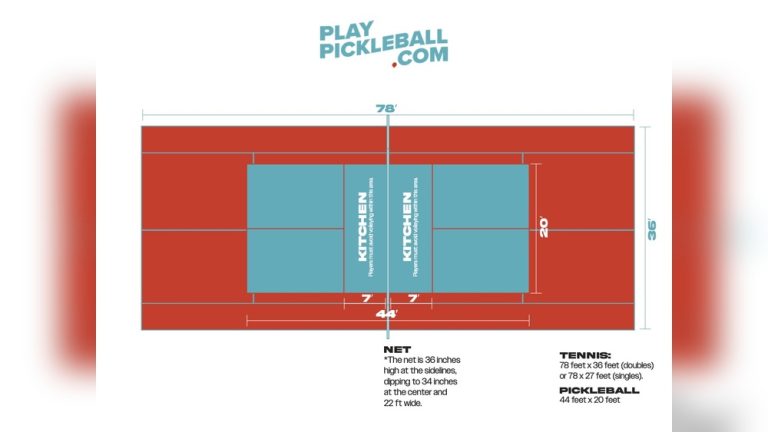
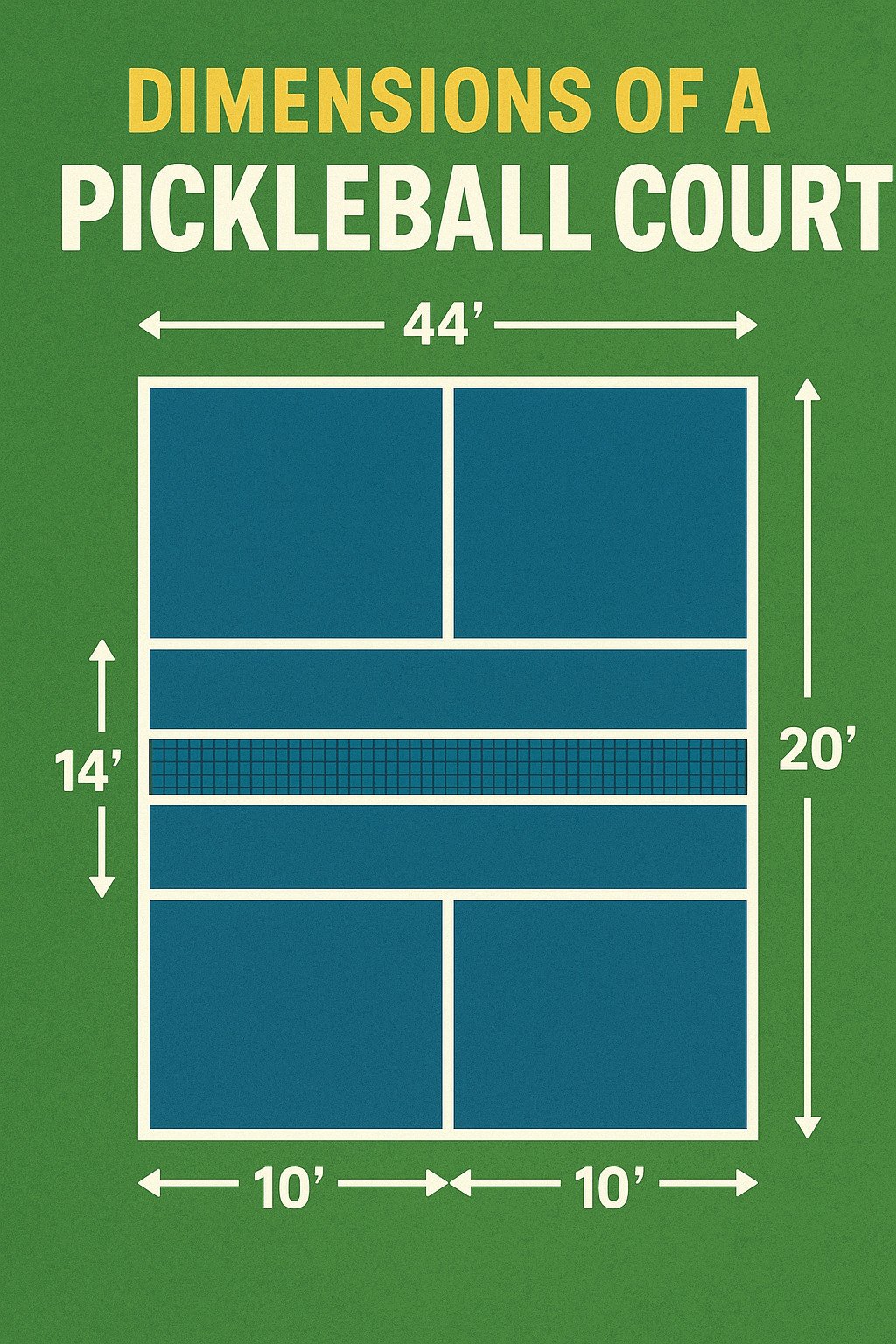
Pickleball has clear standards for court size. According to the USA Pickleball Association (USAPA), the official court dimensions are:
- Length: 44 feet (13.41 meters)
- Width: 20 feet (6.10 meters)
This size is used for both singles and doubles matches. The lines on the court include:
- Baseline: Back boundary
- Sidelines: Side boundary
- Non-volley zone (Kitchen): 7 feet from the net on each side
- Service courts: Divided on each side
The net is 36 inches high at the sidelines and 34 inches in the center. These dimensions are the same for both indoor and outdoor courts in official play.
Court Diagram
To visualize, here’s how a standard pickleball court is laid out:
- The net divides the court in half (20 feet wide).
- The kitchen extends 7 feet from the net toward the baseline.
- Each side has two service boxes for serving.
This layout is followed everywhere, from local gyms to world championships.
Are Indoor And Outdoor Courts The Same Size?
The short answer: Yes, the official court size is identical indoors and outdoors. The rules do not change based on location. Whether you play in a school gym or on a park court, the length and width remain 44 by 20 feet.
But there’s more to consider. While the official dimensions are the same, the surroundings, surface, and setup can differ. These changes affect how the game feels and plays.
Why The Size Is Standardized
The reason for uniformity is simple: fairness and consistency. Pickleball organizations want every match to be equal, so players can practice and compete with confidence. If courts were different sizes, skills wouldn’t translate between locations.
This standardization is especially important in tournaments. Players travel to compete, and they need to know the court will feel familiar. It also helps with teaching, coaching, and creating clear rules.
Surrounding Space: What’s Outside The Lines
While the court itself is the same, the surrounding space—sometimes called the “play area”—often varies.
- Recommended minimum total area: 30 feet wide by 60 feet long (including space around the court)
- Ideal tournament area: 34 feet wide by 64 feet long
This extra space allows for movement, safety, and comfort. In gyms, the available space might be tight. Outdoor courts in parks often have more room. Sometimes, courts are squeezed into smaller areas, especially in multi-use facilities.
Why Extra Space Matters
If you dive for a ball or chase a lob, you need space beyond the lines. Lack of room can lead to injuries or limit your range. For tournaments, enough space is essential for spectators, referees, and player movement.
Many indoor courts are built inside existing gyms, which may have walls close by. Outdoor courts, especially dedicated ones, usually have more open space.
Surface Differences: Indoor Vs. Outdoor
Court size is the same, but surface materials are often different. This changes how the ball bounces and how players move.
Indoor Courts
- Usually found in gyms or sports halls
- Surfaces are often wood, rubber, or synthetic
- These materials offer consistent bounce but can be slippery if wet or dusty
- Lines are painted or taped onto the floor
Outdoor Courts
- Usually made of concrete, asphalt, or acrylic
- Surface is rougher, designed to withstand weather
- Provides a different bounce—sometimes faster, sometimes slower
- Lines are painted with weather-resistant paint
How Surface Affects Play
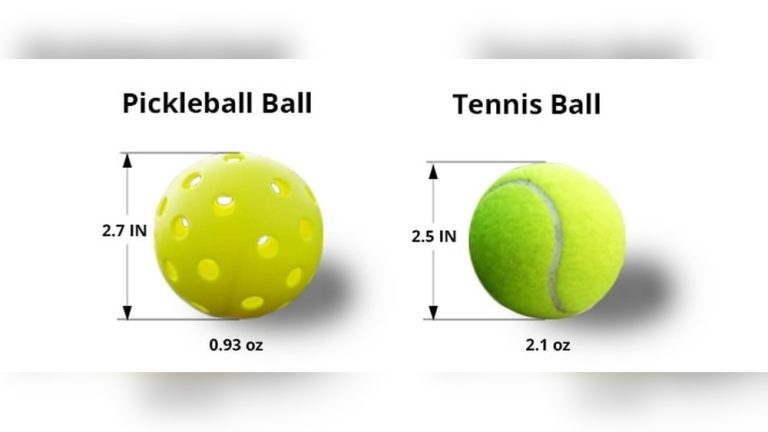
The ball reacts differently to each surface. Indoor balls are lighter and have smaller holes, bouncing higher on smooth floors. Outdoor balls are heavier, with larger holes, and bounce lower on rough courts. This means you need to adjust your shots and footwork depending on where you play.
Net Setup And Height
The net height and setup are consistent indoors and outdoors:
- Side height: 36 inches
- Center height: 34 inches
But the net’s structure can change:
- Indoor nets are often portable, made to be moved or stored.
- Outdoor nets may be fixed, with permanent posts.
Sometimes, indoor nets are slightly looser due to temporary setups, while outdoor nets are tighter. This affects the ball’s rebound, especially in close shots.
Line Markings: Visibility And Durability
Lines are crucial for judging plays. Both indoor and outdoor courts have the same markings, but the materials used differ.
- Indoor lines: Often tape or paint, sometimes temporary
- Outdoor lines: Permanent, weather-resistant paint
Visibility can be an issue indoors, especially in gyms with multiple sports. Pickleball lines might overlap with basketball or volleyball lines, causing confusion. Outdoor courts usually have dedicated lines, making them easier to see.
Lighting Differences
Lighting changes how you see the court and the ball. Indoor courts rely on overhead fixtures, which can cause shadows or glare. Outdoor courts use natural sunlight, but this can vary with weather and time of day.
- Indoor lighting: Consistent but can cause reflections
- Outdoor lighting: Depends on sun position, sometimes harsh or dim
Some outdoor courts have floodlights for night play, but not all. Poor lighting affects performance and safety.
Weather And Environmental Effects
Outdoor courts face weather challenges:
- Rain, wind, heat, and cold can affect surface grip and ball movement
- Debris like leaves or dust can make courts slippery
Indoor courts are protected from weather, so conditions are stable. This is one reason why indoor tournaments are more predictable.
Real-world Examples Of Court Size
Let’s look at some actual court setups:
- School Gym Indoor Court: 44 by 20 feet, squeezed between basketball lines. Surrounding area may be only 28 by 50 feet, limiting movement.
- Public Park Outdoor Court: 44 by 20 feet, with 4–6 feet extra around all sides. Total area might be 30 by 60 feet, ideal for casual play.
- Tournament Facility: 44 by 20 feet, surrounded by 7 feet or more. Total area is 34 by 64 feet, meeting USAPA standards for major events.
These examples show how the court size stays the same, but the play area and setup differ.
Comparison Table: Indoor Vs. Outdoor Court Features
Here’s a side-by-side look at key differences:
| Feature | Indoor Court | Outdoor Court |
|---|---|---|
| Official Size | 44 x 20 feet | 44 x 20 feet |
| Surface Material | Wood, rubber, synthetic | Concrete, asphalt, acrylic |
| Surrounding Space | Often limited by walls | Usually more open |
| Net Type | Portable, temporary | Permanent or portable |
| Lighting | Artificial, consistent | Natural or floodlights |
| Line Markings | Paint or tape, sometimes temporary | Permanent paint |
| Weather Effects | None | Rain, wind, debris |

Credit: pickleballunion.com
Building A Pickleball Court: What To Consider
If you want to build a pickleball court, you must follow the official size. But you also need to think about:
- Location: Indoors or outdoors?
- Surface material: What’s best for your climate and budget?
- Surrounding area: Can you provide enough space for safety?
- Lighting: Will you play at night? Is indoor lighting strong enough?
- Net setup: Permanent or portable?
- Line markings: Durable and visible?
Mistakes To Avoid
Beginners often make these errors:
- Underestimating space: Building only the court without extra room can cause injuries.
- Ignoring surface quality: Cheap surfaces crack or become slippery fast.
- Wrong line colors: Lines that blend with floor or surroundings are hard to see.
- Poor lighting: Shadows make it hard to judge shots.
- Weatherproofing: Outdoor courts need good drainage and tough paint.
Data Table: Minimum And Ideal Court Area
Here’s a look at recommended space for different situations:
| Usage | Minimum Area (ft) | Ideal Area (ft) |
|---|---|---|
| Casual Play | 28 x 50 | 30 x 60 |
| Competitive Play | 30 x 60 | 34 x 64 |
| Multi-use Gym | 28 x 44 | 28 x 50 |
| Dedicated Facility | 30 x 60 | 34 x 64 |
Credit: pacecourt.com
Historical Evolution Of Court Size
Pickleball started in 1965 on a backyard badminton court. The creators used what was available—badminton courts are close to pickleball size. Over time, the game developed its own standards, but the size stayed similar.
- Early courts: Often smaller, not standardized
- Modern courts: Uniform 44 x 20 feet, set by USAPA
The game’s growth made size consistency crucial, especially as leagues and tournaments spread. Now, even international events use the same measurements.
Court Conversion: Tennis To Pickleball
Many communities convert tennis courts for pickleball, especially outdoors. Tennis courts are larger (78 feet long, 36 feet wide). They can fit up to four pickleball courts side by side.
- Conversion steps: Paint new lines, add portable nets
- Size remains: 44 x 20 feet per pickleball court
Sometimes, the converted courts have less space between courts, which affects play. If you play on a converted court, check for proper spacing.

Credit: www.sportsimports.com
How Court Size Impacts Gameplay
Court size affects how you play:
- Shorter court: Faster rallies, less time to react
- Standard size: Balanced for both offense and defense
- Extra surrounding space: Allows for aggressive shots and retrievals
If you’re used to playing in a small gym, moving to a big outdoor court can feel different. The ball travels the same distance, but your movement and strategy change.
Example: Doubles Vs. Singles
Both games use the same court size. But doubles players use more of the width, while singles players rely on length. The kitchen area is critical for both.
Court Size In International Play
Pickleball is now played worldwide. Countries like Canada, Australia, and India use the same 44 x 20 feet standard. This helps players join international tournaments without adjusting their game.
Some regions, due to space limits, may use slightly smaller courts for casual play, but official competitions always follow USAPA standards.
Pickleball Court Accessories
Court size doesn’t include accessories, but these can affect play:
- Benches and chairs: Must be outside play area
- Ball holders: Keep balls from rolling into play
- Scoreboards: Placed for visibility but not in the way
Make sure accessories don’t encroach on the court or surrounding space.
Two Key Insights Beginners Often Miss
- Court size is only part of the equation. The play area around the court is just as important for safety and comfort. Many beginners focus on the 44 x 20 feet, but forget about extra space.
- Surface material changes the game. Even with the same size, wood, concrete, or acrylic can affect bounce, speed, and injury risk. Test surfaces before choosing where to play.
Court Size And Safety
Safety is a major concern. If you play indoors with walls close by, be careful when moving outside the lines. Outdoor courts with fences can pose risks if you run too far. Always check your surroundings before starting a game.
Why Court Size Matters For Tournaments
Tournaments demand strict size and space requirements. Players need room to warm up, stretch, and play without interference. USAPA and other bodies inspect courts before events. If a court is too small or lacks space, it may be disqualified.
Tournament Tips
- Arrive early to inspect the court
- Check for hazards near the court lines
- Ask organizers about court size and play area
How To Measure A Pickleball Court
If you’re setting up a court, use these steps:
- Measure 44 feet in length and 20 feet in width.
- Mark the baseline, sidelines, and kitchen (7 feet from net).
- Ensure net height is 36 inches at sides, 34 inches at center.
- Add surrounding space—minimum 4 feet at ends, 6 feet at sides.
- Use durable paint or tape for lines.
Tools Needed
- Measuring tape (at least 50 feet)
- Chalk, tape, or paint
- Level for net height
Common Questions About Court Size
Many beginners ask:
- Can I play on a smaller court? Yes, for casual play, but not for official matches.
- Does doubles require a bigger court? No, same size as singles.
- Is the kitchen bigger or smaller indoors? No, always 7 feet.
- Are there penalties for wrong court size? In tournaments, yes. Casual play, no.
- Can I use tennis court lines? Only if marked correctly for pickleball.
Table: Indoor Vs. Outdoor Ball Specifications
The ball used for pickleball changes depending on court location. Here’s a breakdown:
| Ball Type | Indoor Ball | Outdoor Ball |
|---|---|---|
| Material | Plastic, softer | Plastic, harder |
| Hole Size | Smaller, 26 holes | Larger, 40 holes |
| Weight | 0.81–0.85 oz | 0.90–0.93 oz |
| Bounce | Higher, softer | Lower, firmer |
| Durability | Indoor use only | Outdoor use, weather-resistant |
Court Size And Accessibility
Pickleball is popular because it’s easy to set up. Court size is manageable for schools, parks, and private homes. You don’t need a huge area or expensive equipment.
- School gyms: Often fit 2–3 courts
- Backyards: Some families build courts for practice
- Retirement communities: Install courts for residents
The standard size makes sharing tips, training videos, and equipment easier. Everyone knows what to expect.
Where To Find Official Court Guidelines
If you want exact measurements or details, check the official rules from the USAPA. Their website offers diagrams, instructions, and updates. For more information, visit USA Pickleball Official Rules.
Frequently Asked Questions
Are Indoor And Outdoor Pickleball Courts Always The Same Size?
Yes, the official court size—44 feet long and 20 feet wide—is used for both indoor and outdoor play. The play area around the court may differ, but the actual court dimensions do not change.
Can I Play Pickleball On A Smaller Court If Space Is Limited?
For casual play, you can use a smaller area. But for official games or tournaments, you must follow the standard size. Smaller courts change gameplay and may not be accepted in competitions.
What Is The Minimum Space Needed Around A Pickleball Court?
USAPA recommends at least 4 feet at the ends and 6 feet at the sides, making the total area 30 by 60 feet. Ideal tournament space is 34 by 64 feet for safety and comfort.
How Does The Surface Affect Pickleball Gameplay?
Different surfaces change ball bounce, speed, and player traction. Indoor courts (wood or rubber) feel smoother, while outdoor courts (concrete or acrylic) are rougher and can slow the ball. Choose the surface based on your playing style and safety needs.
Are There Any Differences In Rules For Indoor Vs. Outdoor Pickleball?
The rules and court size are the same. The only differences are in ball type, surface, and environmental factors like lighting and weather. Always check official guidelines for tournaments.
Pickleball’s popularity is built on its simple, standardized court size. Whether you play indoors or outdoors, you’ll find the same measurements everywhere. Still, the surroundings, surface, and setup can make the experience feel different. Knowing these details will help you enjoy the game, stay safe, and play your best.
With the right court and setup, pickleball offers fun and challenge for everyone.