Pickleball Vs Pop Tennis: Key Differences and Which to Choose

Pickleball Vs Pop Tennis: A Complete Comparison for New and Experienced Players
Pickleball and Pop Tennis are two fast-growing racket sports in the United States and around the world. Both offer fun, social, and energetic experiences that attract players of all ages. But while they may look similar at first glance—short paddles, small courts, and underhand serves—the differences become clear as soon as you pick up a paddle or racquet.
If you’re deciding which sport to try, or want to understand why each has its unique culture and community, this guide will walk you through everything you need to know. From rules, equipment, and gameplay to history, health benefits, and the subtle details beginners often miss, this article gives you a clear, fair, and detailed comparison.
What Are Pickleball And Pop Tennis?
Pickleball is a paddle sport that combines elements of tennis, badminton, and table tennis. Played on a court about one-third the size of a standard tennis court, it uses a solid paddle and a plastic ball with holes. The game is easy to learn, quick to play, and has exploded in popularity—over 36.
5 million people played at least once in the US in 2022.
Pop Tennis, on the other hand, is a modern version of paddle tennis, which dates back to 1898. Pop Tennis uses a solid paddle (not stringed), a lower-pressure tennis ball, and is usually played on a court smaller than standard tennis.
The pace is fast, and rallies can be long and intense. The sport is especially popular in California, Florida, and New York.
Both sports are designed for accessibility and fun, but their rules, equipment, and style offer different experiences.
Origins And Growth
Pickleball’s Story
Pickleball began in 1965 on Bainbridge Island, Washington. Three dads—Joel Pritchard, Bill Bell, and Barney McCallum—created the game for their bored children, using what was available: ping-pong paddles, a wiffle ball, and a backyard badminton court. The sport spread through local communities and retirement centers, quickly gaining fans for its low-impact nature and simple rules.
The USA Pickleball Association was formed in 1984, and by the 2010s, pickleball saw exponential growth. Today, the game is played worldwide, with thousands of courts in parks, schools, and clubs.
Pop Tennis Evolution
Pop Tennis traces its roots to paddle tennis, created by Frank Peer Beal in New York City in 1898. The idea was to bring tennis to smaller urban spaces, especially in colder months. The game evolved through the 20th century, with changes to court size and equipment.
In 2015, “Pop Tennis” was officially adopted as the sport’s modern identity, with new rules and marketing to attract younger players. While still smaller than pickleball, Pop Tennis has a dedicated following and hosts major tournaments, especially in the U. S.
Court And Equipment: Side-by-side Comparison
One of the first things new players notice is how different the courts and gear look. Here’s a clear comparison to help you visualize:
| Feature | Pickleball | Pop Tennis |
|---|---|---|
| Court Size (Doubles) | 20 x 44 ft | 20 x 50 ft |
| Net Height | 34 in at center | 36 in at center |
| Paddle/Racquet | Solid, composite/wood, max 17 in long | Solid, composite/wood, max 18.5 in long |
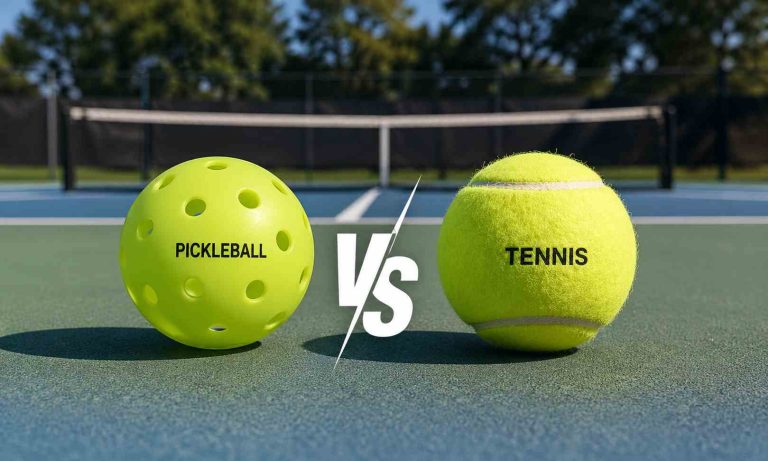
| Ball | Plastic, 26–40 holes, 0.78–0.935 oz | Low-pressure tennis ball |
| Surface | Hard court, sometimes indoor wood | Asphalt, concrete, or tennis court |
Non-obvious Insights
- Court Markings Matter: Pickleball has a “kitchen” (no-volley zone) 7 feet from the net on both sides. Pop Tennis does not have a kitchen, which changes net play strategy.
- Ball Speed and Bounce: The pickleball ball is lighter and loses speed quickly, making rallies slower and easier to reach. The Pop Tennis ball is livelier and can bounce higher, demanding quicker reactions.
Rules And Scoring: How Gameplay Differs
The rules shape the rhythm and feel of each sport.
Pickleball Rules
- Serve: Underhand, ball must be below waist, served diagonally. Only one serve attempt (except for lets).
- Scoring: Only the serving team scores. Games are usually played to 11 points (win by 2).
- Double Bounce Rule: Each side must let the ball bounce once before volleys are allowed.
- Kitchen Rule: Players cannot volley (hit in the air) while standing in the non-volley zone.
- Singles or Doubles: Both formats are common.
Pop Tennis Rules
- Serve: Underhand or overhand, but must bounce once before hitting. Served diagonally. Two serve attempts (like tennis).
- Scoring: Traditional tennis scoring (15, 30, 40, game), but with no-ad scoring (at deuce, next point wins).
- No Non-Volley Zone: Players can approach the net and volley freely.
- Singles or Doubles: Both formats, with doubles being more popular.
Comparison Table: Rules And Play
| Aspect | Pickleball | Pop Tennis |
|---|---|---|
| Serve Style | Underhand only | Underhand or overhand (must bounce) |
| Scoring System | Rally scoring to 11 | Tennis style (no-ad) |
| No-Volley Zone | Yes (“kitchen”) | No |
| Double Bounce Rule | Yes | No |
| Games per Set | Best of 3 games | Best of 3 sets |
Key Takeaways
- Pickleball rewards strategy and patience. The kitchen rule and double bounce rule slow down aggressive play and encourage placement and teamwork.
- Pop Tennis is faster and more aggressive. The ability to serve overhand and approach the net allows for more power and quick points.

Credit: www.youtube.com
Playing Style And Skill Development
The feel of each sport is shaped by the court, paddle, and rules—but also by the style of play they encourage.
Pickleball
Pickleball is often described as a game of “cat and mouse. ” The kitchen zone and lighter ball favor rallies with soft dinks, drop shots, and careful placement. Quick hands at the net are important, but raw power is less critical than in tennis.
- Beginner-Friendly: The slower ball and smaller court make it easy for new players to start.
- Strategy Focus: Patience, angle control, and teamwork are rewarded.
- Fitness Demands: Moderate. Good for all ages, including seniors.
Pop Tennis
Pop Tennis is closer to tennis in feel, but on a smaller, more intense court. The livelier ball, bigger racquet, and no non-volley zone mean points are faster, with more net play and aggressive strokes.
- Transition for Tennis Players: Tennis players often adapt quickly, as strokes and movement are similar.
- Power and Reaction: Quick reflexes, strong volleys, and athletic movement are rewarded.
- Fitness Demands: Higher than pickleball, but less than full tennis.
Two Easy-to-miss Insights
- Pickleball’s “Soft Game”: The best pickleball players win with soft, accurate dinks near the kitchen—not with smashing. Many beginners miss this and try to play with power.
- Pop Tennis Footwork: The court is smaller, but players cover more ground in less time. Proper footwork and positioning are critical for success.
Equipment Breakdown: Paddles, Balls, And Shoes
Picking the right equipment makes a big difference in your game. Here’s what matters most for each sport.
Pickleball Gear
- Paddle: Most are 7–8.5 ounces, made of composite, graphite, or wood. Lighter paddles give more control; heavier paddles offer power.
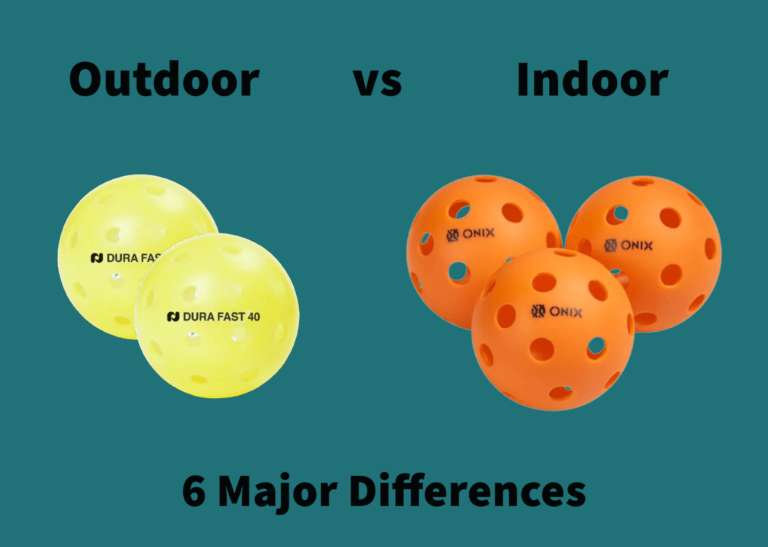
- Ball: Outdoor and indoor balls differ. Outdoor balls are harder and have smaller holes for wind resistance. Indoor balls are softer.
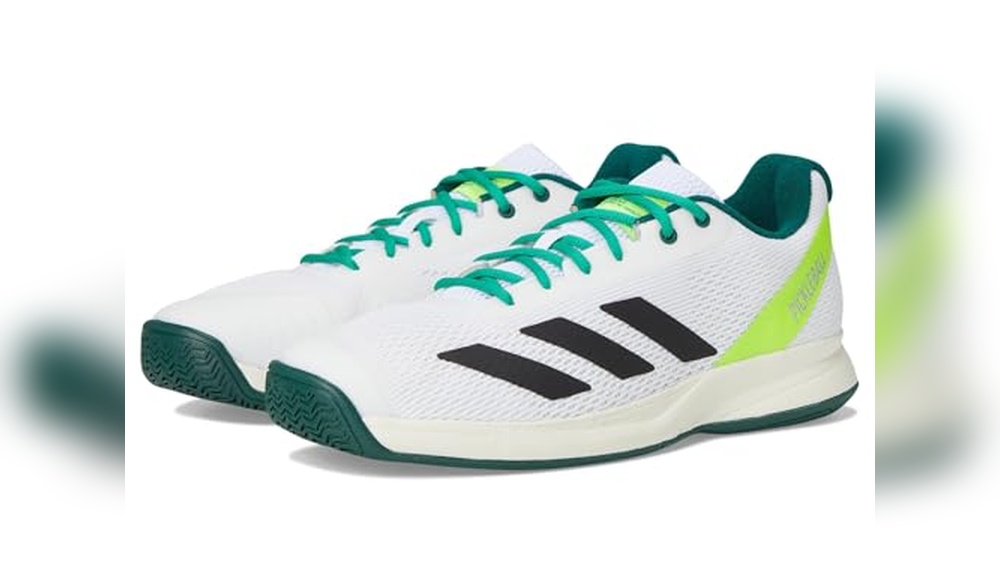
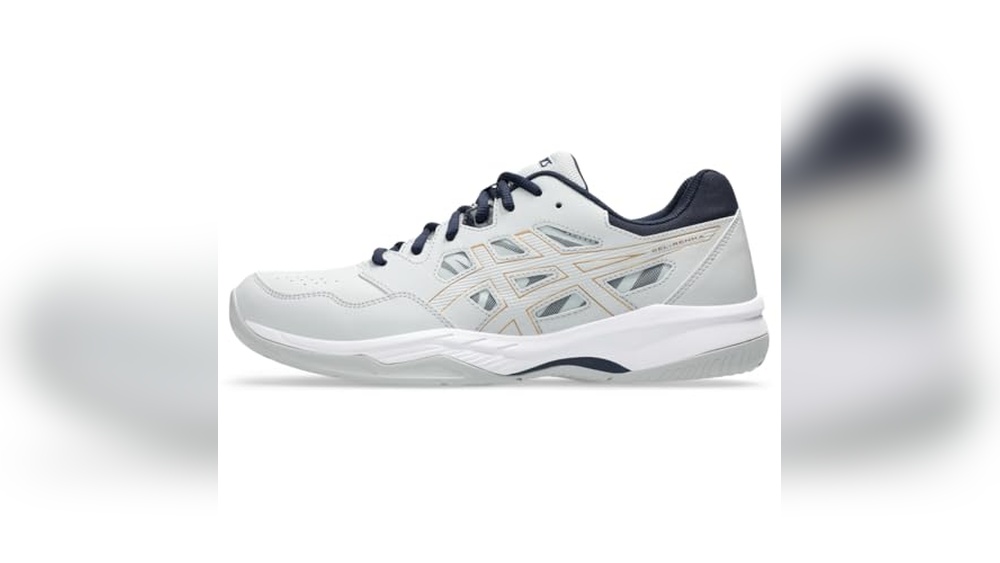
- Shoes: Court shoes with non-marking soles are best. Running shoes do not provide enough lateral support.
- Price: Starter paddles can be found for $20–$30. High-end paddles can reach $100–$200.
Pop Tennis Gear
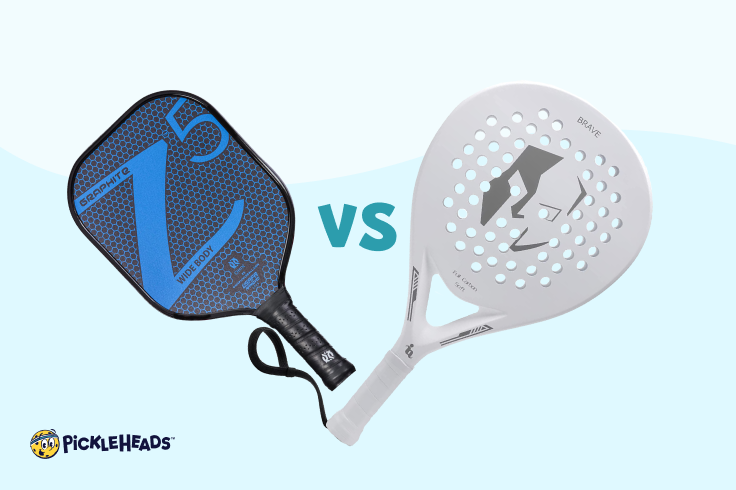
- Racquet: Slightly longer than a pickleball paddle (up to 18.5 inches), with holes for less air resistance. Composite and graphite models are popular.
- Ball: A standard tennis ball with lower internal pressure (about 75% of a regular ball’s bounce).
- Shoes: Tennis or court shoes are essential for grip and support.
- Price: Racquets start around $30. Premium models can reach $150.
What Beginners Often Miss
- Paddle Weight and Grip Size: Many new players choose paddles that are too heavy or grips that are too large, leading to wrist strain. Test before you buy if possible.
- Ball Type: Outdoor pickleball balls wear out quickly on rough surfaces. Always bring extras.
Health Benefits And Fitness Impact
Both sports are known for being accessible and providing great exercise, but there are subtle differences in the way they work your body.
Pickleball Health Benefits
- Low Impact: The court is small, and the ball doesn’t move very fast, so it’s gentle on joints.
- Cardio: Still provides a good cardiovascular workout, especially in doubles.
- Social: The game’s format encourages conversation and community, which can boost mental health.
A 2018 study found that regular pickleball play can improve heart health, lower blood pressure, and increase agility in older adults.
Pop Tennis Health Benefits
- Higher Intensity: Faster rallies and more movement mean a higher calorie burn compared to pickleball.
- Strength and Agility: The sport requires quick direction changes and explosive movement, building leg and core strength.
- Hand-Eye Coordination: The smaller court and faster ball improve reaction time and coordination.
Non-obvious Insights
- Injury Prevention: Because both sports are played on hard courts, proper shoes are critical to avoid ankle and knee injuries.
- Cross-Training: Many tennis or paddle tennis players use pickleball for recovery or to reduce injury risk, while some pickleball players try Pop Tennis to boost fitness.
Community And Culture
Pickleball and Pop Tennis have grown unique communities, each with its traditions, events, and welcoming spirit.
Pickleball: The Social Phenomenon
Pickleball’s reputation as the “friendliest sport” is well-earned. Most courts have open play hours, where players rotate in and out, making it easy to meet new people. Tournaments range from local fun events to professional leagues with cash prizes.
- All Ages and Levels: You’ll find teens, retirees, families, and serious athletes on the same courts.
- Quick Games: Short games mean everyone gets to play often.
- Adaptive Play: Rules can be modified for wheelchairs or kids.
Pop Tennis: A Tight-knit Community
Pop Tennis is newer and has a smaller footprint, especially outside traditional regions. Players tend to know each other, and clubs often host social mixers and tournaments. The sport is especially strong in California, with a growing presence in Florida and New York.
- Legacy Ties: Many Pop Tennis players come from families who played paddle tennis.
- Competitive Spirit: While social, tournaments can get intense.
- Growth Mode: The sport is investing in outreach and junior programs.
What Makes Each Community Unique
- Pickleball is often more welcoming to total beginners. Local parks and rec centers offer free or low-cost lessons.
- Pop Tennis can feel more like a club, with regulars and traditions but is eager to welcome new faces.
Accessibility And Where To Play
Finding a place to play is a practical concern for most newcomers.
Pickleball Courts Are Everywhere
According to USA Pickleball, there are over 10,000 dedicated courts in the United States alone, and the number is growing by about 1,000 each year. Most public parks, YMCAs, and community centers now have pickleball lines or courts. Portable nets allow for quick setup on basketball or tennis courts.
- Drop-In Play: Just show up, paddle in hand.
- Indoor and Outdoor: Many gyms offer indoor courts for winter play.
Pop Tennis: More Limited, But Growing
Pop Tennis courts are mostly found in California, Florida, and the Northeast, often at private clubs or city parks. The game can be played on standard tennis courts with minor modifications—some clubs provide temporary lines and nets.
- Find a Court: Use the official Pop Tennis website to locate courts near you.
- DIY Option: Some players use chalk or tape to set up a Pop Tennis court on any flat space.
Two Insights For Beginners
- Pickleball’s Flexibility: You can set up a pickleball net almost anywhere, even a driveway or gym floor. Pop Tennis needs a bigger space and more setup.
- Court Availability: In some cities, pickleball courts are so popular you may have to wait during peak hours. Arrive early or play during off-peak times.
Costs: Getting Started And Staying Active
The financial side of each sport is often overlooked, but it can shape your decision.
Pickleball Costs
- Starter Kit (Paddle + Balls): $30–$50
- Court Fees: Most public courts are free. Some clubs charge $2–$10 per session.
- Shoes and Gear: $50–$120 for good court shoes.
- Tournaments: $30–$100 entry fees for larger events.
Pop Tennis Costs
- Racquet + Balls: $40–$80 for beginner gear.
- Court Fees: Many Pop Tennis courts are at private clubs, which may require membership ($200–$500/year). Some public courts are free.
- Shoes and Gear: Tennis shoes are a must ($60–$120).
- Tournaments: $50–$150 for competitive events.
Where Costs Differ Most
- Pickleball is easier to start for free or cheap, thanks to public courts and lower gear prices.
- Pop Tennis may require travel and club membership in some areas, but gear lasts longer because the balls are more durable than pickleballs.
Who Should Play Which Sport?
Choosing between pickleball and Pop Tennis depends on your goals, fitness, and local options.
Pickleball Is Best If:
- You want a beginner-friendly sport with a quick learning curve.
- You have joint concerns or want a low-impact workout.
- Social interaction is important; you want to meet new people easily.
- You want a sport the whole family can play together.
Pop Tennis Is Best If:
- You like fast-paced, high-energy games.
- You play or have played tennis and want something similar but easier on the body.
- You want to improve footwork, reaction time, and athleticism.
- You enjoy club culture and regular competition.
Common Mistakes Beginners Make
- Ignoring the Rules: Many new pickleball players stand in the kitchen or forget the double bounce rule, leading to lost points.
- Wrong Gear: Picking a paddle or racquet that’s too heavy or light can cause fatigue and injury.
- Skipping Warmup: Both sports need a good dynamic warmup, especially for older players.
- Not Watching the Ball: The smaller, lighter balls in both sports require focus—taking your eyes off the ball leads to errors.
- Overhitting: Trying to smash every shot in pickleball or Pop Tennis usually backfires. Placement beats power.
Tournaments And Competitive Play
Both sports offer competitive pathways, but the size and structure of tournaments differ.
Pickleball Tournaments
- Local, regional, and national tournaments are held year-round.
- The USA Pickleball National Championships is the largest event, with thousands of players.
- Age and skill brackets ensure fair competition.
Pop Tennis Tournaments
- Major events are concentrated in California, New York, and Florida.
- The US Open of Pop Tennis is the top event, attracting elite players.
- Most tournaments are doubles, with singles events at select competitions.
Pro Circuits
Pickleball has a growing professional scene, with televised events and prize money. Pop Tennis is still mostly amateur, but pro exhibitions are increasing.
The Learning Curve: How Quickly Can You Improve?
Pickleball
- Most beginners can rally within their first session.
- After 10–20 hours, players start learning advanced shots like dinks and lobs.
- Mastery takes practice, but fun comes early.
Pop Tennis
- Tennis players adapt quickly; total beginners need a few sessions to adjust to the smaller court and paddle.
- Learning to control the low-pressure ball is the main challenge.
- Quick improvement is possible with regular play.
Credit: www.pickleheads.com
Notable Players And Role Models
Pickleball Stars
- Ben Johns: Considered the best men’s player, with multiple national titles.
- Simone Jardim: Top women’s player and coach.
- Many former tennis and table tennis pros now compete in pickleball.
Pop Tennis Champions
- Scott Doerner: Multiple US Open titles.
- Kaitlyn Christian: Pro tennis player who also excels in Pop Tennis.
- The sport is building its roster of stars as it grows.
How To Get Started
- Find a Local Court: Use USA Pickleball’s “Places2Play” or Pop Tennis’ court locator.
- Borrow or Rent Gear: Most clubs or rec centers have demo paddles or racquets.
- Join a Beginner Clinic: Many parks and clubs offer free or low-cost intro sessions.
- Watch Online Tutorials: Free guides are available on YouTube and official sport sites.
- Introduce Friends or Family: Both sports are more fun with a group.
External Resource
To dive deeper into Pop Tennis history and rules, check the official Pop Tennis History page.
Frequently Asked Questions
What Is The Main Difference Between Pickleball And Pop Tennis?
The biggest difference is in the court size, ball type, and rules. Pickleball uses a plastic ball with holes and has a “kitchen” zone that restricts volleys, while Pop Tennis uses a lower-pressure tennis ball and allows free net play, making it faster and more aggressive.
Can I Use The Same Paddle Or Racquet For Both Sports?
No. Pickleball paddles are smaller and lighter (max 17 inches), while Pop Tennis racquets are larger (up to 18.5 inches) and often have holes for less air resistance. Each sport requires its own equipment for best performance and to meet official rules.
Which Sport Is Easier For Beginners?
Most people find pickleball easier to learn at first, thanks to the smaller court, slower ball, and simple scoring. Pop Tennis is easy for former tennis players but can be fast-paced for total beginners.
Are There Age Restrictions For Either Sport?
No. Both pickleball and Pop Tennis are played by all ages, from young children to seniors. Pickleball, in particular, is popular with older adults due to its low-impact nature.
Where Can I Find A Place To Play?
Pickleball courts are found in most public parks, gyms, and community centers—search online or ask locally. Pop Tennis courts are fewer and mostly in California, Florida, and New York, but you can use the official sport websites to find a court near you.
Whether you’re looking for a fun, social way to stay active or want a new competitive challenge, both pickleball and Pop Tennis offer rewarding experiences. Try each sport if you can, and discover which fits your style best.
Credit: www.minterdial.com