Does Volleyball Burn Calories? Proven Results!

Yes, volleyball is a fantastic way to burn calories and get a great workout! Playing even casually can significantly boost your metabolism and contribute to overall fitness.
Ever wondered if those dives, spikes, and jumps on the volleyball court are actually helping you get in shape? Many players, whether they’re just starting out or have been playing for years, ask themselves this very question. It’s easy to get caught up in the excitement of the game and forget about the physical benefits. But the truth is, volleyball is a surprisingly effective calorie-burning activity! We’re here to break down exactly how much you can expect to burn and how to maximize those gains. Get ready to discover the calorie-burning power of volleyball!
Does Volleyball Burn Calories? Proven Results!
Volleyball is more than just a fun sport; it’s a full-body workout that torches calories and builds a stronger, more athletic you. From the quick sprints to the explosive jumps and powerful hits, every movement on the court engages multiple muscle groups, sending your heart rate soaring and your calorie expenditure through the roof.
The Science Behind the Burn
When you play volleyball, your body is constantly in motion. Think about it:
Cardiovascular Engagement: Running, jumping, and diving all elevate your heart rate, providing an excellent aerobic workout. This sustained activity is key to burning calories and improving your cardiovascular health.
Muscle Activation: Every pass, set, and hit requires your core, legs, arms, and shoulders to work together. This muscle engagement not only burns calories during the game but also helps build lean muscle mass, which can boost your metabolism even at rest.
Agility and Coordination: The rapid changes in direction, quick reflexes, and precise movements needed in volleyball enhance your agility and coordination, all while burning energy.
How Many Calories Can You Expect to Burn?
The number of calories burned during a volleyball game can vary significantly based on several factors:
Intensity of Play: A fast-paced, competitive match will burn more calories than a casual, slow-paced game.
Duration of Play: The longer you play, the more calories you’ll burn.
Your Body Weight: Heavier individuals generally burn more calories than lighter individuals performing the same activity.
Your Effort Level: How much you move, jump, and dive directly impacts your calorie expenditure.
Here’s a general idea, based on a person weighing approximately 150 pounds (68 kg):
| Activity | Calories Burned per Hour (approx.) | Notes |
| :——————– | :——————————— | :———————————————————- |
| Recreational Volleyball | 200-300 | Casual play, less intense movement. |
| Competitive Volleyball | 400-600 | Faster pace, more jumping, diving, and sprinting. |
| Beach Volleyball | 400-800 | Sand requires more effort for movement, increasing calorie burn. |
Note: These are estimates. Individual results may vary.
To get a more personalized estimate, you can use online calorie calculators that factor in your weight, the duration of your activity, and its intensity.
Maximizing Your Calorie Burn on the Court
Want to get the most out of your volleyball sessions for calorie burning and overall fitness? Here are some actionable tips:
1. Play with Higher Intensity
Be Active Between Plays: Don’t stand still! Jog in place, do some quick footwork drills, or stretch lightly while waiting for the next serve.
Embrace the Dive: Don’t be afraid to dive for those tricky balls. It’s a full-body movement that engages your core and burns significant calories.
Jump Higher, Spike Harder: Focus on explosive jumps and powerful spikes. The more effort you put into these actions, the more you’ll burn.
Communicate and Move: Constant communication leads to better court awareness and fewer wasted movements. Be ready to cover your teammates and chase down every ball.
2. Play Beach Volleyball
If you have access to a beach or sand court, give it a try! The resistance of the sand makes every step, jump, and dive a greater challenge, significantly increasing your calorie expenditure compared to indoor play.
3. Incorporate Conditioning Drills
Even outside of games, dedicated drills can boost your calorie burn and improve your skills:
Agility Ladder Drills: Improve footwork and quickness.
Plyometric Exercises: Jumps, bounds, and box jumps enhance explosive power and calorie burn.
High-Intensity Interval Training (HIIT): Short bursts of intense activity followed by brief recovery periods can be incorporated into your training. Think 30 seconds of intense spiking practice followed by 30 seconds of rest.
4. Stay Hydrated, But Be Mindful
While staying hydrated is crucial for performance, remember that liquids do add to your body weight. For the most accurate calorie tracking, try to weigh yourself before and after a game, factoring in any fluids consumed.
5. Play Longer and More Frequently
The simplest way to burn more calories is to increase the duration and frequency of your volleyball sessions. Aim for longer games or schedule multiple games per week.
Volleyball: A Full-Body Workout
Let’s break down how different parts of your body get a workout during a volleyball game:
Legs and Glutes
Jumping: Explosive vertical jumps for spiking and blocking are powered by your quads, hamstrings, and glutes.
Sprinting: Quick bursts of speed to cover the court engage your calf muscles, hamstrings, and glutes.
Agility: Quick lateral movements and changes in direction work your inner and outer thigh muscles, as well as your glutes.
Core Muscles
Spiking and Setting: The rotational power needed for hitting and setting originates from your core, engaging your obliques, rectus abdominis, and transverse abdominis.
Diving and Staying Balanced: Maintaining stability during dives and quick movements requires constant engagement of your abdominal and back muscles.
Arms and Shoulders
Passing and Setting: The repetitive motion of bumping and setting works your deltoids (shoulders), biceps, and triceps.
Spiking: A powerful spike involves the deltoids, rotator cuff muscles, and triceps for maximum force.
Blocking: Jumping and extending your arms to block requires shoulder strength and endurance.
Volleyball Positions and Calorie Burn
While every position on the court involves movement, some roles might naturally lead to a higher calorie burn due to their specific demands.
| Position | Primary Actions | Potential Calorie Burn Impact |
| :———– | :—————————————————————————— | :—————————————————————————————– |
| Outside Hitter | Attacking (spiking), passing, digging, blocking. Often covers a large area. | High. Frequent jumping, powerful hitting, and defensive efforts contribute to significant burn. |
| Opposite Hitter | Attacking, blocking, passing. Similar demands to outside hitter. | High. Focus on attacking and blocking, leading to high-impact movements and calorie expenditure. |
| Setter | Setting, passing, digging, occasional attacking. Primarily directs play. | Moderate to High. Constant movement, precise handwork, and defensive responsibilities. |
| Middle Blocker | Blocking, attacking (quick sets), serving. Primarily defensive at the net. | Moderate to High. Explosive jumps for blocking and quick attacks, but less court coverage. |
| Libero | Passing, digging, serving. Primarily defensive specialist. | Moderate. Focus on defensive plays, quick reflexes, and covering the back court. |
It’s important to remember that even if your primary position isn’t as “active” in terms of jumping, the overall demands of the game and your personal effort level are the biggest determinants of calorie burn.
Gear Up for Success (and More Calorie Burn!)
The right gear can not only improve your performance but also help you stay comfortable and motivated, leading to longer, more intense play and thus, more calories burned.
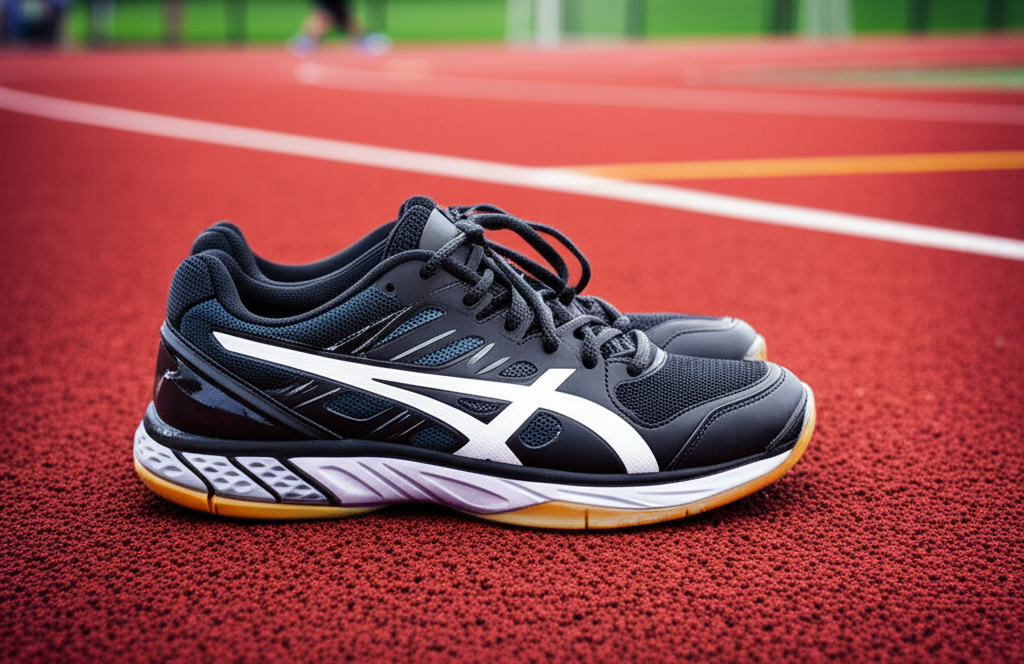
Volleyball Shoes
Choosing the right shoes is crucial for support, traction, and shock absorption, reducing the risk of injury and allowing you to move more freely and powerfully.
Indoor Volleyball Shoes: Designed for quick lateral movements, explosive jumps, and grip on indoor courts. They typically have non-marking rubber soles and excellent cushioning.
Beach Volleyball Shoes: Often lighter with more flexible soles to provide grip and comfort on the sand. Some players prefer to play barefoot on sand.
Key Features to Look For:
Cushioning: For impact absorption during jumps.
Traction: For quick stops and changes of direction.
Ankle Support: To prevent sprains, especially during aggressive plays.
Breathability: To keep your feet cool and comfortable.
Apparel
Moisture-Wicking Fabrics: These fabrics pull sweat away from your body, keeping you dry and comfortable. This allows you to play longer and harder.
Comfortable Fit: Avoid overly baggy or restrictive clothing that can hinder movement.
Knee Pads
Essential for protecting your knees during dives and hard falls. Good knee pads allow you to play with more confidence, knowing you’re protected, which can encourage more aggressive, calorie-burning defensive plays.
Water Bottle
Staying hydrated is key, but having a good, reusable water bottle means you can quickly rehydrate between points or sets without losing momentum.
Beyond the Court: Complementary Fitness for Volleyball Players
While volleyball itself is a fantastic workout, incorporating other fitness activities can enhance your performance, prevent injuries, and further boost your calorie burn.
Strength Training
Lower Body: Squats, lunges, deadlifts, and calf raises build the leg strength needed for powerful jumps and quick movements.
Upper Body: Push-ups, overhead presses, rows, and bicep curls strengthen your arms and shoulders for hitting and blocking.
Core: Planks, Russian twists, and leg raises are vital for stability, power transfer, and injury prevention.
Cardiovascular Training
Running/Sprinting: Improves stamina and leg speed.
Cycling: Builds leg strength and cardiovascular endurance without high impact.
Swimming: A great low-impact option that works the entire body.
Flexibility and Mobility
Stretching: Dynamic stretches before play and static stretches after help improve range of motion and prevent muscle soreness.
Yoga/Pilates: Enhance core strength, flexibility, balance, and body awareness.
Frequently Asked Questions (FAQ)
What’s the best way to serve for beginners in volleyball?
How do I know my volleyball position?
- Outside Hitters are usually good all-around players, strong at attacking and passing.
- Middle Blockers are often tall and agile, excelling at blocking and quick attacks near the net.
- Setters have good hands, excellent court vision, and are strategic thinkers, directing the offense.
- Liberos are defensive specialists, usually quick and agile, focusing on passing and digging.
Talk to your coach about your skills and preferences to find the best fit!
What shoes should I wear for indoor volleyball?
How important is communication in volleyball?
Can playing volleyball help me lose weight?
What’s a good way to practice my passing at home?
How do I improve my vertical jump for spiking?
Conclusion: Hit the Court and Burn Those Calories!
Volleyball is a dynamic, engaging, and highly effective way to burn calories, improve your fitness, and have a blast doing it. Whether you’re aiming for weight loss, better cardiovascular health, or simply want to enjoy a fun and active sport, volleyball delivers. By playing with intensity, focusing on good technique, and perhaps adding some complementary training, you can maximize the physical benefits of every game. So, grab your friends, hit the court, and experience the rewarding calorie burn of volleyball for yourself!
For more on the science of sports and exercise, check out resources from organizations like USA Volleyball and the Fédération Internationale de Volleyball (FIVB).